


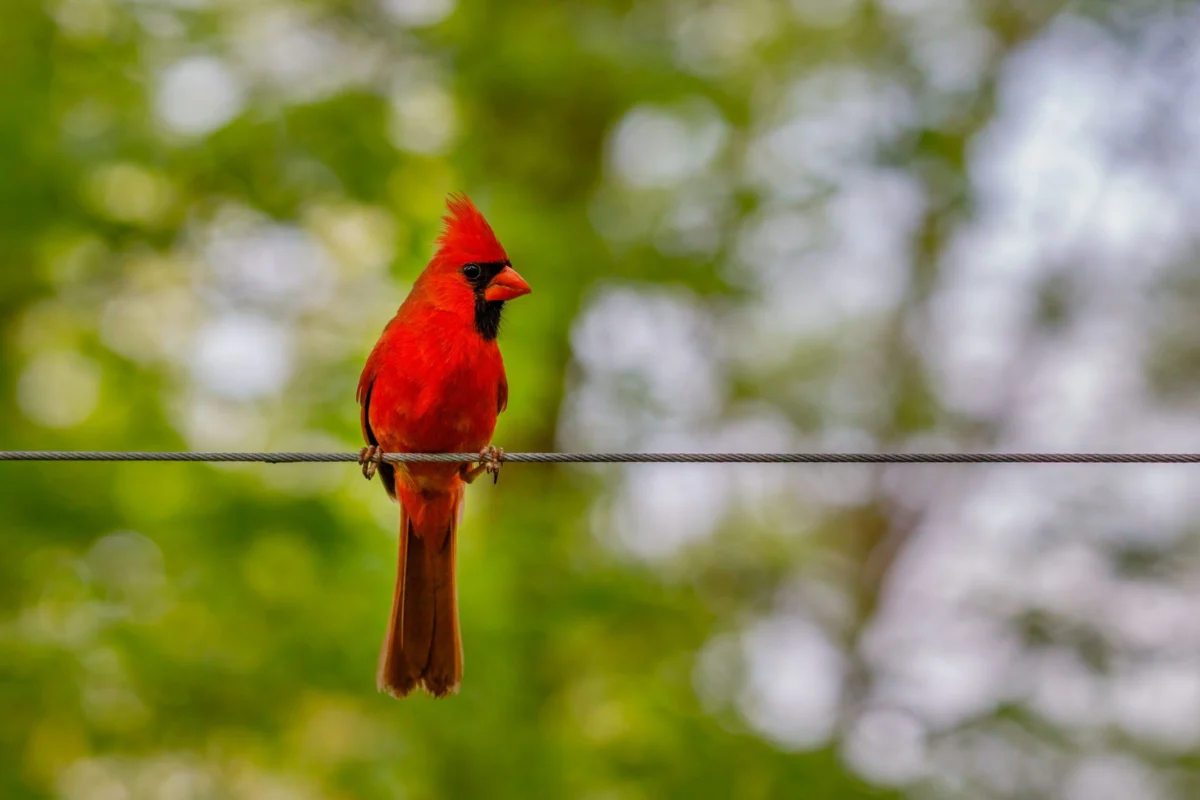
The Northern Cardinal (Cardinalis cardinalis) stands as one of the most iconic avian species in North America, serving as the official state bird for seven different U.S. states. While its distinctive crest and melodious song are defining characteristics, it is the male’s brilliant scarlet plumage that has captured the attention of ornithologists and backyard observers alike. This vivid coloration is not merely an aesthetic marvel; it is a complex biological indicator rooted in nutritional physiology, evolutionary selection, and environmental interaction. To understand why this species displays such a high degree of visual contrast against the natural landscape, one must examine the intersection of biochemistry and behavioral ecology.
The Biochemical Foundation of Red Pigmentation
The primary driver of the Northern Cardinal’s coloration is a group of organic pigments known as carotenoids. Unlike structural colors—which are produced by the physical refraction of light through feather barbs, as seen in the iridescent blues of a Blue Jay—the red of the cardinal is pigment-based. Carotenoids are synthesized exclusively by plants, algae, and some fungi. Consequently, the Northern Cardinal must acquire these molecules through its diet.
Ornithological data from the Cornell Lab of Ornithology confirms that the cardinal’s diet consists largely of seeds, grains, fruits, and insects. Foods rich in carotenoids, such as wild berries, dogwood fruits, and wild grapes, are essential for the metabolic process of feather coloration. Upon ingestion, these pigments undergo a chemical conversion within the bird’s body. The cardinal processes the carotenoids and deposits them into the developing keratin structures of the growing feathers.
This process is highly dependent on both the quality and quantity of the food source. Nutritional analysis indicates that a male with access to a high-carotenoid diet will typically display a deeper, more saturated shade of red. In contrast, birds experiencing nutritional stress or limited access to high-quality foraging grounds may exhibit paler or more orange-tinted plumage. This serves as a visible, real-time indicator of the individual’s metabolic health and its success as a forager.
Sexual Dimorphism and Evolutionary Selection
The Northern Cardinal is a quintessential example of sexual dimorphism, a phenomenon where the two sexes of the same species exhibit marked differences in physical characteristics. While males are characterized by their deep crimson hue and black facial masks, females typically display a muted, earth-toned palette of tan and brown with subtle red highlights on the crest, wings, and tail.

From an evolutionary standpoint, this disparity is largely driven by sexual selection. Females, who are often tasked with the critical role of nesting and brood-rearing, rely on their drab coloration as a form of crypsis—or camouflage—to remain inconspicuous to predators while sitting on a clutch of eggs. Conversely, the male’s bright plumage serves as a "fitness signal."
Researchers in behavioral ecology have noted that a female’s choice of mate is often influenced by the intensity of the male’s red coloration. Because producing bright feathers requires both a superior foraging ability and a robust immune system to manage the metabolic stress of pigment processing, the plumage acts as an honest signal of genetic quality. By selecting a vibrant male, a female is effectively choosing a partner who has demonstrated the capacity to secure high-quality resources and maintain physiological homeostasis.
The Role of Social and Territorial Signaling
While courtship is a primary driver for the evolution of these colors, it is not the only function. Northern Cardinals are a highly territorial species, and the male’s plumage serves as a potent signal in competitive interactions. Unlike migratory songbirds that may only defend breeding territories for a few months, cardinals are non-migratory and often maintain their territories year-round.
The bright red color acts as a deterrent to rivals. Observations have shown that male cardinals may react aggressively to the sight of other red-feathered birds, including their own reflections in windows or mirrors, mistaking them for an intruding male. In this context, the plumage serves as an "all-purpose signal," communicating both reproductive fitness to potential mates and social dominance to competitors. This dual function explains why the intensity of the color remains a focal point of the species’ social structure throughout the winter months.
Chronology of Development and Seasonal Variation
The maturation process of a cardinal is not instantaneous. Young males do not emerge from the nest with the full, saturated plumage of an adult. Instead, they typically display a duller, brownish-red appearance during their first year. The transition to the iconic, vibrant scarlet occurs through a series of molts.
As a young bird reaches sexual maturity and prepares for its first breeding season, it undergoes a pre-alternate molt. The quality of the new feathers produced during this molt is highly dependent on the bird’s condition at that specific time. Because this cycle is repeated annually, the brightness of a cardinal can fluctuate throughout its lifespan. Factors such as feather wear, which is caused by UV exposure and physical contact with vegetation, can also cause the plumage to fade over time. Consequently, a bird’s appearance at the end of the winter season may be slightly less intense than it was following the autumn molt.

Broader Implications for Backyard Conservation
The popularity of the Northern Cardinal in North American suburbs and rural gardens has made it a central figure in urban wildlife management. Because they are non-migratory, they provide a consistent presence for researchers and enthusiasts throughout the year. This sedentary nature allows for long-term tracking of individuals, which has provided scientists with valuable data regarding life expectancy, territorial range, and the impact of supplemental feeding.
However, the reliance on supplemental feeding has raised questions among ornithologists regarding the nutritional balance of these birds. While bird feeders provide an essential caloric buffer during harsh winters, they do not always mirror the nutrient density of natural foraging. Expert advice from wildlife biologists suggests that maintaining a landscape with native berry-producing shrubs—such as winterberry, viburnum, and serviceberry—is more beneficial for the long-term health and coloration of the species than reliance on store-bought seed mixtures alone.
Fact-Based Analysis: The Impact of Climate and Environment
The future of the Northern Cardinal, like many avian species, is subject to the shifting pressures of environmental change. As climate patterns fluctuate, the timing of fruit production in native plants may become desynchronized with the physiological needs of the birds. If the peak availability of carotenoid-rich food sources shifts, it could theoretically impact the overall health and reproductive success of the population.
Furthermore, urbanization has led to increased fragmentation of habitats. While cardinals are remarkably adaptable and have expanded their range significantly into the northern United States and parts of Canada over the last century, their dependence on dense understory vegetation remains a limiting factor. The continued success of the species is inextricably linked to the preservation of these ecological corridors.
In conclusion, the scarlet plumage of the Northern Cardinal is far more than a decorative feature of the North American landscape. It is a biological manuscript that chronicles the bird’s diet, its physical health, its social status, and its evolutionary history. By understanding the intricate mechanisms behind this color—from the absorption of plant-based pigments to the complex social dynamics of territorial defense—observers can gain a deeper appreciation for the species. As they continue to thrive in backyards across the continent, the Northern Cardinal remains a persistent, vibrant reminder of the delicate balance between biological necessity and natural beauty.

