


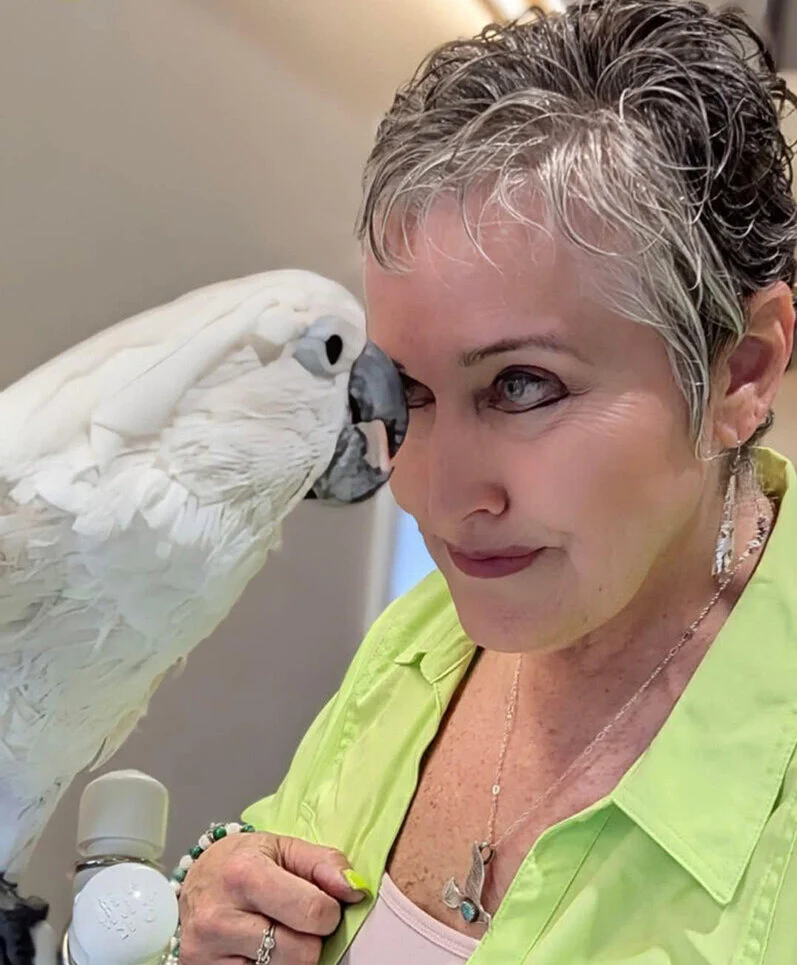
The landscape of animal-assisted therapy has long been dominated by canine and equine companions, yet a significant milestone in the field has recently been achieved by an unlikely candidate. Boo, a 41-year-old umbrella cockatoo, has been named the 2026 Pet Partners Pet of the Year. This designation marks a historic first for the nonprofit organization, as it is the first time an avian companion has received the top honor. Beyond the accolade, Boo’s story serves as a testament to the resilience of animals and the profound, bidirectional healing that occurs when rescued animals are given the chance to serve their communities.
A Journey of Resilience: From Trauma to Restoration
The narrative of Boo is one defined by dramatic transitions. For over a decade, the cockatoo lived in a state of darkness, a consequence of systemic neglect and abuse sustained prior to his rescue. During this period of blindness, the bird’s world was restricted to sensory inputs that did not include sight, yet he remained under the dedicated stewardship of Amy Hurst.
The turning point in Boo’s life arrived with a pioneering surgical intervention designed to restore his ocular function. The success of this procedure, which transformed his daily existence from one of reliance on non-visual cues to full environmental awareness, was the catalyst for his subsequent career as a therapy animal. This medical milestone, previously documented in professional avian care circles, laid the foundation for his transition from a rescue bird to a public-facing support companion. The surgical restoration of sight did more than improve his quality of life; it empowered him to navigate complex therapeutic environments with the confidence required for high-level animal-assisted intervention.
The Mechanism of Animal-Assisted Intervention
To understand the significance of Boo’s role, one must examine the broader context of Animal-Assisted Interventions (AAI). Pet Partners, the Bellevue-based organization that facilitated Boo’s certification, operates on the principle that the human-animal bond is a measurable clinical asset. According to the organization’s operational framework, the presence of a therapy animal can significantly lower cortisol levels in human subjects, stimulate the production of oxytocin, and provide a non-judgmental environment that encourages communication and emotional regulation.
Data suggests that approximately 18% of pet owners rely on their animals to assist in navigating emotional or psychological stressors. In clinical settings, the inclusion of therapy animals has been correlated with increased engagement in physical therapy, improved social interaction for individuals on the autism spectrum, and a reduction in the symptoms associated with generalized anxiety disorder and post-traumatic stress. By certifying diverse species—including birds, which offer unique tactile and visual stimulation—organizations like Pet Partners are expanding the reach of these interventions to populations that may not respond as effectively to traditional therapy dogs.
Chronology of Achievement
The trajectory leading to the 2026 award was both methodical and impactful:
- Early Life and Rescue: Boo endured an extended period of neglect, resulting in the total loss of vision.
- The Decade of Care: Amy Hurst assumed guardianship, providing the environmental stability necessary for the bird to thrive despite his disability.
- Medical Intervention: Boo underwent specialized surgery to restore his sight, marking the beginning of his "second act."
- Certification: Following his recovery, Boo met the rigorous behavioral standards set by Pet Partners to become a registered therapy animal.
- Community Engagement: Boo began active service, working with stroke survivors, youth groups, and individuals on the autism spectrum.
- 2026 National Recognition: Boo was selected as the Pet Partners Pet of the Year, chosen from a national field of candidates for his unique contribution to human well-being.
The Fundraising Impact
The Pet of the Year award is not merely a symbolic gesture; it functions as a critical engine for the organization’s mission. The 2026 campaign cycle saw an unprecedented level of support, raising $158,275. These funds are designated for the training, insurance, and registration of new handler-animal teams.

By centering the campaign around Boo, Pet Partners highlighted the versatility of the human-animal bond. The financial success of this year’s initiative underscores the public’s growing appreciation for the diversity of service animals. When an animal like an umbrella cockatoo is spotlighted, it challenges preconceived notions about which species are capable of providing emotional support, potentially increasing the number of people who seek out therapy animal partnerships.
Implications for Avian Welfare and Therapy
The elevation of an avian companion to the status of "Pet of the Year" carries important implications for the fields of veterinary science and animal behavior. Birds are highly intelligent, social creatures that require complex mental stimulation. Historically, they have been underrepresented in the therapeutic sector due to the challenges of training and the necessity of specialized handling.
Boo’s success demonstrates that when avian intelligence is nurtured through consistent, compassionate care, these animals can function as highly effective therapeutic agents. Experts in the field of human-animal interaction note that Boo’s work in hand therapy and stroke recovery—where fine motor skills and patience are paramount—suggests that birds offer a unique range of motion and interaction styles that differ significantly from those of mammals. His ability to remain calm and responsive in diverse environments indicates a high level of cognitive flexibility and social intelligence.
Official Perspectives and Future Outlook
While specific quotes from the selection committee remain internal to the nonprofit’s governance, the choice of an animal with a history of disability speaks to the core values of Pet Partners. The organization has consistently emphasized that the "ideal" therapy animal is one that possesses a stable temperament and a strong bond with its handler, regardless of the animal’s physical history.
Amy Hurst’s role in this partnership is central. The success of a therapy animal is fundamentally dependent on the human handler’s ability to read the animal’s stress signals and ensure its welfare at all times. Hurst’s commitment, from the years of providing care to a sightless bird to the active facilitation of his therapy sessions, serves as a model for responsible pet ownership.
The broader impact of this recognition is likely to be seen in the diversification of therapy animal programs across the United States. As more handlers observe the success of avian partners, it is anticipated that more resources will be directed toward training programs that accommodate species beyond the traditional dog-and-cat model.
Conclusion: A Legacy of Mutual Healing
Boo’s journey—from the shadows of neglect to the national stage—is more than a feel-good story; it is a case study in the power of rehabilitation. By overcoming his own physical limitations, Boo has gained a unique capacity for empathy that translates into his work with others. His story reinforces the necessity of viewing animals not merely as pets, but as partners in human health.
As the 2026 Pet of the Year, Boo stands as a symbol of hope for those who face their own hurdles in recovery. His life demonstrates that the potential for meaningful contribution is not limited by one’s past or physical condition. Through his ongoing work, and through the funding his recognition has secured, the impact of his story will continue to extend to thousands of individuals seeking comfort, connection, and a path toward wellness. The legacy of Boo and Amy Hurst is one of patience, clinical progress, and the enduring strength of the bond between species.

