


Integrating a parrot into a domestic household introduces unique avian husbandry challenges that extend far beyond the initial procurement of a suitable cage and specialized foraging toys. While companion parrots are celebrated for their exceptional cognitive abilities, high emotional intelligence, and playful curiosity, these very traits routinely place them in perilous situations within human-centric living spaces. Lacking an innate understanding of modern residential infrastructure, domestic parrots frequently interact with their environments by exploring with their beaks, a natural behavior that exposes them to severe domestic hazards. Consequently, comprehensive avian safety protocols must be established prior to the introduction of a new pet. Veterinary experts emphasize that proactive environmental modification, often termed parrot-proofing, is a critical responsibility for owners. According to avian veterinary literature, domestic accidents involving companion birds frequently stem from common household oversights, ranging from heavy metal toxicity to atmospheric contamination. Establishing an ecosystem that safely accommodates an inquisitive psittacine requires meticulous planning, absolute household alignment, and a systematic checklist designed to mitigate invisible hazards.
The necessity for rigorous avian safety measures is grounded in the physiological and behavioral vulnerabilities inherent to hookbills, including macaws, cockatoos, African greys, and smaller species like budgerigars and cockatiels. In their natural habitats, these avian species occupy specific ecological niches where foraging, chewing, and navigating hollow trees represent vital survival strategies. Transposed into a residential environment, these deeply ingrained evolutionary impulses translate into persistent chewing on architectural fixtures, exploring confined dark spaces, and sampling novel textures. Veterinary data published in veterinary medical journals indicate that environmental toxicity and physical trauma represent the leading causes of preventable morbidity and mortality among captive pet birds. Therefore, the implementation of standardized safety protocols serves as the primary defense against catastrophic veterinary emergencies. Veterinarians specializing in exotic animal medicine consistently advocate for a preventative safety audit of all residential zones accessible to free-roaming companion birds.
Electrical Infrastructure and the Management of Avian Chewing Behaviors
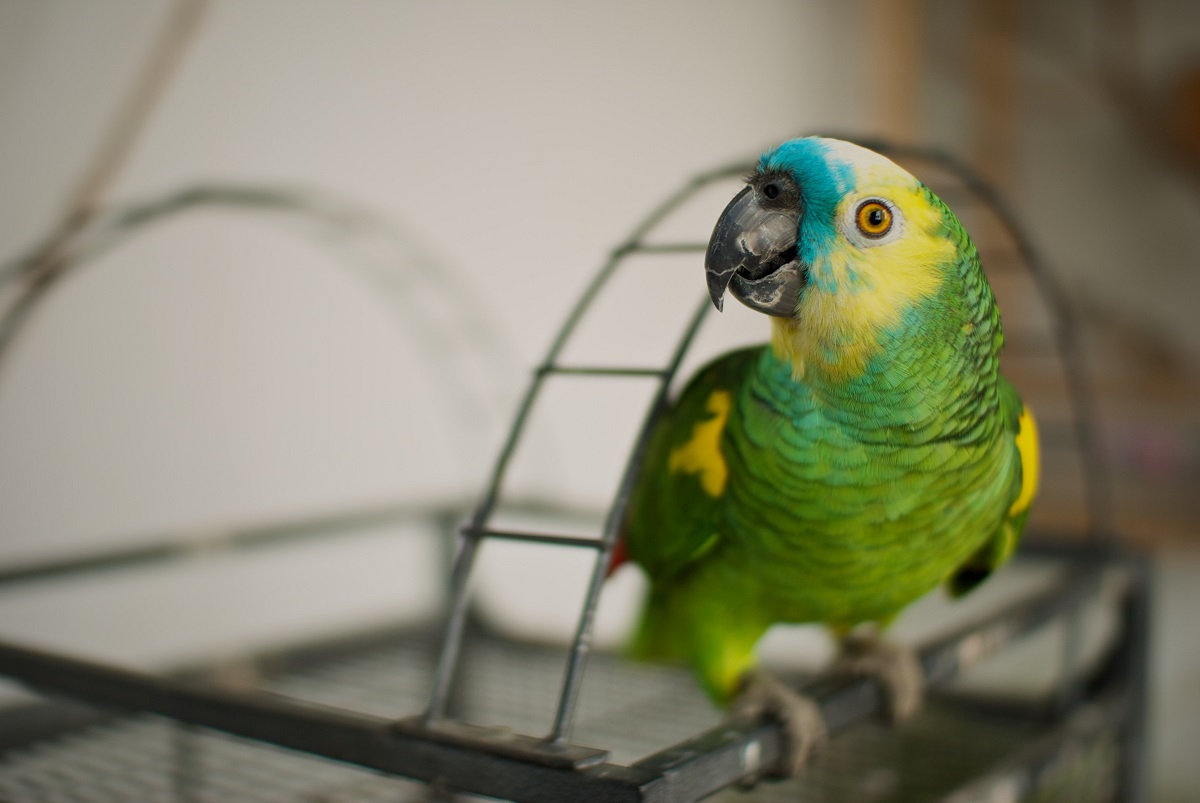
The physiological imperative to chew is a fundamental component of avian dental and muscular maintenance; in the wild, this activity preserves nesting cavities and wears down continuously growing beaks. Within human residences, however, this natural drive frequently manifests as destructive and potentially fatal interactions with electrical wiring and wall outlets. Parrots possess immense jaw pressure capable of stripping polymer insulation from electrical cords, exposing live copper wires that present immediate risks of severe electrical shock, thermal burns, and lethal electrocution. Veterinary case studies document that while some avian patients survive initial low-voltage shocks, the resulting neuromuscular trauma, pulmonary edema, and systemic shock often require intensive emergency veterinary intervention. To mitigate these risks, comprehensive environmental restructuring is mandatory. All electrical cords traversing parrot-accessible spaces must be concealed behind heavy furniture, routed through durable PVC conduits, or enclosed in heavy-duty plastic cable management sleeves. Furthermore, tamper-resistant outlet covers should be installed across all baseline electrical receptacles within the designated avian habitat zone, and appliances should be systematically unplugged immediately following use.
Atmospheric Vulnerabilities and Indoor Air Quality Standards
Perhaps the most critical physiological divergence between avian pets and mammalian companions lies within the respiratory system. Avian respiratory architecture features a highly efficient, continuous airflow system coupled with air sacs distributed throughout the body cavity, making parrots exceptionally sensitive to airborne particulate matter, volatile organic compounds, and toxic fumes. Historically recognized through the cautionary use of canaries in subterranean coal mines, birds exhibit rapid physiological collapse when exposed to low-air-quality environments. Common household items that are inert or mildly irritating to humans can prove rapidly fatal to psittacines. Non-stick cookware treated with polytetrafluoroethylene (PTFE) or PFOA, when overheated, releases odorless, colorless toxic gases that induce acute pulmonary hemorrhage in birds within minutes. Similarly, aerosolized products, including hairsprays, deodorants, household surface cleaners, self-cleaning oven cycles, tobacco smoke, incense, scented candles, and the particulate fallout from localized wildfires, pose catastrophic risks. Avian veterinary specialists strongly advise the complete elimination of aerosolized chemical agents in homes housing birds, the strict replacement of non-stick cookware with stainless steel or cast iron alternatives, and the installation of certified carbon monoxide and photoelectric smoke detectors to provide early warning metrics for volatile air quality shifts.
Accidental Ingestion Risks, Botanical Toxicity, and Heavy Metal Exposure
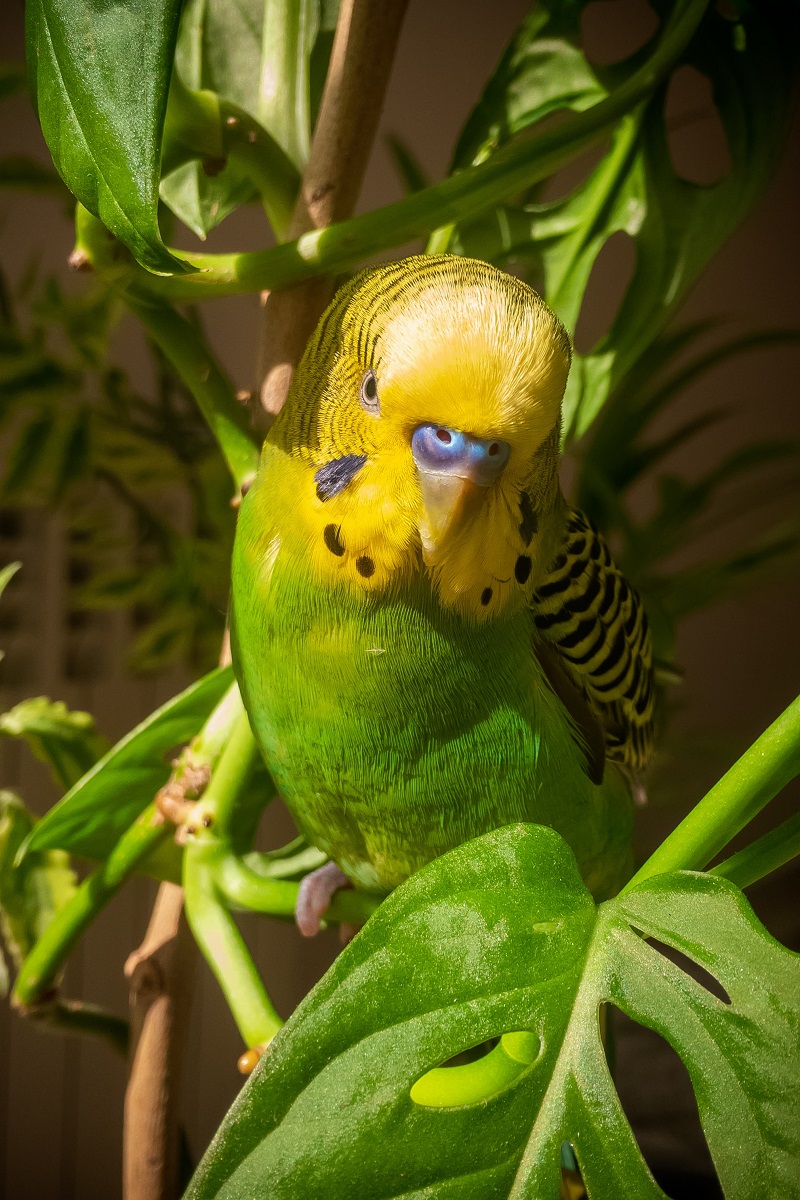
Because parrots utilize their tongues and beaks as primary sensory organs to investigate their surroundings, the risk of accidental ingestion is exceptionally high. Domestic spaces are heavily laden with chemical, botanical, and metallic hazards that can induce acute systemic toxicity. Household botany presents a complex challenge; while numerous common indoor plants—such as spider plants and certain palms—are entirely benign, many popular decorative species, including pothos, philodendrons, lilies, and dieffenbachia, contain calcium oxalate crystals that cause severe oral irritation, gastrointestinal distress, and potential renal failure if ingested. Beyond flora, the modern household contains an array of pharmacologic agents, recreational substances, cosmetics, and culinary items that are profoundly toxic to avian species. Foods such as avocado, chocolate, caffeine, alcohol, and items containing high concentrations of sodium or sugar can induce rapid metabolic collapse. Furthermore, environmental heavy metal toxicity, specifically involving zinc and lead, remains a prevalent domestic hazard. Galvanized wire cages, cheap metal toys, lead-weighted drapery hems, stained glass solder, and certain costume jewelry items frequently serve as sources of insidious heavy metal poisoning, leading to neurological deficits, gastrointestinal stasis, and severe hemolytic anemia. Veterinary pathologists emphasize that routine cage inspections and strict curation of reachable surfaces are essential to prevent accidental ingestion events.
Spatial Boundaries, Architectural Hazards, and Flight Management
Accidental escapes and impact traumas associated with doors, windows, and reflective surfaces represent significant sources of avian mortality. Despite clipped wings or conditioned recall training, startled parrots can easily achieve sustained flight, leading to collisions with architectural glass, mirrors, or open exterior portals. Avian ophthalmologists and behaviorists note that birds do not possess an innate cognitive understanding of transparent glass or mirrored surfaces, frequently resulting in high-speed impacts that cause severe concussions, fractured cervicothoracic vertebrae, and fatal internal hemorrhaging. To counter these risks, multi-layered containment strategies must be deployed. The installation of fine mesh insect screening on all operable windows within the avian zone is standard best practice, alongside the application of visual decals or draperies to break up reflective expanses on large mirrors and windows. Interior doors must be managed with equal rigor; closing interior doors prevents unauthorized access to hazardous rooms such as kitchens and bathrooms while simultaneously eliminating the risk of traumatic crush injuries—such as broken digits, fractured tail feathers, or severe skeletal trauma—caused by doors swinging shut on perching birds. Implementing visual warning systems, such as magnetic reminder notes placed on entryway portals, ensures that visitors and family members maintain heightened spatial awareness regarding the bird’s current location within the dwelling.
Cage Integrity and Toy Safety Design Standards
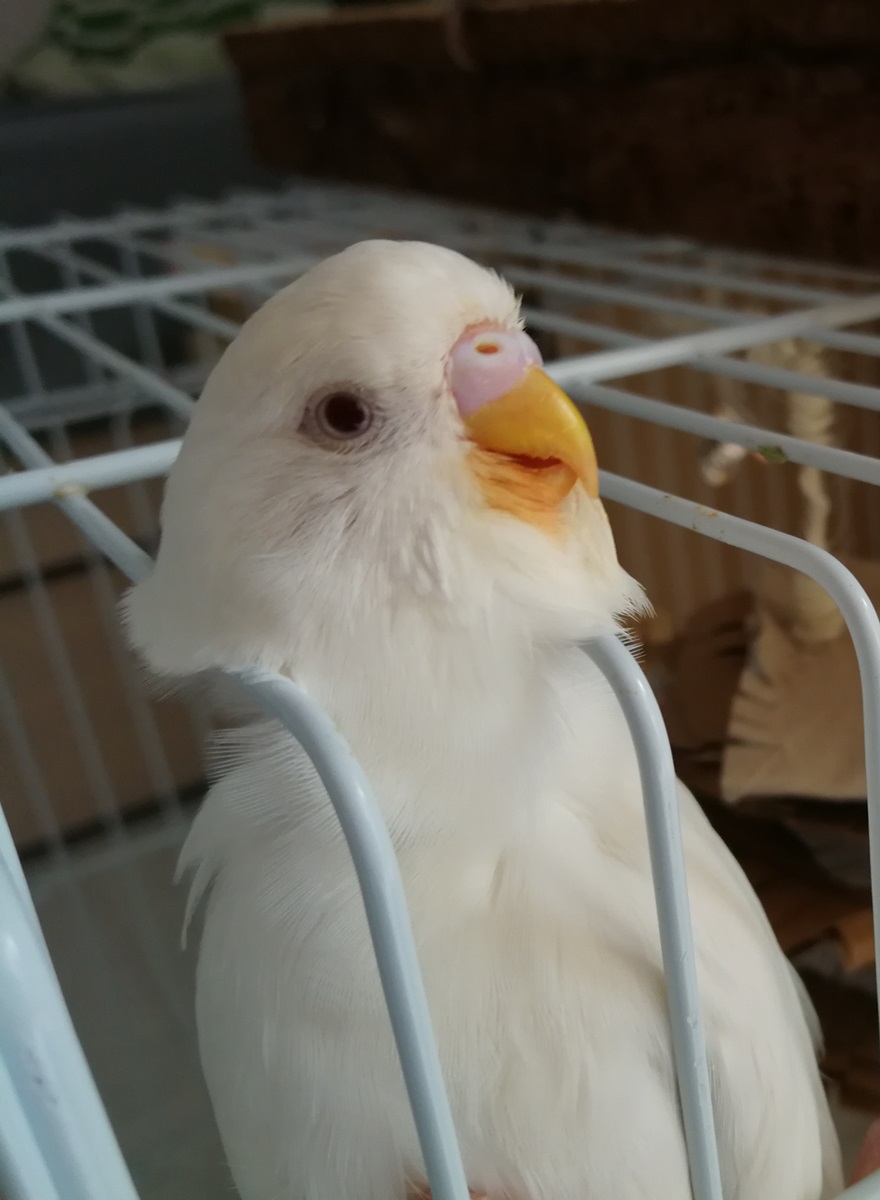
The primary sanctuary of the captive parrot—its enclosure—requires rigorous structural evaluation to ensure it does not inadvertently become a source of physical trauma or physiological decline. When selecting an avian enclosure, bar spacing must be meticulously calibrated to the specific physiological dimensions of the species housed. Enclosures featuring excessively wide bar spacing present a severe entrapment hazard, wherein a curious bird may successfully push its head through the aperture, subsequently becoming wedged and suffering asphyxiation or cervical trauma if unable to retract. Furthermore, structural materials must undergo routine examination for structural degradation. Corroded welds, peeling paint, and rust compromise the integrity of the enclosure and expose the occupant to toxic heavy metal ingestion. Parallel scrutiny must be applied to environmental enrichment devices and foraging toys. Research published in veterinary medical journals highlights that commercially marketed bird toys occasionally utilize substandard hardware, toxic paints, or unsecured loops of rope and chain that can entangle a bird’s limbs, mandibles, or digits, leading to localized ischemia or severe lacerations. Owners are instructed to systematically audit all toys, discarding items displaying excessive fraying, structural instability, or compromised hardware components.
Behavioral Enclosure Management, Aquatic Hazards, and Multi-Species Dynamics
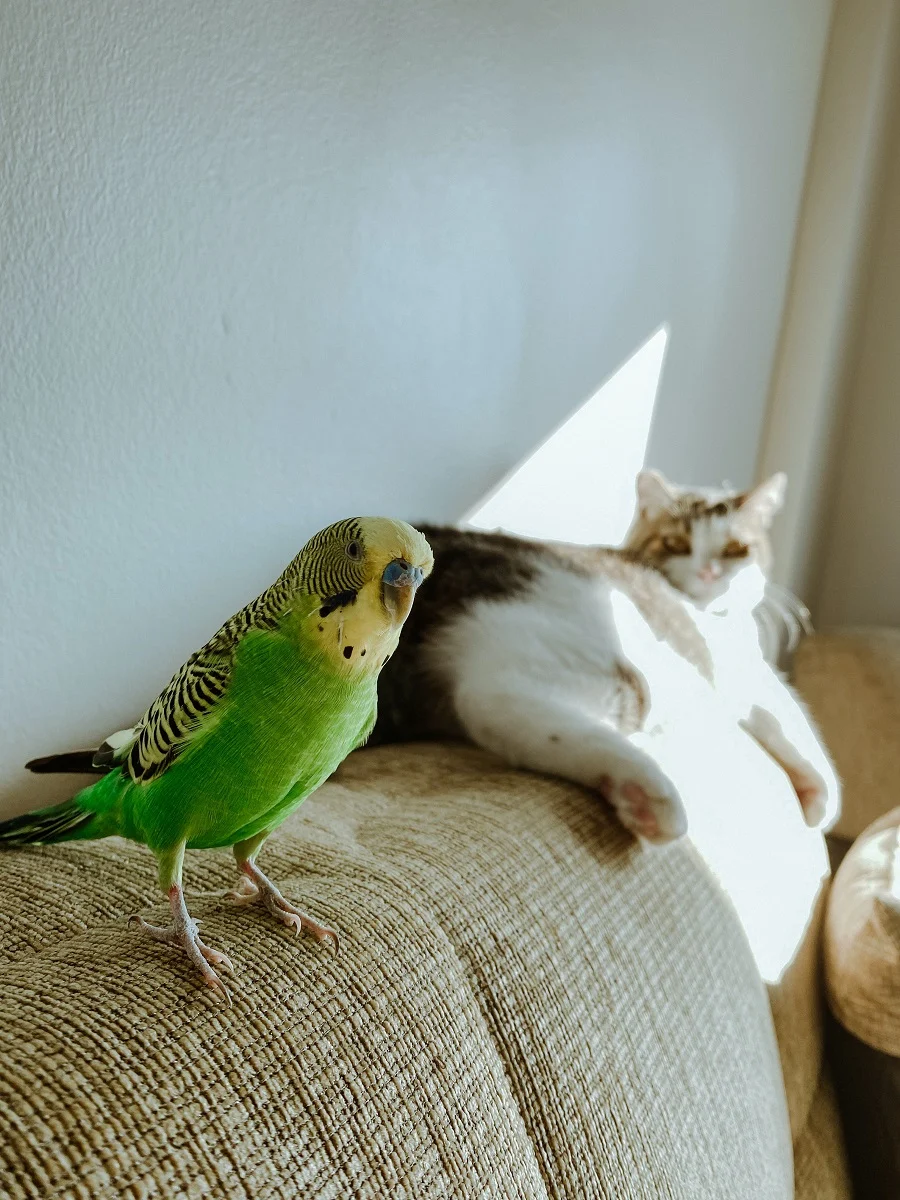
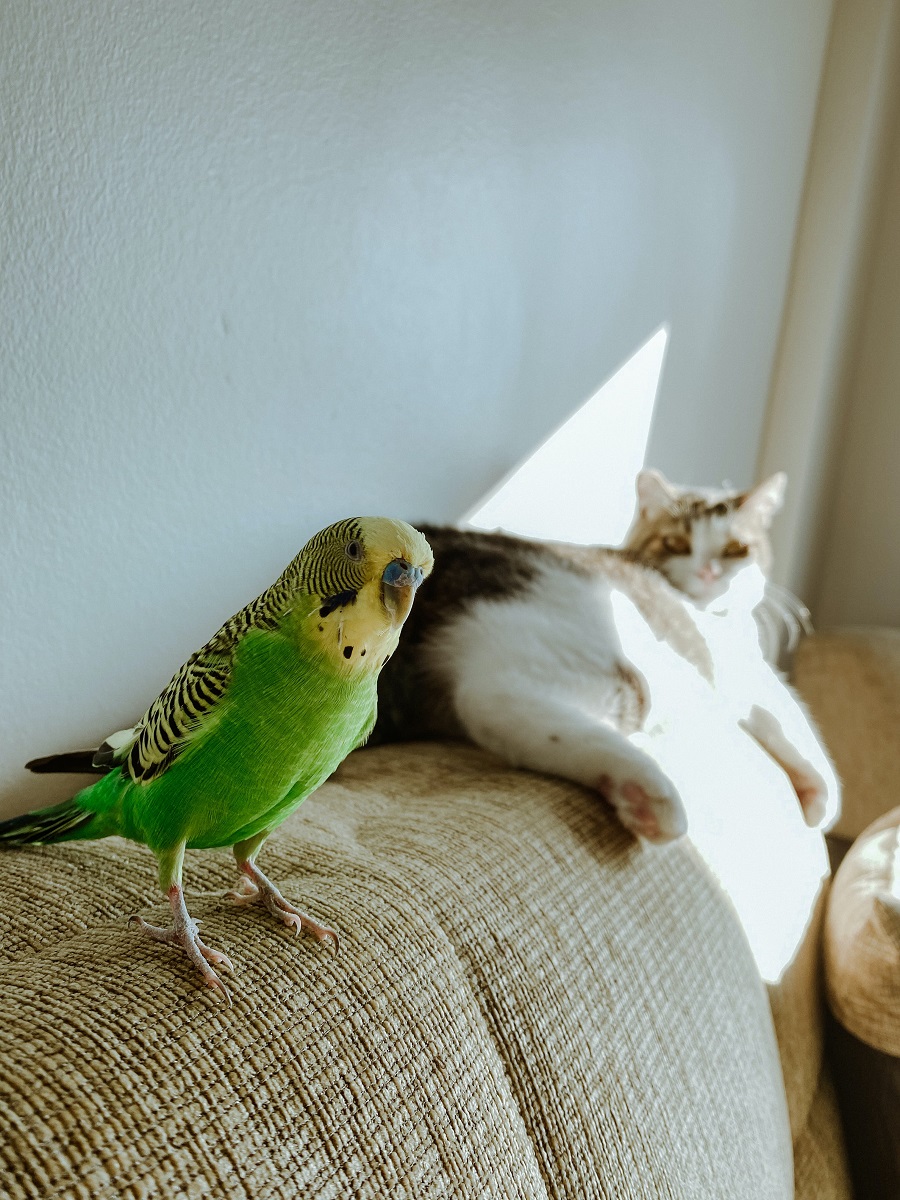
In addition to structural and chemical safety audits, behavioral imperatives related to territoriality and nesting instincts demand proactive environmental control. During hormonal cycles, captive parrots exhibit an intense evolutionary drive to seek out dark, enclosed spaces that mimic natural tree hollows. Unmonitored access to the undersides of furniture, deep desk drawers, dark closets, or tight spaces behind major appliances can result in birds becoming permanently trapped or accidentally crushed when furniture is repositioned. Water safety represents another critical domestic consideration; due to their inquisitive nature and lack of buoyancy control in deep water, unmonitored access to open aquatic environments—including uncovered toilets, aquariums lacking secure hoods, deep sinks, bathtubs, and large water-filled vases—frequently leads to rapid accidental drowning. Finally, inter-species household dynamics must be strictly regulated. Regardless of prior behavioral conditioning, the co-mingling of companion parrots with mammalian pets, including dogs, cats, ferrets, and domestic rodents, introduces unacceptable levels of biological risk. Veterinary epidemiologists note that even a minor, non-malicious scratch or playful swat from a domestic dog or cat introduces gram-negative bacteria from the predator’s saliva into the avian bloodstream, rapidly inducing fulminant septicemia and death within hours. Consequently, complete physical separation between avian pets and other domestic animals is mandatory during all out-of-cage exercises. Through the systematic implementation of these rigorous environmental controls, ongoing veterinary oversight, and heightened household vigilance, owners can establish a secure domestic ecosystem that promotes the longevity, health, and welfare of their companion parrots.

