


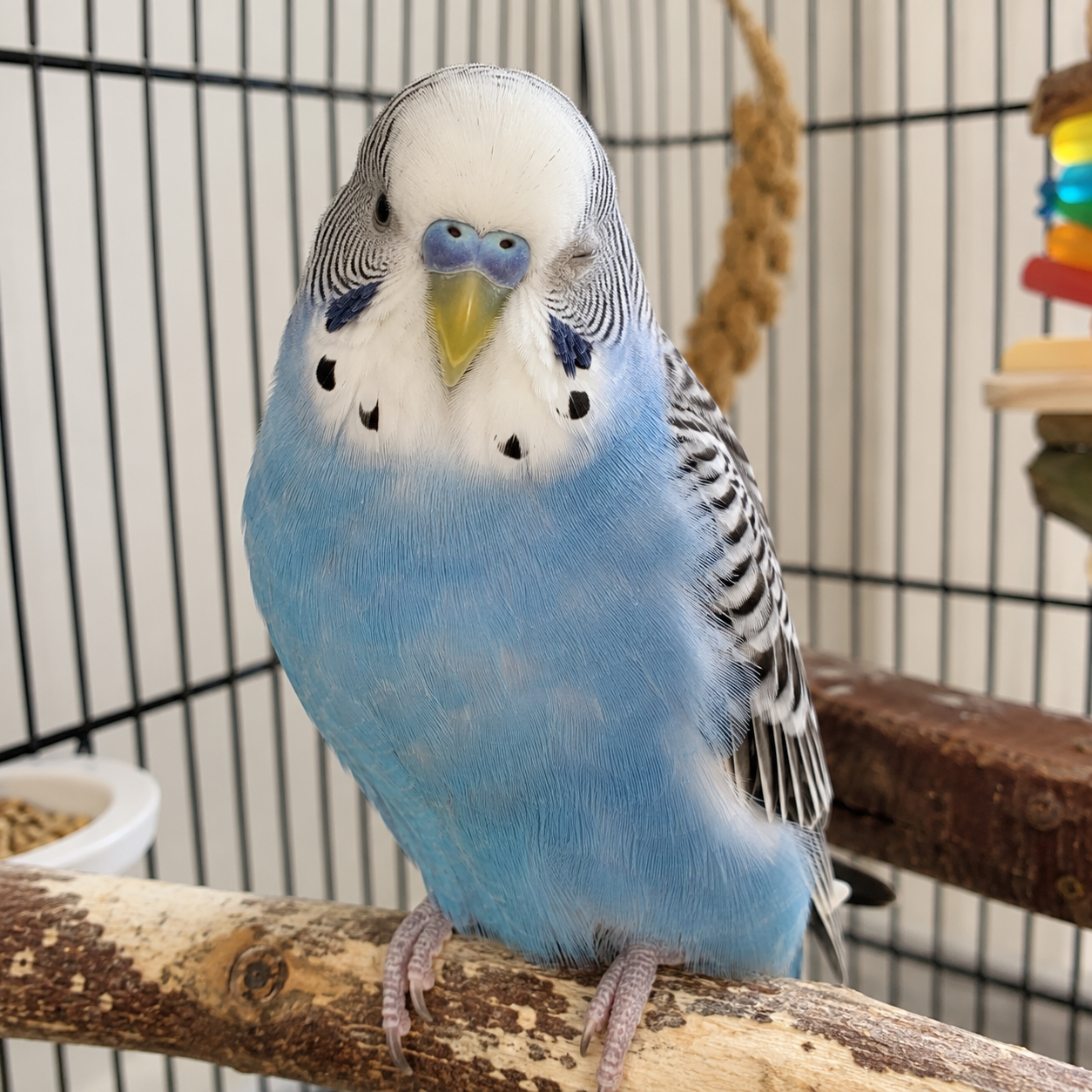
When a companion bird repeatedly closes one eye while awake, it is rarely a sign of simple fatigue. While casual observers might interpret this behavior as the bird being tired or merely resting, avian health experts emphasize that consistent one-eye closure is a significant clinical indicator of discomfort, pain, or underlying physiological distress. Because birds are prey species—an evolutionary trait that compels them to mask signs of illness to avoid predators—subtle changes in behavior, such as squinting or keeping one eye shut, are often the first, and sometimes only, visible clues that a medical intervention is required.
The Physiology of Avian Vision and Discomfort
Birds possess highly developed visual systems, but their eyes are also remarkably exposed and vulnerable to environmental factors. Unlike mammals, which can blink to clear debris, a bird’s eye is susceptible to a wide range of irritants, including household dust, aerosolized chemicals, and even microscopic feather dander. When a bird keeps one eye closed, it is a protective, reflexive response to localized irritation or inflammation.
From a clinical perspective, ophthalmological issues in psittacines and other pet birds fall into three primary categories: mechanical irritation, traumatic injury, or secondary symptoms of systemic infection. Mechanical irritation, such as a stray seed hull or a fiber from a nesting material, typically results in acute, localized distress. Conversely, systemic issues, such as respiratory infections or sinus inflammation, often present as eye issues because the avian sinus system is anatomically intertwined with the ocular orbit. When the sinuses become inflamed due to bacterial, fungal, or viral pathogens, the resulting pressure can cause the eyelid to swell or stay closed.
Distinguishing Between Normal Rest and Clinical Symptoms
Understanding the distinction between normal behavioral patterns and pathological signs is the first step in avian home care. Under healthy conditions, a bird may briefly close one eye while resting, often as part of a routine grooming or settling process. In these instances, the bird remains alert to its environment, its plumage is smooth, and it resumes normal activity within seconds or minutes. There is no discharge, redness, or associated lethargy.
However, a concerning pattern emerges when the same eye remains closed or semi-closed while the bird is intended to be active. If the bird displays "unilateral blepharospasm"—the persistent, involuntary closing of one eye—it indicates that the ocular surface or the surrounding tissues are compromised. Clinical observation suggests that when this behavior is accompanied by rubbing the eye against perches, visible redness, or the presence of ocular discharge, the situation has moved beyond a minor annoyance to a potential medical emergency.
The Role of Environmental and Nutritional Factors
Data from avian veterinary practices indicate that many ocular issues are exacerbated by environmental quality. The respiratory and ocular health of a bird is directly linked to the air quality of its habitat. Chronic exposure to smoke, volatile organic compounds (VOCs) from cleaning agents, or non-stick cookware fumes can cause severe irritation to the delicate mucosal linings of the eyes and sinuses.
Furthermore, nutritional deficiencies play an understated role in the susceptibility of ocular tissues to infection. Birds maintained on a strict seed-based diet—which is often deficient in essential vitamins such as Vitamin A—frequently exhibit poor epithelial health. Vitamin A is crucial for maintaining the integrity of the mucous membranes that line the sinuses and protect the eyes. When these membranes are weakened due to poor nutrition, they become more prone to the secondary infections that cause swelling and, consequently, the one-eye closure that owners observe.
Clinical Chronology and Diagnostic Priorities
In a veterinary setting, the approach to a bird with a closed eye is methodical. Upon the initial presentation, an avian veterinarian will typically perform a physical examination to rule out foreign bodies. The chronology of the condition is essential: did the eye closure occur suddenly after a potential trauma, or did it develop gradually alongside sneezing or appetite changes?
If the closure is sudden, the clinician must rule out corneal abrasions, which can be caused by the bird colliding with cage bars or toys. These injuries are painful and can quickly become infected. If the closure is chronic or accompanied by respiratory sounds, the veterinarian will shift focus to the sinuses. Because the sinuses extend into the skull and around the eye, imaging—such as X-rays—may be necessary to assess the extent of the inflammation.
Diagnostic testing for such cases often involves:
- Ophthalmic staining: Utilizing specialized dyes to detect corneal scratches or ulcers.
- Cytology: Examining discharge samples to identify bacterial or fungal pathogens.
- Sinus irrigation or swabs: Culturing samples to determine the specific infectious agent.
- Complete Blood Counts (CBC): Assessing the bird’s overall immune response to determine if the issue is systemic.
Best Practices for Owners: What to Avoid
While waiting for a veterinary appointment, owners are strongly advised to adhere to a policy of "do no harm." A common error is the application of over-the-counter human eye drops or antibiotic ointments. Human medications are formulated for a different physiological pH and, in many cases, contain preservatives or ingredients that are toxic to birds. Using improper medication can effectively mask symptoms, delay proper diagnosis, and in some cases, cause chemical burns to the cornea.

Furthermore, owners should avoid any attempt to manually open the eye or remove suspected debris with tweezers or cotton swabs. The avian eye is extremely fragile; any physical manipulation can result in permanent damage, including rupture or globe trauma. The most effective action an owner can take is to provide a stress-free environment, keep the bird warm, and document the behavior for the veterinarian. High-resolution photos or short videos of the bird’s eye movements, posture, and respiratory rate can provide a veterinarian with invaluable diagnostic context that a verbal description cannot convey.
The Importance of Prompt Veterinary Intervention
The threshold for seeking professional care should be low. If a bird keeps one eye closed for an extended period, it is experiencing significant discomfort. In the avian world, where pain can quickly lead to shock, early intervention is the difference between a minor treatment plan and a critical, life-threatening situation.
The implications of ignoring these signs are severe. An untreated eye infection can spread to the brain or lead to permanent blindness. Similarly, respiratory distress related to sinus inflammation can lead to systemic sepsis. Given the high metabolic rate of birds, their condition can deteriorate in a matter of hours. Professional avian veterinary care ensures that the bird receives appropriate analgesia (pain relief) and targeted antimicrobial therapy, preventing the progression of what might have been a manageable condition.
Conclusion and Preventive Measures
The responsibility of an avian guardian is to monitor for shifts in behavior that deviate from the norm. While it is natural for a bird to close an eye during moments of deep relaxation, the persistence of this behavior during wakefulness is a signal that requires attention. By maintaining a clean environment, providing a nutrient-dense diet, and monitoring for subtle behavioral changes, owners can significantly reduce the risk of ocular complications.
Ultimately, if your bird shows a persistent preference for keeping one eye shut, it is not a temporary quirk—it is a cry for medical assessment. Engaging with an avian veterinarian early, documenting the history of the symptom, and avoiding amateur interventions are the most effective ways to ensure the long-term ocular and systemic health of your companion. If you are unsure whether an appointment is necessary, the safest course of action is to call an avian veterinarian for a consultation; it is always better to err on the side of caution when dealing with the delicate health of an avian patient.

