


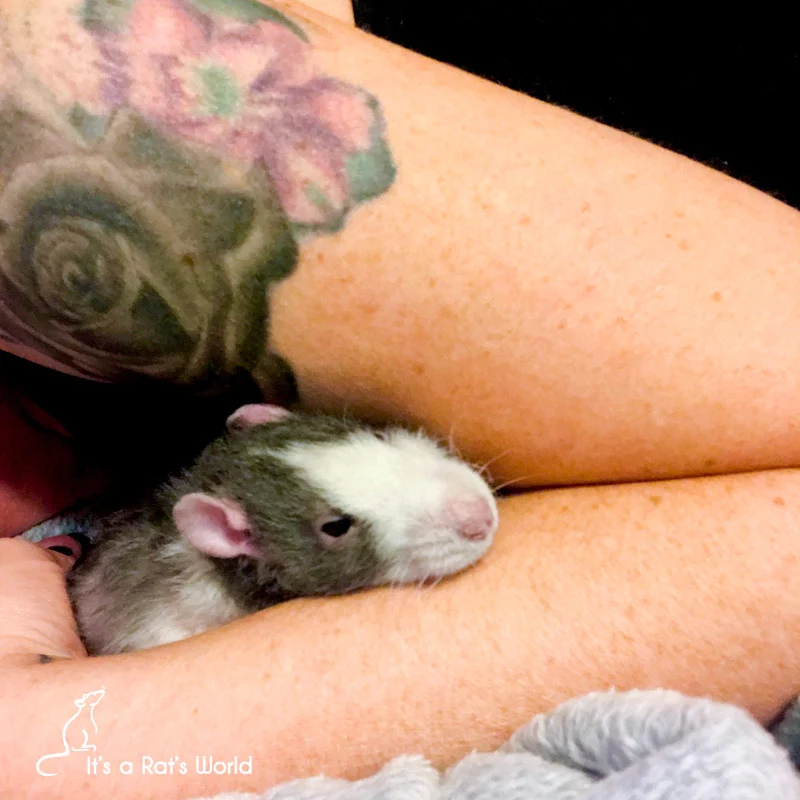
The domestic rat (Rattus norvegicus) has increasingly transitioned from a misunderstood laboratory subject to a cherished household companion, yet many new owners struggle to bridge the gap between simple pet ownership and the formation of a genuine, reciprocal bond. While popular media often portrays these rodents as inherently affectionate, animal behaviorists suggest that a profound connection is not an accident of nature, but a result of deliberate, trust-based conditioning. For many, the experience of being "ratless"—a state described by enthusiasts as a distinct emotional void—highlights the unique psychological impact of the human-rodent dynamic.
Biological and Behavioral Context
To understand the complexity of the human-rat bond, one must first look at the evolutionary biology of the species. Rats are highly social, crepuscular, and neophilic animals. In the wild, their survival is predicated on maintaining tight-knit colonies and an acute awareness of environmental threats. When domesticated, this survival instinct manifests as a cautious, often skittish, initial reaction to human interaction.

Research in veterinary behavior indicates that rodents possess sophisticated cognitive capabilities. A study published in the journal Science demonstrated that rats exhibit "pro-social" behavior, meaning they are capable of empathy-driven actions, such as releasing a trapped peer. This intrinsic social intelligence is the foundation upon which human-rat bonding is built. Unlike solitary pets, which may view owners primarily as providers of sustenance, rats seek out complex social structures. When they are deprived of these connections, they often exhibit signs of depression or lethargy, mirroring the emotional distress sometimes observed in their human counterparts.
Chronology of Trust: The Foundation of Connection
Establishing a bond with a rat is a multi-stage process that typically spans several weeks to months. The chronology of this relationship development is generally divided into three phases:
- Acclimation (Days 1–14): During this period, the animal is adjusting to new sensory inputs—smells, sounds, and the presence of humans. Behavioral experts emphasize "passive presence," where the owner remains near the enclosure without forcing contact.
- Engagement (Weeks 3–8): The animal begins to associate the owner with positive stimuli. This is characterized by the cessation of defensive behaviors, such as freezing or retreating to a hideaway.
- Bonding (Ongoing): The final stage involves reciprocal interaction. This is when the rat actively seeks physical proximity, displays "grooming" behavior toward the human, or exhibits excitement (often through "boggling"—a rapid vibration of the eyes—or "bruxing," the grinding of teeth) upon the owner’s arrival.
The Role of Positive Reinforcement and Environmental Enrichment
The transition from a nervous, reactive animal to a confident companion is almost entirely dependent on the strategic use of positive reinforcement. Data from animal training specialists suggests that food-based reinforcement is the most efficient method for trust-building. By consistently using a specific vocal cue—a high-pitched phrase or a distinct tone—to signal the arrival of high-value treats, owners can create a classical conditioning response.
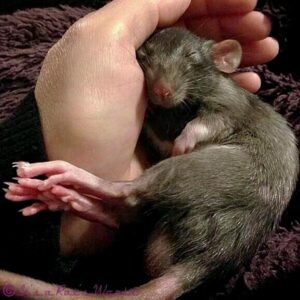
Furthermore, environmental enrichment is a critical factor in long-term bonding. Experts suggest that "free-ranging," or allowing rats to explore a secure, human-supervised area for at least one to two hours daily, facilitates a change in the power dynamic. When a rat is allowed to venture into the owner’s personal space (such as a lap or shoulder) voluntarily, the animal perceives the interaction as a choice rather than a capture. This sense of agency is paramount; when a rat feels safe and empowered, their willingness to engage with their human increases exponentially.
Personality Profiles and Individual Differences
Not every rat will display the same level of extroversion. Breeders and behavioral researchers categorize pet rats into three general personality archetypes:
- The Extrovert: These individuals are bold, display low neophobia (fear of new things), and often seek human contact within minutes of introduction.
- The Introvert/Cautious: These rats require extensive, patient, and repeated exposure to human stimuli. Their progress is slower, but the bond formed is often deeply rooted in established safety.
- The Independent: These rats may form a bond with their owner but prioritize exploration or cage-mate interaction over direct physical handling.
Recognizing these archetypes is vital for the owner’s mental well-being, as it prevents the misinterpretation of natural personality traits as a "failure" of the owner. Experts note that even "tolerant" behavior—where a rat accepts a human’s presence without fear—is a significant achievement in the life of a previously traumatized or shelter-rescued animal.
The Human-Animal Health Nexus
The implications of the human-rat bond extend beyond the emotional satisfaction of the pet owner. The "One Health" concept, which acknowledges the interconnectedness of human and animal welfare, underscores the physiological benefits of such relationships. The act of petting or stroking a rat has been shown to lower heart rates and stimulate the release of oxytocin, a hormone associated with social bonding and stress reduction.
For the owner, the daily ritual of interacting with a rat—talking to them, providing enrichment, and observing their unique behaviors—serves as a grounding exercise. This relationship provides a consistent, non-judgmental presence that can be particularly beneficial for individuals living in urban environments where traditional "outdoor" pets might not be feasible.
Broader Implications and Best Practices
As the popularity of keeping rats as companion animals grows, there is a mounting push for better public education regarding their social needs. Many shelters report that rats are often surrendered because owners did not realize the time commitment required for socialization. A common misconception is that rats are "low-maintenance" animals that can be left alone in a cage for long periods.

Veterinary professionals and rescue organizations advocate for a standard of care that includes:
- Group Housing: Rats are obligate social animals; keeping them singly can lead to significant psychological distress.
- Daily Interaction: At least one hour of dedicated, out-of-cage time is recommended for maintaining social health.
- Health and Hygiene: Consistent, gentle handling is also necessary for the owner to perform routine health checks, such as monitoring for respiratory issues or tumors, which are common in the species.
Ultimately, the bond between human and rat is a testament to the adaptability of both species. By honoring the animal’s need for safety and autonomy, and by providing a consistent, enriching environment, owners can unlock a sophisticated level of companionship. The process requires patience, an understanding of feline or canine-like expectations—which do not apply here—and a willingness to learn the language of a small, highly intelligent creature. When successful, this relationship transcends the simple category of "pet," becoming a significant, life-enriching connection that leaves a lasting impact on both parties.

