


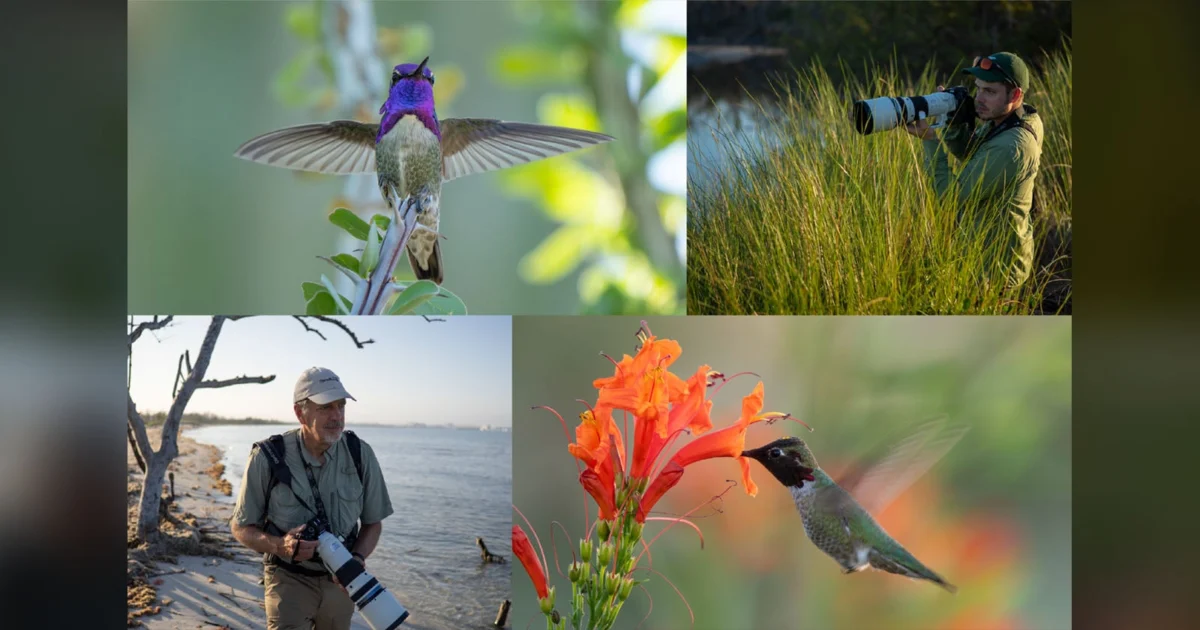
The Cornell Lab of Ornithology, in a continued strategic partnership with imaging giant OM System, has officially launched the second season of its acclaimed documentary series, Wild Birds Revealed. This project, which chronicles the intricate lives of avian species through the lenses of world-renowned wildlife photographers Tim and Russell Laman, aims to blend high-fidelity cinematography with ornithological education. Following the success of the inaugural season, which highlighted the behaviors of Tree Swallows, Ospreys, and Atlantic Puffins, the new season shifts its geographical focus to the diverse ecosystems of Florida and Southern California.
A Cinematic Deep Dive into Avian Behavior
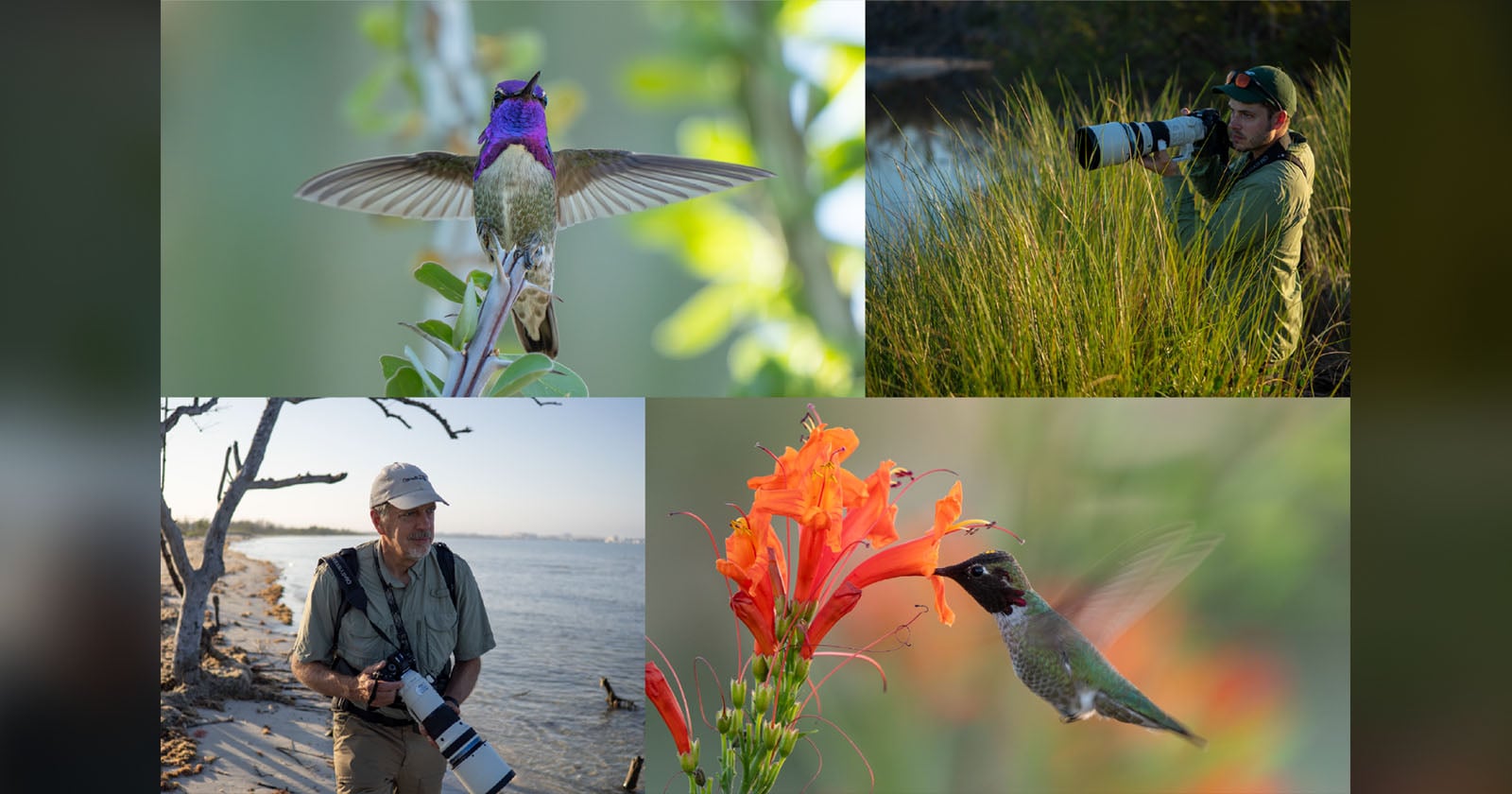
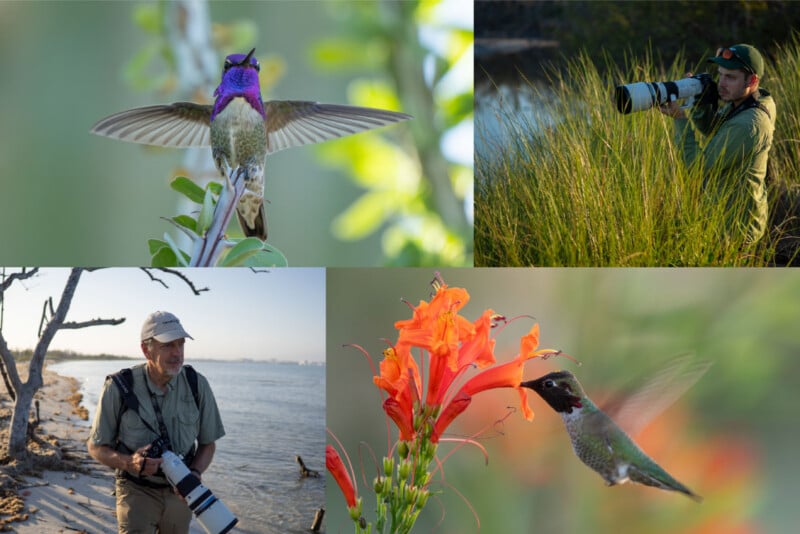
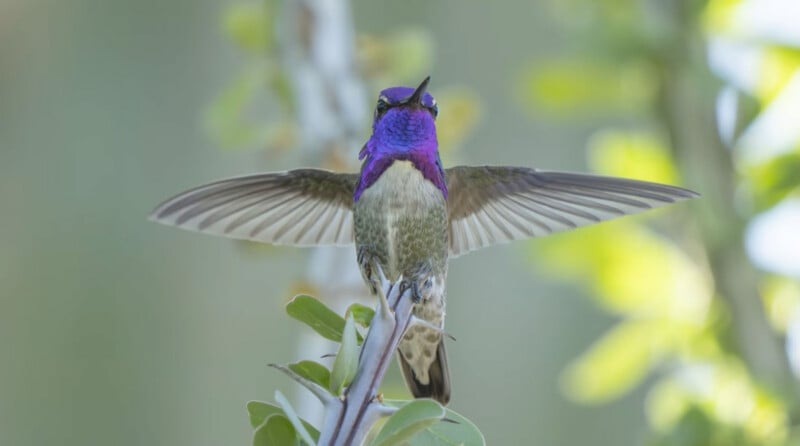
The first episode of the new season is currently available to the public and centers on two iconic residents of Southern California: the Anna’s Hummingbird and the Costa’s Hummingbird. Utilizing the advanced high-speed capture capabilities of OM System camera equipment, the Laman duo documents these birds with a level of detail that standard observation often misses. The footage employs slow-motion cinematography to deconstruct the complex mechanics of hummingbird flight, specifically focusing on the unique wing-beat patterns that allow these birds to remain stationary in mid-air.
Beyond mere aesthetic documentation, the series is designed to serve an educational function. By pairing expert photography with scientific observation, the Cornell Lab of Ornithology seeks to demystify the behaviors of birds that are commonly seen in residential gardens but rarely understood in terms of their survival strategies and biological adaptations.
The Evolution of the Partnership
The collaboration between OM System and the Cornell Lab of Ornithology is part of a broader trend in the optics industry, where manufacturers increasingly seek to demonstrate the technical superiority of their gear through high-stakes, real-world field applications. For OM System—formerly Olympus Imaging—the partnership serves as a high-visibility test bed for its micro four-thirds sensor technology, which is highly regarded in the birding community for its portability and telephoto reach.
The timeline of this collaboration reflects a growing interest in long-form digital storytelling. The first season established a format that prioritized immersive, silent-style observation, focusing on the intimate details of nesting and foraging. With the transition into the second season, the production team has signaled a shift toward more complex, migratory-focused narratives, with the Laman team traveling extensively across North America to capture footage that requires significant patience and field expertise.
Technical Prowess in the Field
The choice of Tim and Russell Laman as the primary subjects of the series is a calculated decision by the Cornell Lab. Tim Laman, a biologist and photographer known for his extensive work with National Geographic, brings a professional scientific rigor to the project. The father-and-son team utilizes the latest OM System flagship cameras, which are designed to handle the rigorous demands of wildlife photography, including rapid-fire burst modes and AI-powered subject detection, which has become a standard requirement for tracking erratic, fast-moving subjects like hummingbirds.
According to technical specifications provided by the brand, the cameras used in the series offer a significant advantage in weight-to-performance ratios. This allows photographers to maintain longer periods of observation in the field without the fatigue associated with traditional, heavier full-frame DSLR setups. For the viewer, this manifests as a series of shots that feel more personal and proximate, as the photographers are able to maneuver their gear into tighter, more secluded spots to capture behaviors that would be disrupted by more cumbersome equipment.
Official Perspectives on Nature Advocacy
The leadership at both organizations has expressed a shared mission: to cultivate a deeper public appreciation for biodiversity through the power of visual media. Eiji Shirota, head of the OM System Business Unit at OM Digital Solutions Corporation, emphasized that the project is not merely a marketing exercise but a commitment to environmental awareness.
"We are delighted that, through this series, we can share the hidden lives of wild birds, the wonders of nature, and the joy of birdwatching with an even wider audience," Shirota stated in a recent release. "It is a source of pride that our systems were used to capture these moments, and we hope this inspires new encounters with the natural world."
Christian Camerota, the senior director of Integrated Marketing and Communications at the Cornell Lab, echoed this sentiment. He noted that the primary goal of the series is to bridge the gap between casual birdwatching and scientific conservation. "The best storytelling can help people see even familiar birds in a completely new way," Camerota remarked. "By combining singular imagery with the wonder of discovery, the series is designed to help deepen people’s love and understanding of birds and inspire them to help protect our natural world."
Broader Implications for Wildlife Photography
The release of the second season comes at a time when bird photography has seen a massive surge in popularity. Data from various photography forums and industry sales reports suggest that amateur interest in birding has increased significantly since 2020, driven in part by a desire for outdoor activities that are socially distanced and intellectually stimulating.
However, the field of bird photography carries its own ethical implications. As more enthusiasts venture into the field, organizations like the Cornell Lab have been proactive in emphasizing "ethical birding." This involves maintaining proper distances, avoiding the use of playback calls that might disrupt nesting patterns, and ensuring that the pursuit of the "perfect shot" does not come at the expense of the welfare of the wildlife.
By featuring professional, ethical practitioners like the Lamans, the series sets a standard for how modern photography should interact with the natural world. The collaboration serves as a model for how corporations and conservation institutions can work together to promote the responsible enjoyment of nature.
Future Expectations and Educational Resources
While the specific locations and species for the remaining three episodes of Season 2 remain under wraps, the industry expects a continued focus on North American biodiversity. The Laman team has hinted that the upcoming episodes will explore bird behaviors that are rarely captured on film, potentially involving complex social interactions or unique feeding rituals.
For those inspired by the cinematography of the series to begin their own journey into wildlife photography, the Cornell Lab of Ornithology and its partners often provide supplementary guides. Notably, the recent publication of "The Ultimate Beginner’s Guide to Bird Photography," developed in collaboration with OM System, offers a roadmap for newcomers. The guide, which features insights from long-time practitioner Ben Knoot, covers essential skills such as fieldcraft, exposure settings for moving subjects, and the importance of understanding bird behavior before attempting to photograph it.
As the series continues to unfold, it remains a focal point for the intersection of technology, art, and biology. By lowering the barrier to entry through high-quality educational content, the Cornell Lab and OM System are effectively turning the lens on the natural world, urging the public not just to watch, but to observe with purpose. The success of Wild Birds Revealed highlights a growing consensus: that in an era of digital noise, the quiet, focused study of nature remains one of the most compelling narratives available to the modern viewer.

