


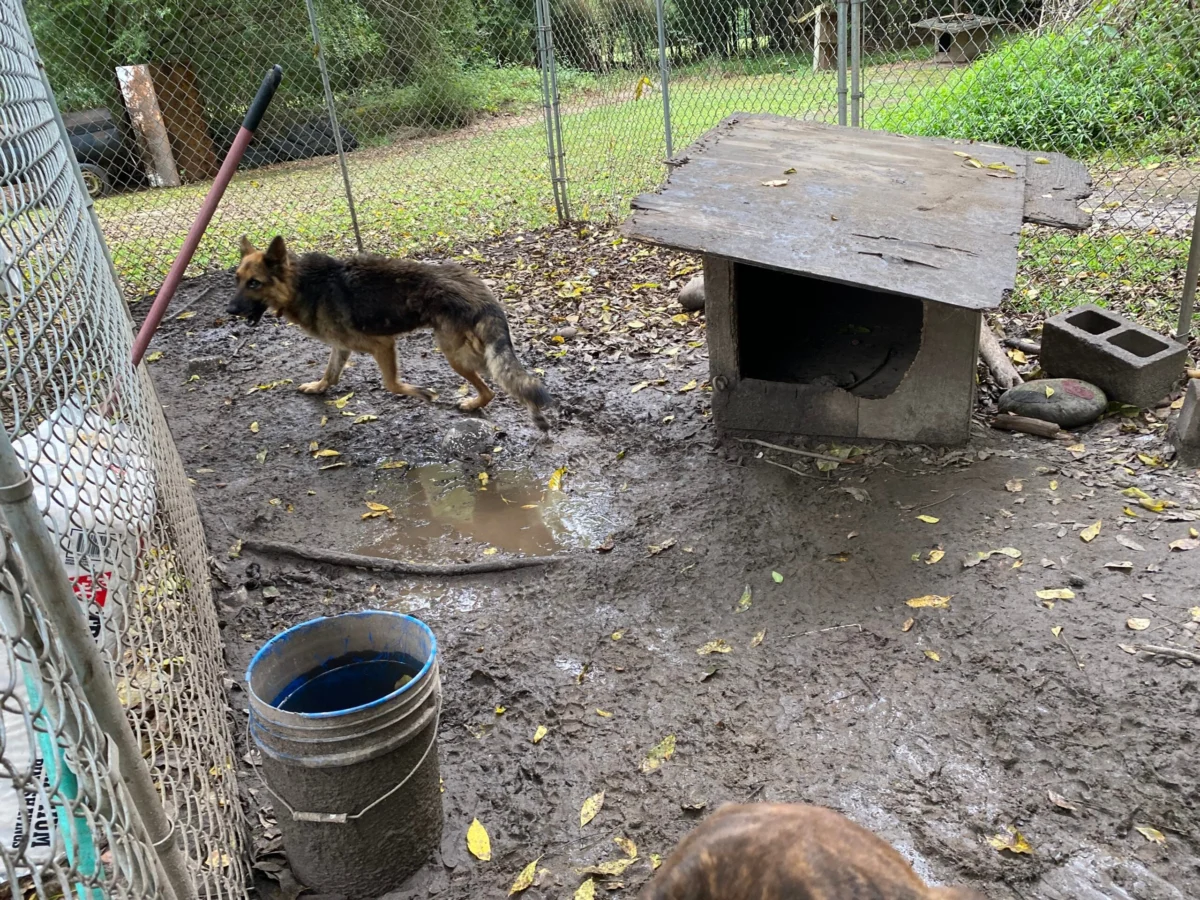
The rescue of a six-year-old German shepherd named Chief from a North Carolina property has cast a renewed spotlight on the unintended consequences of lenient adoption protocols and the realities of outdoor chaining. Once confined to a barren, waste-filled enclosure, Chief now resides in a foster home in Norfolk, Virginia, under the care of People for the Ethical Treatment of Animals (PETA). His journey from severe neglect to rehabilitation highlights systemic debates within the animal welfare community regarding "no-kill" shelter policies, the enforcement of tethering bans, and the critical need for rigorous post-adoption monitoring.
Background and Shelter Adoption Policies
Chief’s story began in 2020 when, at just seven months old, he was adopted from a municipal animal shelter in the Hampton Roads region of Virginia. He was placed with a resident in North Carolina. According to animal welfare advocates, the adoption took place under relaxed screening guidelines—sometimes characterized by critics as a byproduct of aggressive "no-kill" metrics prioritized by organizations such as the Best Friends Animal Society.
Critics of these volume-driven policies argue that when shelters place a primary focus on lowering euthanasia statistics, basic safeguards—such as thorough home checks, verification of living conditions, and follow-up visits—are occasionally compromised. In Chief’s case, the lack of post-adoption oversight allowed him to be kept isolated in an outdoor pen continuously, setting the stage for years of deprivation.
The Discovery and Years of Intervention
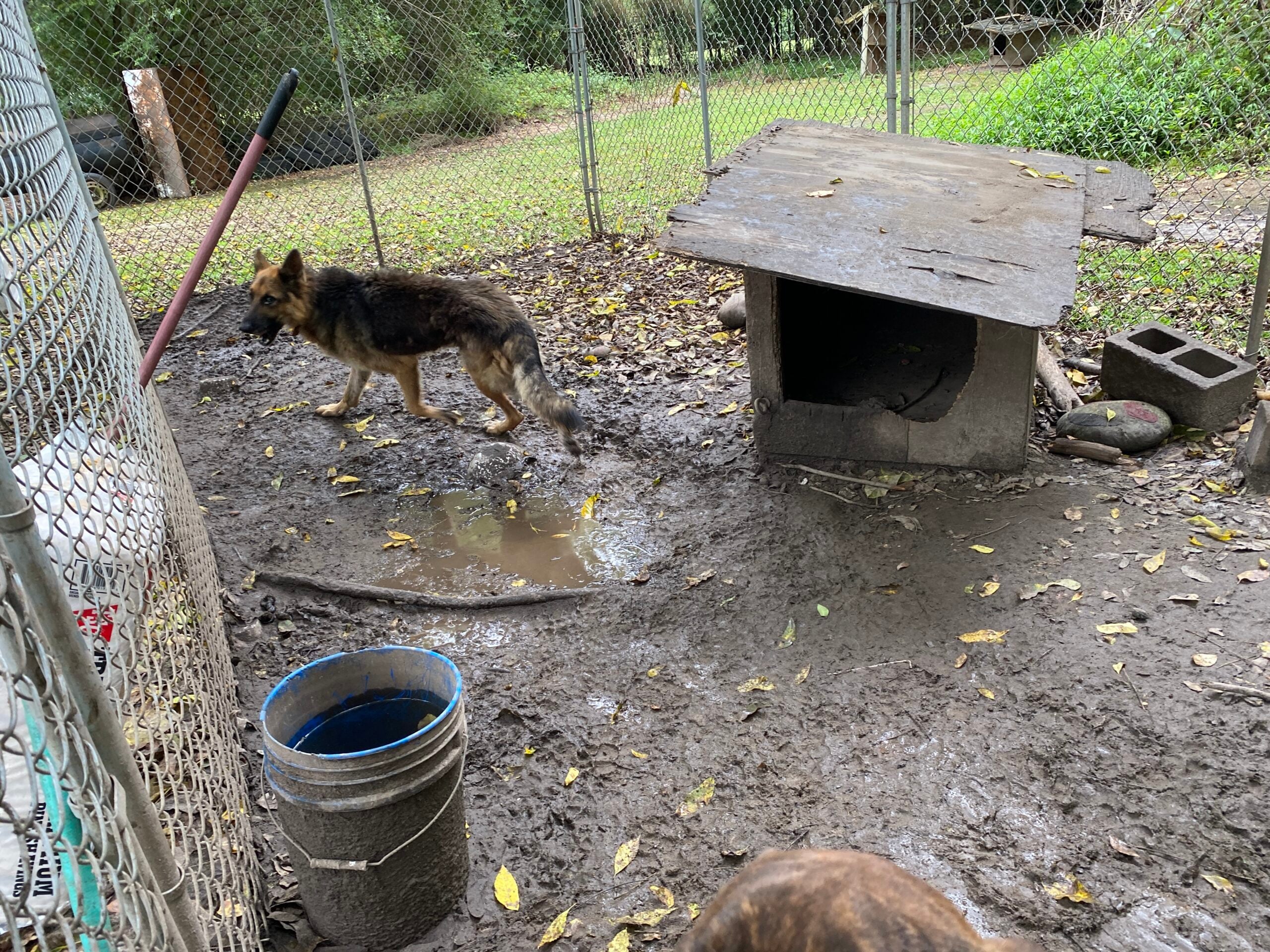
In 2021, fieldworkers from PETA’s Community Animal Project (CAP) discovered Chief during routine outreach in North Carolina. They found the young German shepherd trapped in a prison-like pen that team members later described as a waterlogged mud pit overflowing with waste and swarming with flies.
Initial attempts to secure Chief’s release and transfer him to an indoor home were rebuffed by his owner. Lacking the legal authority to immediately confiscate the animal due to local statute limitations and limited intervention from local animal control agencies, PETA’s field team initiated a long-term intervention strategy. Over the course of several years, outreach workers routinely visited the property to provide basic life-sustaining care. During the sweltering summer months, they supplied shade structures and flea preventative medications; during harsh North Carolina winters, they delivered insulating straw and ensured the dog had access to fresh, unfreezing water daily.
Despite the bleak environment, fieldworkers consistently noted Chief’s resilient and gentle disposition, describing him as a regal and affectionate animal despite his circumstances.
Chronology of the Case and Resolution
The turning point in Chief’s captivity arrived years later, prompted by declining health reported by his owner. Recognizing the worsening situation, CAP fieldworkers renewed negotiations for the dog’s surrender. Facing his own mounting health challenges, the owner ultimately agreed to relinquish ownership.
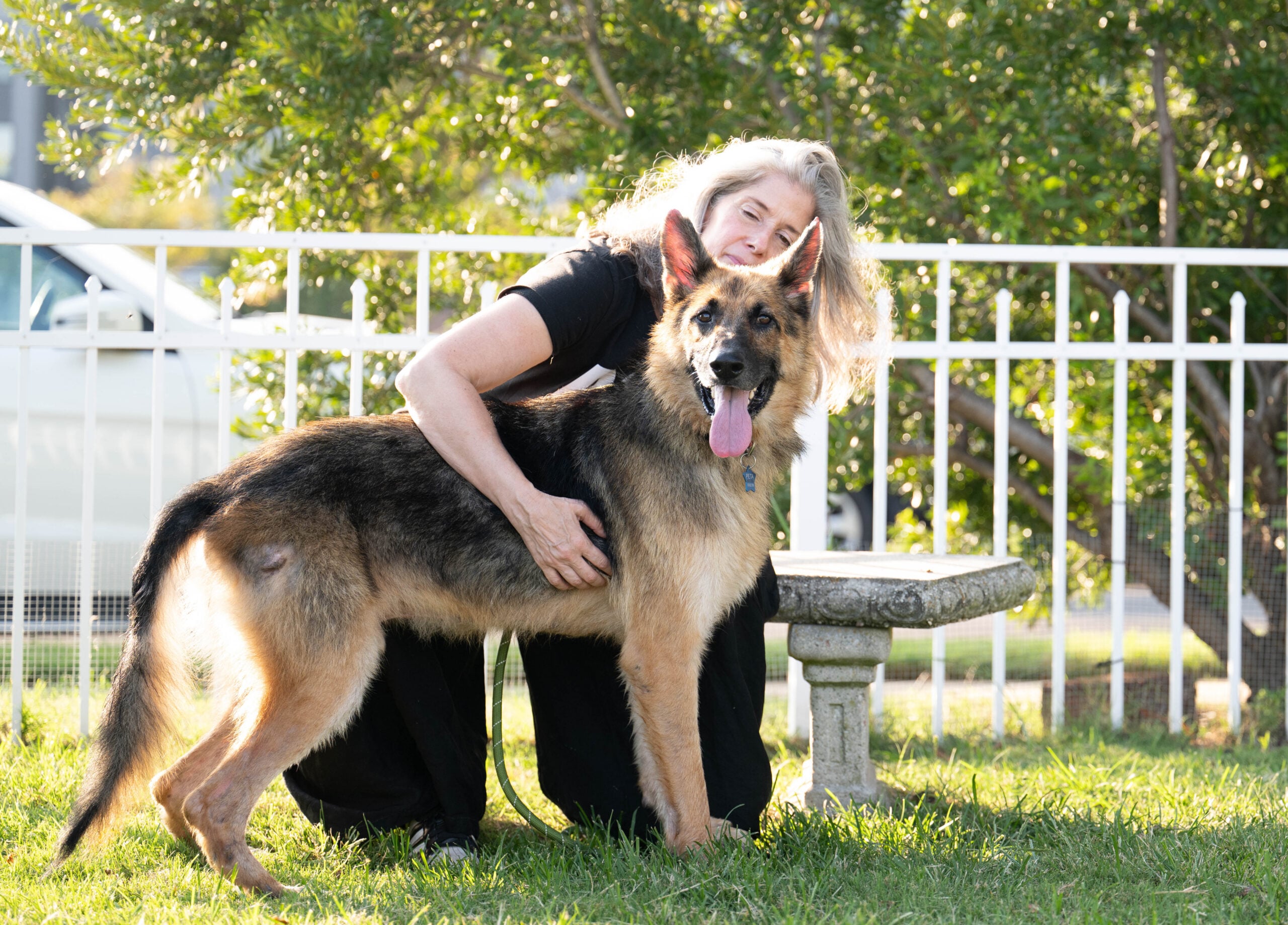
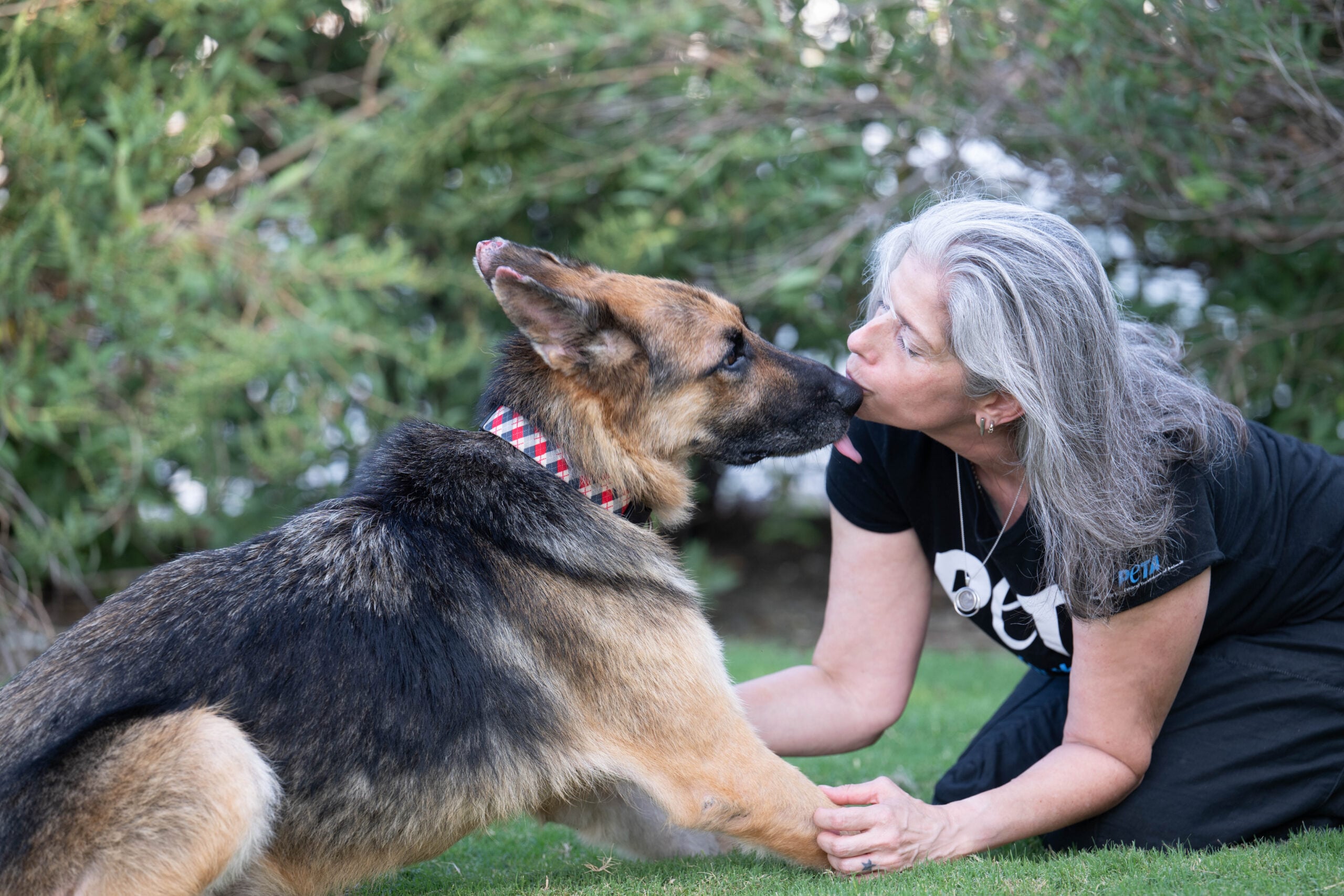
Upon his surrender, veterinary evaluations revealed that Chief had suffered years of cumulative neglect, including matted fur, skin irritations, and fly-strike wounds. Following comprehensive medical care, grooming, and vaccinations, the dog was transferred to a foster network in Norfolk, Virginia. He has since been introduced to a domestic environment featuring soft bedding, regular veterinary monitoring, and socialization opportunities with other dogs.
Broader Implications: The Debate Over "No-Kill" and Outdoor Tethering
Chief’s case underscores ongoing friction between differing philosophies in American animal sheltering. Proponents of "no-kill" philosophies argue that saving every treatable or adoptable animal from euthanasia is a moral imperative that maximizes life-saving outcomes. However, critics counter that without stringent placement criteria and post-adoption enforcement, vulnerable animals can inadvertently be placed in abusive or neglectful environments.
Furthermore, the incident highlights the pervasive issue of continuous outdoor confinement. Animal behaviorists and veterinarians widely agree that keeping social, intelligent breeds like German shepherds isolated outdoors 24/7 can lead to severe psychological distress, physical ailments, and stunted socialization. Numerous municipalities and states have enacted ordinances restricting or outright banning the continuous tethering of dogs, citing both animal welfare concerns and public safety risks.
Current Status and Adoption Outlook
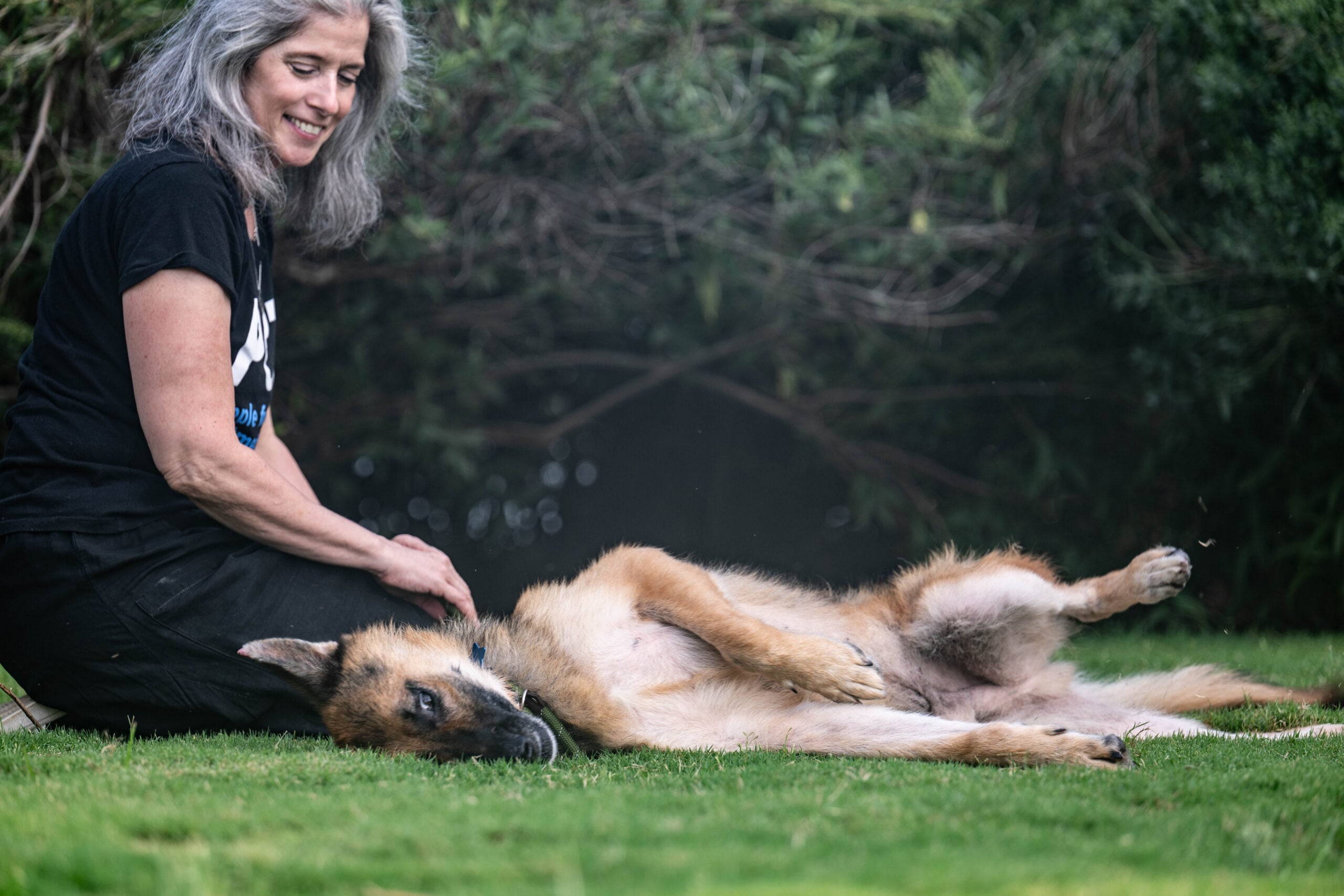
Chief, now weighing approximately 85 pounds and fully neutered and vaccinated, is officially classified as an adoptable pet through PETA’s community network. While he has demonstrated compatibility with other dogs during structured socialization, caregivers note that he prefers households without cats.
PETA representatives are currently screening potential adopters along the East Coast, seeking a home equipped to manage a large, energetic breed and committed to keeping him as an indoor family member. Inquiries regarding adoption applications and fostering procedures are being processed through the organization’s community outreach department.

