


The eastern rosella (Platycercus eximius) stands out as one of the most vividly patterned avian species in the Australasian region, celebrated globally by ornithologists and aviculturists alike for its striking coloration, adaptable nature, and engaging personality as an indoor pet. Indigenous to the southeastern regions of the Australian continent and the island of Tasmania, this medium-sized parrot has successfully transitioned from a localized woodland dweller to a recognized species of least concern on the International Union for Conservation of Nature (IUCN) Red List. Despite facing historical and ongoing conflicts with agricultural sectors due to its dietary preferences, the eastern rosella continues to thrive across varied landscapes, expanding its presence both naturally and through historical introductions in neighboring nations such as New Zealand.
Taxonomic Profile and Physical Characteristics
The eastern rosella belongs to the order Psittaciformes, family Psittaculidae, and the genus Platycercus, which encompasses the broad-tailed parrots native to Australia. An adult eastern rosella typically measures approximately 30 centimeters (12 inches) in length and maintains a steady weight of roughly 100 grams. Lifespan in captivity generally ranges between 20 and 30 years when provided with appropriate veterinary care, a balanced diet, and environmental enrichment.
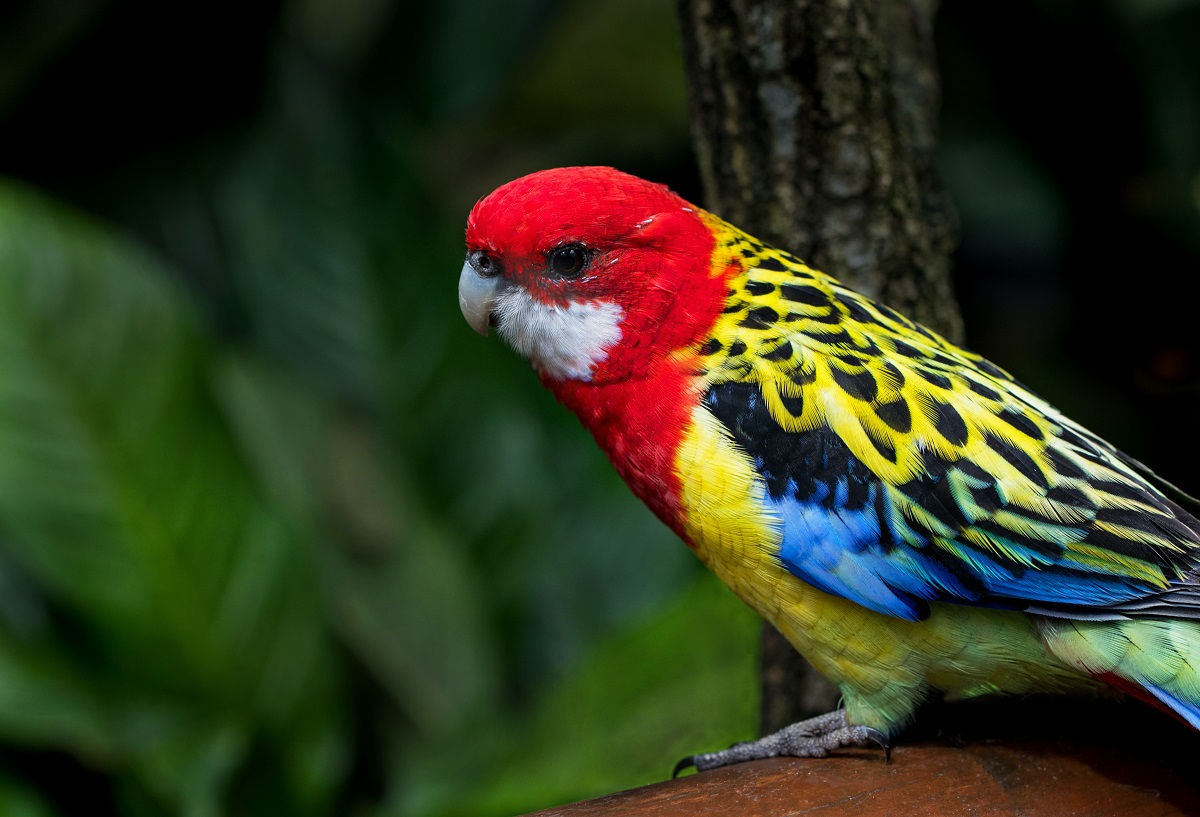
Visually, the species is unmistakable. It features a brilliant red head and upper chest, contrasting stark white cheek patches, and a gradient yellow-green belly and undertail region. The dorsal plumage consists of a green back with distinct scalloped yellow-green and black markings on the upper wing coverts. The undersides of the wings and the elongated tail feathers display varying shades of deep blue and green. Juvenile specimens exhibit a more subdued color palette until they undergo their initial molt, which typically occurs between two and six months of age; during this juvenile phase, their beaks also transition from a soft yellow to an adult white.
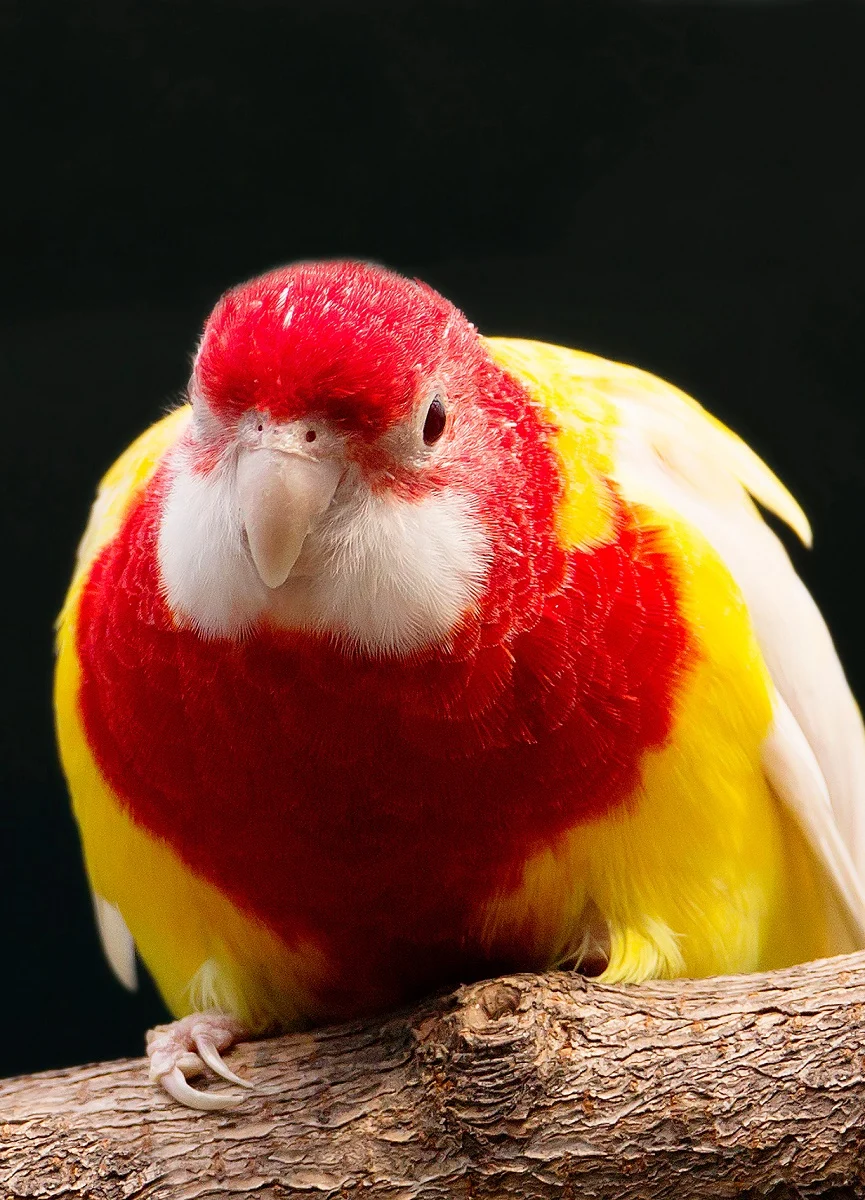
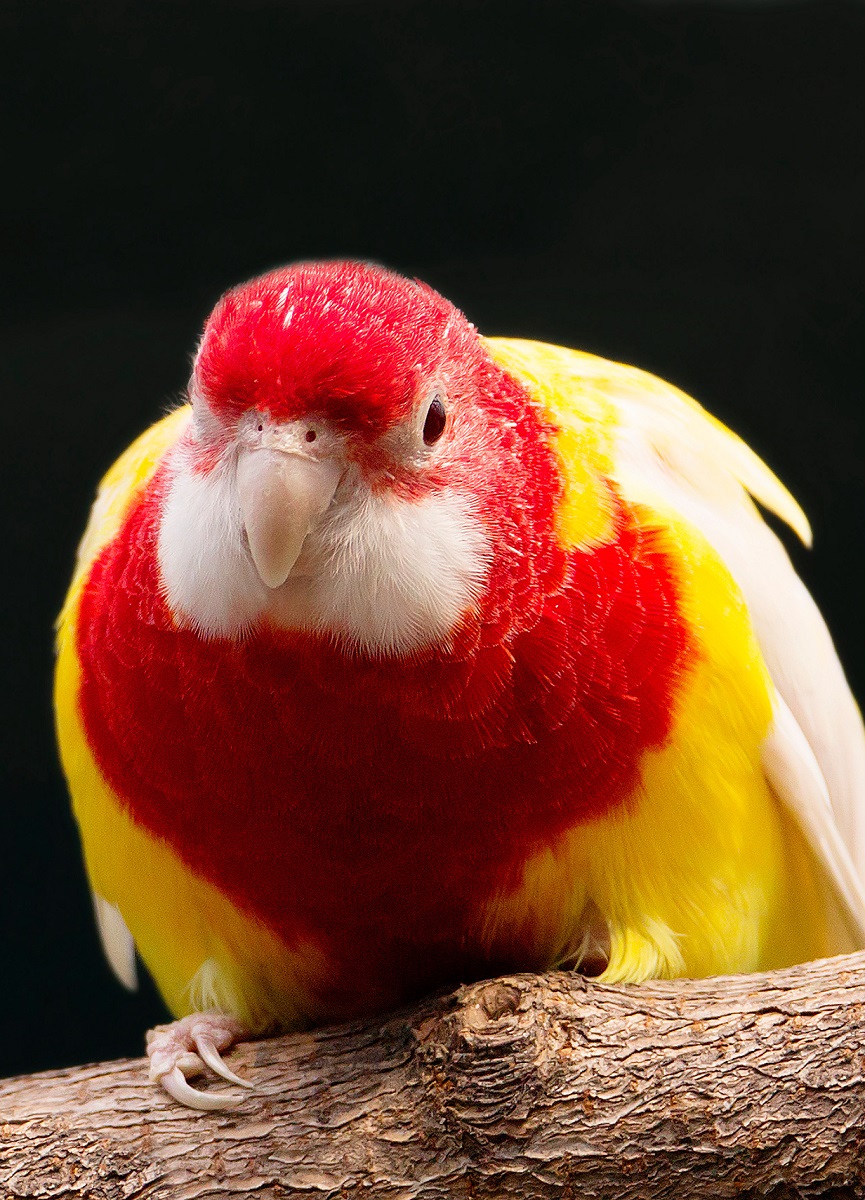
In addition to the nominate species, taxonomists recognize three distinct geographical subspecies, each characterized by minor variations in plumage and regional distribution across southeastern Australia. Furthermore, selective breeding within the aviculture trade has produced various color mutations, most notably the "Rubino" morph, which replaces standard green, blue, and black pigmentation with an intricate combination of red, yellow, and white. Hybridization is also documented within the wild, as overlapping habitats allow members of the genus Platycercus—specifically the eastern rosella, crimson rosella (Platycercus elegans), and pale-headed rosella (Platycercus adscitus)—to interbreed, producing visually striking hybrid offspring.
Natural Habitat and Geographical Distribution
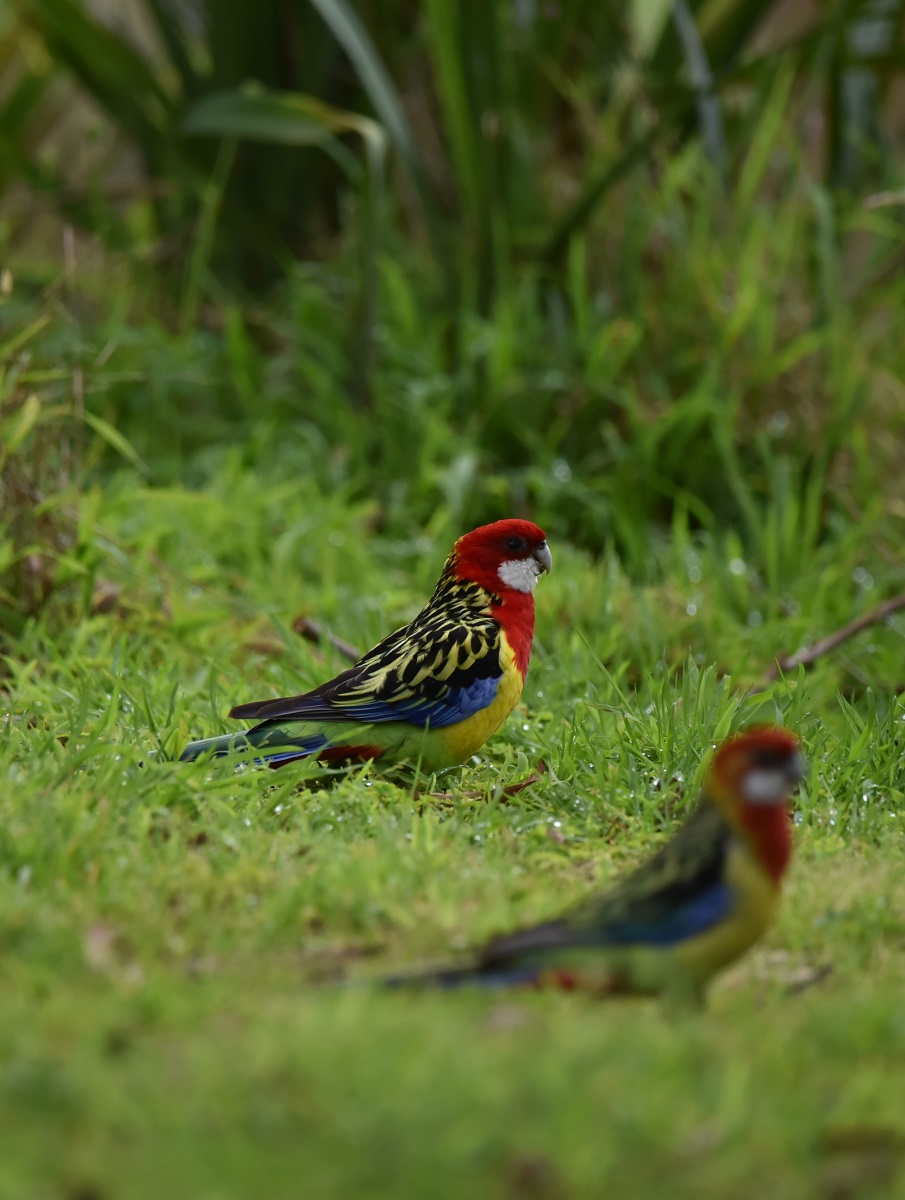
The natural range of the eastern rosella spans southeastern and eastern Australia, encompassing parts of Queensland, New South Wales, Victoria, South Australia, and the entirety of Tasmania. The species is highly adaptable, demonstrating a preference for lightly wooded environments, open forests, forest edges, riparian corridors featuring Eucalyptus stands, agricultural farmlands, and suburban parks. They are typically observed at low to moderate elevations up to 1,250 meters (4,100 feet), favoring regions with consistent access to fresh water sources and sufficient rainfall.
Beyond its native Australian range, the eastern rosella is established as an introduced species in New Zealand. These populations trace their origins back to the late 19th and early 20th centuries, resulting from a combination of accidental escapes from captivity—such as a notable incident in Dunedin where a damaged aviary released a dozen birds—and deliberate releases, including a documented shipment freed after entry was denied by the New Zealand Customs Department in 1910. Today, feral populations thrive in several regions of New Zealand, mirroring their ecological niche in Australia.
Dietary Habits and Agricultural Conflict
In the wild, the eastern rosella exhibits a granivorous and frugivorous diet, with a strong preference for grass seeds, thistle seeds, and seasonal fruits such as wild apples and berries. Field studies conducted by ornithologists indicate that their nutritional intake is further supplemented by floral components, including buds and blossoms, as well as occasional insect matter consumed during the breeding season.
This dietary reliance on seeds and soft fruits has historically placed the eastern rosella at odds with the agricultural community. As European settlement transformed the Australian landscape, the clearing of native forests for agriculture inadvertently favored the species, providing an abundant, year-round food supply in the form of cultivated crops such as maize, wheat, and orchard fruits. Consequently, farmers have long regarded the eastern rosella as an agricultural pest due to the damage inflicted on harvests and grain stores.
While the species is protected under Australian federal and state legislation, wildlife authorities issue specialized permits allowing agricultural producers to implement lethal control measures or culling protocols under strict regulatory oversight, provided that non-lethal deterrents have proven ineffective. Despite these localized conflicts, population models assessed by conservation groups indicate that the species’ overall numbers remain stable or are increasing, largely due to its high adaptability to human-modified landscapes.
Avicultural Care and Pet Suitability
While wild populations navigate ecological pressures, captive-bred eastern rosellas have earned a prominent reputation in aviculture, frequently kept both as aviary residents and indoor companion animals. Known for their high intelligence, independent demeanor, and moderate vocalization levels compared to larger parrot species, they appeal to bird enthusiasts seeking a visually striking pet that is less demanding in terms of constant physical contact than cockatoos or macaws.
However, proper care requires adherence to specific husbandry guidelines. Veterinarians specializing in avian medicine emphasize that captive rosellas cannot thrive on a seed-only diet, which often leads to nutritional deficiencies and hepatic lipidosis. A balanced nutritional regimen should feature a high-quality pelleted base, supplemented daily with fresh leafy green vegetables, root vegetables, and fruits offered several times a week. Additional enrichment foods, including sprouted seeds, cooked whole grains, and occasional protein sources such as boiled egg or freeze-dried insects, help replicate their diverse wild foraging habits.
Housing requirements dictate that indoor enclosures must be sufficiently spacious to accommodate the bird’s active flight patterns. Avian care standards recommend a minimum cage length of one meter (40 inches), featuring horizontal bar spacing not exceeding 1.25 centimeters (0.5 inches) to prevent accidental entrapment or escape. Because eastern rosellas possess high cognitive capabilities, environmental enrichment—including foraging toys, natural wood perches, and puzzle feeders—is essential to mitigate stress-induced behaviors such as feather plucking.
Conservation Outlook and Future Implications
The long-term conservation outlook for the eastern rosella remains highly secure. The IUCN Red List categorizes the species as of Least Concern, supported by its extensive geographic distribution, large total population size, and demonstrated resilience in the face of anthropogenic habitat alteration. Unlike many of its psittacine counterparts that suffer from severe habitat fragmentation and the illegal pet trade, the eastern rosella’s ability to exploit agricultural resources has buffered it against population declines.
Nevertheless, ongoing monitoring by wildlife management agencies remains critical, particularly regarding the management of agricultural conflicts and the regulation of captive breeding practices. As human development continues to reshape Australian ecosystems, the eastern rosella serves as a notable example of wildlife adaptation, maintaining its ecological presence while remaining a favored subject of study for ornithologists and a cherished companion within households worldwide.

