


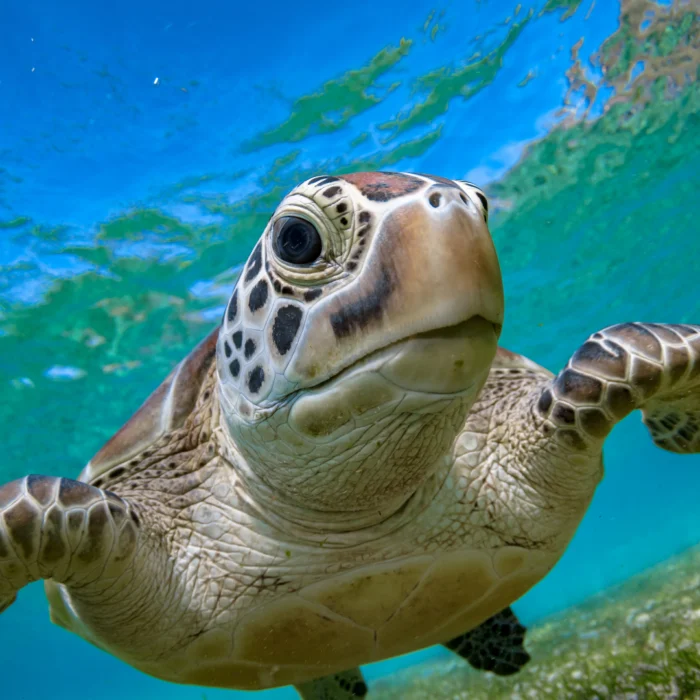
The specialized field of marine veterinary medicine faces a critical juncture as environmental pressures, anthropogenic trauma, and emerging disease pathologies increasingly threaten global sea turtle populations. To address these evolving challenges, Dr. Heather Barron, a Diplomate of the American Board of Veterinary Practitioners (Avian Practice) and a Certified Aquatic Veterinarian, is scheduled to lead a comprehensive, RACE-approved webinar on July 29, 2026. This professional development initiative, co-hosted by the Wildlife Disease Association, aims to standardize and elevate the clinical protocols required for the successful rehabilitation of Cheloniidae and Dermochelyidae families.
The Landscape of Marine Veterinary Rehabilitation
Sea turtle rehabilitation has transitioned from a niche area of wildlife rescue to a sophisticated discipline requiring a deep understanding of multi-systemic physiology. The upcoming webinar seeks to bridge the gap between field biology and intensive clinical care. Dr. Barron’s presentation will focus on the intricate regulatory framework that governs the handling of these species, as well as the specialized anatomical considerations that dictate therapeutic success.
For veterinarians and rehabilitation specialists, the primary barrier to effective care often lies in the unique metabolic requirements of sea turtles. The session will cover the legal complexities of state and federal permitting—a vital component for any facility operating under the Endangered Species Act—ensuring that practitioners maintain compliance while delivering life-saving interventions.
Clinical Diagnostic Protocols and Minimizing Patient Stress
One of the central tenets of the webinar is the optimization of diagnostic pathways. Sea turtles are notoriously sensitive to handling-induced stress, which can lead to rapid physiological deterioration. The curriculum emphasizes a systematic approach to the physical examination, integrating advanced imaging techniques, laboratory diagnostics, and non-invasive sample collection.
Diagnostic techniques discussed will include:
- Radiographic Interpretation: Understanding the coelomic cavity and the constraints imposed by the carapace and plastron.
- Hematological Analysis: Recognizing the nuances of sea turtle blood chemistry, which differs significantly from mammalian standards.
- Stress Mitigation: Implementing environmental controls during clinical procedures to prevent the exacerbation of pre-existing conditions.
By focusing on these areas, the session provides a roadmap for practitioners to perform high-level diagnostics without compromising the biological integrity of the patient.
Therapeutic Interventions: From Critical Care to Recovery
The rehabilitation of sea turtles often involves managing complex trauma, ranging from boat strikes and entanglement injuries to the debilitating effects of fibropapillomatosis—a neoplastic disease that remains a significant concern for green sea turtle populations worldwide. The webinar provides a deep dive into the supportive care required for these patients, focusing on fluid therapy, nutritional optimization, and the administration of analgesics and anesthetics.
The management of fluid therapy in aquatic reptiles requires an understanding of osmotic regulation, which is often compromised in injured or stranded individuals. Similarly, nutritional support must be tailored to the specific life stage and species of the turtle, whether it is an omnivorous juvenile or an adult specializing in jellyfish or seagrass consumption. The instruction provided by Dr. Barron will offer evidence-based guidelines for stabilizing patients in acute distress, ensuring that the transition from initial rescue to long-term rehabilitation is as seamless as possible.
Addressing Emerging Pathologies and Geriatrics
As rehabilitation centers see an increase in the number of sea turtles brought in for long-term care, the issue of geriatric health and chronic pathology has come to the forefront. The webinar will touch upon common, yet complex, conditions such as cardiomyopathy, arrhythmia, and endocrine dysfunctions like insulinoma.
Understanding these conditions requires a shift in focus from immediate trauma care to long-term disease management. Dr. Barron will provide insights into the laboratory markers indicative of hypoglycemia and systemic organ failure, allowing practitioners to make informed decisions regarding prognosis and end-of-life care. This forward-looking approach ensures that the veterinary community is prepared for the next decade of challenges in marine conservation.
Chronology of Conservation and Clinical Evolution
The history of sea turtle rehabilitation has evolved significantly over the last thirty years. In the 1990s, clinical focus was primarily restricted to superficial wound care and basic husbandry. By the early 2010s, the integration of advanced diagnostic imaging, such as CT and MRI, became more common in major sea turtle hospitals.
The current decade marks the era of molecular diagnostics and standardized international protocols. The collaboration between the Wildlife Disease Association and industry leaders like LafeberVet underscores a shift toward a unified, global standard for aquatic veterinary care. By aligning regulatory knowledge with clinical expertise, the veterinary community is effectively creating a more resilient safety net for endangered marine reptiles.
Regulatory and Ethical Implications
Operating a rehabilitation facility involves navigating a complex web of oversight. Practitioners must be aware of the National Marine Fisheries Service (NMFS) and U.S. Fish and Wildlife Service (USFWS) regulations. The webinar serves as a critical resource for clinicians to understand how to document findings, report mortality data, and manage the ethical implications of releasing rehabilitated animals back into the wild.
The professional impact of this training extends beyond the individual patient. By improving the success rate of rehabilitation, veterinarians contribute directly to the recruitment of turtles back into the breeding population. In the context of species like the leatherback (Dermochelyidae) or the Kemp’s ridley, every successfully rehabilitated individual represents a significant contribution to the genetic viability of the species.
Broader Impact on Marine Ecosystems
The health of sea turtle populations serves as an essential sentinel for the health of the broader marine ecosystem. Diseases like fibropapilloma are often linked to degraded water quality, rising ocean temperatures, and environmental pollutants. By training veterinarians to recognize and treat these conditions, the scientific community is better equipped to monitor the pulse of the oceans.
Furthermore, the data collected during rehabilitation—ranging from blood panels to nutritional uptake—feeds into large-scale conservation databases. This collaborative approach, where clinical data informs ecological policy, is the cornerstone of modern conservation biology. The webinar represents a vital link in this chain, ensuring that those at the front lines of animal care are equipped with the latest, peer-reviewed knowledge.
Conclusion and Future Outlook
As the marine environment continues to face unprecedented change, the role of the aquatic veterinarian becomes increasingly vital. Dr. Heather Barron’s webinar provides not only the technical skills necessary for day-to-day rehabilitation but also the broader contextual understanding required to navigate the complexities of marine wildlife medicine.
For participants, the opportunity to earn RACE-approved credits while engaging with cutting-edge research is invaluable. The session serves as a reminder that the health of our oceans is inextricably linked to the expertise and dedication of the veterinary professionals tasked with safeguarding the species that inhabit them. Through continued education and the sharing of best practices, the global community of veterinarians can ensure that sea turtles continue to thrive despite the anthropogenic challenges of the 21st century.
This initiative by LafeberVet and the Wildlife Disease Association highlights the necessity of professional, collaborative training in high-stakes fields. As practitioners prepare for the July 29 session, the emphasis remains clear: clinical precision, regulatory compliance, and a commitment to ongoing learning are the primary tools in the fight to protect the world’s endangered sea turtle populations.

