


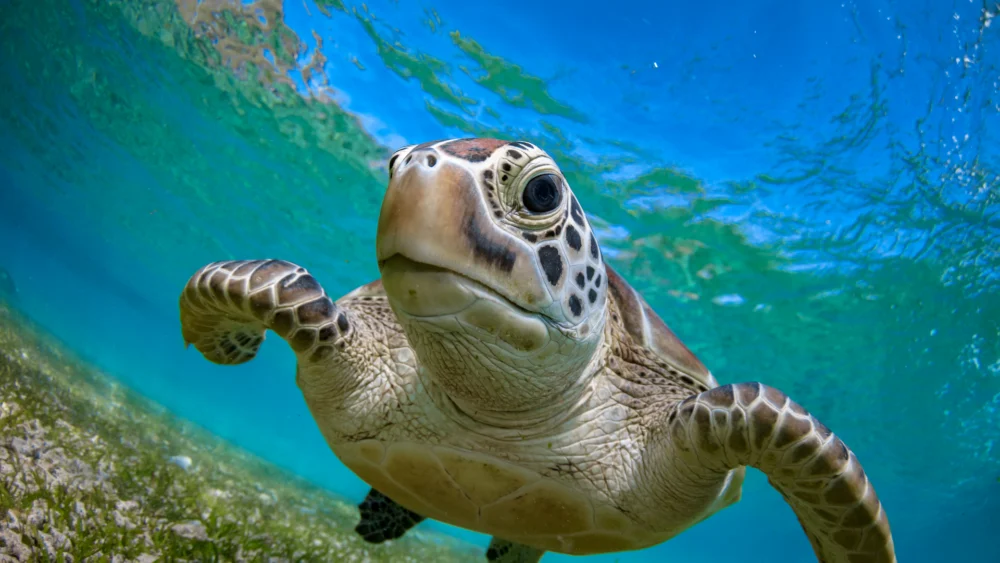
The clinical management of sea turtles has undergone a significant evolution as veterinary professionals refine their understanding of the physiology and pathology of these ancient marine reptiles. As of July 2026, the intersection of specialized veterinary medicine and environmental stewardship has become critical, given that all seven extant species of sea turtles are currently listed as either threatened or endangered under the U.S. Endangered Species Act. Dr. Heather Barron, a leading authority in the field and Chief Science Officer at the Loggerhead Marinelife Center in Juno, Florida, has recently outlined the sophisticated protocols necessary for the successful rehabilitation of these animals, emphasizing that effective intervention requires a rigorous approach to diagnostic precision and supportive care.
The Anatomy and Diagnostics of Marine Reptiles
Understanding the unique anatomy of sea turtles is the cornerstone of clinical success. The turtle shell, a complex structure of dermal bone derived from the vertebrae and pectoral-pelvic girdles, is covered by keratinized scutes. Clinical assessment of these animals begins with a comprehensive physical examination, which includes the documentation of core body temperature—a vital metric for assessing the impact of environmental stressors.
Diagnostics in sea turtles have moved beyond rudimentary assessments. Modern veterinary standards now include a minimum database consisting of advanced imaging—such as computed tomography (CT) and endoscopy—and comprehensive hematology. A critical nuance in laboratory practice is the preference for lithium heparin as an anticoagulant over EDTA, which is known to cause significant hemolysis in chelonian blood samples. Furthermore, clinicians are cautioned against over-testing, as sea turtles are highly sensitive to handling stress; diagnostic sequences must be prioritized to ensure that stable patients receive full evaluations while critical patients are stabilized first.
Critical Care Protocols and Therapeutic Interventions
Fluid therapy serves as the primary pillar of stabilization for rescued sea turtles. When treating dehydration or hypothermia, veterinarians now advocate for a staged approach. Immediate nutritional or pharmacological intervention is often delayed by 24 to 48 hours to allow for gradual rehydration and the restoration of normal metabolic function. This "slow-start" philosophy is particularly vital in cold-stunned cases, where rapid warming can lead to physiological shock.
Analgesia has also seen a paradigm shift. Pharmacokinetic research has demonstrated that anti-inflammatory drugs do not function uniformly across species; for instance, meloxicam has proven ineffective in loggerheads, whereas ketoprofen is the preferred agent for that specific species. The use of multimodal anesthesia—incorporating sedative combinations like dexmedetomidine, midazolam, and hydromorphone—has allowed for safer, more efficient surgical procedures, such as the removal of fibropapilloma tumors.
The Challenge of Anthropogenic Threats
The primary drivers for sea turtle strandings remain anthropogenic. In the post-hatchling demographic, often referred to as "washbacks," the ingestion of marine plastics occurs in over 95% of cases at major rehabilitation centers. These plastics cause internal blockages, nutritional deficiencies, and buoyancy abnormalities.
Buoyancy disorders, often caused by gas accumulation in the coelomic cavity or lungs, represent a major clinical challenge. While minor cases can be managed with careful aspiration of trapped gas, severe cases resulting from spinal injuries or chronic lung trauma often present a grim prognosis. In these instances, veterinary teams must weigh the feasibility of long-term care against the reality of a patient’s ability to thrive upon release. Euthanasia remains a somber but necessary tool when quality of life or the capacity to return to the wild is permanently compromised, requiring a delicate understanding of reptile physiology where heartbeat can persist long after brain death.
Nutritional Support and Refeeding Syndrome
One of the most complex aspects of sea turtle rehabilitation is the management of long-term starvation. When a patient has been anorexic for an extended period, the introduction of food must be handled with extreme caution to avoid refeeding syndrome. Research indicates that turtles experience a dramatic spike in insulin sensitivity after prolonged fasting; consequently, nutritionists now recommend starting patients at 50% of their calculated energy requirements. For patients requiring long-term assistance, esophagostomy tubes have become the gold standard, as they can remain in place for months and allow for the controlled delivery of nutrition and medication without the trauma of repeated force-feeding.
Chronology and Regulatory Landscape
The regulatory framework for sea turtle rehabilitation is strict. In the United States, practitioners must navigate a complex web of state and federal permits. This oversight ensures that rehabilitation efforts align with broader conservation goals. Since the early 2000s, the field has transitioned from informal rescue efforts to highly regulated, science-based rehabilitation centers.
The integration of continuing education, such as the programs approved by the American Association of Veterinary State Boards (AAVSB) Registry of Approved Continuing Education (RACE), ensures that practitioners remain updated on the latest research. Recent studies, including a 2024 investigation into the efficacy of blood filters and a 2025 optimization of cross-matching protocols for loggerhead and green sea turtles, highlight the rapid pace of progress in this medical specialty.
Broader Impact and Implications
The work performed in these clinical settings serves as a bellwether for the health of the broader marine ecosystem. Because sea turtles are highly migratory, the diseases and injuries they suffer—from boat strikes and hook ingestion to viral infections like fibropapillomatosis—provide researchers with invaluable data regarding ocean health.
The development of regional limb perfusion techniques and the refinement of antifungal treatments for specific pathogens like Caryospora sp. not only save individual lives but also contribute to the conservation of endangered populations. As human impact on coastal environments continues to rise, the role of the specialized wildlife veterinarian becomes increasingly vital. The shift toward evidence-based medicine, supported by rigorous pharmacokinetics and advanced surgical techniques, ensures that the rehabilitation of these species is as effective and humane as modern science allows.
Future Directions in Marine Veterinary Science
As the field looks toward the remainder of the decade, the focus is expected to remain on long-term outcomes. While surgical success and immediate stabilization are well-documented, the long-term fitness of released animals remains a critical area of study. Collaborations between research institutions and rehabilitation clinics are essential for tracking post-release survivability. By refining the standards of care—from the initial intake of a hypothermic washback to the final release of a rehabilitated juvenile—the veterinary community is playing an indispensable role in preventing the extinction of these iconic marine species.
The ongoing commitment to rigorous diagnostic standards, such as the use of indwelling tubes and specialized nutritional plans, signifies a maturing field. As more veterinary professionals gain access to this specialized training, the capacity to address the mounting pressures of environmental change on marine life will undoubtedly improve, providing a more robust safety net for the world’s sea turtles.

