


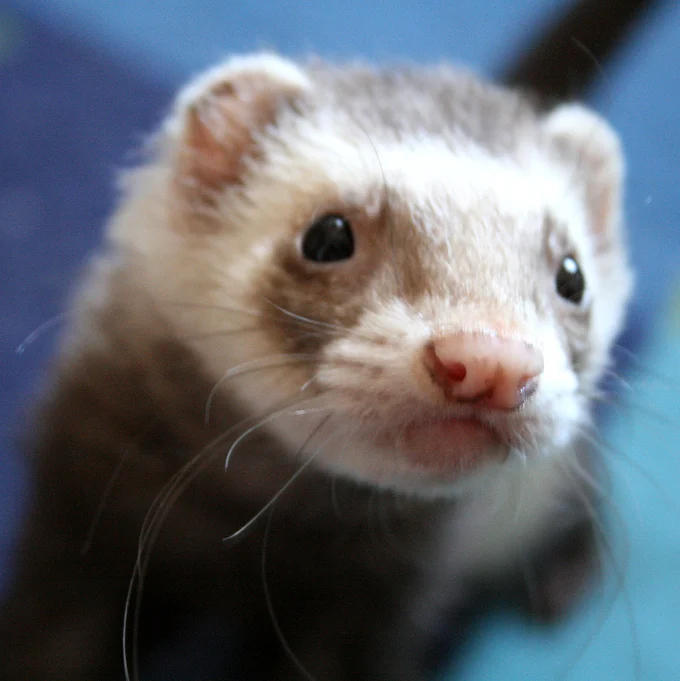
On March 18, 2026, LafeberVet announced the launch of an accredited continuing education (CE) program titled The Collapsing Ferret, authored by Dr. Cathy Johnson-Delaney. This initiative serves as a critical resource for veterinarians and veterinary technicians tasked with diagnosing and managing the acute collapse of domestic ferrets (Mustela putorius furo). The webinar, which has received formal approval from the American Association of Veterinary State Boards (AAVSB) Registry of Approved Continuing Education (RACE), provides one hour of CE credit and aims to standardize diagnostic approaches to some of the most common, yet life-threatening, geriatric conditions in exotic animal medicine.
Clinical Context and the Geriatric Ferret
The domestic ferret has become an increasingly popular companion animal, but as the population of captive ferrets ages, veterinary practitioners are encountering a rise in complex, multisystemic health issues. A collapse—defined as a sudden loss of postural tone and responsiveness—is a frequent presentation in emergency and general practice settings. Dr. Johnson-Delaney’s curriculum focuses on the intersection of metabolic and cardiovascular failure, specifically highlighting how aging affects the ferret’s ability to maintain homeostasis.
In geriatric ferrets, the clinical presentation of a collapse is rarely the result of a single, isolated factor. Instead, practitioners must navigate a differential diagnosis list that heavily favors insulinoma and cardiomyopathy. Insulinoma, a tumor of the pancreatic beta cells, leads to the overproduction of insulin, resulting in profound, episodic hypoglycemia. Conversely, cardiomyopathy represents a progressive weakening of the heart muscle, leading to poor systemic perfusion and potential syncope. These conditions frequently coexist in older ferrets, complicating both diagnosis and long-term management strategies.
Chronology of the Educational Initiative
The development of this educational module follows a multi-year trend in veterinary medicine, where specialized knowledge regarding exotic mammals has struggled to keep pace with the increasing clinical demand.
- 2023–2024: Preliminary research and clinical data collection were conducted by veterinary specialists, identifying "collapse" as one of the top three reasons for emergency visits among ferrets aged five years and older.
- Late 2025: Dr. Johnson-Delaney began the synthesis of diagnostic protocols and therapeutic intervention guidelines, incorporating recent advancements in blood glucose monitoring and cardiac imaging for small mammals.
- January 2026: The curriculum was submitted to the AAVSB RACE committee for rigorous peer review.
- March 18, 2026: Official certification and publication on the LafeberVet platform were finalized, allowing for immediate access by practitioners seeking accredited continuing education.
Supporting Data and Diagnostic Challenges
Data from veterinary pathology reports suggest that insulinoma is perhaps the most prevalent neoplasia in domestic ferrets, with some studies indicating that a significant percentage of ferrets will develop the condition by age four. Hypoglycemia resulting from insulinoma often manifests as lethargy, ataxia, hind-limb weakness, and eventually, full-body collapse.
Diagnostic protocols outlined in the webinar emphasize the necessity of serial blood glucose monitoring. However, as the module explains, a "normal" blood glucose reading in a clinic setting does not definitively rule out insulinoma, as the disease is characterized by fluctuating levels. Practitioners are encouraged to utilize long-term management strategies, such as dietary modifications and pharmacological support (e.g., prednisone or diazoxide), while monitoring for the onset of secondary complications.
Cardiomyopathy, the secondary focus of the training, presents a distinct diagnostic challenge. Unlike the metabolic nature of insulinoma, cardiac disease in ferrets often manifests as an arrhythmia or congestive heart failure. The webinar addresses the use of echocardiography and thoracic radiography to identify cardiac enlargement or fluid accumulation. The complexity arises when a ferret exhibits symptoms that could be attributed to either condition, requiring a systematic, step-by-step diagnostic approach to avoid misdiagnosis and ensure appropriate intervention.
Professional Standards and RACE Accreditation
The inclusion of AAVSB RACE approval is a critical component of this initiative. For veterinarians and technicians across North America, maintaining licensure requires a specific number of CE credits, many of which must be obtained through board-approved programs. By providing a RACE-certified module, LafeberVet ensures that practitioners not only gain high-quality, evidence-based knowledge but also fulfill the regulatory requirements of their respective jurisdictions.
The testing mechanism implemented for this webinar is designed to ensure comprehension. Participants are granted three attempts to pass a post-test, which covers the diagnostic pathways, pharmacological dosages, and emergency stabilization techniques detailed in the lecture. This ensures that the information is not merely consumed but retained and verified, a standard increasingly demanded by state veterinary boards.
Broader Impact on Exotic Animal Medicine
The release of The Collapsing Ferret marks a broader shift toward sub-specialization within general veterinary practice. As pet owners become more invested in the long-term health of their ferrets, the expectations for high-level care—equivalent to that provided to canine and feline patients—have risen.
The implications of this training are twofold:
- Standardization of Care: By establishing a clear protocol for the "collapsing patient," the veterinary community can reduce the variability in treatment outcomes. When every clinic follows a standardized algorithm for evaluating blood glucose and cardiac function, the speed and accuracy of diagnosis improve significantly.
- Improved Survival Rates: Early detection of insulinoma and cardiac irregularities allows for proactive management. While neither condition is typically "curable" in the traditional sense, both can be managed for extended periods, significantly improving the quality of life for the patient.
Furthermore, the program highlights the evolving role of the veterinary technician. With the rising caseload in exotic medicine, technicians are increasingly required to perform triage, assist in diagnostics, and manage the long-term administration of medications. By including technicians in the target audience for this CE, the industry is empowering the entire veterinary team to function more cohesively during high-pressure emergency situations.
Implications for the Future
Looking forward, the success of this webinar may serve as a template for future modules on exotic animal health. There is a documented need for more educational materials regarding the aging process of non-traditional pets. As veterinary science continues to advance, the ability to treat geriatric conditions in ferrets, rabbits, and rodents will be essential for modern practitioners.
Industry analysts suggest that the demand for specialized CE in exotic medicine will continue to grow as the demographic of pet owners shifts. Programs like those offered by LafeberVet bridge the gap between academic research and the practical realities of the exam room. The focus on "The Collapsing Ferret" specifically addresses a high-stress, high-stakes scenario, providing practitioners with the confidence and the technical knowledge required to manage the patient effectively when seconds count.
In conclusion, the launch of this CE program represents a significant step forward in the specialized care of exotic pets. By synthesizing the latest clinical data, providing rigorous assessment tools, and ensuring compliance with regulatory standards, the initiative equips veterinary professionals with the necessary skills to address the most pressing health challenges facing geriatric ferrets. As the field continues to evolve, the emphasis on standardized, evidence-based diagnostic protocols will remain the cornerstone of effective veterinary practice, ensuring that practitioners are prepared to meet the needs of all patients, regardless of species.

