


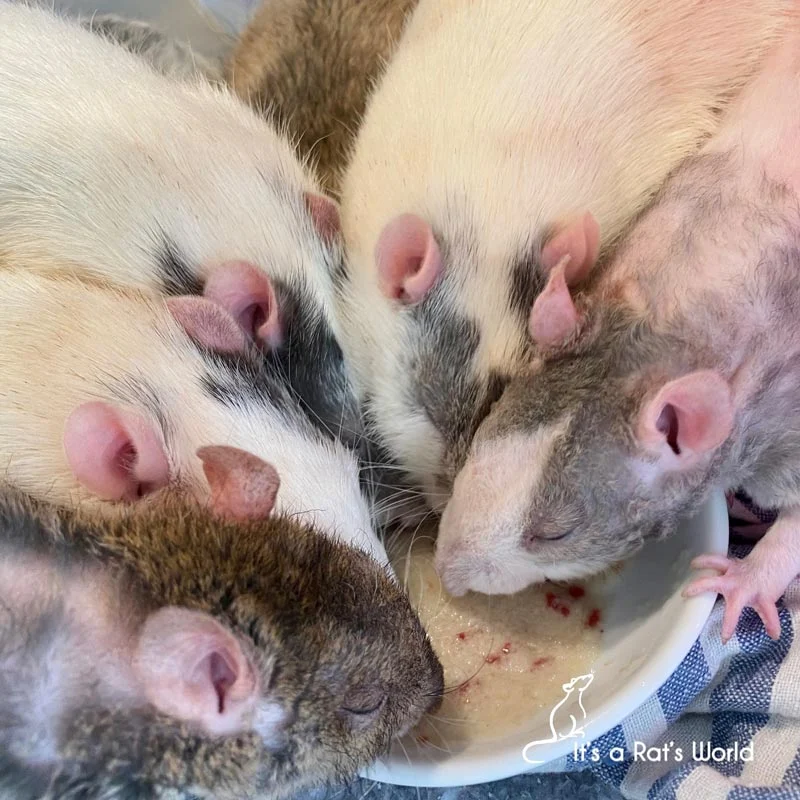
The persistent association between wild rats and urban squalor has long cast a shadow over the reputation of the domesticated rat (Rattus norvegicus domestica). While the common misconception persists that these animals are carriers of disease and sources of foul odor, biological and husbandry data suggest otherwise. Unlike their wild counterparts, which are often associated with waste-heavy environments, well-cared-for pet rats are meticulous groomers. Scientific observation indicates that domesticated rats are inherently clean, and any significant malodor is typically a secondary indicator of husbandry issues or underlying health concerns rather than a trait of the species itself.
The Biological Reality of Rodent Hygiene
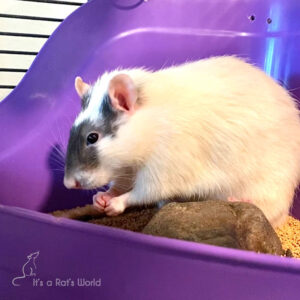
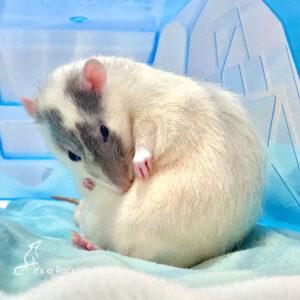
Domesticated rats dedicate a significant portion of their waking hours to self-grooming. This behavior is not merely cosmetic; it is a vital part of their social bonding and thermoregulation. When a rat grooms, it removes debris, bacteria, and oils from its fur, effectively acting as its own primary hygiene system.

From a physiological perspective, the "natural" scent of a healthy rat is widely regarded by owners and biologists as subtle. Intact males often possess a scent reminiscent of warm grain or toasted cereal, while females and neutered males typically exhibit a faint, slightly sweet or floral aroma. This stands in stark contrast to the pungent, ammonia-heavy odors often associated with other common household pets, such as cats or ferrets, whose waste management systems can be far more intrusive to the human olfactory sense.
Environmental Factors and Husbandry Standards
The primary source of odor in any small mammal habitat is not the animal itself, but rather the accumulation of nitrogenous waste in the bedding and cage environment. Because rats are often housed in enclosed spaces, the management of urine and feces is the most critical variable in determining the "smell profile" of the household.
Data from animal welfare organizations suggest that the rate of odor accumulation is directly proportional to three factors: population density, ventilation, and substrate quality.
- Population Density: A cage containing multiple rats will inevitably require more frequent cleaning than one housing a smaller group, due to the cumulative volume of waste.
- Ventilation: Poor airflow in a living space causes moisture and ammonia to stagnate. In humid climates, this effect is magnified, as moisture facilitates the breakdown of urea into ammonia.
- Substrate Efficiency: The choice of bedding—such as kiln-dried aspen, paper-based pellets, or fleece—significantly impacts odor control. Absorbent, non-toxic materials are essential for maintaining a neutral-smelling environment.
Expert guidance from veterinary professionals emphasizes that a consistent cleaning schedule is the most effective preventative measure. Daily "spot cleaning" of litter boxes, coupled with a deep-clean schedule for the entire enclosure, generally eliminates the environmental factors that contribute to household odors.
Clinical Implications of Unusual Odors
When a rat exhibits a sudden, pervasive, or foul-smelling odor, it is frequently a diagnostic indicator of a health issue. Veterinarians specializing in small mammals categorize these "warning scents" into several clinical pathways.
A "rotting" or putrid odor is often linked to localized infection, abscesses, or necrotic tissue. For instance, Zymbal’s gland tumors—common in aging rats—can present as an abscess that discharges into the ear canal, producing a distinct, decaying scent. Early detection of such odors is critical, as these conditions are often progressive and require immediate surgical or antibiotic intervention.
Endocrine disorders, specifically diabetes mellitus, can alter the chemical composition of a rat’s urine. A sickly, sweet-smelling urine, sometimes accompanied by a white, calcium-like residue, serves as a hallmark symptom of high glucose levels. In such cases, glucose monitoring and dietary management are necessary to prevent further metabolic decline.
Furthermore, issues involving the urogenital tract, such as urinary tract infections or the formation of "penis plugs" in elderly males, can introduce strong, unpleasant odors. As male rats age, particularly those experiencing hind-leg degeneration, they may struggle to groom effectively, necessitating owner-assisted cleaning to prevent infections.
Nutritional Impact on Systemic Health
A recurring, "rancid" odor that seems to originate from the rat’s skin rather than the cage environment is often symptomatic of systemic gastrointestinal distress. Clinical experience with rescue animals suggests that malnutrition, chronic diarrhea, or poor gut flora can result in a distinctive, pungent smell that bathing fails to remove.
The introduction of prebiotics and probiotics, such as Bene-Bac, has been shown to assist in restoring healthy gut biomes in rodents recovering from neglect. When the gut is balanced and the diet is optimized to include high-quality, species-appropriate nutrition, the rat’s natural scent generally returns to its baseline. This phenomenon underscores the link between internal health and external cleanliness.
Comparative Analysis of Domesticated Pets
In the broader context of household pets, the sensory impact of rats is often lower than that of larger animals. Comparative studies on pet-related household air quality often highlight the "ammonia threshold." Cat litter boxes, even when maintained, often produce ammonia levels that can cause respiratory irritation in humans. In contrast, rat cages—when properly managed with adequate ventilation—rarely reach such concentrations.
While dogs are often perceived as "cleaner" due to outdoor toileting, they carry a distinct fur-based odor that is often difficult to mitigate without frequent bathing. Conversely, rats produce little to no fur-based scent, making them highly suitable for individuals with hyperosmia or those sensitive to the musky odors typical of canines.

Broader Implications and Conclusions
The social stigma surrounding rats persists despite a significant lack of scientific evidence to support the claim that they are inherently "dirty." The data clearly delineate between the wild rodent population, which poses legitimate public health risks, and the domesticated rat, which is a clean, manageable, and highly intelligent companion animal.
The primary takeaway for owners is that a "stinky" rat is an anomaly, not a standard. When a household pet begins to emit an unpleasant odor, it should be treated as a signal to review three areas:
- Husbandry: Is the cleaning schedule adequate for the number of animals?
- Nutrition: Is the diet supporting optimal digestive health?
- Clinical Health: Are there underlying symptoms—such as weight loss, lethargy, or behavioral changes—that warrant a veterinary consultation?
By prioritizing these three pillars, owners can dispel the myths surrounding rat hygiene and maintain a pleasant living environment. The transition from viewing the rat as a "pest" to an "exotic companion" is fundamentally a transition in understanding their specific biological and environmental needs. As the population of rat enthusiasts grows, so too does the body of evidence confirming that these animals, when treated with appropriate care, are among the most fastidious of all small domestic pets.

