


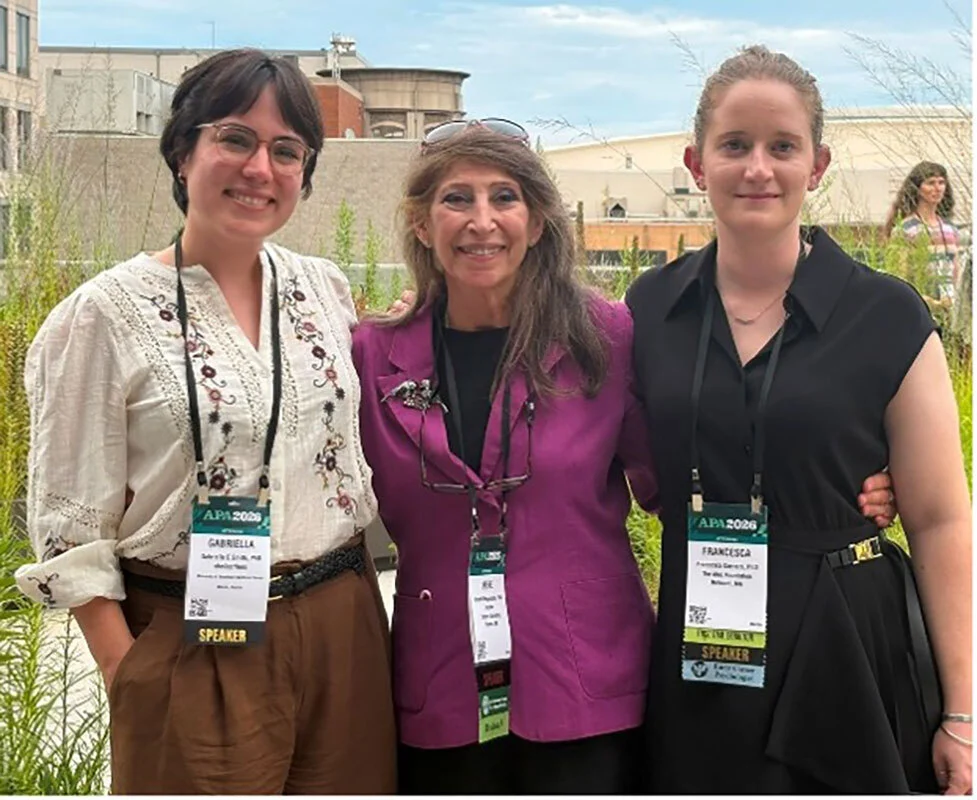
The year 2026 has proven to be a period of significant professional milestone recognition for Dr. Irene Pepperberg, a pioneering figure in the field of animal cognition. In recent months, the researcher has been honored with two lifetime achievement awards—one from the Coller-Dolittle Foundation and another from Division 3 (Experimental Psychology) of the American Psychological Association (APA). Additionally, Dr. Pepperberg was elected to a three-year term as Member-At-Large for the APA’s Division 3. While these accolades serve as a formal recognition of her individual contributions to the scientific understanding of parrot intelligence, Dr. Pepperberg maintains that these honors represent the culmination of a collective endeavor involving nearly 50 years of collaboration between human researchers and avian subjects.
A Chronology of Scientific Discovery
The foundation of Dr. Pepperberg’s work dates back to June 1977, when she began her landmark study with a Congo African Grey parrot named Alex. At the time, the prevailing scientific consensus was largely skeptical of the cognitive abilities of non-human animals, particularly regarding their capacity for complex language and conceptual reasoning.
The initial phase of the research was conducted in borrowed laboratory space at Purdue University. Lacking institutional funding, the early years were defined by limited resources and a reliance on a small cadre of undergraduate volunteers, including Robert Mitchell and Kimberly Goodrich Fisher. These early trials utilized a modeling technique inspired by the studies of ornithologist Dietmar Todt. The methodology involved a two-person interaction where one human served as a trainer and the other as a model for the subject, effectively demonstrating the desired cognitive tasks.
Through this method, Alex began to categorize materials, colors, and shapes, providing empirical evidence that birds could learn to label objects and demonstrate an understanding of concepts like same-versus-different. These findings were pivotal in securing the laboratory’s first National Science Foundation grant, which validated the research and established a new trajectory for comparative psychology.
Navigating Institutional Transitions
The subsequent decades were marked by frequent transitions across various academic institutions, a necessity driven by changing tenure statuses, shifting departmental priorities, and the ongoing requirements of the research subjects. From Purdue University, the research moved to Northwestern University, where Dr. Pepperberg held a visiting assistant professor position within the Department of Anthropology. During this period, the laboratory faced significant challenges, including medical emergencies that required specialized care for Alex, leading to collaboration with a network of veterinary experts, including Dr. Susan Brown and Dr. Greg Harrison.
The research then migrated to the University of Arizona, where the scope of the project expanded to include subjects such as Kyaaro, Alo, and eventually, Griffin. Following the tenure at Arizona, Dr. Pepperberg relocated to the MIT Media Lab and later Brandeis University. During this time, the laboratory relied heavily on dedicated staff such as Arlene Levin Rowe and Suzanne Gray, who managed the logistical complexities of the research operations. The inclusion of the Radcliffe Institute for Advanced Study provided a critical period of academic and financial stability, facilitating further analysis of the data collected during the previous decade.
The final major institutional move occurred when the laboratory relocated to Harvard University’s Department of Psychology, specifically within the Vision Lab. Following the death of Alex in 2007 and the passing of Arthur, another key research subject, the team integrated a new African Grey named Athena into their studies. This era saw increased collaboration with psychologists such as Susan Carey, further bridging the gap between avian cognition and human developmental psychology. Following the global disruptions caused by the COVID-19 pandemic, the laboratory transitioned to its current association with Boston University, operating from a specialized facility in Somerville, Massachusetts.

Data, Methodology, and Academic Impact
The impact of Dr. Pepperberg’s research extends beyond the specific achievements of individual birds. Her work has fundamentally altered how the scientific community approaches the study of animal intelligence. By demonstrating that parrots could grasp abstract concepts—such as the understanding of zero, the categorization of categories, and the ability to distinguish between relative quantities—the laboratory provided data that challenged the "stimulus-response" model of animal behavior.
The rigorous application of the "Model/Rival" training technique remains a cornerstone of avian cognitive studies. This methodology requires two humans: one acting as the trainer and the other as the "rival" who competes for the trainer’s attention. By observing this dynamic, the bird is incentivized to participate in the learning process, not as a passive subject, but as an active competitor. This approach has been cited in numerous studies concerning the evolution of intelligence in vertebrates and the neural mechanisms supporting advanced communication.
The Human Infrastructure of Research
Dr. Pepperberg’s insistence that these awards belong to a "collective army" of contributors highlights the logistical reality of long-term animal research. Over five decades, the laboratory has been sustained by a rotating cohort of graduate students, research assistants, and lab managers. The names cited by Dr. Pepperberg—including Pamela Banta Lavenex, Diane Patterson, Diana May, Spencer Lynn, and more recently, Francesca Cornero, Gabriella Smith, and Alana Carroll—represent a generational pipeline of scientists who have gone on to influence the field of behavioral science.
Furthermore, the research has been supported by an extensive network of private donors and family members who facilitated the continuity of the project during periods of institutional transition. The ability of the laboratory to maintain its protocols despite the lack of permanent endowment funding is a testament to the stability provided by these personal and professional networks.
Implications for Future Research
The recognition of Dr. Pepperberg’s work by the American Psychological Association and the Coller-Dolittle Foundation reflects a broader trend within the social and biological sciences: the formal integration of non-human cognition into the study of behavioral psychology. As the research continues under the current affiliation with Boston University, the focus has shifted toward refining the understanding of the limits and potential of avian intelligence.
The implications of this 50-year dataset are profound. By maintaining consistent longitudinal records, the laboratory has provided a template for how interspecies communication can be documented and analyzed. Future studies in this field are expected to leverage the technological advancements of the late 2020s, including artificial intelligence-based pattern recognition, to further examine the nuances of avian vocalizations and decision-making processes.
In his 2026 assessment of the field, one prominent researcher in animal cognition noted that the work initiated in 1977 serves as the bedrock for all contemporary studies in the cognitive capacity of parrots. "Dr. Pepperberg did not just teach a bird to talk," the researcher stated. "She taught the scientific community how to listen."
As Dr. Pepperberg prepares for her upcoming term as Member-At-Large for the APA’s Division 3, her focus remains on the synthesis of these five decades of data. The recognition she has received this year serves as a marker of the discipline’s maturity. The transition from early skepticism regarding animal language to the current era of detailed neurocognitive study is a direct result of the perseverance of the individuals who supported the laboratory through its various "Perils of Pauline" moments. The legacy of the work is not merely in the findings themselves, but in the institutional infrastructure that was built, tested, and maintained to ensure that the scientific study of animal cognition could thrive.

