


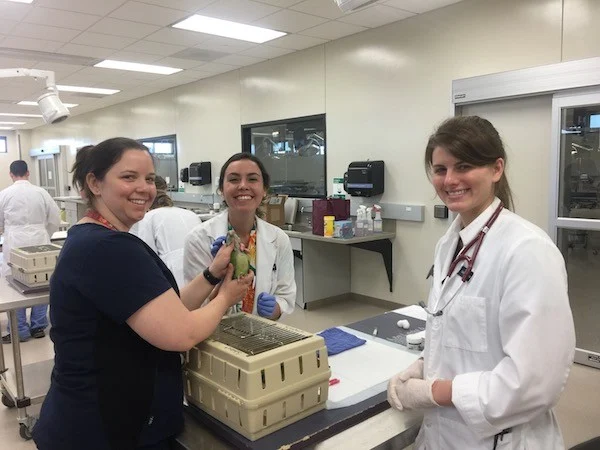
For nearly two decades, the veterinary landscape has been significantly bolstered by a collaborative effort to bring specialized, high-level education directly to student clinicians. Through a sustained initiative involving veterinary colleges across North America, organizations such as the Lafeber Company have facilitated a vast network of guest lectures, wet labs, symposia, and clinical training sessions. This systematic approach to veterinary education has focused on the critical, often underserved fields of avian, exotic, wildlife, and zoological medicine, ensuring that the next generation of practitioners is equipped to handle the unique physiological and behavioral challenges presented by non-traditional species.
The Chronology of Academic Engagement
The educational footprint of these initiatives is expansive, tracing back to the mid-2000s and continuing through the present day. These events, ranging from intimate lunch-and-learn sessions to expansive, multi-day symposia, serve as a bridge between the classroom and the field.
In the early years, institutions like the University of Tennessee, Texas A&M, and Cornell University established consistent calendars for exotic animal medicine exposure. For instance, in 2007 and 2008, students were treated to sessions on critical care nutrition and raptor biology, setting a standard for the hands-on learning that would follow. As the industry evolved, so did the curriculum; by the mid-2010s, topics shifted toward more complex surgical techniques and specialized anesthesia protocols.
The trajectory of this engagement shows a distinct move toward high-tech, distance-learning integration, particularly visible during the 2020-2021 period. When the global pandemic necessitated a shift in pedagogy, these veterinary clubs seamlessly pivoted to virtual seminars. Figures such as Dr. Gregory Rich and Dr. LoraKim Joyner became fixtures in digital classrooms, delivering high-fidelity content on topics ranging from avian orthopedics to the philosophy of transformative parrot conservation.
The most recent data from 2025 and 2026 underscores an ongoing commitment to this model. From the "Bunny Bonanza" symposium at the University of Illinois to Dr. Rebecca Duerr’s virtual presentation on the medical complexities of oiled birds at Kansas State University, the scope of the material remains remarkably diverse. This consistency highlights a strategic effort to maintain academic rigor across all geographic regions, ensuring that a student at the Atlantic Veterinary College in Canada has access to the same high-level expertise as a student at the University of California, Davis.
Core Disciplines and Educational Focus Areas
The educational programming provided to these veterinary student chapters is categorized into several core pillars: avian medicine, exotic companion mammal care, zoological/wildlife medicine, and conservation ethics.
Avian medicine constitutes the largest share of this programming, which is logical given the ubiquity of companion birds and the specialized diagnostic requirements they necessitate. Lectures on avian atherosclerosis, reproductive tract surgery, and nutritional fundamentals serve as foundational knowledge for students entering clinical practice. These sessions are frequently supplemented by "wet labs"—practical, hands-on sessions where students practice phlebotomy, radiography, and physical examination techniques under the supervision of board-certified specialists.
Exotic companion mammal medicine—specifically rabbit, ferret, and hedgehog care—has seen a surge in student interest. As these animals become increasingly popular in domestic households, the demand for veterinarians capable of performing complex surgeries or managing chronic conditions like GI stasis has skyrocketed. The workshops led by experts like Kara Burns and Dr. Javier Nevarez have been instrumental in addressing this clinical gap, providing students with specific, actionable diagnostic protocols that can be immediately applied in a clinical setting.
Wildlife and zoological medicine represent the "outer frontier" of these educational efforts. Discussions involving black bear support, elephant reproduction, and marine animal health highlight the broader role of the veterinarian as a conservationist. By exposing students to the medicine of non-domesticated species, these programs foster a deeper understanding of ecosystem health and the environmental factors influencing veterinary practice today.
The Role of Specialized Partnerships and Industry Sponsorship
The success of these long-standing educational initiatives is largely attributed to the collaborative synergy between academia, professional associations, and private industry sponsors. The Association of Avian Veterinarians (AAV), for instance, has played a pivotal role in co-sponsoring events, providing a formal structure that grants students access to professional networks and certification pathways.
Industry sponsors, most notably the Lafeber Company, have functioned as the backbone of these efforts. By providing funding for symposia, facilitating the travel of guest lecturers, and sponsoring student research or raffle prizes, they have reduced the financial barriers to high-level continuing education. This partnership model is a hallmark of modern veterinary training, where the resources of private enterprise are leveraged to support public and private university objectives.
Analysis of Implications for the Veterinary Profession
The long-term impact of this sustained educational outreach cannot be overstated. By consistently delivering specialized knowledge to veterinary students, these programs mitigate the "knowledge gap" that often exists between general practice and specialty exotic care.
Firstly, these initiatives accelerate clinical competency. A student who has participated in a rabbit dentistry lab or an avian orthopedics lecture is significantly more prepared to handle these cases upon graduation. This reduces the time required for new associates to reach peak productivity in a clinical environment and increases the overall quality of care for exotic patients.
Secondly, the emphasis on ethics and conservation—such as the lectures on the "human dimension of parrot conservation"—prepares students for the reality that veterinary medicine is increasingly multidisciplinary. Modern veterinarians are expected to act as advocates, educators, and scientists, not just practitioners. By integrating these values into the training process, the profession ensures a workforce that is socially and environmentally conscious.
Finally, the geographical reach of these programs—spanning from the Atlantic Veterinary College to the University of California, Davis—creates a standardized level of excellence across the continent. This is essential for the future of the profession, as it ensures that regardless of where a student completes their degree, they possess a baseline of competency in the care of non-traditional species.
Reflections from the Academic Community
Faculty advisors at the participating universities have frequently noted that these extracurricular clubs are often the most effective training grounds for student engagement. "The ability to invite a world-renowned specialist to speak to our students, even virtually, changes the entire dynamic of their education," one faculty member recently observed. "It turns a theoretical interest in exotic medicine into a tangible, career-defining reality."
The students themselves have been the primary beneficiaries of this continuity. With the archives of these presentations often made available online, the educational value extends well beyond the live event. This digital repository of knowledge—covering everything from the basics of avian blood smears to the complexities of reptilian anesthesia—functions as a living library for veterinary students, serving as a reference point throughout their clinical years and into their professional careers.
Conclusion and Future Outlook
As the veterinary field continues to diversify, the demand for practitioners with specialized knowledge in avian, exotic, and wildlife medicine will only increase. The history of the last two decades demonstrates that the most effective way to meet this demand is through a proactive, collaborative approach that brings the experts to the students.
The success of these ongoing efforts confirms that the model of university-based, industry-supported education is sustainable and highly effective. As technology continues to evolve, we can expect to see even more immersive training tools, such as augmented reality surgical simulations and increased global collaboration, further enhancing the quality of veterinary education. By maintaining this commitment to excellence, the veterinary community ensures that it is well-positioned to protect the health and welfare of all species, from the common companion bird to the most elusive wildlife. The legacy of these past decades is not merely a record of meetings and lectures, but a solid foundation upon which the future of specialized veterinary medicine is being built.

