


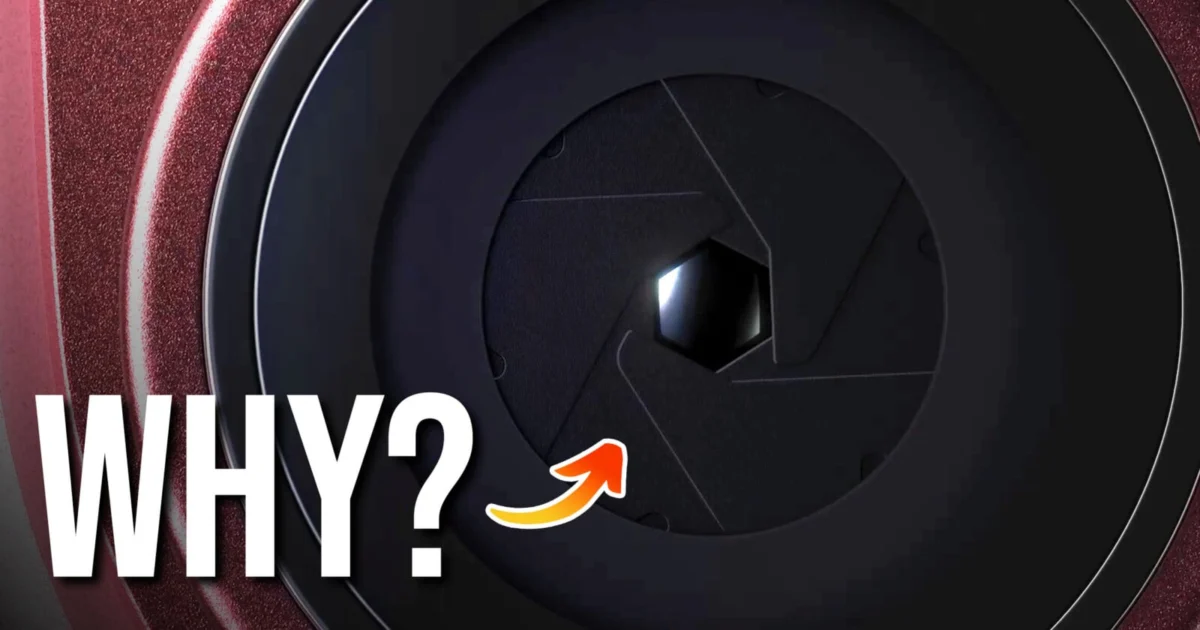
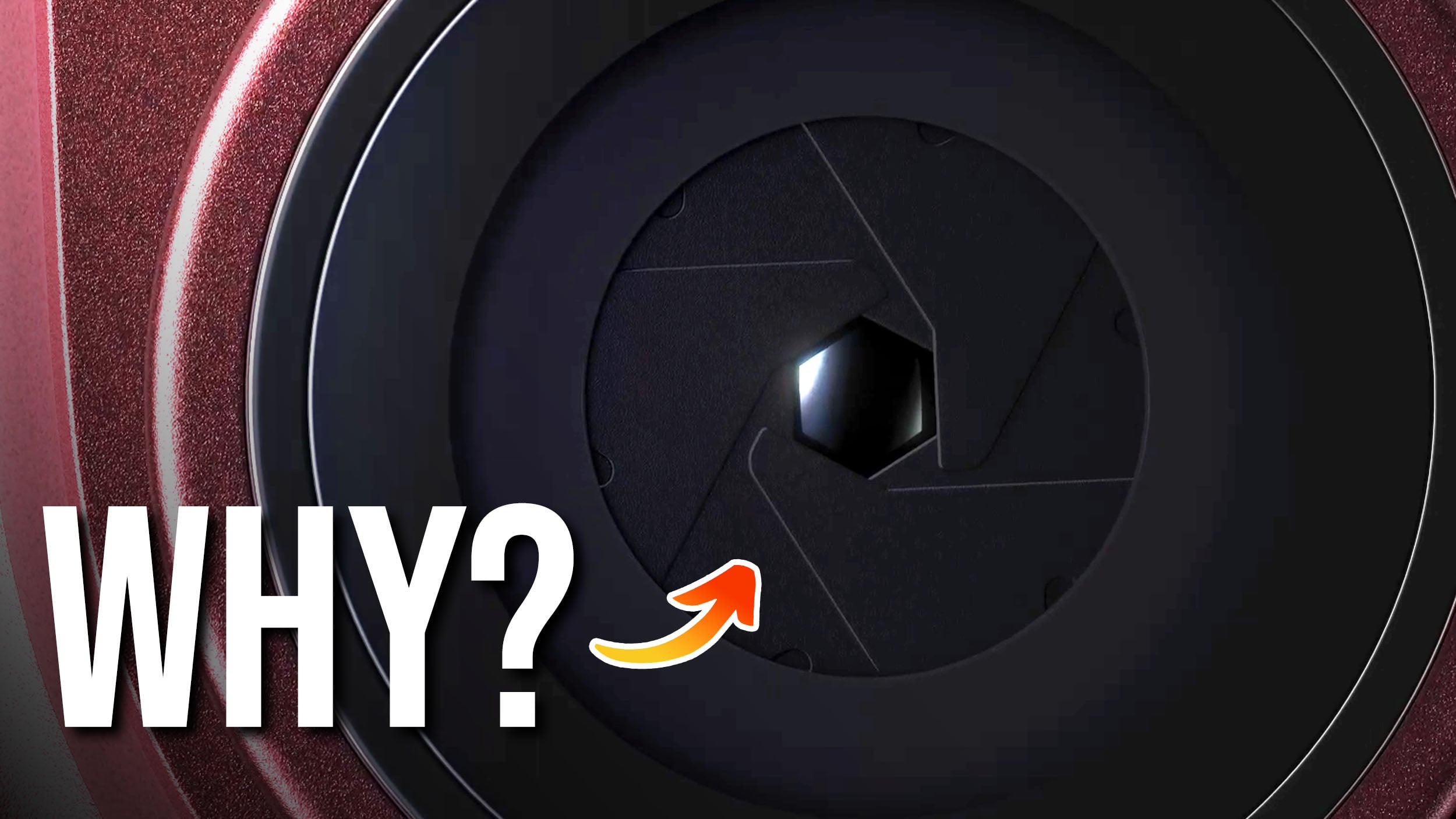
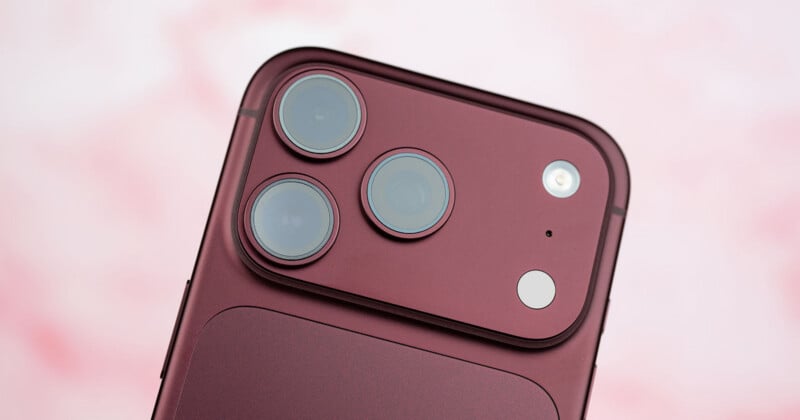
The release of the Apple iPhone 18 Pro and 18 Pro Max marks a significant inflection point in the evolution of smartphone optics. While the external industrial design of the new flagship lineup retains the familiar aesthetic of its predecessors, the internal architecture of the primary camera module represents a radical departure from Apple’s historical approach to hardware. For the first time, Apple has integrated a stepless, multi-blade variable aperture system, a technical feat that the company claims was born not from a desire for a marketing headline, but from a fundamental engineering pursuit of superior light sensitivity and optical fidelity.
This shift in strategy signals a move toward a more modular approach to mobile imaging. By bridging the gap between automated computational photography and manual professional control, Apple is positioning the iPhone 18 Pro as a tool capable of competing with dedicated mirrorless systems in specific high-end workflows.
The Engineering Genesis: A Pursuit of Sensitivity
The decision to implement a variable aperture was the result of a long-term research and development trajectory aimed at solving a perennial problem in mobile photography: the trade-off between sensor sensitivity and depth of field. According to Matt Waldon, Senior Director of Camera and Depth Hardware at Apple, the design process began with a singular objective to enhance the sensor’s ability to capture light in challenging environments.

In standard smartphone design, increasing sensitivity usually requires enlarging the image sensor. However, the constraints of a handheld device are rigid; a larger sensor necessitates a physically larger lens assembly, increased chassis volume, and higher thermal management requirements. Rather than expanding the sensor footprint, Apple engineers opted to increase the "speed" of the lens, moving from the previous f/1.8 aperture to a wider f/1.48.
However, this decision created an immediate secondary challenge. A wider aperture inherently narrows the depth of field, which, while beneficial for low-light performance and subject isolation, can lead to undesirable softness when capturing objects at varying distances. The implementation of a variable aperture became the necessary solution to mitigate the optical aberrations and depth-of-field limitations that would otherwise occur at a fixed, ultra-wide f/1.48 setting.
Technical Anatomy of the Aperture Mechanism
The variable aperture system in the iPhone 18 Pro utilizes a precision-engineered module featuring six specialized blades. The choice of six blades was the result of extensive testing to balance physical space constraints with optical performance. Each blade is manufactured from a proprietary polymer composite, laser-cut to dimensions thinner than a human hair, and controlled by a high-torque, compact rotor mechanism.
This mechanism is designed to be "stepless," allowing for a smooth transition between settings. While the mechanical system is capable of high-precision adjustments, Apple has initially limited user access to four distinct stops: f/1.48, f/1.8, f/2.8, and f/4. The system defaults to f/1.8, which Apple’s testing suggests provides the most consistent balance of sharpness, noise reduction, and bokeh quality for general-purpose photography.
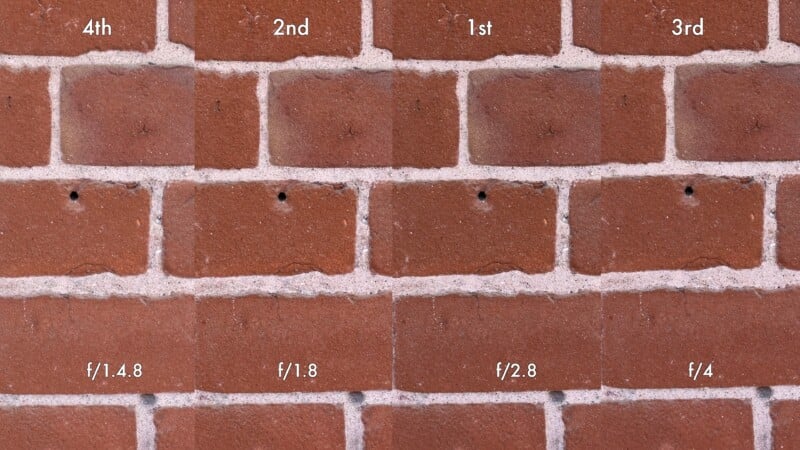
The inclusion of the f/4 setting is particularly significant for video professionals. By narrowing the aperture, videographers can maintain a desired shutter speed—essential for adhering to the 180-degree shutter rule—without the need for external neutral density (ND) filters, which have historically been a primary point of friction for mobile content creators.
The Integration of Pro Controls
The hardware innovation is supported by a significant update to the software interface, branded as "Pro Controls." Historically, Apple’s native Camera app has prioritized a "point-and-shoot" philosophy, leaving granular manual adjustments to third-party developers. With the iPhone 18 Pro, Apple is internalizing these capabilities, offering users direct control over aperture, shutter speed, and focus within the native environment.

Jeremy Hendricks of Apple’s iPhone Product Marketing team emphasized that this transition is intended to lower the barrier to entry for manual photography. By keeping the interface intuitive and automated by default, Apple hopes to encourage casual users to experiment with manual settings, effectively turning the device into an educational tool for photography fundamentals.
From an analytical perspective, this is a strategic move to retain power users who might otherwise migrate to professional-grade camera applications. By providing a deep integration between hardware-level aperture control and the existing computational image pipeline, Apple ensures that the user retains the benefits of its proprietary image processing, such as Photonic Engine and Deep Fusion, even while manually overriding exposure parameters.

Contextualizing the Market Shift
The history of variable apertures in smartphones is complex. Several manufacturers, most notably Samsung with the Galaxy S9 and S10 series, attempted to bring mechanical apertures to the mass market nearly a decade ago. Those implementations were often criticized for having limited utility and mechanical fragility, leading many manufacturers to eventually abandon the technology in favor of larger, fixed-aperture sensors.
Apple’s approach differentiates itself through the integration of its proprietary "Styles" and the computational pipeline. Unlike earlier attempts, the iPhone 18 Pro uses the variable aperture as a foundational component of a larger ecosystem. The system is not merely a mechanical curiosity but a tool for managing light intake in tandem with the device’s high-speed sensor readout, which enables features like improved starburst effects and sophisticated background separation in video.

Industry Implications and Future Outlook
The introduction of this system suggests that Apple is reaching the physical limits of what fixed-aperture optics can achieve in a thin chassis. By adopting a mechanical solution for the aperture, Apple is signaling that future improvements in image quality may rely more on complex, moving internal parts than on software-only enhancements.
The longevity of this design will depend on its durability. Given the small scale of the blades and the constant usage cycles of a smartphone camera, the long-term reliability of the polymer composite will be a key performance metric for the device. If the system proves durable over several years of use, it could set a new industry standard for high-end mobile optics, forcing competitors to revisit variable aperture designs with similar levels of mechanical refinement.

Conclusion
The evolution of the iPhone 18 Pro’s camera system reflects a broader trend in consumer electronics where the lines between professional and consumer hardware continue to blur. By prioritizing optical control alongside computational power, Apple has created a device that addresses the specific, often conflicting needs of casual users and working professionals.
While the change may appear subtle to the casual observer, the underlying engineering represents a significant investment in the future of mobile imaging. The transition to a variable aperture, combined with the new suite of Pro Controls, provides a versatile foundation that could dictate the trajectory of iPhone camera hardware for the next several product cycles. As users begin to leverage these tools in the field, the true impact of this technical shift will become apparent, potentially redefining the expectations for what a pocket-sized camera can achieve in both still photography and cinematic video production.

