


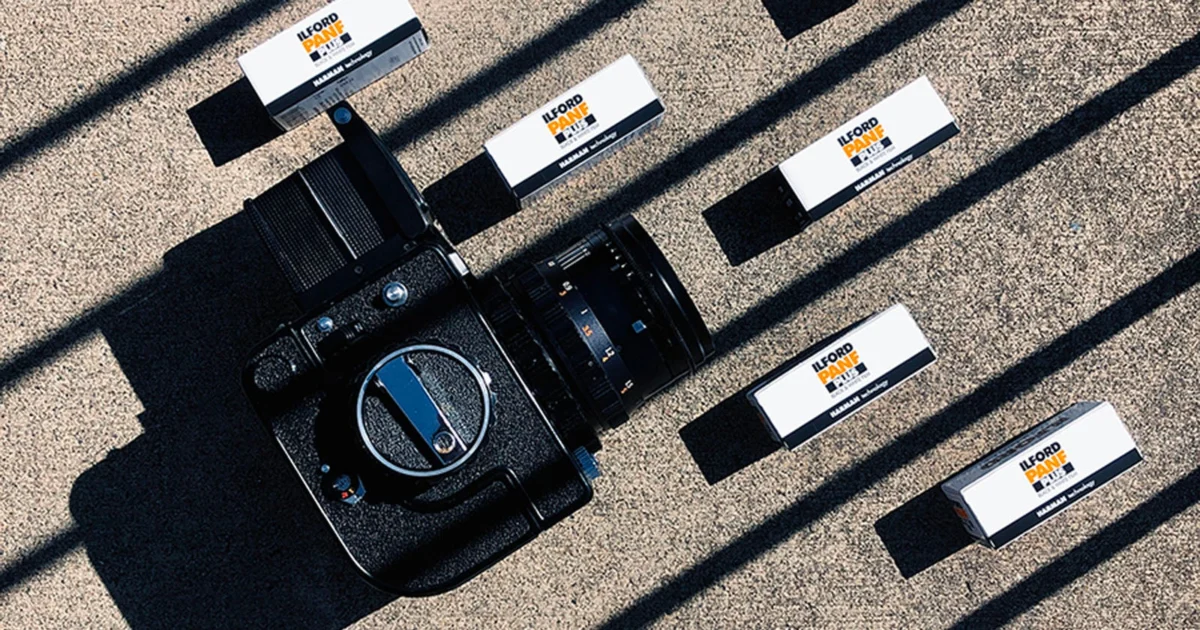
In the specialized landscape of analog photography, a distinct category of emulsions has emerged, colloquially referred to by enthusiasts as the Sub-100 Club. These films, characterized by ISO ratings below 100, occupy a niche that stands in stark contrast to the high-speed, light-hungry films like the Ilford Delta 3200 or Kodak T-Max P3200. While the high-speed films are designed for utility in challenging, low-light environments, the Sub-100 category is defined by a pursuit of technical perfection, extreme sharpness, and a deliberate aesthetic that favors control over convenience. Among this elite group, Ilford Pan F+ stands as the progenitor, a film that has navigated the transition from mid-20th-century origins to its current status as a preferred medium for discerning fine-art photographers.
A Legacy Spanning Eight Decades
The history of Pan F is effectively a history of modern black-and-white emulsion development. Introduced by Ilford in 1948, the film was initially conceived to provide photographers with a low-speed, fine-grain alternative to the faster emulsions of the post-war era. Over the subsequent decades, the film underwent iterative refinement, reflecting advancements in silver halide technology and chemical engineering.

A significant milestone in the product’s lifecycle occurred in 1992, when the company introduced the "Plus" designation, signifying a major reformulation of the emulsion. This update was not merely cosmetic; it involved a fundamental restructuring of the film’s silver halide crystals to improve overall image quality, resolution, and the consistency of the chemical response during development. Since that 1992 update, Ilford has continued to perform discreet emulsion tweaks, ensuring the film remains relevant in a digital-dominated market. The longevity of Pan F+ is, in itself, a testament to the enduring demand for ultra-fine grain and high-acutance film, a demand that has arguably intensified as photographers seek to distinguish their work from the ubiquitous digital medium.

Technical Characteristics and Performance Metrics
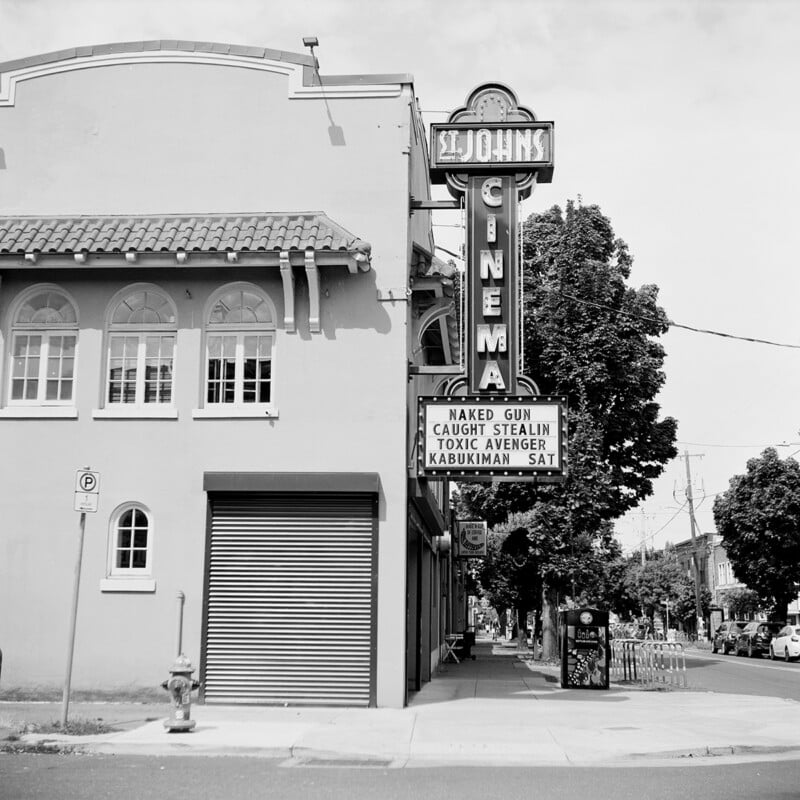
The primary appeal of Pan F+ lies in its exceptionally low speed and the resulting grain structure. With an ISO rating of 50, the film is designed for scenarios where light is abundant, or where the photographer has the luxury of utilizing a tripod to facilitate long exposures. The grain is arguably the finest in the current Ilford portfolio, making the film an ideal candidate for high-resolution applications. Photographers utilizing 35mm formats frequently opt for Pan F+ to achieve a level of clarity and smoothness that rivals medium format, while those shooting in 6×6 or 6×9 formats can produce prints of remarkable scale—including mural-sized enlargements—without the distracting presence of large grain patterns.

Acutance, or the objective measurement of edge sharpness, is another hallmark of the film. While standard films often soften the transition between dark and light areas, Pan F+ is engineered to maintain high local contrast at these boundaries. This technical design choice results in images that possess a striking, almost tactile, level of detail. While this is an asset for architectural and landscape photography, it is a characteristic that requires careful consideration in portraiture. By capturing micro-details with such precision, the film will inevitably accentuate skin textures, fine lines, and blemishes. For portraitists aiming for a "soft" or idealized look, Pan F+ may require a more deliberate approach to lighting and subject selection; however, for those seeking a raw, dramatic, and unflinching portrait style, the film provides an unmatched level of veracity.

The Dynamics of Contrast and Exposure
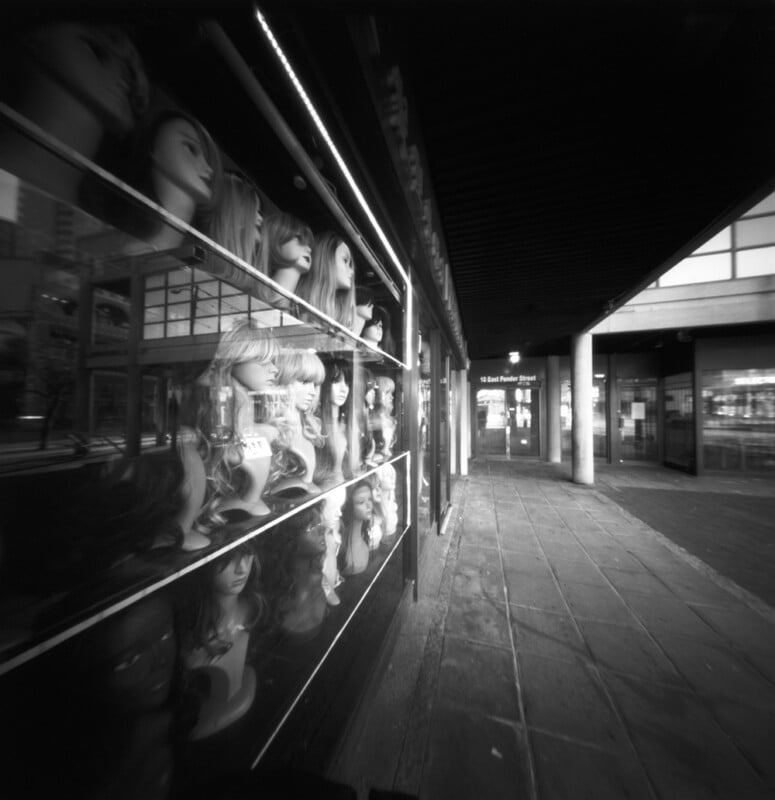
The aesthetic profile of Pan F+ is frequently described as "broody" or "dramatic." The film exhibits a steep characteristic curve, resulting in deep, saturated blacks and brilliant, clean highlights. Unlike films that offer a wide, gentle transition in the midtones, Pan F+ leans toward a punchy, high-contrast look that has drawn comparisons to classic film noir cinematography.

This high-contrast nature presents both a challenge and an opportunity for the photographer. It requires precise exposure metering and an understanding of the relationship between light and shadow. Because the film is less forgiving than its high-speed counterparts, it is often viewed as a "difficult" emulsion by novices. However, this difficulty is precisely what provides the film with its professional allure. Through the application of specific development techniques—such as utilizing high-acutance developers like Rodinal or specialized compensating developers—photographers can manipulate the contrast range, effectively "taming" the film or pushing its dramatic qualities to their limits.

Operational Constraints and Considerations
The nature of a 50-speed film necessitates a workflow centered on discipline. Reciprocity failure—the phenomenon where the film loses sensitivity during long exposures—is a critical factor for users of Pan F+. Historically, this was a significant hurdle, but the current iteration of the film has been optimized to handle longer exposures with more predictable results. For exposures ranging from one to 10 seconds, a compensation of 0.5 to 1 stop is typically sufficient. As exposure times extend to 60 seconds or beyond, the required compensation increases to approximately two stops. While not as efficient as some ultra-long-exposure specialized films, this performance is a marked improvement over earlier versions of the emulsion.
Furthermore, users must be mindful of the film’s latent image retention. Unlike more robust emulsions, Pan F+ is sensitive to the passage of time between exposure and development. Prolonged delays can lead to the degradation of the latent image, manifesting as thin, underdeveloped negatives. To ensure optimal results, it is recommended that the film be processed as soon as possible, ideally within three months of exposure. This operational requirement reinforces the "professional" nature of the film, necessitating a structured workflow from the field to the darkroom.

Broader Market Impact and Accessibility
For decades, the limited availability of Pan F+—traditionally confined to 35mm and 120 formats—was a point of contention among large-format photographers. The technical community long advocated for the inclusion of this emulsion in sheet film formats. In 2026, this demand was met with the official release of Pan F+ in 4×5 and 8×10 formats, marking a significant expansion for the product line and validating the continued relevance of silver-halide photography in high-end fine art and commercial work.
The survival and expansion of a niche film like Pan F+ in the mid-2020s suggests a robust and healthy ecosystem for analog photography. It indicates that manufacturers are not merely coasting on legacy products but are actively listening to the needs of a sophisticated, albeit smaller, user base. By maintaining high production standards and expanding into professional-grade sheet film, Ilford has solidified the position of Pan F+ as a staple for those who prioritize image quality above the ease of high-speed shooting.

Implications for the Future of Analog Imaging
The continued evolution of Ilford Pan F+ serves as a case study in the resilience of traditional media. Its existence challenges the assumption that digital sensors have rendered film obsolete. Instead, it highlights a bifurcation in the market: where digital technology offers unparalleled convenience and low-light performance, specialized films like Pan F+ offer an aesthetic and technical experience that remains distinct.

For the contemporary photographer, Pan F+ represents a tool of intentionality. It does not reward the "spray and pray" method of shooting; it requires a deep understanding of light, chemistry, and timing. As the photographic industry continues to balance the rapid innovation of digital imaging with the enduring cultural value of analog processes, the role of films like Pan F+ is likely to remain secure. It remains an essential instrument for those who view photography not just as a means of documentation, but as a craft that demands engagement with the physical reality of light and chemistry. Whether for the architectural photographer documenting the lines of a building, or the landscape artist capturing the subtle interplay of shadow in a forest, Pan F+ continues to provide a unique, high-fidelity window into the world, cementing its legacy as a cornerstone of the Sub-100 Club.

