


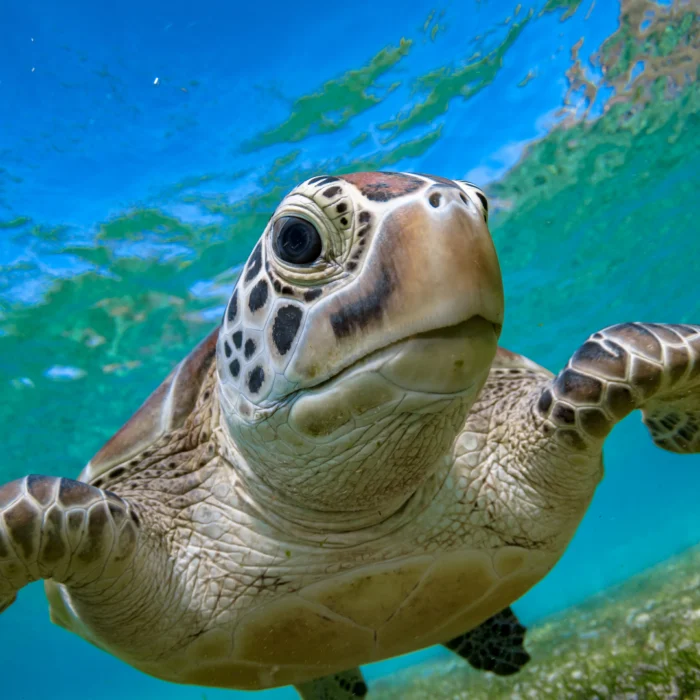
The veterinary community, specifically those dedicated to wildlife medicine and marine biology, is set to convene for a critical educational session on July 29, 2026. Dr. Heather Barron, DVM, DABVP (Avian Practice), CertAqV, a renowned expert in the field of aquatic and avian medicine, will lead a live, interactive webinar focusing on the multifaceted challenges of sea turtle rehabilitation. Co-hosted by the Wildlife Disease Association (WDA), the session has been officially approved for one hour of Registry of Approved Continuing Education (RACE) credit, underscoring its significance for licensed practitioners seeking to bolster their expertise in marine chelonian care.
Regulatory Framework and Conservation Context
Sea turtles, belonging primarily to the families Cheloniidae and Dermochelyidae, occupy a precarious position in global ecosystems. All species of sea turtles are protected under the Endangered Species Act (ESA) in the United States and various international treaties, such as the Convention on International Trade in Endangered Species of Wild Fauna and Flora (CITES). Because of their protected status, the rehabilitation of stranded or injured sea turtles is heavily regulated.
Dr. Barron’s presentation is designed to navigate the complex web of state and federal permitting requirements that govern the medical handling of these reptiles. For veterinarians, the regulatory burden is significant; unauthorized medical intervention can result in severe legal consequences, regardless of the clinician’s intent to save the animal. The webinar aims to clarify the jurisdictional boundaries between state wildlife agencies and federal bodies like the National Oceanic and Atmospheric Administration (NOAA) Fisheries, providing a roadmap for practitioners who seek to collaborate with authorized rehabilitation facilities.
Anatomical and Physiological Considerations in Clinical Care
The webinar will delve deeply into the unique anatomical features of sea turtles that necessitate specialized clinical approaches. Unlike terrestrial reptiles, sea turtles have evolved specific physiological adaptations to accommodate high-pressure marine environments, salt excretion via specialized lachrymal glands, and prolonged breath-holding capabilities.
Dr. Barron will emphasize that traditional veterinary paradigms—often developed for domestic dogs or cats—frequently fail when applied to marine chelonians. The webinar will cover essential anatomical markers for physical examinations, including methods to safely assess patients without inducing unnecessary stress, which can lead to metabolic shifts and respiratory failure. Furthermore, the discussion will highlight the importance of understanding the sea turtle’s cardiovascular system, particularly regarding the management of common conditions such as cardiomyopathy and arrhythmias, which are often observed in stranded patients suffering from cold-stunning or toxicity.
Advanced Diagnostic and Therapeutic Techniques
Diagnostic evaluation in sea turtle medicine requires a precise balance between obtaining accurate data and maintaining patient welfare. The upcoming session will detail standardized protocols for imaging, including the use of radiography and ultrasonography to identify internal trauma or the presence of foreign bodies.
Laboratory testing remains a cornerstone of successful rehabilitation, yet sample collection remains a significant hurdle in wild animals. Dr. Barron will outline techniques for venipuncture and the interpretation of blood chemistry panels, with a specific focus on identifying hypoglycemia and insulinoma-related metabolic disorders. Given that many sea turtles arrive at rehabilitation centers in a state of shock or starvation, the webinar will dedicate substantial time to the nuances of fluid therapy. Unlike terrestrial mammals, the rate of fluid administration in sea turtles must be carefully modulated to prevent pulmonary edema, a common complication in poorly managed marine reptile care.
Nutritional support is another critical pillar of the rehabilitation process. Dr. Barron will address the challenges of transitioning an emaciated turtle back to a normal diet, discussing the use of parenteral and enteral nutrition while mitigating the risks of gastrointestinal stasis. Furthermore, the session will address anesthesia and analgesia, acknowledging that these procedures are fraught with difficulty in reptiles due to their slow metabolism and unique respiratory mechanisms.
The Threat Landscape: Fibropapillomatosis and Beyond
A significant portion of the webinar will address the pervasive threat of fibropapilloma tumors (FP). This debilitating disease, caused by a herpesvirus, remains one of the most significant health threats to sea turtle populations globally. Fibropapillomas can cause massive, debilitating tumors that impede vision, movement, and feeding, often leading to secondary infections and systemic health decline.
The discussion will explore the current surgical and medical interventions available for FP, including laser surgery and the management of recurring lesions. By analyzing case studies, Dr. Barron will illustrate the importance of long-term care and the logistical difficulties of maintaining these animals in isolation to prevent viral transmission among other rehabilitating patients. This segment serves as a sobering reminder of the conservation challenges faced by veterinary teams working on the front lines of marine environmental health.
Chronology of Sea Turtle Rehabilitation Evolution
The field of marine reptile medicine has evolved significantly over the past three decades. In the 1990s, rehabilitation was largely anecdotal, with limited standardized protocols. By the early 2000s, the establishment of the Sea Turtle Stranding and Salvage Network (STSSN) provided the data necessary to identify morbidity trends, such as the increase in boat-strike trauma and plastic ingestion.
The current decade has seen a shift toward evidence-based medicine, characterized by the integration of sophisticated diagnostic imaging and standardized pharmacological protocols. Dr. Barron’s upcoming webinar represents the culmination of this shift, moving away from "best guesses" and toward a rigorous, data-driven approach that mirrors the standards of advanced critical care in small animal medicine.
Implications for Veterinary Medicine and Conservation
The broader implications of this webinar extend beyond the individual clinician. As climate change alters ocean temperatures, shifting migration patterns and increasing the frequency of severe weather events, the number of sea turtle strandings is expected to rise. Veterinary professionals are increasingly called upon to serve as the first line of defense in protecting biodiversity.
By standardizing rehabilitation protocols, the veterinary community can improve release rates, ensuring that more rehabilitated turtles return to the wild to contribute to their populations. This is essential for the long-term survival of species like the Kemp’s ridley, which remains critically endangered. The collaboration with the Wildlife Disease Association highlights the importance of "One Health"—the recognition that the health of animals, people, and the environment are intrinsically linked.
Official Responses and Professional Development
Representatives from the Wildlife Disease Association have noted that the demand for specialized training in marine medicine has reached an all-time high. The webinar serves as a response to this demand, offering a structured environment for knowledge transfer between established experts and practicing veterinarians.
For those attending the webinar, the benefits are two-fold: the acquisition of tangible clinical skills and the opportunity to engage with a network of peers dedicated to the conservation of endangered species. The interactive nature of the session allows for real-time problem solving, where clinicians can present specific scenarios and receive guidance from Dr. Barron based on her extensive clinical background.
In summary, the July 2026 webinar stands as a milestone in the ongoing efforts to standardize the medical care of sea turtles. By focusing on the intersection of anatomy, diagnostic precision, and therapeutic efficacy, the event promises to equip veterinary professionals with the tools necessary to address the complex medical needs of these ancient mariners, ultimately contributing to the preservation of marine ecosystems for future generations. For practitioners who have not yet secured their registration, the platform provided by LafeberVet serves as the primary portal for access to this essential training, reinforcing the commitment to continuing education as the bedrock of veterinary excellence.

