


The Evolution of Anatomical Research
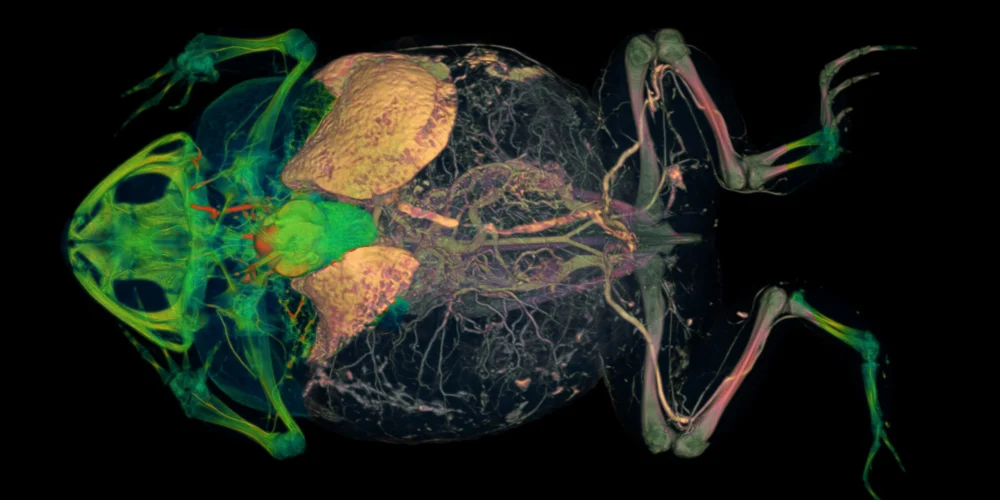
The Comprehensive Anatomy Research Project (CARP), which serves as the focal point of the presentation, represents a multidisciplinary shift in how veterinary science views animal biology. Historically, the study of exotic anatomy has been limited by traditional dissection methods, which often fail to preserve the fine detail required to understand the pathology of complex internal systems. CARP utilizes a combination of advanced imaging—such as computed tomography (CT), magnetic resonance imaging (MRI), and novel tissue-perfusion techniques—to create a digital atlas of species ranging from large reptiles like alligators to small teleost fish.
The integration of these technologies allows researchers to visualize anatomical structures in both healthy and diseased states without necessarily damaging the specimens. This is particularly crucial for the conservation of endangered species and the medical advancement of exotic animal practice, where clinical data is often sparser compared to canine or feline medicine. By digitizing these anatomical structures, the project provides a permanent, accessible, and high-fidelity reference point for researchers globally.
Chronology and Scope of the Project
The Comprehensive Anatomy Research Project has been gaining momentum over the past several years, evolving from isolated studies into a structured, multicenter collaborative effort. Dr. Echols has been at the forefront of this shift, having spent decades developing imaging protocols that are now standard in both animal and human medical fields.
- 1995–1999: Dr. Echols completes his DVM at Texas A&M and concludes his residency in avian medicine, setting the foundation for his specialization.
- 2005: Recognition as the T.J. Lafeber Avian Practitioner of the Year, marking his influence on the field.
- 2020–2025: The acceleration of CARP, characterized by the adoption of BriteVu and other contrast-enhanced perfusion techniques, which allow for the visualization of vascular structures with unprecedented clarity.
- December 3, 2026: The scheduled webinar, which serves as a milestone to engage the next generation of veterinary practitioners, students, and researchers in this collaborative framework.
Technical Methodology: The Role of Advanced Imaging
One of the core themes of the upcoming webinar is the utility of "BriteVu," a contrast agent that, when perfused through an animal’s vascular system, allows for incredibly detailed 3D imaging. This technology has been a game-changer for anatomy research. By filling the vessels with a radio-opaque substance, researchers can utilize CT scanning to map the complete circulatory systems of exotic animals.
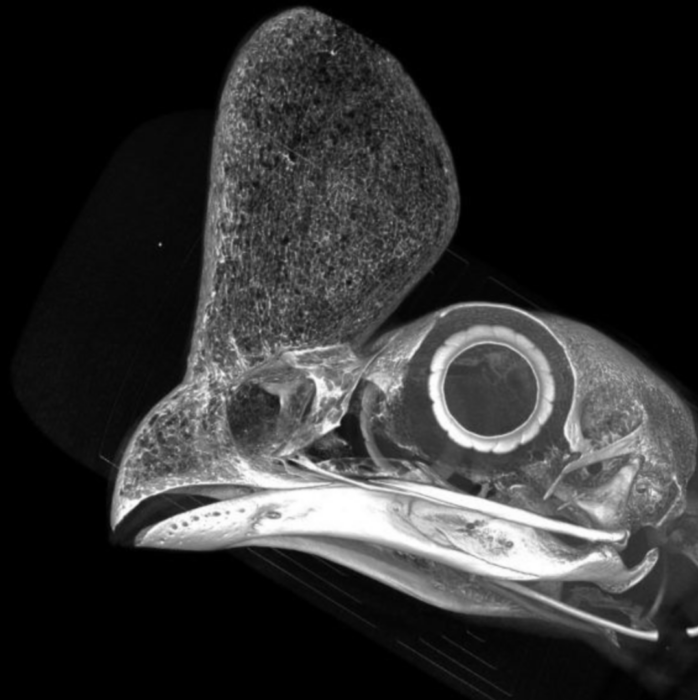
This methodology is essential for understanding "functional anatomy"—how these animals move, breathe, and survive in their respective environments. For instance, in a cane toad or a Northern helmeted curassow, the ability to see how blood flows through the heart and lungs provides a window into their metabolic demands. The data derived from these imaging projects is then shared via scientific meetings and peer-reviewed journals, ensuring that the veterinary community at large can benefit from these discoveries.
The Call for Collaboration
A primary goal of the December 3 presentation is to act as an open invitation for participation. The field of exotic animal research is often siloed, with limited access to specialized equipment or rare biological samples. By fostering a multicenter approach, the Comprehensive Anatomy Research Project hopes to lower the barrier to entry for residents, interns, and private practitioners who may have access to clinical cases but lack the resources to conduct high-level anatomical research.
Dr. Echols’ presentation will highlight how these individuals can contribute to the larger database. Whether through providing diagnostic images from clinical cases or participating in structured anatomical studies, the project seeks to democratize the research process. The educational event will outline the practical steps for getting involved, emphasizing that one does not need to be at a major university hospital to make a meaningful contribution to veterinary science.
Implications for Veterinary Practice
The broader impact of this initiative cannot be overstated. As the population of exotic pets continues to rise globally, the demand for specialized veterinary knowledge has outpaced the available literature. Standard textbooks are frequently outdated or lack the depth required for modern surgical and diagnostic interventions.
By creating a digital library of high-resolution anatomy, this research project provides a practical reference for veterinarians performing surgery on rare species. Knowing the precise vascular and skeletal anatomy of an exotic patient before a procedure can drastically improve surgical outcomes and reduce complication rates. Furthermore, this research contributes to broader zoological understanding, assisting conservationists in their efforts to protect species by understanding their fundamental biological requirements.
Webinar Logistics and Accessibility
To ensure that the information is disseminated as widely as possible, the event is hosted through the Zoom platform, which allows for international participation. The session is structured to be interactive, with a dedicated Q&A portion where attendees can pose questions directly to Dr. Echols. This accessibility is a key component of the project’s philosophy: to break down the barriers between academic research and private clinical practice.
For those unable to attend the live session, LafeberVet has confirmed that the event will be recorded and archived. This ensures that the knowledge gained from the webinar will remain a permanent resource for the veterinary community. The commitment to digital archiving is consistent with the project’s overarching goal of building a lasting repository of anatomical knowledge.

Analysis of Current Trends in Veterinary Education
The push toward digital, interactive education like this webinar reflects a larger trend in the veterinary profession. Following the disruptions of the mid-2020s, the industry has rapidly adopted remote learning as a viable and often superior method for continuing education. By utilizing high-quality visual data, such as those produced by the Comprehensive Anatomy Research Project, presenters can provide a much richer educational experience than traditional lecture formats.
The pending RACE approval for this webinar underscores the professional rigor of the project. AAVSB-approved continuing education is the gold standard for veterinary practitioners, ensuring that the content is evidence-based and professionally relevant. By aligning with these standards, the project ensures that the research presented is not merely theoretical but has direct, actionable implications for clinical practice.
Conclusion and Future Outlook
As the veterinary field continues to evolve, the integration of advanced imaging and collaborative research will become increasingly essential. The December 3, 2026, webinar represents a pivotal step in this direction, offering a clear roadmap for how practitioners can move from being passive consumers of anatomical knowledge to active contributors to the field.
The Comprehensive Anatomy Research Project is not just about cataloging the anatomy of alligators, zebra fish, or birds; it is about building a cohesive, data-driven foundation for the future of veterinary medicine. As Dr. Echols and his colleagues continue to push the boundaries of what is visible and understood in the animal kingdom, the veterinary community stands to benefit from a deeper, more profound connection to the organisms under their care. Practitioners interested in shaping the future of exotic medicine are encouraged to register and participate in this landmark event, ensuring that the spirit of scientific inquiry continues to flourish across all facets of veterinary practice.

