


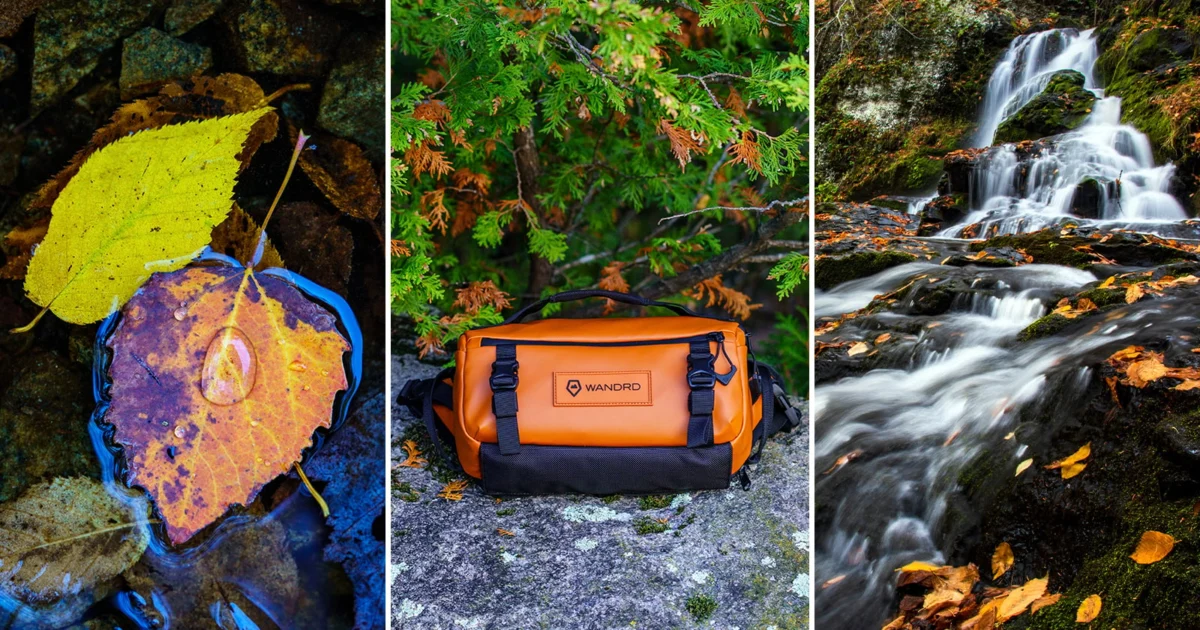
The pursuit of autumnal landscape photography requires a precise balance between agility and technical preparedness, as the window for peak foliage is often fleeting and subject to volatile weather conditions. Professional photographers increasingly rely on modular equipment systems to navigate the complexities of shifting light, erratic temperatures, and the need for both wide-angle environmental captures and telephoto wildlife documentation. By analyzing the logistical requirements of seasonal photography, it becomes evident that the efficacy of a field kit is defined less by the quantity of gear and more by the intentionality of its selection.
The Logistics of Seasonal Shifts
Autumn photography is distinct from other seasons due to the rapid transition of natural color palettes and the corresponding environmental challenges. Meteorologists note that peak foliage windows are often compressed into two to three weeks, depending on altitude and latitude. This urgency necessitates a setup that minimizes downtime. For many professionals, this involves a bifurcated approach to equipment carriage.

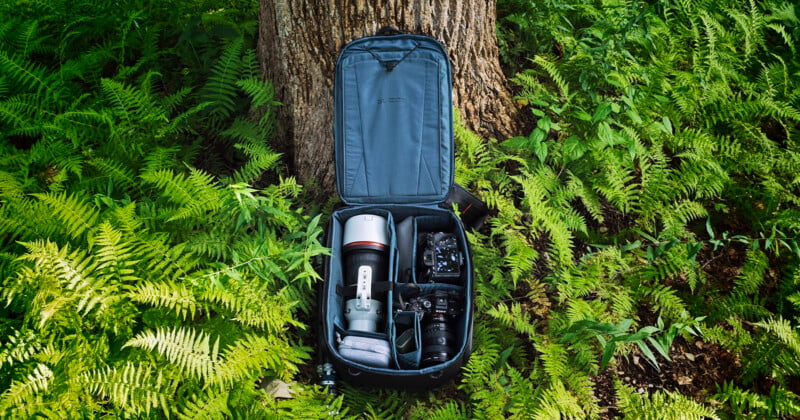
When prioritizing landscape photography, the objective is to maintain mobility. Smaller, sling-style bags, such as the WANDRD Rogue Sling 9L, allow for rapid deployment and ease of movement across rugged terrain. Conversely, when the focus shifts to wildlife or long-distance compression—common in areas where elk or deer are active during the rut—the requirements expand. A larger capacity backpack, like the PGYTECH OneMo 2, provides the necessary volume to accommodate heavy telephoto glass, such as a 500mm lens, without sacrificing the organizational integrity of the secondary components.
Technical Foundations and Environmental Variables
The primary technical challenge in autumn photography is the management of light. Foliage, particularly when wet from seasonal rainfall or morning mist, creates significant specular highlights that can degrade image contrast. A circular polarizing (CPL) filter is considered essential by industry experts to mitigate these reflections, effectively "peeling back" the glare from wet leaves and water surfaces to reveal the underlying saturation of the autumn colors.
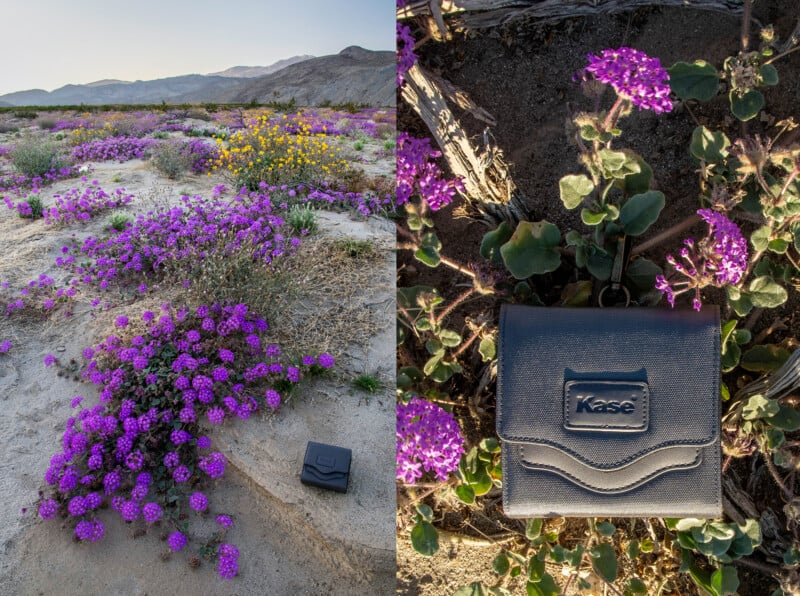
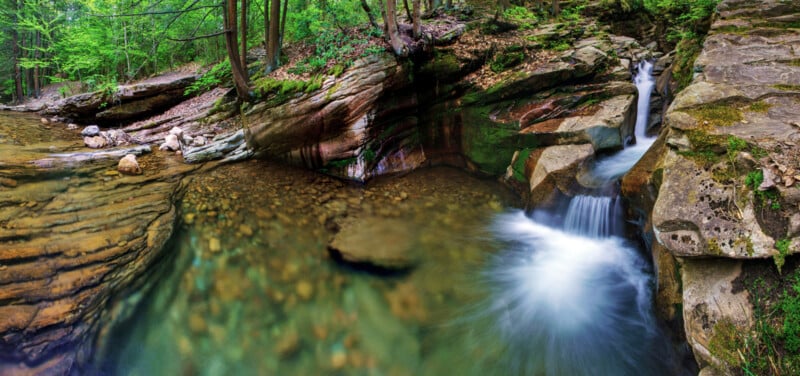
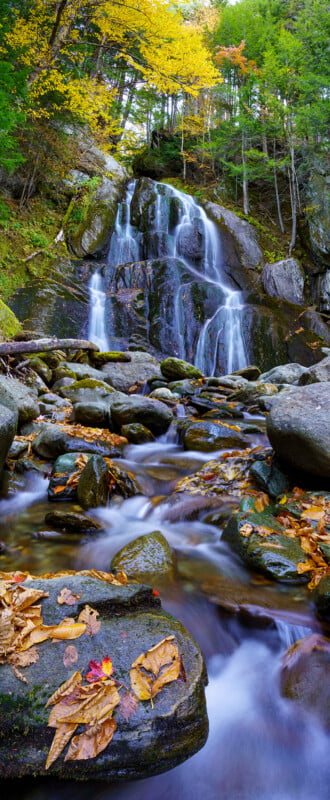
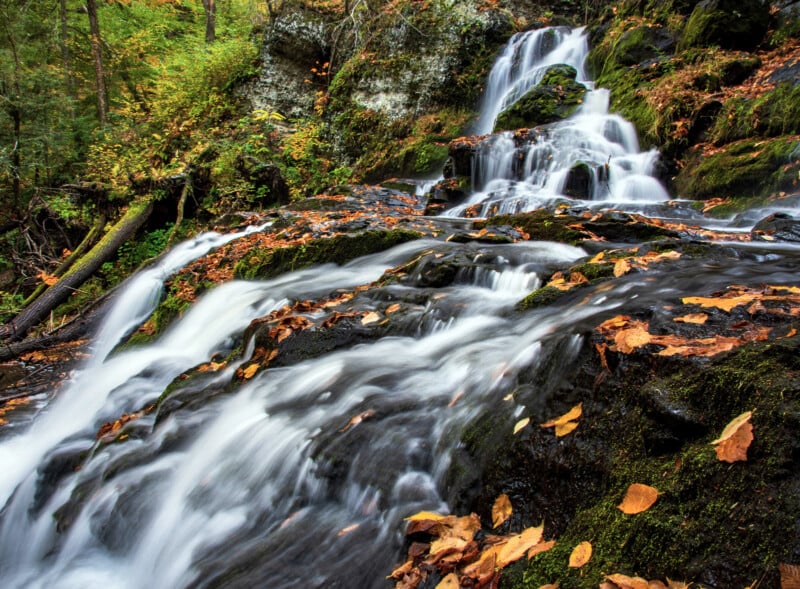
Furthermore, the integration of neutral density (ND) filters is critical for creative control. Autumn landscapes frequently feature flowing water—streams and waterfalls being high-traffic subjects—where a slower shutter speed is required to render motion in a visually pleasing, silky manner. The use of magnetic filter systems, such as the Kase KW series, has gained traction for their ability to allow rapid filter swaps in cold or damp conditions, where fumbling with threaded filters can lead to dropped equipment or prolonged exposure to the elements.

Power Management in Sub-Optimal Temperatures
Temperature-related battery depletion remains one of the most significant risks to productivity during the fall season. Lithium-ion batteries, which power the modern mirrorless camera, experience a drop in voltage output when subjected to lower ambient temperatures. Data suggests that batteries can lose up to 20% of their effective capacity when temperatures drop below 40 degrees Fahrenheit (4 degrees Celsius).
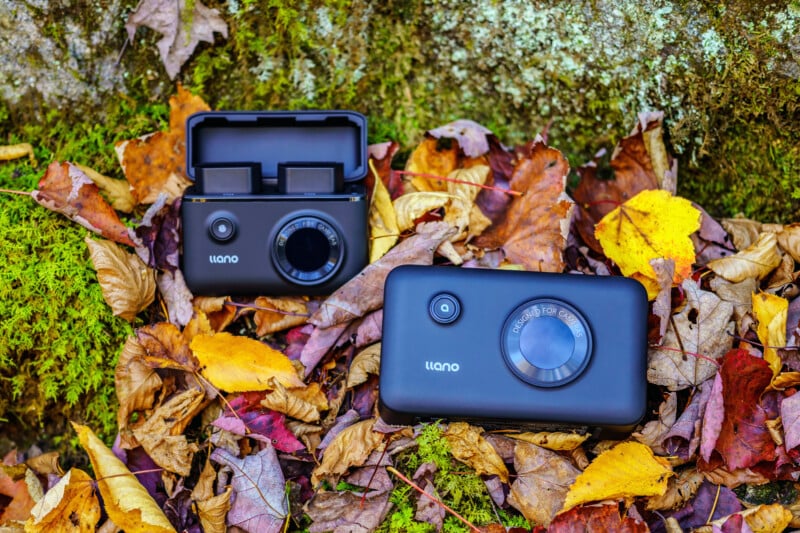
To counteract this, modern field strategies involve active power management. Third-party charging solutions, such as those provided by Llano, offer a distinct advantage over standard charging protocols. By utilizing a dual-bay charging case with an integrated internal power bank, photographers can cycle through multiple batteries throughout the day. This eliminates the need for grid-connected power and ensures that the camera remains operational during the "golden hour," when the most dramatic light often occurs.
Expanding the Documentation Scope
The modern landscape photographer is often expected to serve as a multimedia storyteller. The inclusion of external monitors, such as the Neewer F700U, allows for precise focus peaking and exposure verification that the standard rear-facing LCD screen cannot match. This is particularly relevant when working with macro photography, where the depth of field is exceptionally shallow and the margin for error is minimal.
Moreover, the rise of behind-the-scenes (BTS) documentation via compact gimbal cameras has changed the audience’s relationship with nature photography. By providing context—showing the physical environment, the photographer’s vantage point, and the movement of the foliage—creators can provide transparency that validates their work against growing skepticism regarding the use of generative AI in nature imagery. This shift toward "provenance-based" content is a growing trend, as viewers seek authenticity in an era of digital saturation.
Ethical Considerations and Field Practices
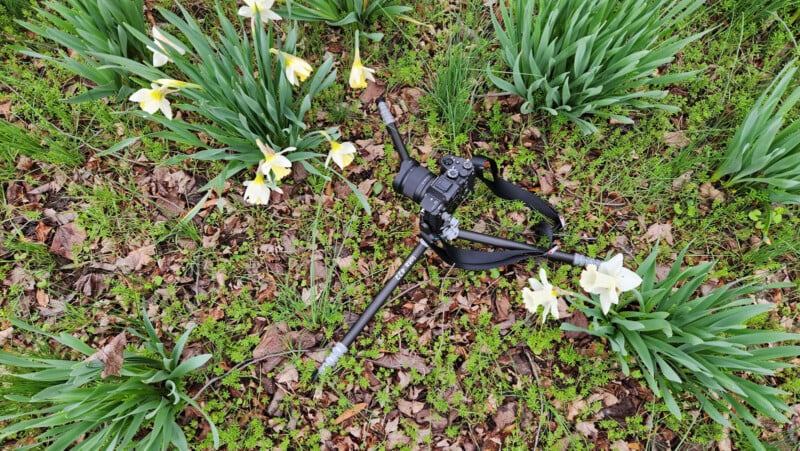
Professional nature photography is governed by a strict code of ethics, particularly concerning the interaction with the environment. The practice of creating "nature flat lays"—arranging fallen leaves, berries, or moss into aesthetically pleasing compositions—is a common technique, but it must be performed with ecological responsibility. Industry standards dictate that objects should only be collected if they have already fallen, and they must be returned to their natural position once the photograph is complete. This minimizes the human footprint and preserves the integrity of the ecosystem for other visitors.
Implications of Equipment Standardization
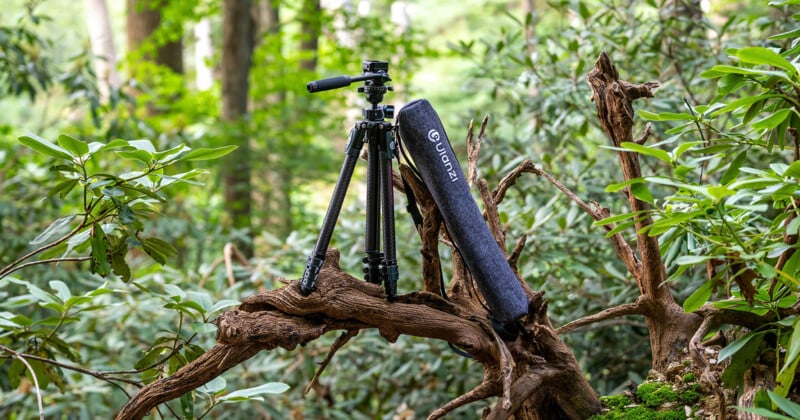
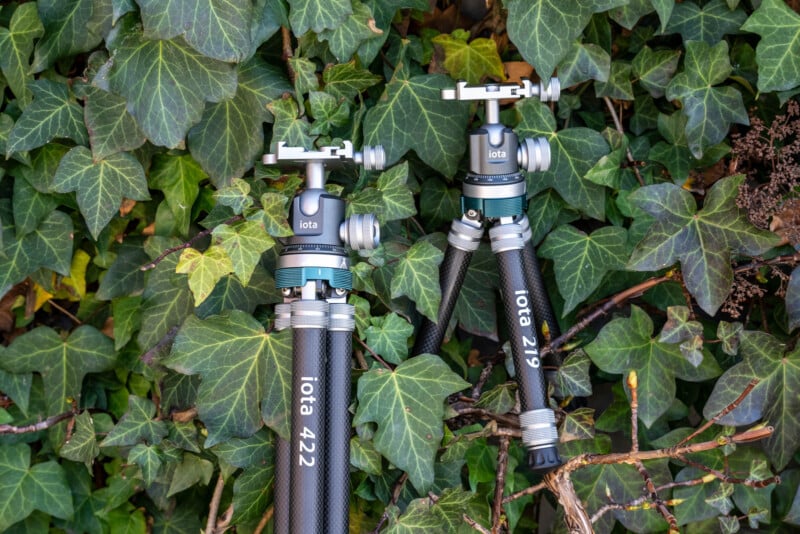
The trend toward modularity—carrying only what is necessary for the specific day’s objective—has broader implications for the photography industry. Manufacturers are responding by designing lighter, more durable materials, such as carbon fiber for tripods (e.g., Ulanzi JJ06 or Promaster Iota series) and weather-sealed bags.
The analysis of field gear usage reveals that there is no "one-size-fits-all" solution. The transition from a lightweight, landscape-only kit to a robust, wildlife-ready configuration is a deliberate tactical choice. This flexibility allows the photographer to adapt to the unpredictable nature of the outdoors, where an elk sighting or a sudden change in cloud cover can fundamentally alter the artistic direction of a shoot.
Conclusion: The Preparedness Factor
As the autumn season continues to attract millions of photographers to forests and mountain ranges, the importance of preparation cannot be overstated. By focusing on durable, modular, and environmentally resilient gear, photographers are better positioned to capture the transient beauty of the season. The successful integration of specialized tools—from CPL filters to advanced power banks—allows the creator to spend less time managing logistics and more time observing the landscape, ultimately resulting in more evocative and technically proficient imagery. As the industry evolves, the emphasis will likely remain on equipment that provides maximum versatility with minimal physical burden, allowing for the continued exploration of the natural world with both precision and respect.

