


The American Federation of Aviculture (AFA) has long stood at the forefront of avian stewardship, advocating for the responsible breeding, conservation, and scientific understanding of birds. Central to this mission is the organization’s robust suite of educational tools designed for aviculturists, educators, bird clubs, and enthusiasts alike. Through structured online curricula such as the Fundamentals of Aviculture series and accessible community-based programs like the Avian Biology Classroom, the AFA continues to bridge the gap between amateur bird keeping and rigorous avian science. As global ecosystems face increasing pressures and the demand for specialized knowledge in animal husbandry grows, the AFA’s comprehensive educational framework provides an invaluable resource for elevating standards of care across the avicultural community.
Background Context and Collaborative Development

The necessity for standardized, scientifically backed avian education has historically been a primary concern for professionals and hobbyists within the aviculture community. Recognizing that traditional mentorship models, while valuable, often lacked uniformity and scientific depth, the AFA embarked on a mission to formalize foundational knowledge.
The creation and continuous expansion of the AFA’s educational resources did not happen in a vacuum. The development of the cornerstone curriculum, the Fundamentals of Aviculture, was made possible through critical external partnerships and grant funding. Notably, financial and developmental support was provided by a grant from the Pet Care Trust, an organization dedicated to promoting public education regarding companion animals and responsible pet care. Furthermore, substantial funding, institutional backing, and academic expertise were contributed by the Schubot Exotic Bird Health Center, housed within the College of Veterinary Medicine at Texas A&M University. This collaboration between a premier veterinary institution and a national avicultural authority ensured that the curriculum met high standards of scientific accuracy, animal welfare, and practical applicability.
The Fundamentals of Aviculture: A Structured Learning Pathway

The AFA’s structured learning pathway is primarily divided into two progressive online tiers: Level I and Level II. These courses are hosted on the dedicated AFA Campus platform, allowing students worldwide to access comprehensive training at their own pace.
Fundamentals of Aviculture Level I serves as the gateway for individuals entering the scientific discipline of modern aviculture. Encompassing nine detailed chapters, the curriculum covers a vast spectrum of essential topics. Students are introduced to avian anatomy and physiology, gaining a structural understanding of how birds function biologically. The course delves deeply into avian behavior, enabling keepers to interpret psychological cues, reduce stress, and promote natural behaviors. Additionally, Level I addresses the complex web of local, national, and international laws and regulations affecting aviculture, ensuring that hobbyists and breeders remain compliant with legal standards. Crucially, the foundational course dedicates significant modules to proper housing design, nutritional requirements, and preventative medicine to mitigate illness in captive-bred populations.
Upon successful completion of Level I, students become eligible to enroll in Fundamentals of Aviculture Level II, an advanced intermediate program designed to expand upon biological and husbandry concepts. Offered in 15 comprehensive chapters, Level II transitions into specialized areas such as avian conservation initiatives, field research methodologies, and the intricate dynamics of courtship and nesting. Genetic principles are explored thoroughly, including basic avian genetics, the inheritance of color mutations, and the study of hybrids.

The curriculum also addresses the practical mechanics of breeding, examining specific breeding stimuli, advanced incubation techniques, and the nuances of hand-rearing dependent chicks. Recognizing the diversity of avian species, Level II includes specialized modules on non-parrot studies, acknowledging the distinct husbandry requirements of softbills, raptors, and other non-psittacine birds. To ensure holistic care, the intermediate course covers basic microbiology, identification and management of common avian illnesses, emergency first-aid protocols, and advanced environmental enrichment strategies designed to stimulate psychological and physical well-being.
Enrollment in Level II is structured to be accessible while supporting the broader mission of the organization. The introductory admission fee is set at $75 for current AFA members. For non-members wishing to pursue advanced certification, the platform offers a streamlined option to purchase a one-year AFA membership directly during the admission checkout process, thereby integrating new learners into the wider advocacy community.
Expanding Outreach: The Avian Biology Classroom
Complementing the online campus courses, the AFA developed the Avian Biology Classroom (ABC) to democratize education and facilitate grassroots learning. Designed specifically for bird clubs, secondary and post-secondary teachers, and local educators, the ABC program is structured for broad community outreach.
The Avian Biology Classroom provides ready-to-use presentation materials available for free download in both Microsoft PowerPoint (PPT) and Portable Document Format (PDF). By lowering the barrier to entry, the AFA enables community leaders to conduct localized seminars, workshops, and classroom lessons on avian biology without requiring specialized curriculum development resources. Participants only require standard viewing software, such as Adobe Acrobat Reader, to access the extensive PDF slide decks and instructional materials.
The ABC curriculum is meticulously organized into five distinct modules, each addressing fundamental biological and ecological concepts through an avian lens:
Module 1: Scientific Method
This module introduces learners to the empirical process, teaching students how to formulate hypotheses, design observational and experimental studies, and analyze data within the context of avian research and husbandry.
Module 2: Characteristics of Life
Focusing on the biological criteria that define living organisms, this section explores cellular structure, metabolism, homeostasis, growth, and reproduction as observed in avian species.
Module 3: Populations
Shifting from the individual organism to group dynamics, this module examines population ecology, carrying capacity, demographic trends, and the factors influencing avian population stability in both wild and managed settings.

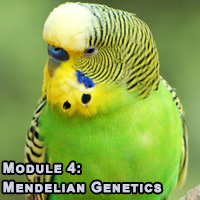
Module 4: Mendelian Genetics
Building a foundation for selective breeding and conservation genetics, this module breaks down Gregor Mendels principles of inheritance, dominant and recessive traits, Punnett squares, and genotype-phenotype relationships.
Module 5: Ecological Terminology
Concluding the foundational series, this module familiarizes learners with key ecological concepts, including habitats, niches, trophic levels, biodiversity, and the complex interactions between avian species and their surrounding environments.
Statements and Industry Reception
Educational leaders and veterinary professionals have consistently praised the AFA’s multi-tiered approach to learning. Representatives from academic institutions involved in the curriculum’s genesis have highlighted the importance of bridging practical aviculture with evidence-based veterinary science. By embedding veterinary insights directly into hobbyist training, the gap between theoretical medicine and daily husbandry practices narrows significantly.
Avicultural societies and local bird clubs have similarly lauded the accessibility of the Avian Biology Classroom. Club coordinators note that having standardized, peer-reviewed presentation materials allows volunteer organizations to offer high-quality educational programming that they otherwise could not afford to develop independently. This democratization of knowledge ensures that best practices regarding nutrition, disease prevention, and conservation permeate down to individual bird owners.
Broader Impact and Implications
The long-term implications of the AFA’s educational initiatives extend far beyond individual bird ownership; they play a critical role in the broader conservation of avian biodiversity. As natural habitats shrink and numerous wild bird species face anthropogenic threats, captive breeding programs managed by knowledgeable aviculturists serve as vital insurance populations against extinction.
By institutionalizing high standards of care through the Fundamentals of Aviculture and fostering scientific literacy through the Avian Biology Classroom, the AFA ensures that the next generation of bird keepers is equipped with the ethical, legal, and biological frameworks necessary to support sustainable aviculture. Furthermore, the emphasis on conservation, genetics, and ecology encourages hobbyists to view their practices not merely as a pastime, but as an active contribution to global avian science and species preservation.

