


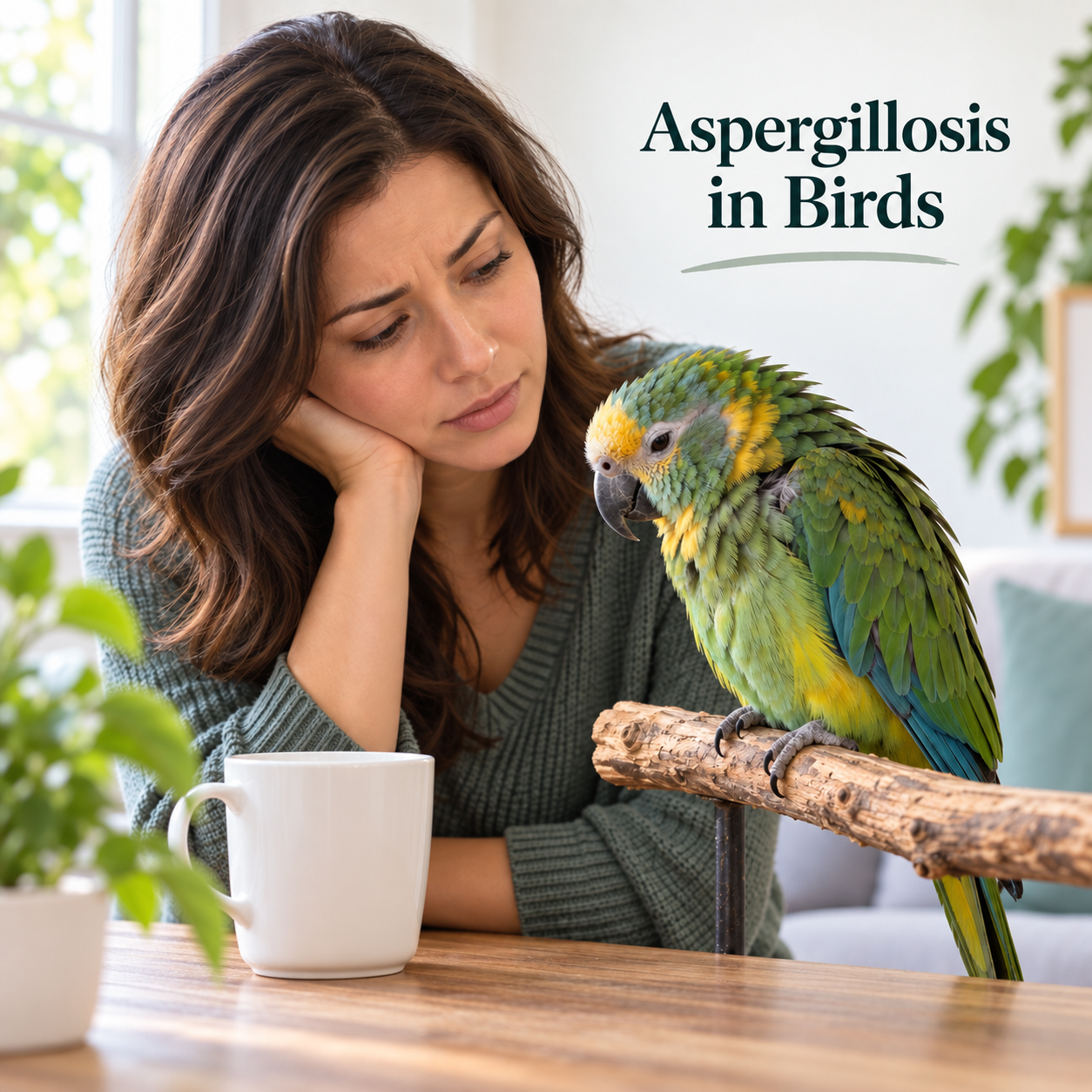
Aspergillosis represents one of the most common and challenging fungal diseases encountered in avian medicine, primarily affecting the respiratory systems of captive birds. Caused by various species of Aspergillus—a ubiquitous mold found in soil, decaying organic matter, and even household dust—the condition primarily targets the lungs and air sacs. While the disease is frequently discussed in avian health circles, it remains a source of significant anxiety for pet owners due to its subtle clinical presentation, the complexities of diagnostic testing, and the prolonged nature of its treatment protocols.
Clinical Manifestations and Early Detection
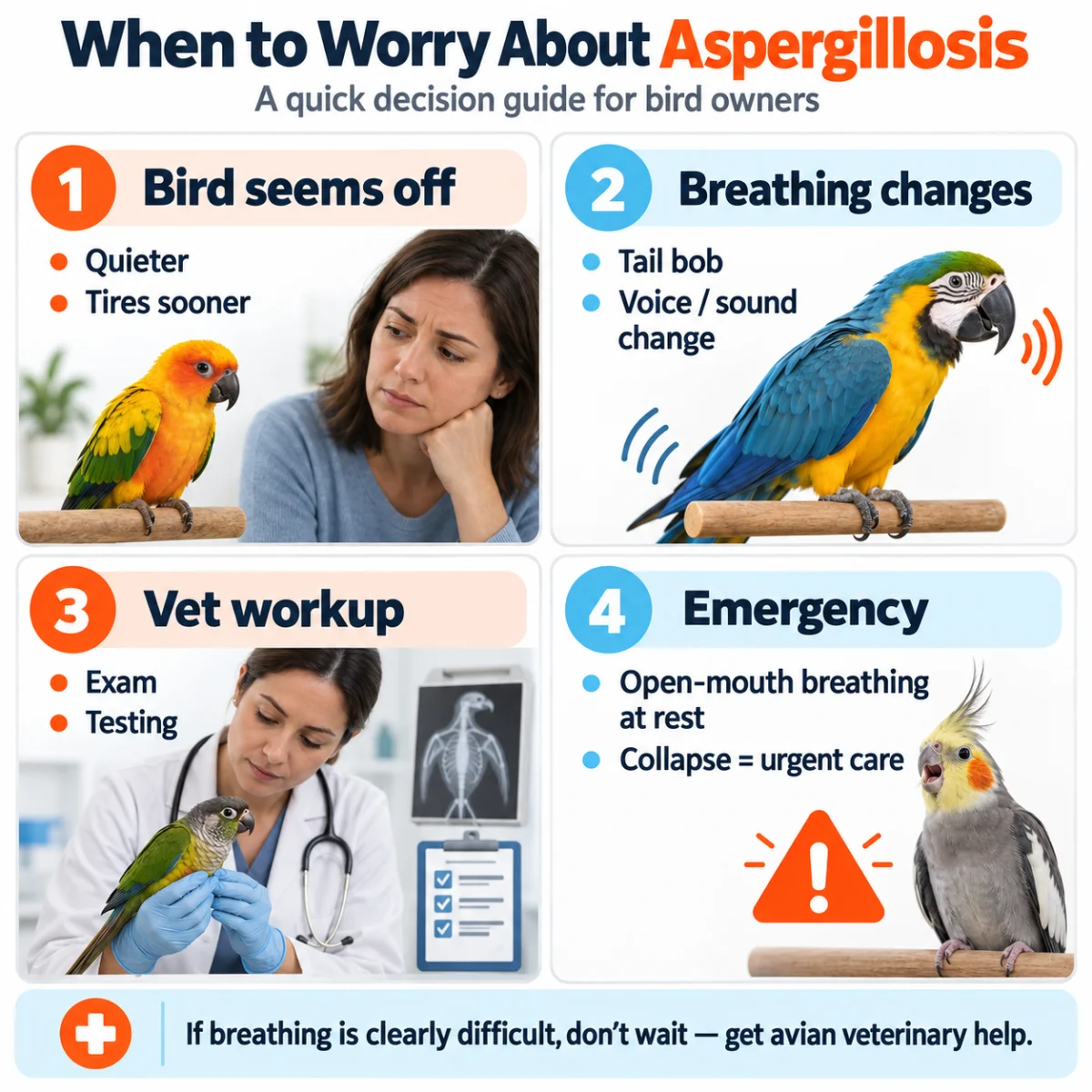
The clinical trajectory of aspergillosis in birds is rarely uniform. In many cases, the onset is insidious, characterized by non-specific indicators that are easily overlooked by even the most attentive owners. Common early warning signs include a decrease in vocalization, lethargy, reduced interest in social interaction, and a subtle decline in physical stamina.
Avian veterinarians emphasize that "exercise intolerance" is often the first true indicator of the disease. A bird that previously navigated a flighted environment with ease may suddenly struggle to maintain altitude or require significantly longer periods to recover after minimal exertion. Furthermore, weight loss—often detected through regular monitoring on a gram scale—frequently precedes more overt clinical symptoms. While owners may look for audible cues like wheezing or clicking, it is critical to note that these sounds are non-specific and can indicate a variety of pathologies, ranging from bacterial infections to heart disease or airway obstructions.
The Diagnostic Challenge: A Multimodal Approach
The difficulty in diagnosing aspergillosis stems from the absence of a single "gold standard" test that can confirm the presence of the fungus with 100% sensitivity and specificity in all cases. According to a 2024 systematic review published in Medical Mycology, diagnostic accuracy varies significantly across available methods, including PCR, serology, and imaging.
Veterinarians generally utilize a diagnostic "puzzle" approach. This includes:
- Hematology: Assessing white blood cell counts to identify inflammatory responses.
- Radiography (X-rays): Evaluating the respiratory tract for granulomas, tissue thickening, or localized masses.
- Advanced Imaging (CT scans): Providing high-resolution anatomical views, which are particularly useful for identifying lesions that may be hidden on standard X-rays.
- Endoscopy: Enabling direct visualization of the air sacs and the collection of biopsy samples for histopathology, which remains the most definitive method for confirming fungal invasion of tissue.
Because birds are frequently exposed to Aspergillus spores in the environment, a positive test result does not always equate to active disease. Conversely, a negative result cannot definitively rule out an infection, particularly if the fungal colonization is localized in an area not sampled by the test. Consequently, clinicians must balance test results against the bird’s clinical history and physical presentation.
Etiology and Risk Factors: Assessing Environmental Triggers
Aspergillosis is not a contagious disease in the traditional sense; it is an opportunistic infection. Whether a bird develops the disease is determined by the interplay between the quantity of fungal spores inhaled and the efficiency of the bird’s immune system.
Chronic stress, poor nutritional status, and immunosuppression are significant predisposing factors. Specifically, long-term vitamin A deficiency has been documented as a major risk factor, as vitamin A is essential for maintaining the integrity of the respiratory mucosal lining. While certain species—such as African Greys, Amazons, and Macaws—are statistically overrepresented in clinical case reports, any avian species can succumb to the infection under the right environmental conditions.
The environmental context is paramount. Contrary to the belief that an owner’s lack of hygiene is the primary cause, aspergillosis is often linked to localized moisture issues. Damp substrates, decomposing food particles, or poorly maintained humidifiers can create micro-environments where Aspergillus colonies thrive. It is important to note that the presence of mold in a home does not automatically guarantee a bird will become ill; rather, it increases the probability of high-level spore exposure.
Therapeutic Protocols and Recovery Expectations
Treatment for aspergillosis is a marathon, not a sprint. Because the fungus often forms granulomas—walled-off pockets of infection that are difficult for systemic medications to penetrate—treatment courses frequently span several weeks or even months.
Antifungal agents, such as voriconazole or itraconazole, serve as the cornerstone of therapy. In more severe cases, supportive care is mandatory, including oxygen supplementation, fluid therapy, and nebulization. In instances where a granuloma is obstructing an airway, surgical intervention via endoscopy may be required to debulk the mass.

Recovery is measured by the gradual stabilization of weight, the resolution of respiratory sounds, and the improvement of stamina. It is vital for owners to understand that clinical improvement does not signify the immediate eradication of the fungus. Premature cessation of medication is a primary cause of recurrence. Owners are encouraged to maintain strict adherence to the vet’s dosing schedule and to participate in regular follow-up diagnostics to ensure that the internal inflammatory markers are trending toward normal.
The Role of Home Management and Prevention
While no home can be made entirely sterile, owners can take proactive steps to mitigate risk. The focus should be on "source control"—identifying and eliminating areas of stagnant moisture.
- Hygiene Routines: Regularly cleaning cage trays and removing damp food debris is essential.
- Ventilation: Ensuring adequate airflow prevents the accumulation of spores.
- Filtration: High-efficiency particulate air (HEPA) filters can supplement, but not replace, good sanitation practices.
- Nutrition: Providing a balanced diet rich in Vitamin A helps maintain the bird’s natural respiratory defenses.
When to Seek Emergency Intervention
Despite the chronic nature of the disease, there are acute milestones that necessitate immediate emergency care. If a bird begins open-mouth breathing while at rest, shows signs of cyanosis (bluish tint to skin or tissues), displays severe ataxia (loss of balance), or experiences a total loss of appetite, the situation has moved beyond routine monitoring. These signs are indicative of severe respiratory distress and require immediate veterinary intervention.
Implications and Professional Perspective
The prevailing consensus in the veterinary community is that while aspergillosis carries a guarded prognosis, recovery is entirely possible with early detection and long-term commitment. The most significant barrier to success is often the delay in seeking professional care due to the subtle nature of early symptoms.
For the average bird owner, the takeaway is clear: develop a baseline for what is "normal" for your bird, including weight, activity levels, and vocalization. Any persistent deviation from this baseline warrants an investigation. Furthermore, when navigating the complexities of a diagnosis, owners should prioritize clear communication with their avian veterinarian. If the diagnosis or treatment plan remains unclear, seeking a second opinion from a board-certified avian specialist is a responsible and encouraged step, provided that all previous medical records and diagnostic images are shared between clinics to ensure continuity of care.
Ultimately, aspergillosis requires a collaborative effort between the bird owner, who acts as the primary observer, and the veterinarian, who interprets the clinical findings. By focusing on environmental management and vigilant observation, the risk of this challenging fungal disease can be significantly lowered, providing the best possible outcome for the bird’s long-term health.

