


The Peach State of Georgia serves as a vital ecological crossroads, with its diverse landscape ranging from the mountainous terrain of the Blue Ridge and the Appalachian Plateau to the vast, water-logged expanses of the Okefenokee Swamp. These varied habitats provide a sanctuary for a wide array of avian predators, particularly those belonging to the family Accipitridae. Understanding the taxonomy of these birds is a challenge for both casual observers and serious ornithologists, as the distinctions between "true hawks," buteos, and other raptors are often blurred by common nomenclature. To clarify the status of these predators in Georgia, one must first look at the hierarchical classification of the Accipitriformes order.

The Taxonomic Framework: Defining the Raptor
The classification of birds of prey involves several layers of scientific categorization. At the highest level, the order Accipitriformes encompasses the vast majority of diurnal birds of prey. Within this order lies the family Accipitridae, a broad group that includes hawks, eagles, and kites. The subfamily Accipitrinae is specifically designated for "true hawks," which include the genera Accipiter, Microspizias, Erythrotriorchis, Megatriorchis, and the harrier genus Circus.
While this classification is precise, it often conflicts with common language. For instance, the genus Buteo—which includes the Red-tailed and Red-shouldered hawks—technically falls outside the Accipitrinae subfamily. However, these birds are universally referred to as hawks in public discourse and ornithological field guides. Consequently, any analysis of Georgia’s hawk population must account for both the biological "true hawks" and the colloquially accepted Buteo hawks to provide a complete picture of the state’s biodiversity.
The Georgia Landscape and Avian Diversity
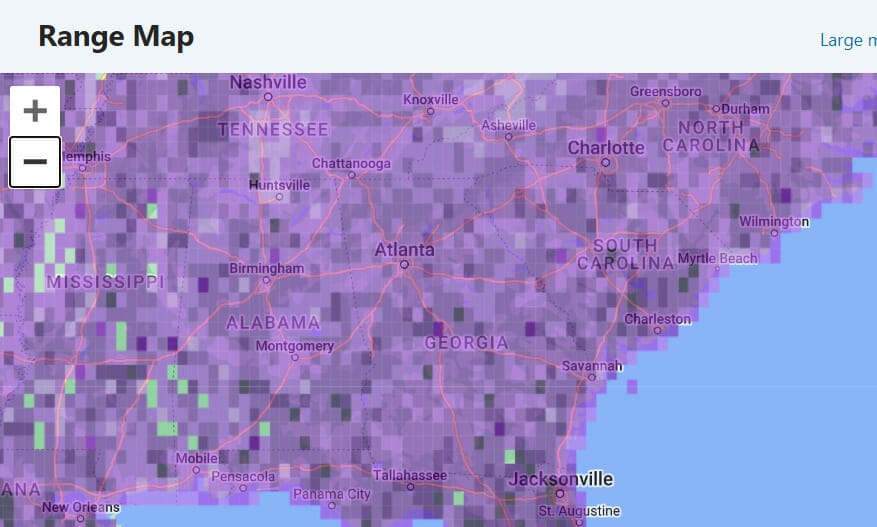
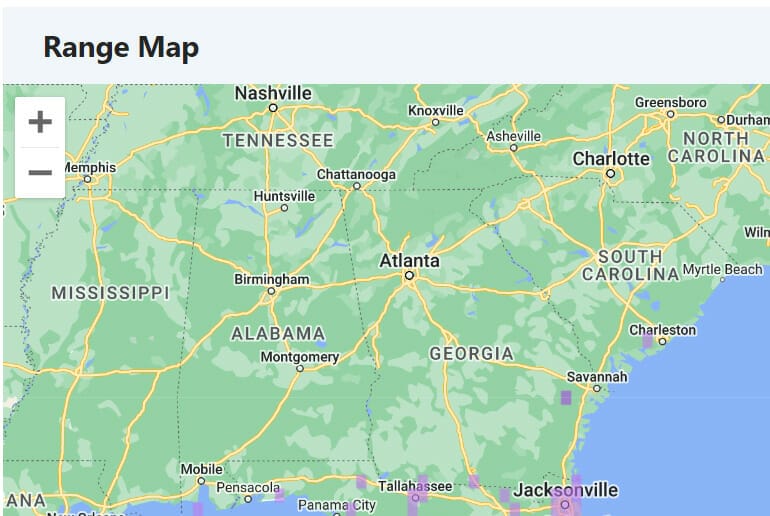
Georgia holds a respectable position in the North American birding community. According to eBird data, approximately 438 species of birds have been recorded within the state’s borders, placing it at 32nd in national rankings. While it may not reach the species density of larger or more tropical states, its unique geography—featuring 100 miles of coastline, critical barrier islands, and extensive inland wetlands—creates specialized niches for raptors.
The presence of these species is not merely a matter of scientific curiosity; it serves as a bio-indicator for the health of Georgia’s ecosystems. Raptors reside at the top of the food chain, and their population stability reflects the availability of prey, such as small mammals, reptiles, and songbirds, as well as the integrity of forest canopies and open grasslands.
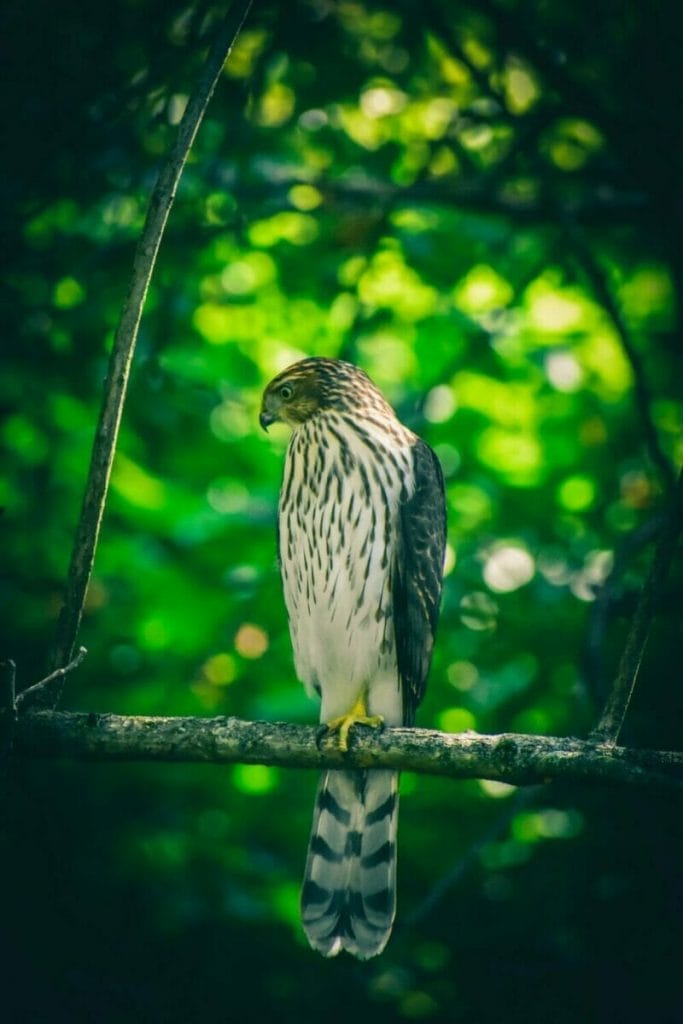
The Buteo Hawks: Broad-Winged Predators
Buteo hawks are characterized by their wide wings and robust bodies, evolved for soaring over open terrain while searching for prey.
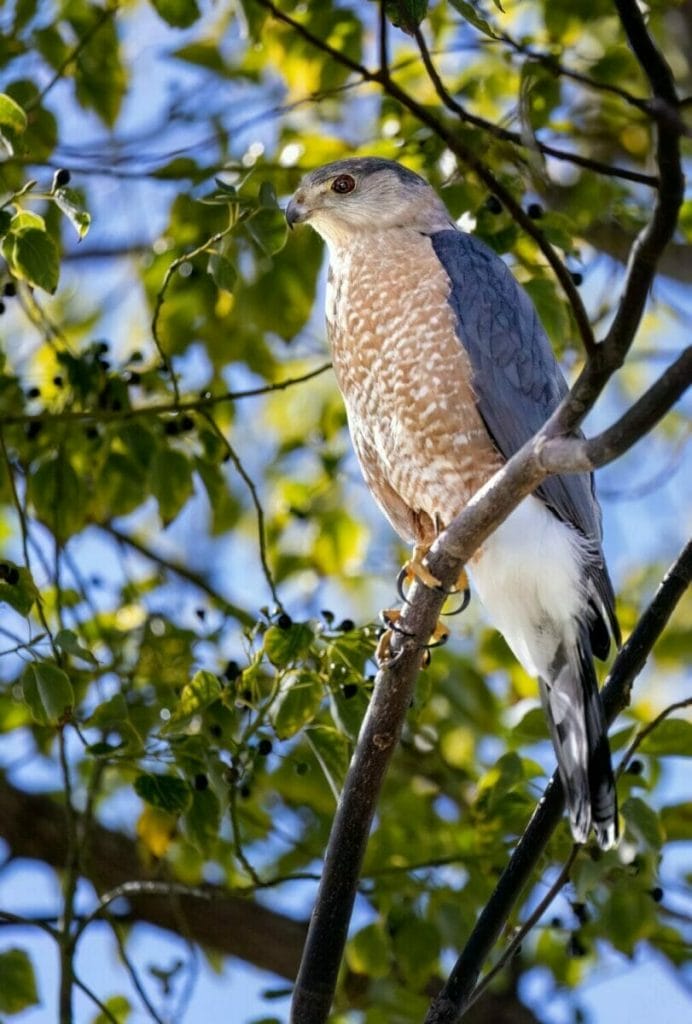
The Red-shouldered Hawk (Buteo lineatus)
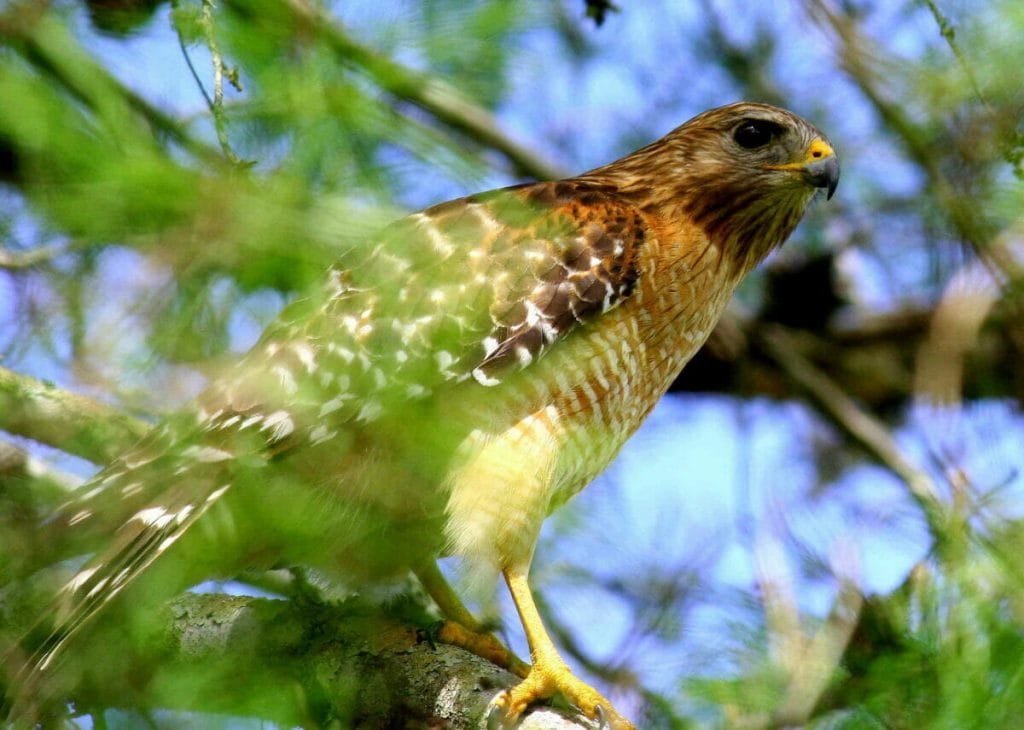
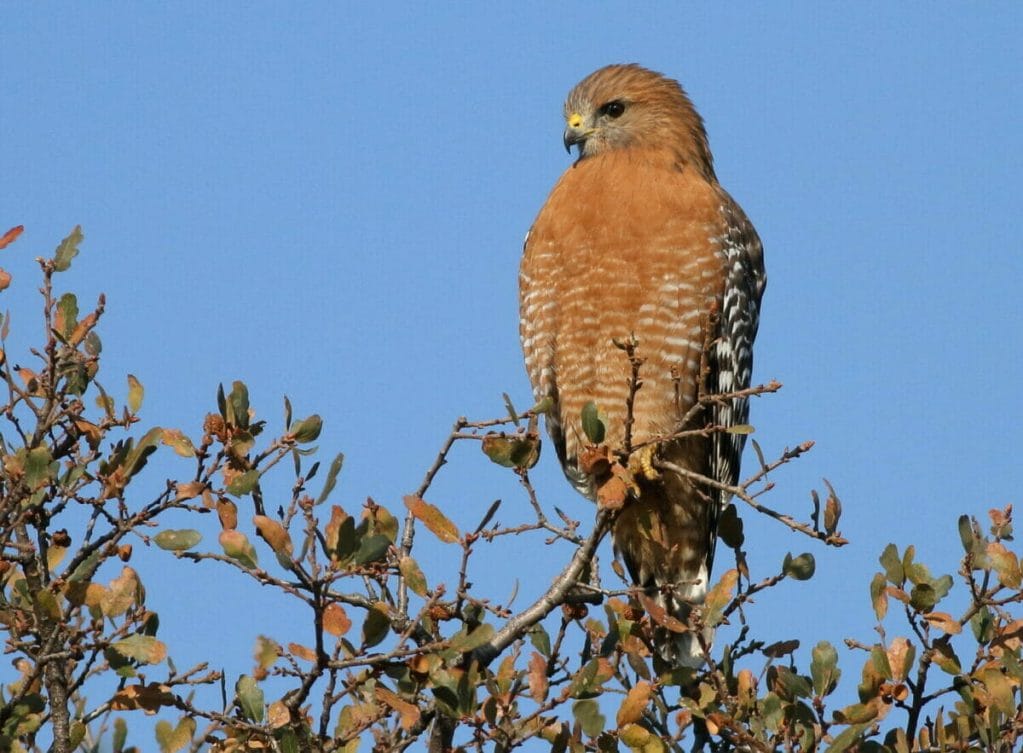
As a year-round resident, the Red-shouldered Hawk is a staple of Georgia’s wooded landscapes. It is easily identified by its rich rufous coloring on the breast and shoulders, contrasted by striking black-and-white checkered wing feathers. Measuring between 16.9 and 24 inches in length, this species is a specialist of forest environments, where it preys on mice, snakes, and small amphibians.
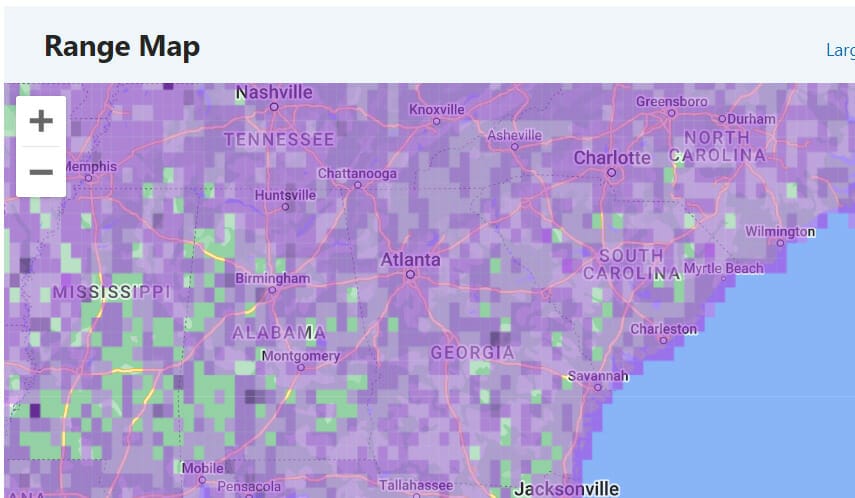
The Red-tailed Hawk (Buteo jamaicensis)
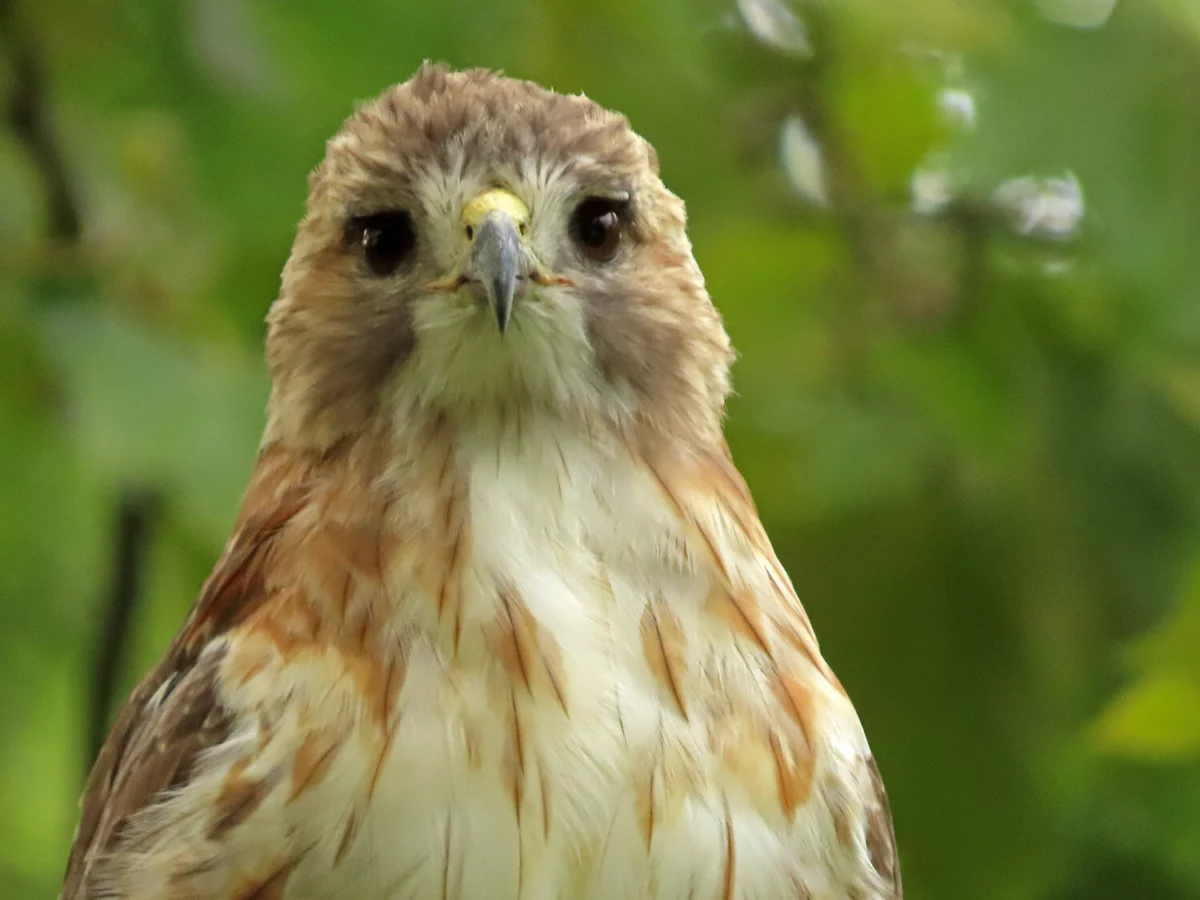
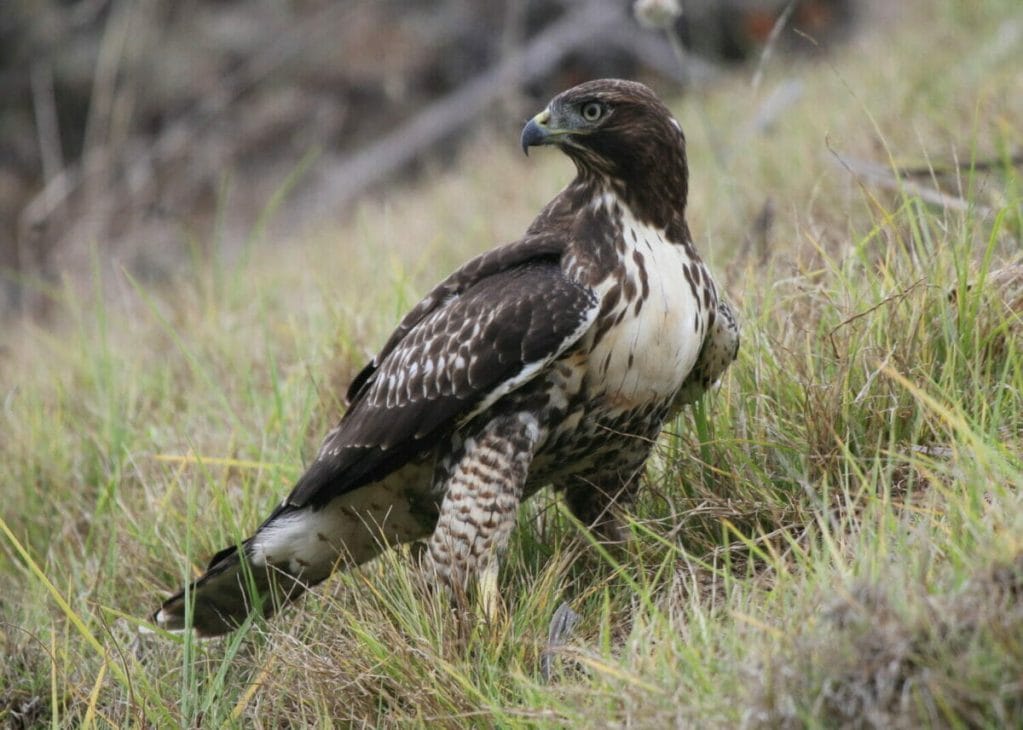
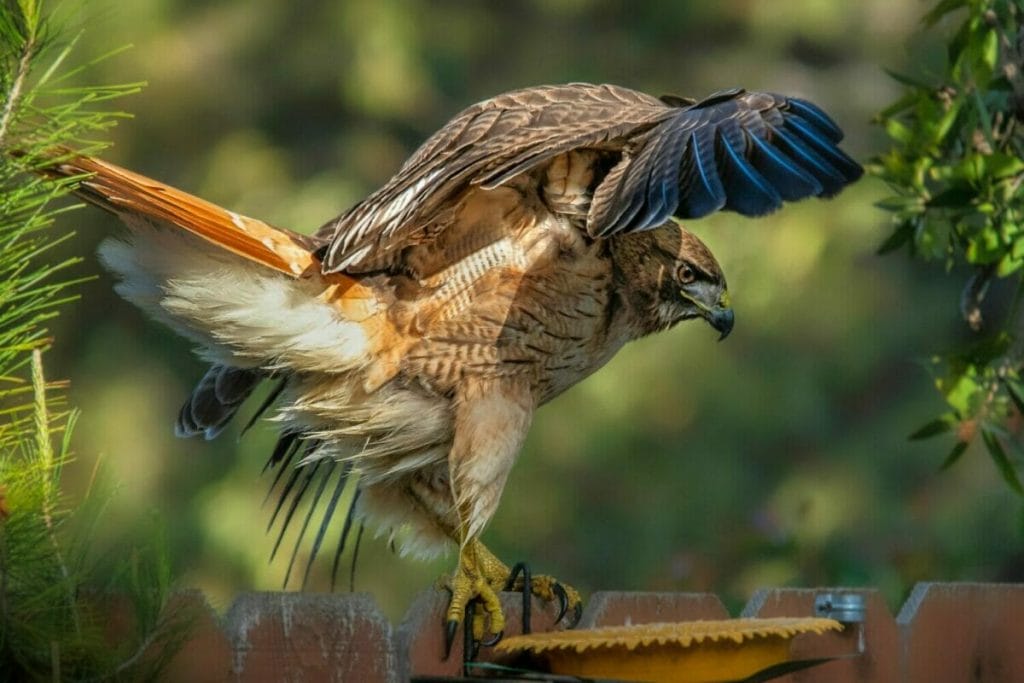
Perhaps the most iconic raptor in the United States, the Red-tailed Hawk is ubiquitous across Georgia. Its namesake red tail is a diagnostic feature for adults, though its plumage can vary significantly. These birds are apex hunters of the sky, known for a high-pitched, raspy scream often sampled in film and television to signify wilderness. They are highly adaptable, occupying everything from agricultural fields to urban centers.
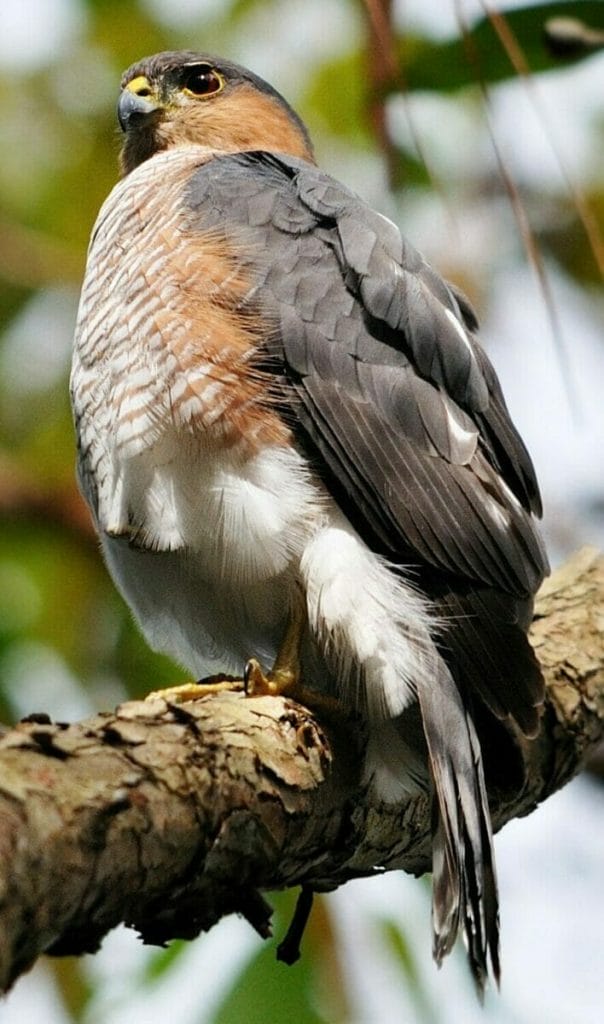
The Broad-winged Hawk (Buteo platypterus)
A seasonal visitor, the Broad-winged Hawk breeds in Georgia during the summer before migrating to Central and South America. These birds are smaller than the Red-tailed, with a wingspan of 31.9 to 39.4 inches. Their migration is a biological marvel; they travel in large social groups known as "kettles," circling high on thermal currents to conserve energy during their long-distance journeys.
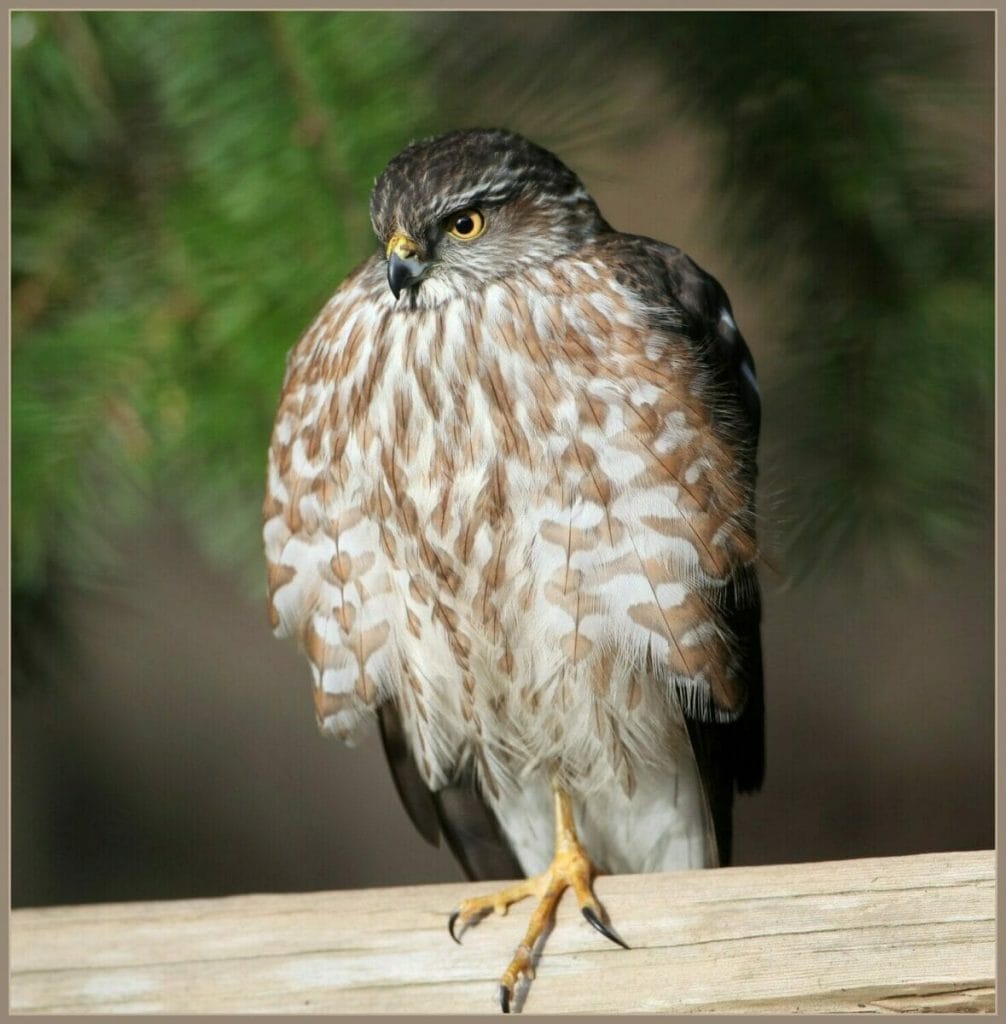
The Short-tailed Hawk (Buteo brachyurus)
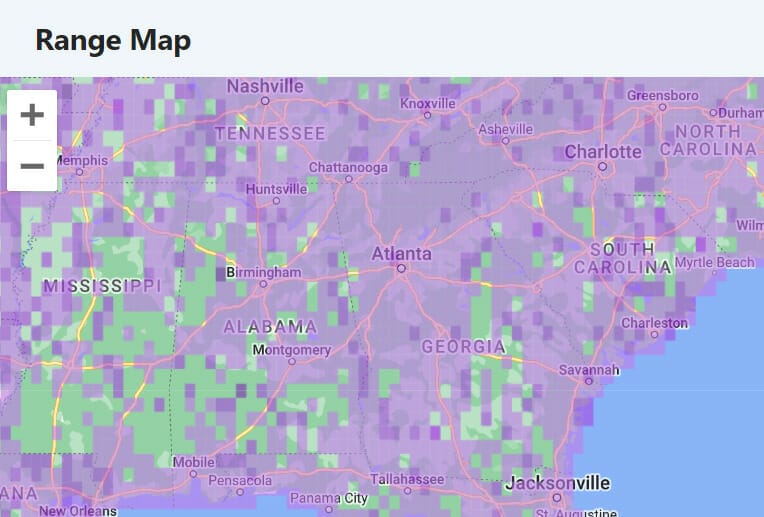
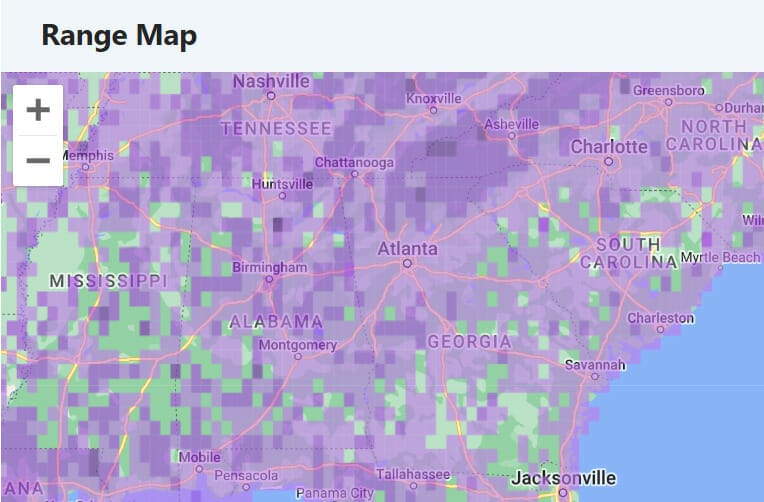
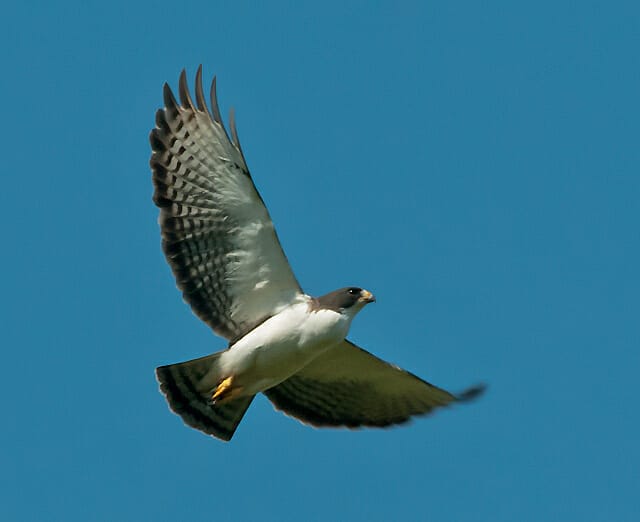
This species is a rarity in Georgia, with fewer than 15 confirmed sightings reported to eBird. Primarily a resident of Florida, the Short-tailed Hawk is known for its distinct dark and light color morphs. Sightings in Georgia are typically considered accidental or peripheral, marking the absolute northern edge of their range.
The Accipiter Hawks: Masters of the Canopy
Accipiter hawks are physically distinct from Buteos; they possess shorter, rounded wings and long tails, an adaptation for high-speed maneuvering through dense forest cover.
The Cooper’s Hawk (Accipiter cooperii)
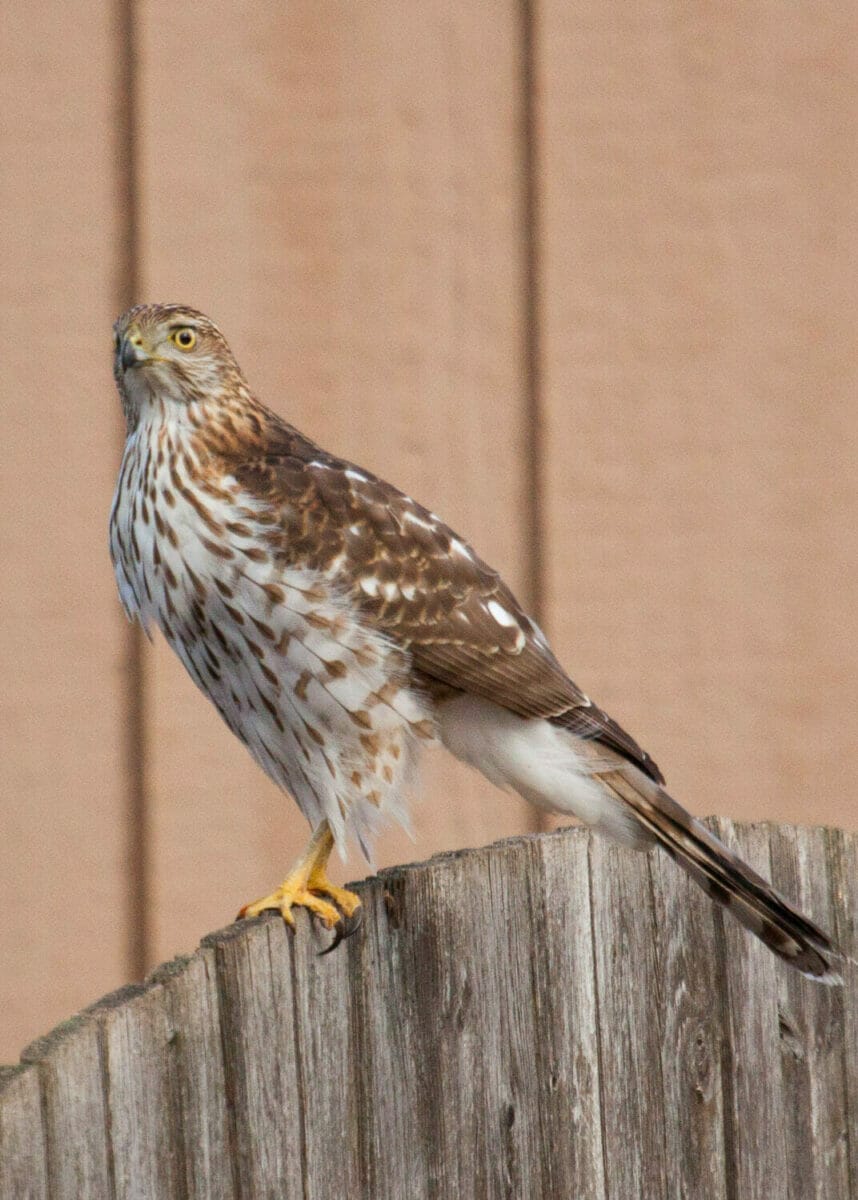
Cooper’s Hawks are year-round residents in Georgia. They are stealthy hunters that rely on the element of surprise, navigating thick forest canopies to ambush small birds and mammals. Their physical structure—dark gray upperparts with orange-barred chests—makes them formidable predators. They are known for their lethal efficiency, utilizing powerful talons to crush prey instantly.
The Sharp-shinned Hawk (Accipiter striatus)
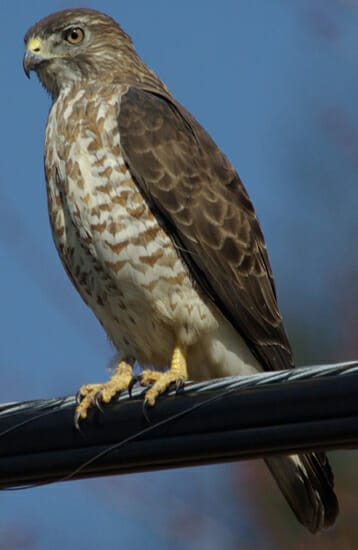
Often confused with the Cooper’s Hawk due to their similar markings, the Sharp-shinned is significantly smaller, with a length of 9.4 to 13.4 inches. They are migratory visitors to Georgia, arriving for the winter months after breeding in the northern reaches of Canada. They are known for their habit of "plucking" their prey, a meticulous process of removing feathers before consumption.
The Northern Goshawk (Accipiter gentilis)
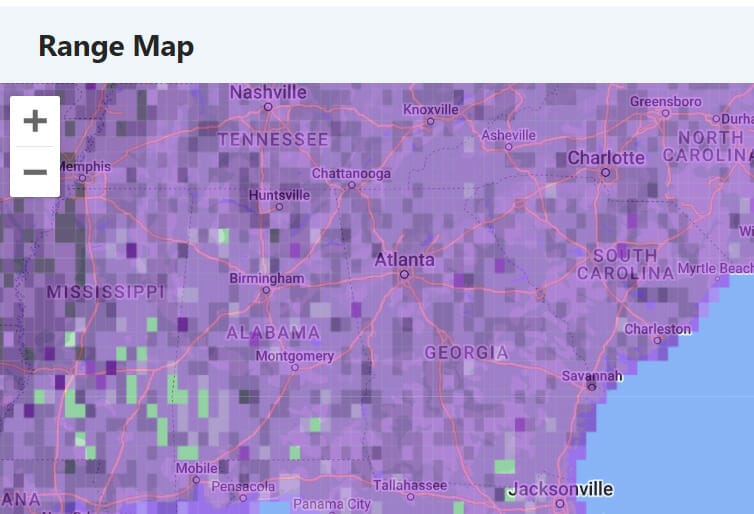
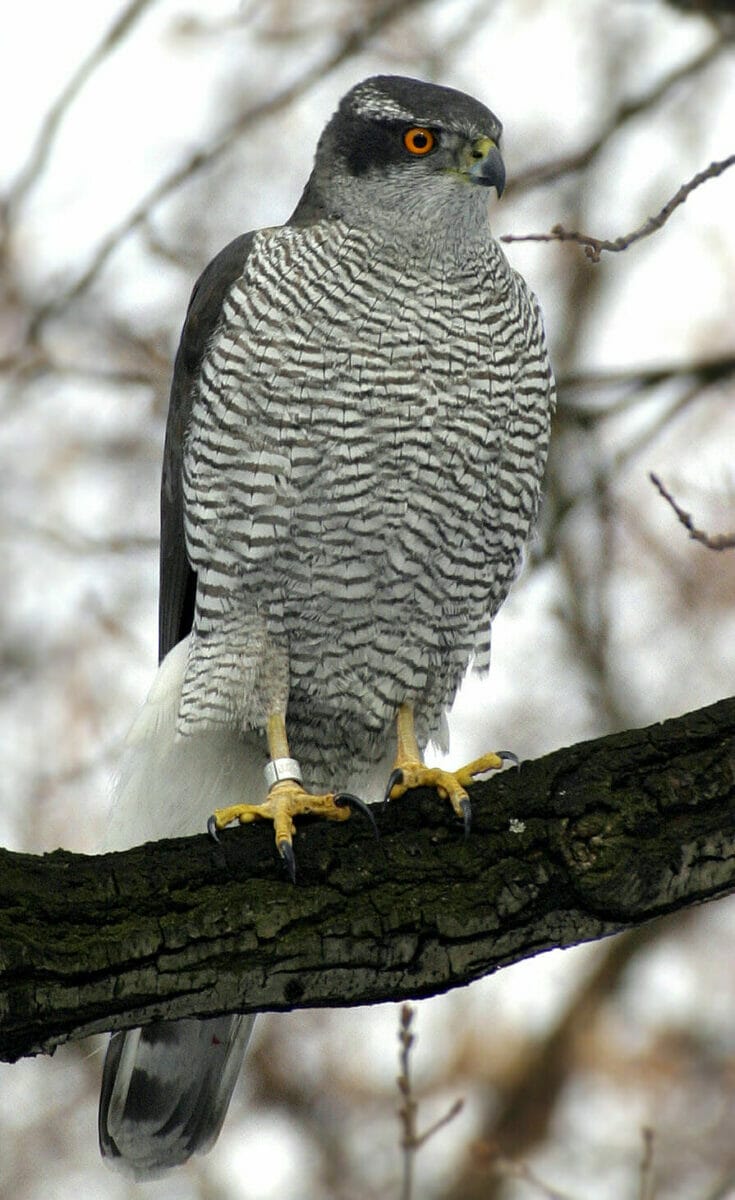
The Goshawk is a legendary, if rarely seen, bird of prey in Georgia. With only three recorded sightings on eBird, it is essentially a fringe visitor. These birds are aggressive and territorial, known for maintaining up to eight different nesting sites within a single breeding range, rotating usage based on previous success.

The Unique Case of the Northern Harrier
The Northern Harrier (Circus hudsonius) stands apart from both Buteos and Accipiters. As a member of the subfamily Circinae, the Harrier is built for low-altitude, "quartering" flight over marshes and grasslands. It is the only hawk on this list that relies heavily on its sense of hearing to locate prey, similar to an owl. Georgia serves as an important non-breeding ground for the species, with Harriers appearing throughout the state during the spring, autumn, and winter.
Implications and Conservation Status
While the casual observer may see these birds simply as "hawks," the ecological distinction between a soaring Buteo and a forest-dwelling Accipiter is profound. The diversity of Georgia’s raptor population is a testament to the state’s varied habitats, but it also underscores the necessity of conservation.
Current data suggests that while species like the Red-tailed and Red-shouldered hawks remain stable, the rarer species—particularly the Sharp-shinned Hawk and the elusive Northern Goshawk—rely heavily on the preservation of old-growth forests and the mitigation of habitat fragmentation. Furthermore, the presence of these predators is subject to the broader impacts of climate change, which can alter the timing of migrations and the availability of prey.
Frequently Asked Questions and Clarifications
Taxonomic Confusion
A common point of confusion for the public is the distinction between hawks and falcons. While both are raptors, they belong to different orders. Falcons possess a "tomial tooth"—a notch in the upper beak used to sever the spinal cords of prey—which is absent in hawks. Falcons are also generally more slender and exhibit a different, more rapid wing-beat pattern.
Human-Wildlife Interaction
Concerns regarding the safety of domestic pets are frequently raised in communities where hawks are prevalent. While it is theoretically possible for a large raptor to target a small animal, such incidents are statistically rare. Most hawks in Georgia focus on naturally occurring prey, such as rodents, rabbits, and smaller birds, rather than seeking out human-associated domestic animals.
The Future of Avian Observation in Georgia
As urbanization continues to spread, the interface between human development and raptor habitat becomes increasingly complex. Maintaining a healthy population of hawks requires a balanced approach to land management. The data provided by citizen science projects, such as eBird, remains the most vital tool for monitoring these populations. By tracking the sightings of both common and rare species, ornithologists can better understand the shifting ranges and population trends of Georgia’s most impressive aerial hunters.
In summary, the state of Georgia supports a robust, if sometimes misunderstood, collection of Accipitridae species. From the common Red-tailed Hawk patrolling the interstate corridors to the elusive Goshawk hiding in the northwestern forests, these birds continue to provide a vital service to the environment, maintaining the balance of their respective ecosystems and offering a window into the natural history of the American South.

