


The intersection of biomedical research and animal welfare has long been a subject of intense public debate, ethical scrutiny, and regulatory oversight. Recently released public documents obtained through transparency laws have brought renewed attention to the practices of long-term animal researchers within major academic institutions. At the center of this latest discourse is Mark Walton, a senior experimenter at the University of Washington (UW), whose decades-long career studying visual systems in non-human primates has become a focal point for animal advocacy organizations and institutional critics alike.
According to records secured by People for the Ethical Treatment of Animals (PETA), Walton’s laboratory operations—and the broader structural incentives of academic research funding—reveal a complex ecosystem where career preservation, institutional reliance on federal grants, and animal experimentation intersect. As scientific communities increasingly debate the efficacy and ethics of using non-human primates in behavioral and neurological studies, the revelations from the University of Washington highlight broader systemic questions regarding how scientific progress is measured, financed, and regulated in the twenty-first century.
Main Facts and the Core Controversy
The controversy centers on longitudinal research methodologies utilized within the Washington National Primate Research Center (WaNPRC), housed at the University of Washington. Walton, who has spent nearly three decades conducting experiments involving macaque monkeys, focuses primarily on the neural mechanisms of vision and eye movement.
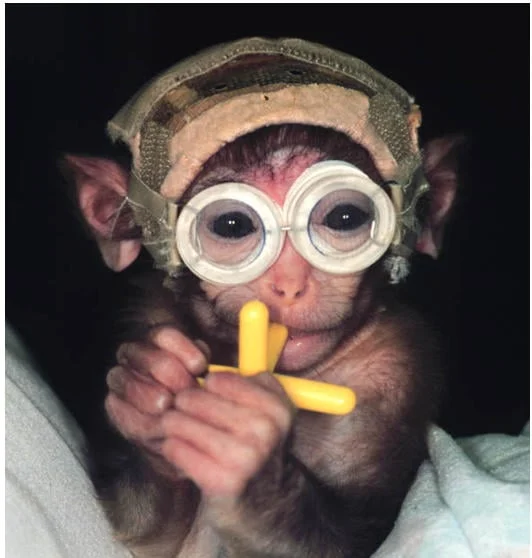
To investigate these neurological pathways, the laboratory employs highly invasive procedures. Newly obtained internal documents, laboratory meeting notes, and federal grant applications detail methodologies that include separating infant monkeys from their mothers days after birth, surgically altering ocular anatomy such as tendon severance, and outfitting subjects with vision-distorting apparatuses during critical developmental windows.
Furthermore, mature subjects in these studies routinely undergo surgical interventions to implant metal recording chambers directly into their skulls and place intraocular magnetic coils. These fixtures allow researchers to rigidly immobilize the animals’ heads during testing sessions, which typically involve prolonged periods of physical restraint in primate chairs. During these trials, subjects are placed in darkened environments and conditioned to track visual stimuli on a screen in exchange for liquid rewards, such as applesauce.
Critics, including animal welfare advocates and veterinary ethicists, argue that these invasive protocols inflict profound psychological and physical trauma on highly sentient creatures without yielding translational benefits directly applicable to human medicine. Conversely, defenders of biomedical research maintain that non-human primate models remain a critical component in understanding complex neurological networks, stereoscopic vision, and ocular motor control—systems that share significant anatomical and functional homology with human biology.
Chronology and Historical Context of Primate Research at UW
The history of primate research at the University of Washington spans over half a century, closely mirroring the expansion of federal funding for biomedical science in the United States following World War II. The Washington National Primate Research Center is one of several regional facilities funded primarily by the National Institutes of Health (NIH) through the Office of Research Infrastructure Programs (ORIP).
1960s–1980s: Institutional Expansion
During the post-war biomedical boom, institutions across the nation established specialized primate centers to standardize and supply animals for infectious disease, neurological, and behavioral studies. The UW facility grew into a major hub for neuroscience, securing millions of dollars in annual federal appropriations to study brain function, visual processing, and developmental biology.
1990s: Walton Begins Longitudinal Research
Mark Walton’s tenure at the university commenced during this period, establishing a research trajectory focused on ocular motor systems. Over the subsequent decades, his laboratory published numerous papers examining how the brain controls eye movements, contributing to the foundational academic literature on visual tracking and neural plasticity.
2010s–Present: Heightened Transparency and Scrutiny
In recent years, the use of non-human primates in research has faced mounting legislative and public pressure. Transparency organizations have increasingly utilized state and federal public records laws—such as Washington’s Public Records Act—to secure internal correspondence, veterinary logs, and laboratory meeting notes from public universities. These disclosures have shifted public perception, bringing previously obscured laboratory practices into the mainstream media and legislative debates.
Funding Pressures and Academic Incentives
A central element of the recent PETA disclosure involves internal statements attributed to Walton regarding the operational realities of academic research. In documents reviewed by independent observers, Walton acknowledged the pervasive pressure to continually publish findings to secure ongoing financial support. Specifically, notes from lab communications indicate an institutional reality shared by many academic researchers: the continuous need to produce peer-reviewed papers to maintain laboratory space, retain staff, and secure grant renewals from federal agencies like the NIH.
This dynamic illustrates what sociologists of science term the "publish or perish" paradigm, amplified in fields dependent on expensive infrastructure such as primate research facilities. Maintaining a primate laboratory requires substantial capital for specialized housing, veterinary care, behavioral management, and compliance with the federal Animal Welfare Act. Consequently, experimenters face intense structural pressure to sustain a continuous pipeline of studies, regardless of whether individual research trajectories yield breakthrough translational discoveries.
Behavioral Pathology and Animal Welfare Concerns
Beyond the procedural mechanics of the experiments, the newly released documents provide insight into the psychological toll exacted on the animal subjects. Developmental psychologists and ethologists have long established that rhesus macaques and other primate species require complex social structures, maternal bonding, and peer interaction to develop normal behavioral repertoires.
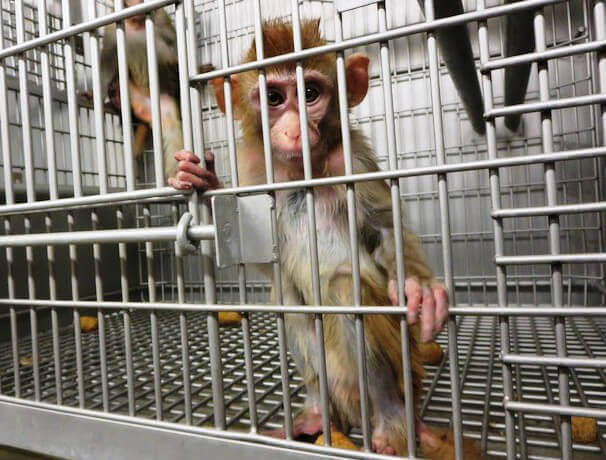
According to veterinary and laboratory notes from the UW facility, several subjects exhibited severe behavioral abnormalities, including chronic self-mutilation. The records highlight instances where specific subjects, identified in documents as Sonic and Goose, bit themselves to the point of severe physical injury.
Internal discussions among laboratory personnel addressed these behaviors not solely through the lens of animal welfare or psychological rehabilitation, but also regarding the operational impact such injuries had on the usability of the subjects for ongoing experimental protocols. In some instances, researchers debated whether environmental stressors inherent to the primate center’s housing and testing conditions were exacerbating these psychological crises. Critics point to these behavioral pathologies as evidence of systemic welfare failures, whereas institutional administrators maintain that all procedures adhere strictly to federal oversight standards and are vetted by mandatory Institutional Animal Care and Use Committees (IACUC).
Official Responses and Institutional Safeguards
In response to public inquiries and advocacy campaigns, the University of Washington and representatives of the Washington National Primate Research Center have consistently defended their research programs. Institutional spokespersons emphasize that animal-based research is conducted under rigorous regulatory frameworks, including oversight by the United States Department of Agriculture (USDA) and the Public Health Service (PHS) Policy on Humane Care and Use of Laboratory Animals.
University officials maintain that every research protocol undergoes stringent ethical review by the IACUC, which weighs the potential harms to animals against the anticipated benefits to human health and scientific knowledge. According to institutional statements, non-human primates are utilized only when no valid alternative models—such as computer simulations, in vitro cellular assays, or non-invasive human studies—can adequately address complex physiological questions.
Furthermore, accredited primate facilities employ dedicated veterinary teams, behavioral management specialists, and enrichment programs designed to minimize distress and promote psychological well-being among captive populations. Proponents of the research argue that curtailing these programs prematurely could severely impair global advancements in understanding neurological disorders, neurodegenerative diseases, and sensory impairments that affect millions of humans worldwide.
Broader Impact and Policy Implications
The ongoing controversy surrounding the University of Washington’s primate research laboratories reflects a broader national and international shift toward the refinement, reduction, and replacement of animals in scientific research—commonly referred to as the "Three Rs" framework.
As analytical technologies advance, the scientific community is increasingly exploring non-animal methodologies. Organ-on-a-chip technologies, advanced functional neuroimaging in human volunteers, and sophisticated computational modeling are expanding the boundaries of what can be studied without sentient models. Concurrently, legislative bodies at both the state and federal levels face growing petitions to reevaluate taxpayer funding allocations for invasive animal testing, particularly regarding studies deemed redundant or lacking clear translational pathways to human clinical applications.
The disclosures from the University of Washington underscore a pivotal juncture for academic research institutions. As public demand for transparency increases, universities are compelled to balance traditional methodologies with evolving ethical standards and public expectations. Whether this scrutiny will lead to systemic reforms in how federal grants incentivize longitudinal animal research remains a central question for policymakers, ethicists, and the scientific community at large.

