


The South American nation of Guyana, uniquely positioned as the continent’s only English-speaking country, has recently emerged as a focal point for international biodiversity research and grassroots conservation efforts. Nestled between Venezuela, Brazil, and Suriname, Guyana contains some of the most pristine tropical rainforests left on the planet. However, the nation now faces a pivotal juncture: balancing its ecological integrity against the economic pressures of burgeoning oil and gold exploration. A recent expedition led by Phoenix Landing, in partnership with local guides and international conservation organizations, has highlighted both the fragile beauty of Guyana’s avian populations and the robust, community-driven strategies designed to ensure their survival.
The Ecological Significance of Guyana
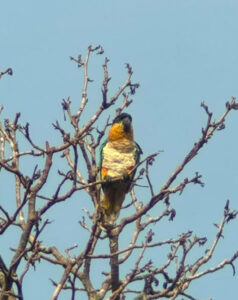
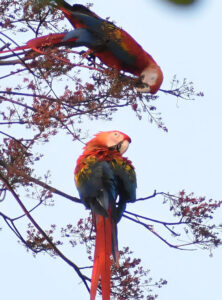
Guyana’s landscape, defined by expansive savannahs and dense, impenetrable forests, serves as a vital corridor for a vast array of parrot species. During the recent Phoenix Landing ecotour, researchers and observers documented a significant diversity of psittacines, including the Red-fan (Hawk-headed) parrot, various Amazon species such as the Festive and Orange-winged, and the iconic Scarlet macaw.
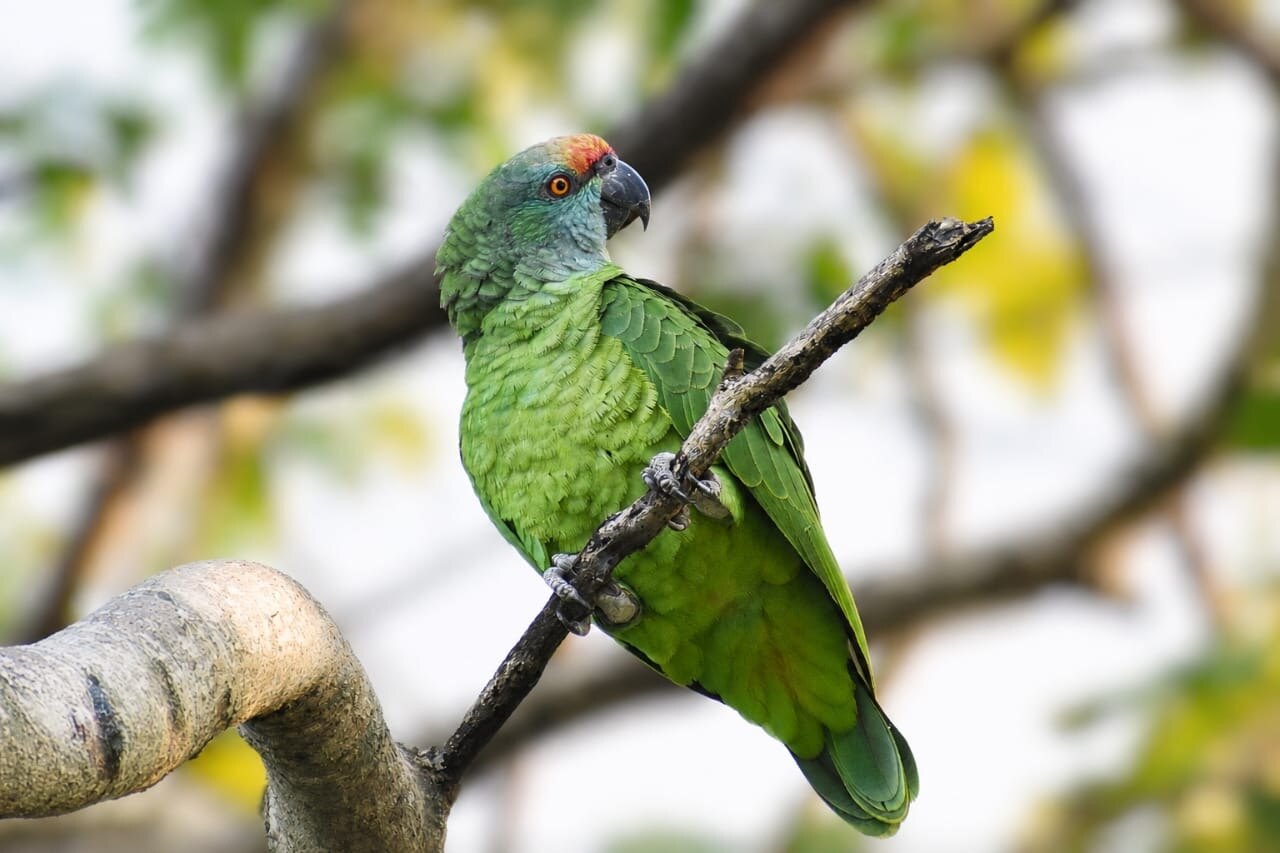
These birds occupy critical ecological niches, acting as seed dispersers that maintain the health and regeneration of the rainforest canopy. The presence of these species—ranging from the smaller Golden-winged parakeets to the charismatic Sun parakeet—is a biological indicator of the forest’s overall resilience. However, the climate in these regions is extreme, characterized by intense humidity and high temperatures. These environmental stressors dictate the behavioral patterns of the local fauna, limiting active feeding and foraging windows to the cooler hours of dawn and dusk, a factor that complicates both observation and scientific monitoring.
Rewa Village: A Model of Indigenous Conservation
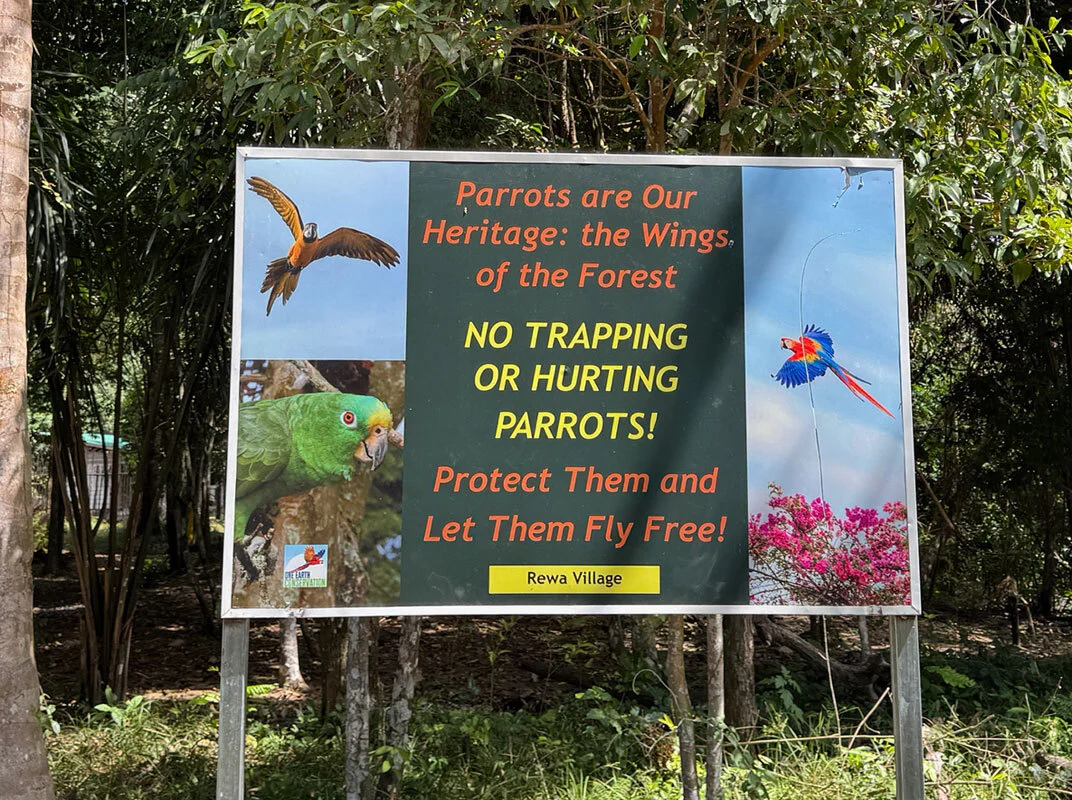
Deep in the Rupununi region, along the banks of the Rupununi River, the indigenous community of Rewa Village has established a paradigm for wildlife management that has garnered international attention. While the legal framework of Guyana still permits the trapping of certain parrot species, the people of Rewa made a collective, voluntary decision in the 1990s to implement a strict "No Trapping" policy within their territory.
This local initiative evolved into a formal scientific monitoring program in 2018, facilitated by a collaboration between the Rewa Ecolodge and the organization One Earth Conservation. The methodology employed by the village is noteworthy for its practicality; given the lack of extensive forest trail networks, the community pioneered a river-based monitoring system. By conducting consistent, monthly surveys across riverine ecosystems, farms, and village perimeters, the researchers have managed to track population trends with high accuracy.
The success of this approach is evidenced by the data: initial surveys documented 20 of Guyana’s 29 known parrot species within the village’s jurisdiction. As of 2024, that number has increased to 22. This upward trend in observed species diversity is a direct result of the habitat security provided by the village’s self-imposed moratorium on trapping.
Chronology of Community-Led Advocacy
The trajectory of conservation in the Rupununi region is a testament to long-term commitment. The movement began in the early 1990s, when local leaders—including the ancestors of current guides like Ron Allicock—first recognized the necessity of protecting their natural resources. Allicock, who is of the indigenous Makushi lineage, continues to lead these efforts, mentoring a new generation of conservationists, including Ravi Alfred.
Following the formalization of the monitoring project in 2018, the next phase of the strategy involves regional expansion. Rewa village leaders, working in tandem with local Wildlife Clubs, are preparing to conduct outreach programs in neighboring communities. The objective is to disseminate the "No Trapping" model, encouraging other villages to view their avian populations as assets for sustainable ecotourism rather than as commodities for the pet trade.
The Impact of Economic Development
Despite these successes, the broader context of Guyanese conservation remains precarious. The recent discovery of significant offshore oil reserves and ongoing gold mining operations presents a dual challenge. Infrastructure development, such as road construction and mining, often leads to habitat fragmentation, which is the primary driver of biodiversity loss in the Amazon basin.
Analysts observe that while ecotourism provides an economic alternative to resource extraction, the infrastructure required to support it—such as lodging and specialized transportation—is still in its infancy in Guyana. During the recent expedition, participants noted that while the lack of extensive facilities often necessitated observing birds from a distance, the burgeoning interest in eco-friendly tourism is prompting local businesses to adapt. The expansion of artisan markets at the Rewa Ecolodge represents a small but significant step toward creating a sustainable local economy that values the preservation of the forest over the short-term gains of extractive industries.
Institutional Support and the Parrot Conservation Corps
To address the need for a sustained, organized conservation workforce, One Earth Conservation has launched the International Parrot Conservation Corps (PCC) within Guyana. This program is currently recruiting participants from Georgetown, the nation’s capital, to engage in localized, high-impact conservation projects.
The initiative aims to bridge the gap between rural indigenous knowledge and urban environmental policy. By training 15 participants in the first cohort to carry out targeted conservation mini-projects, the PCC hopes to build a national network of advocates who can influence policy and monitor wildlife populations throughout the country. Financial support for these initiatives is being bolstered by organizations such as Lafeber, which has committed donations to support both the Rewa Village monitoring efforts and the newly established PCC projects in Guyana.
Sociocultural Dimensions of Conservation
The integration of indigenous knowledge into scientific monitoring has proven to be an essential component of the success in Rewa. The relationship between the indigenous people and their environment is characterized by a sophisticated understanding of ecological interconnectedness.
Observers have noted that this lifestyle offers a profound perspective on resource management. For instance, the local practice of utilizing available food sources in a manner that respects natural cycles—such as the opportunistic use of resources following natural predation events—highlights a sustainable coexistence that stands in stark contrast to the waste often associated with modern, convenience-driven societies. This deep-rooted, authentic alliance with nature is not merely a cultural tradition; it is a functional strategy that has allowed the local population to thrive while maintaining the integrity of their ecosystem.
Future Implications for South American Biodiversity
The situation in Guyana serves as a microcosm for the broader challenges facing South American conservation. The tension between the desire for national economic development and the necessity of preserving global biodiversity hotbeds is a recurring theme. If the Rewa model continues to demonstrate that community-led, non-extractive practices can yield measurable growth in species populations, it may provide a blueprint for other nations in the region.
The coming decade will be decisive for Guyana. As the nation navigates the complexities of its new economic landscape, the ability of its government to support indigenous-led initiatives and enforce environmental protections will determine whether the current ecological gains can be maintained. The expansion of the Parrot Conservation Corps and the continued efforts of the Makushi people offer a path forward—one that prioritizes scientific rigor, sustainable tourism, and the preservation of the unique, vibrant bird populations that define the Guyanese landscape.
Ultimately, the success of these conservation efforts depends on the continued collaboration between local communities, international researchers, and policymakers. By fostering a culture of stewardship that transcends the traditional divide between rural indigenous practices and urban-based scientific efforts, Guyana has the potential to remain a vital sanctuary for the avian species that are currently threatened by the rapid pace of global environmental change.

