


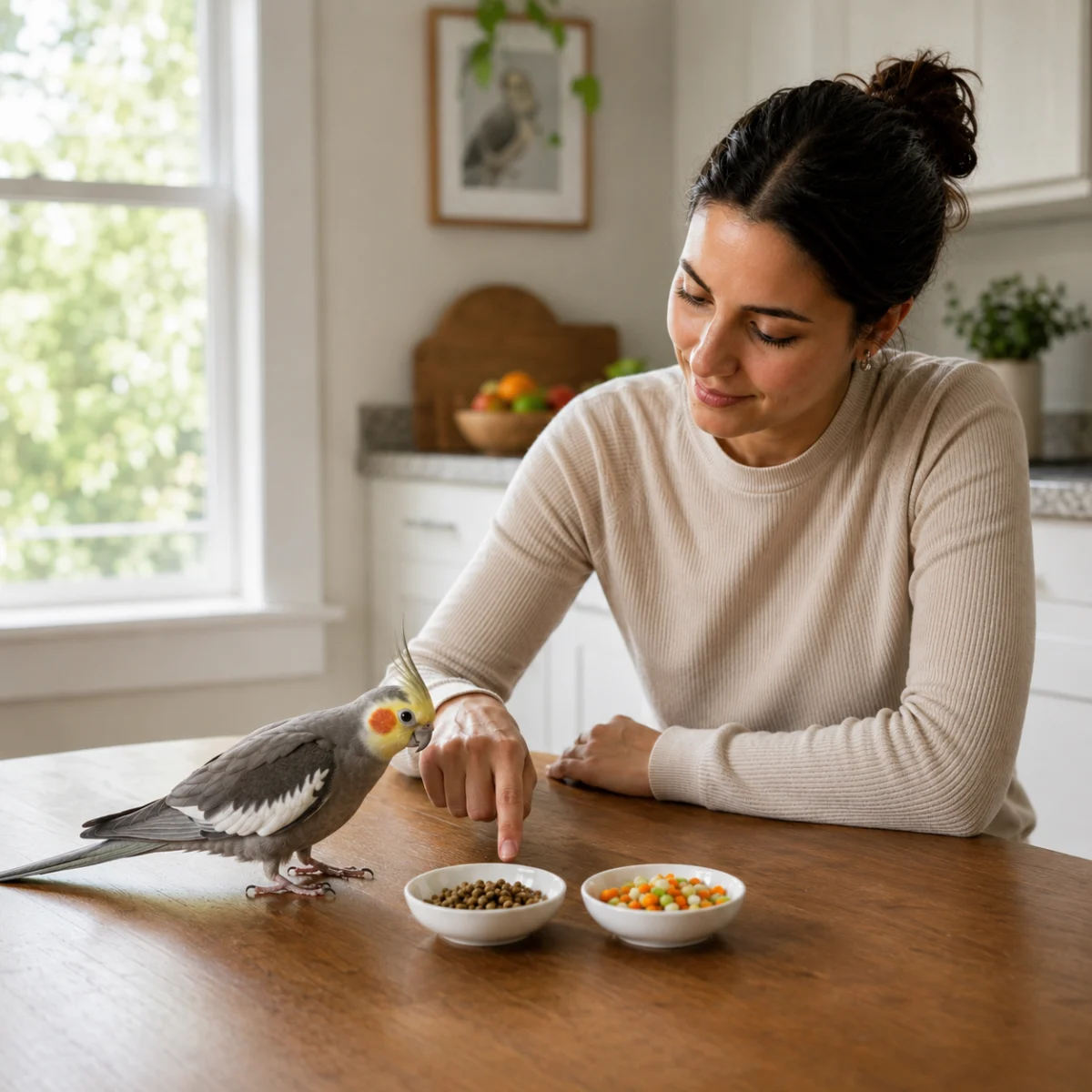
The transition from a seed-based diet to a pelleted regimen remains one of the most critical challenges facing owners of companion psittacines, including parrots, cockatiels, budgies, conures, African greys, and cockatoos. While avian nutritionists and veterinarians have long advocated for the move toward pelleted diets to mitigate the risks of obesity, malnutrition, and vitamin A deficiency, the process is frequently fraught with behavioral hurdles. Seed-addicted birds are often masters of manipulation, capable of rejecting new food items for extended periods, leaving owners in a state of uncertainty regarding their pet’s health and caloric intake.
To address this, recent clinical research has provided a framework for success. A pivotal 2022 study published in the Journal of Avian Medicine and Surgery by Cummings et al. evaluated three distinct diet conversion methodologies—Birdie’s Choice, Slow and Steady, and Tough Love. The study moved away from the outdated "starvation" approach, which often led to dangerous weight loss, and instead focused on structured, monitored transitions. The primary finding was that success is highly dependent on matching the specific behavioral traits of the individual bird to the methodology applied.
The Behavioral Spectrum of Diet Conversion
Understanding that birds are not a monolith is the first step in a successful nutritional transition. Avian behaviorists classify these animals into three primary categories based on their response to environmental changes: the curious social learner, the cautious routine-dependent individual, and the highly selective, seed-focused manipulator.
The Birdie’s Choice method is designed for birds that exhibit high levels of curiosity and social bonding with their owners. These birds are often finger-tame and find comfort in human interaction. By utilizing social modeling—where the owner displays interest in the new food item—the bird is encouraged to explore pellets as a safe, flock-approved resource. Conversely, the Slow and Steady method is tailored for the more cautious, anxious bird. These individuals often require a predictable, repetitive environment to overcome neophobia—the fear of new things. Finally, the Tough Love approach is aimed at the "mastermind" bird: the individual that skillfully picks around pellets, tips over bowls, or waits for the owner to capitulate and provide high-fat seeds.
Chronology and Methodology of the Transition
The transition process must be treated with the same clinical precision as any medical protocol. Owners should begin by establishing a baseline, which involves recording the bird’s weight in grams at the same time each day using a high-precision digital scale. Before any changes are made to the diet, it is essential to ensure the bird is medically stable. A bird that is underweight, elderly, or currently battling an infection is not a candidate for a standard diet conversion and requires direct veterinary intervention.
Once a baseline is established, the chosen method should be implemented consistently over a period of weeks. The "Slow and Steady" approach typically involves a gradual reduction of seeds, replaced by pellets in increasing ratios over a 14-to-21-day window. In contrast, "Tough Love" involves placing pellets in multiple, highly accessible locations throughout the enclosure to ensure the bird cannot avoid them, while significantly limiting the availability of seeds to specific, small portions. Regardless of the method, the goal is to maintain weight stability. A loss of more than 3% of body weight in a single week or a total loss exceeding 10% indicates an immediate need to pause the process and consult a veterinarian.
The Role of Data and Clinical Monitoring
The reliance on a "mixed bowl"—where seeds and pellets are combined in a single dish—is frequently cited by avian specialists as a primary reason for failed conversions. Birds are adept at sorting their food, consuming only the calorie-dense, high-fat seeds while leaving the nutritious pellets untouched. This creates the illusion of a successful transition, even as the bird continues to suffer from poor nutritional intake.
Instead, evidence suggests that separate placement is superior. By offering pellets in a primary bowl and limiting access to seeds in a separate, less prominent location, owners can accurately monitor consumption. The importance of monitoring droppings, energy levels, and vocalizations cannot be overstated. A change in the consistency or frequency of droppings is often the earliest indicator of digestive distress or insufficient food intake.
Veterinary Perspectives on Nutritional Health
Veterinarians emphasize that while pellets provide a solid foundation for nutrition, they are not a "set it and forget it" solution. Dr. A.M. Cummings, lead author of the 2022 evaluation, notes that the objective of these methods is not merely the consumption of pellets, but the cultivation of a balanced nutritional lifestyle. Once the bird accepts pellets as a dietary staple, the integration of fresh vegetables, sprouts, and high-quality "chop" becomes significantly easier.
The clinical consensus is that owners should avoid the "all-or-nothing" mentality. If a bird appears lethargic, fluffed, or stops vocalizing during the transition, the protocol should be suspended. "Pausing is not a failure," note the researchers; it is a vital safety measure. In many cases, a bird’s refusal to eat pellets stems from a preference for specific textures. Some birds prefer coarse, crunchy pellets, while others may prefer smaller, softer, or even moistened variations. Adjusting these physical parameters is a standard part of the "trial and error" phase of the conversion.
Broader Implications for Avian Care
The move toward structured, behavior-specific conversion methods represents a significant shift in avian husbandry. For years, the lack of standardized protocols meant that owners often relied on anecdotal, and sometimes harmful, advice found in online forums. By grounding the transition in the psychological profile of the bird, owners can reduce the stress associated with the process.
This approach also highlights the necessity of the "human element" in the success of the diet. An owner’s ability to remain calm, avoid over-reacting to the bird’s hunger strikes, and maintain accurate records is the primary predictor of success. When the owner exhibits anxiety, the bird may pick up on these signals, leading to further resistance. Therefore, the conversion is as much an exercise in human discipline as it is a training program for the bird.
Preparing for the Long-Term Transition
As the bird begins to accept the new diet, the transition should be viewed as a permanent change to their environment. Once a bird is eating a consistent, pelleted diet, the focus shifts to enrichment and variety. Fresh, bird-safe vegetables like bell peppers, kale, and sweet potatoes should be introduced to complement the base nutrition of the pellets.
Ultimately, the successful conversion to pellets is a milestone in preventative medicine. By eliminating the high-fat, low-nutrient profile of a seed-exclusive diet, owners can significantly increase the lifespan of their pets and reduce the prevalence of common, diet-related conditions such as fatty liver disease and metabolic bone disease.
While the process requires patience, it is a manageable task when approached with the right strategy. Whether an owner opts for the social engagement of the Birdie’s Choice, the incremental structure of Slow and Steady, or the assertive framework of Tough Love, the key remains consistent monitoring. For those who remain uncertain, the best course of action is to seek out an avian-certified veterinarian to tailor a plan that considers the individual bird’s health history, species-specific needs, and behavioral baseline. By treating the diet transition as a scientific endeavor rather than a daily struggle, owners provide their birds with the greatest opportunity for a long, healthy, and vibrant life.

