



The preservation of avian husbandry knowledge, scientific research, and avicultural heritage has long remained a cornerstone for the global ornithological and bird-breeding community. At the heart of this historical documentation stands an extensive digital and physical archive spanning over four decades of publication. Covering issues from Volume 1, Number 1, published in 1974, up through the mid-2010s, this comprehensive repository provides an unparalleled look into the evolving practices, conservation milestones, and legislative shifts that have shaped modern aviculture. Maintained primarily through digital preservation initiatives by organizations such as the American Federation of Aviculture (AFA) via its official portal, the collection of past editions offers researchers, hobbyists, and professional zookeepers an exhaustive resource chronicling the dedication of bird enthusiasts worldwide.
Main Facts and Scope of the Archive
Spanning more than forty years of continuous publication, the archive encompasses hundreds of individual issues, special editions, and commemorative volumes. Each entry in the database—ranging from early 1970s printings featuring classic typographic layouts to the richly illustrated digital-hybrid issues of the 2010s—serves as a time capsule of avian science.
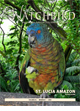
The publication, historically recognized under titles such as Watchbird, functioned as the premier trade and hobbyist journal for aviculturists. Within its pages, readers found meticulous care guides for exotic hookbills, finches, softbills, and waterfowl, alongside peer-reviewed veterinary studies, behavioral analyses, and firsthand accounts of successful captive breeding programs. The availability of this complete retrospective catalog ensures that foundational knowledge—ranging from early dietary formulations to pioneering incubation techniques—remains accessible to contemporary practitioners.
Chronological Evolution and Historical Milestones
To understand the trajectory of modern aviculture, one must examine the chronological progression documented within the archive’s extensive run. The publication’s history can be broadly categorized into distinct eras defined by technological advancements, regulatory changes, and shifting conservation priorities.
The Formative Years (1974–1979)
Launched in the mid-1970s (beginning with Volume 1 in 1974), the magazine emerged during a period of rising interest in private exotic bird ownership. Early issues focused heavily on establishing baseline husbandry standards, sharing practical aviary designs, and fostering communication among regional bird clubs across North America. Authors during this era laid the groundwork for standardized quarantine procedures and basic nutritional requirements, addressing significant knowledge gaps that had previously led to high mortality rates in imported specimens.

Expansion and Scientific Rigor (1980–1999)
Throughout the 1980s and 1990s, the publication matured alongside the scientific community’s growing understanding of avian medicine. The passing of landmark international conservation legislation, most notably the Wild Bird Conservation Act (WBCA) of 1992 in the United States, marked a profound turning point. The archive vividly captures this transition: pages from the early 1990s reflect a sudden, urgent shift away from reliance on wild-caught imports toward intensive, sustainable captive breeding of psittacines and passerines. Veterinary columns expanded significantly, introducing advanced diagnostics, surgical procedures, and preventative medicine tailored specifically to captive-bred flocks.

The Digital Transition and Modern Conservation (2000–2015)
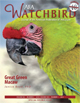
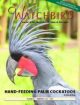
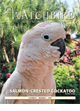
Entering the 21st century, the publication documented the stabilization of captive populations, enhanced genetic management strategies through closed-studbooks, and the growing integration of zookeeping standards with private aviculture. Issues published through the 2000s and into the mid-2010s (culminating in combined volumes such as Vol 41 & 42 for 2014–2015) highlight a community increasingly focused on habitat preservation, educational outreach, and combating illegal wildlife trafficking. The visual presentation evolved dramatically during this period, transitioning from modest black-and-white photography to full-color, high-resolution imagery showcasing rare mutations, native habitats, and intricate aviary setups.
Supporting Data and Archival Metrics
The sheer scale of the archived material underscores its value to institutional and independent researchers. Key metrics associated with the collection include:
- Publication Span: Over 41 consecutive volumes, representing more than four decades of continuous documentation (1974–2015).
- Frequency and Volume: Comprising standard quarterly issues alongside special double-issues (such as Vol 38, No 1 & 2 in 2011, and Vol 41 & 42, No 4 & 1 in 2014–2015), totaling hundreds of distinct publications.
- Content Diversity: Encompassing an estimated thousands of individual articles, including veterinary case studies, legislative updates, club directories, and classified advertisements that trace the economic history of the pet and avicultural trade.
- Accessibility: Transitioned from physical print subscriptions distributed via postal mail to centralized online digital libraries featuring high-resolution cover art and digitized text searchable by researchers worldwide.
Official Responses and Industry Perspectives
Leaders within the avicultural and conservation sectors have consistently emphasized the importance of maintaining historical records. Historians of science point out that without accessible archives of specialty publications like Watchbird, critical empirical data regarding the captive behavior, dietary thresholds, and reproductive biology of endangered or extinct-in-the-wild species would be lost.

Representatives from avicultural federations have noted that the digitized archive serves an essential educational purpose for new generations of breeders and conservationists. By reviewing past successes and historical missteps, current practitioners can avoid repeating outdated methodologies—particularly regarding nutrition, disease control, and environmental enrichment. Furthermore, wildlife authorities and academic institutions occasionally reference these historical trade publications to track the provenance of captive bloodlines and evaluate the historical prevalence of specific avian pathogens.
Broader Impact and Future Implications
The preservation and open availability of this extensive literary repository carry significant implications for the future of avian science and animal welfare. As global biodiversity faces mounting pressures from habitat loss and climate change, zoological facilities and private conservation breeding networks play an increasingly vital role as insurance populations for vulnerable species.
The methodologies pioneered by early aviculturists—many of which were first published and debated within the pages of these archived magazines—form the bedrock upon which modern endangered species recovery programs are built. Hand-rearing protocols, artificial incubation formulas, and behavioral conditioning techniques refined decades ago continue to inform conservation breeding efforts for critically endangered parrots, cranes, and passerines today.
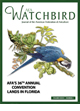
Ultimately, the comprehensive archive stands as a testament to the dedication of hobbyists, scientists, and conservationists who spent the last fifty years documenting their observations. By securing these records in digital formats, the avicultural community ensures that the accumulated wisdom of generations remains a living, breathing resource for future stewards of the avian world.

