


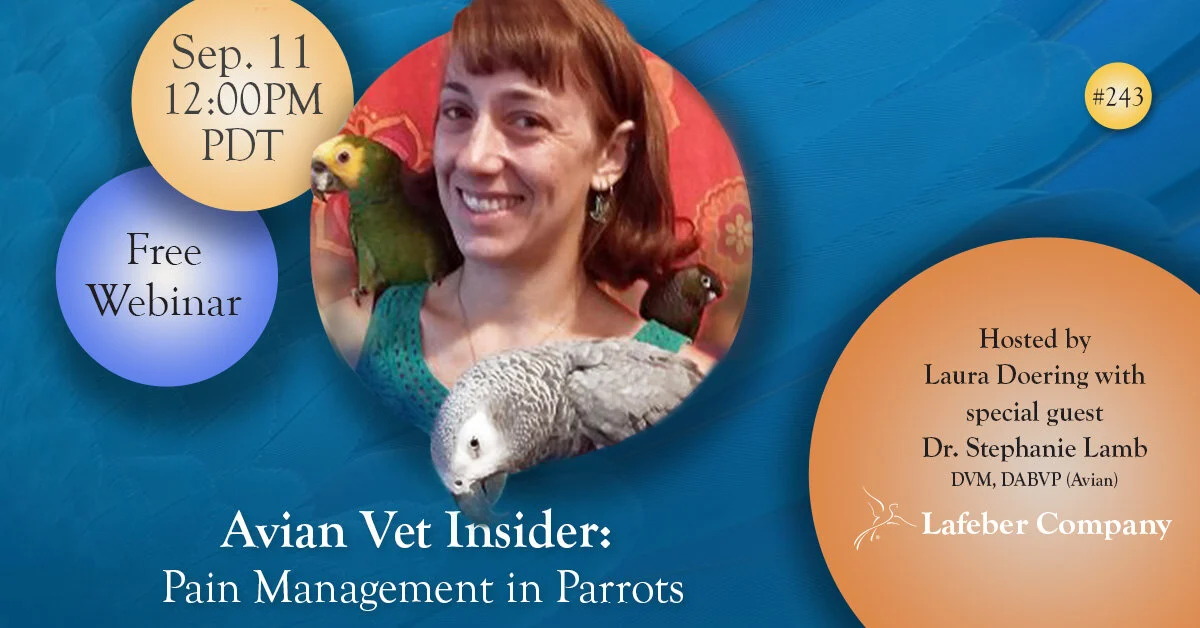
September is recognized globally as Animal Pain Awareness Month, an initiative dedicated to educating pet owners, veterinary professionals, and the public on the necessity of recognizing and mitigating chronic and acute pain in companion animals. In alignment with this observance, the veterinary community is placing a renewed focus on avian medicine, specifically addressing the often-overlooked clinical challenges of pain management in parrots. On Friday, September 11, 2026, at 12:00 p.m. PDT, Dr. Lamb will host an expert-led webinar, "Avian Vet Insider — Pain Management in Parrots," aimed at providing bird owners with the clinical tools and observational skills necessary to identify and address avian discomfort.
The Clinical Challenge of Identifying Avian Pain
The physiological expression of pain in birds differs significantly from that of mammalian pets like dogs and cats. As a survival mechanism in the wild, parrots are evolutionarily predisposed to mask signs of illness or injury to avoid appearing vulnerable to predators. This "masking" behavior frequently results in delayed veterinary intervention, as owners may not perceive subtle changes in behavior until a condition has reached an advanced stage.
During the upcoming webinar, Dr. Lamb intends to deconstruct these behavioral signals. Clinical observation remains the cornerstone of avian diagnostics. Subtle indicators of pain—such as changes in posture, reduced vocalization, shifts in appetite, or alterations in social interaction—are often the only outward manifestations of internal distress. By educating owners on how to interpret these nuances, the veterinary community hopes to shorten the window between the onset of pain and the commencement of treatment.
Timeline of Avian Veterinary Awareness
The evolution of pain management in avian medicine has seen significant progress over the last two decades. Historically, birds were often denied adequate analgesia due to concerns regarding drug metabolism and the lack of standardized dosing protocols.
- Pre-2000s: Avian pain management was largely anecdotal, with limited pharmacological options.
- 2005–2015: The emergence of specialized avian research journals led to more robust studies on pharmacokinetics, allowing for the safer use of non-steroidal anti-inflammatory drugs (NSAIDs) and opioids in psittacine species.
- 2020–Present: The integration of multimodal pain management—combining pharmaceuticals with physical therapy, environmental modifications, and acupuncture—has become the gold standard in modern avian practices.
The September 11 webinar serves as a critical juncture in this timeline, moving from basic awareness toward a more sophisticated, integrative approach to geriatric and chronic pain management in captive parrots.
Pharmacological and Alternative Therapies
A central component of the discussion will be the pharmacological landscape of avian medicine. Dr. Lamb is expected to provide a comprehensive analysis of current drug classes used to manage pain in parrots. This includes the application of NSAIDs, which are frequently used for inflammatory pain, and opioids, which are reserved for severe trauma or post-surgical recovery.
The webinar will also address the complexities of drug administration. Unlike domestic mammals, the metabolic rates of birds can be incredibly high, requiring precise, weight-based dosing to avoid toxicity while ensuring therapeutic efficacy. The discussion will further extend to "alternative" or integrative therapies. These include, but are not limited to, therapeutic laser treatments, which have shown promise in reducing joint inflammation, and specialized nutritional support that targets joint health and systemic inflammation.
Supporting Data on Avian Welfare
According to recent industry reports from the Association of Avian Veterinarians (AAV), orthopedic and soft-tissue injuries remain among the top five reasons for avian veterinary consultations. Studies conducted by academic institutions indicate that birds suffering from chronic conditions, such as osteoarthritis or pododermatitis (bumblefoot), exhibit a measurable decline in quality of life indices, including decreased preening activity and increased aggression.

Data suggests that proactive pain management can extend the lifespan of companion parrots by up to 15–20% by preventing secondary complications. When a bird is in pain, it tends to be sedentary; this lack of movement often leads to obesity, cardiovascular issues, and secondary infections, creating a vicious cycle of declining health. By managing pain effectively, owners can encourage natural activity, which is essential for the psychological and physiological well-being of the bird.
Implications for Avian Health Advocacy
The implications of this webinar extend beyond individual pet ownership; they reflect a broader shift in the veterinary industry toward patient-centered care. The professional community has increasingly recognized that pain is not merely a symptom to be treated, but a primary factor in overall animal welfare.
Veterinary professionals often note that the "Avian Vet Insider" series serves as a bridge between specialized clinical knowledge and the practical, daily realities of bird care. By disseminating this information to the public, Dr. Lamb and her colleagues are empowering owners to act as the first line of defense. When owners are trained to recognize the earliest markers of discomfort—such as a slight change in the grip strength on a perch or a minor shift in resting posture—they are more likely to seek early diagnostics. This leads to less invasive treatment options, better surgical outcomes, and improved long-term quality of life.
The Role of Integrative Medicine
The inclusion of alternative therapies in the upcoming discussion reflects a growing trend in veterinary medicine known as integrative, or complementary, care. Many avian specialists now argue that pharmaceutical interventions should not be the sole strategy for pain management. For instance, in cases of chronic, age-related pain, medications may cause hepatic or renal strain if used over long periods.
By layering these medications with physical rehabilitation, weight management programs, and environmental enrichment—such as softer perch materials or modified cage layouts to reduce climbing strain—veterinarians can achieve a "multimodal" effect. This strategy allows for lower doses of medication while achieving higher levels of pain relief. Dr. Lamb’s session will likely analyze the success rates of these integrated strategies, providing attendees with actionable, evidence-based methods to improve their birds’ daily comfort.
Closing the Knowledge Gap
The "Avian Vet Insider" webinar is designed to be accessible to a wide audience, ranging from first-time bird owners to those who have kept parrots for decades. The format allows for direct engagement with professional insights, helping to dispel common myths regarding avian health. For example, a prevalent misconception is that birds are "too small" or "too fragile" for standard pain management, a myth that often leads to under-treatment.
Dr. Lamb’s presentation will emphasize that modern veterinary medicine has developed highly specific protocols for various species, sizes, and ages. As Animal Pain Awareness Month continues, the objective remains clear: to ensure that no companion animal, regardless of species, suffers in silence.
Interested participants can register for the September 11 event via the provided digital portal. The session will conclude with a Q&A segment, offering an opportunity for attendees to seek guidance on specific challenges they may be facing in their own households. As the field of avian medicine continues to mature, resources like this webinar are becoming indispensable tools for the modern bird guardian, ensuring that the bond between human and companion animal is grounded in the highest standards of care and empathy.
For those unable to attend the live broadcast, it is recommended that participants consult their primary avian veterinarian for post-webinar follow-up, as individual health plans should always be tailored to the specific needs and medical history of the patient. The initiative stands as a testament to the ongoing commitment of the veterinary community to prioritize the comfort and longevity of captive avian species.

