


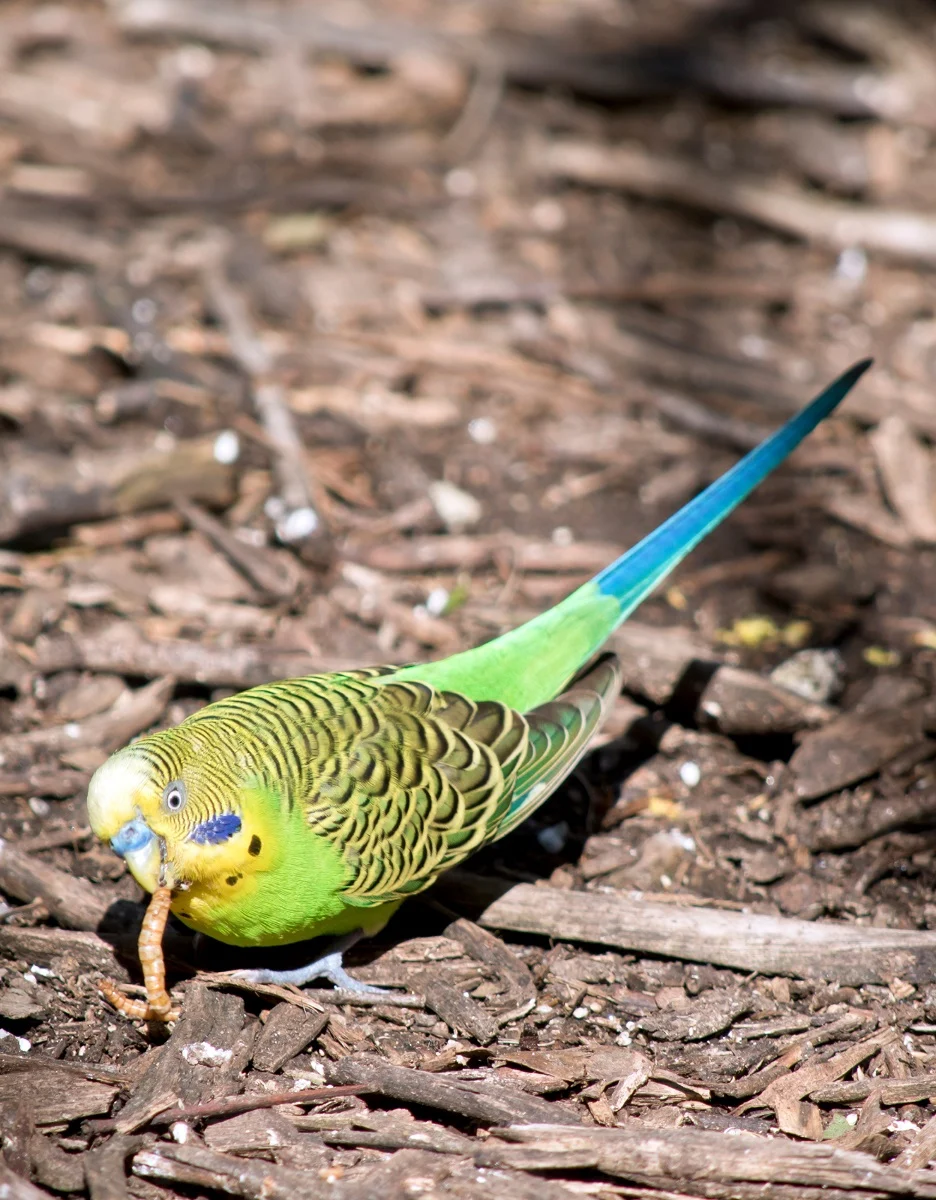
Avian veterinarians and nutritionists emphasize that providing a varied diet is paramount to the health and longevity of budgie parakeets. While commercial seed mixes and pellet diets form the nutritional baseline for these small parrots, incorporating single-ingredient human foods can significantly enhance their quality of life, provide mental stimulation, and serve as an emergency fallback when standard supplies run out. However, distinguishing between safe culinary additions and hazardous household items is a critical responsibility for every parakeet owner.
Background Context and Nutritional Evolution
Native to the arid regions of Australia, Melopsittacus undulatus—commonly known as the budgerigar or budgie—naturally subsists on a diet primarily consisting of grass seeds, vegetation, and the occasional insect. In captivity, maintaining a balanced diet prevents common avian ailments such as fatty liver disease, nutritional deficiencies, and obesity. Over the years, companion bird care standards have evolved from simple seed-only regimens to dynamic, enriched diets that mimic the foraging behaviors these birds exhibit in the wild.
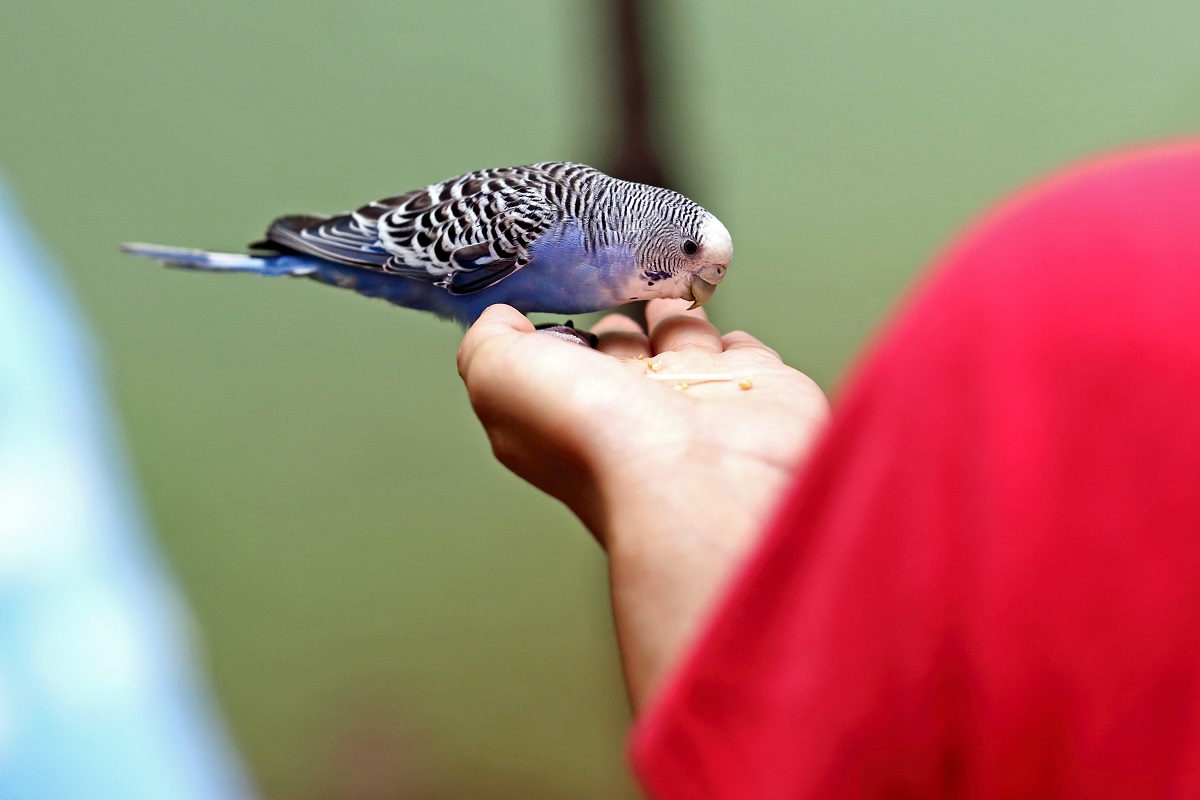
Avian dietary experts recommend that processed human foods—such as chips, fries, pizza, and cookies—be strictly avoided due to their excessively high sodium, fat, sugar, and chemical preservative content. Instead, natural, single-ingredient whole foods should be utilized. When regular budgie food is unavailable, owners can safely turn to standard pantry staples to curate a nutrient-dense alternative meal consisting of vegetables, small amounts of fruit, grains, and safe seeds.
Safe Household Foods for Budgies
A wide array of common household items can be safely integrated into a budgie’s diet, either as regular nutritional components or as occasional training treats.
Bread and Grains: Budgies can consume whole-wheat bread in moderation, provided it lacks excessive sugar, salt, and artificial fats. Similarly, plain, unseasoned pasta—whether whole-wheat, lentil, or corn-based—can be served boiled or dry, often utilized by owners to create edible foraging toys. Rolled and steel-cut oats are also exceptional additions to daily meals, offering sustained energy. Grains such as white, red, and black quinoa can be offered in either cooked or raw formats, delivering a rich profile of micronutrients.
Seeds and Nuts: Beyond standard millets, specialized seeds like chia and hemp seeds provide essential Omega-3 fatty acids and fit seamlessly into a parakeet’s dietary needs. While sunflower and pumpkin seeds are relished by budgies, their high fat content dictates that they be reserved strictly for training rewards rather than daily feeding. Nuts including cashews, almonds, pine nuts, and high-quality human-grade peanuts are likewise safe in extremely small quantities (such as a quarter of a crushed nut), provided they are entirely free of salt, flavorings, and chemical additives.
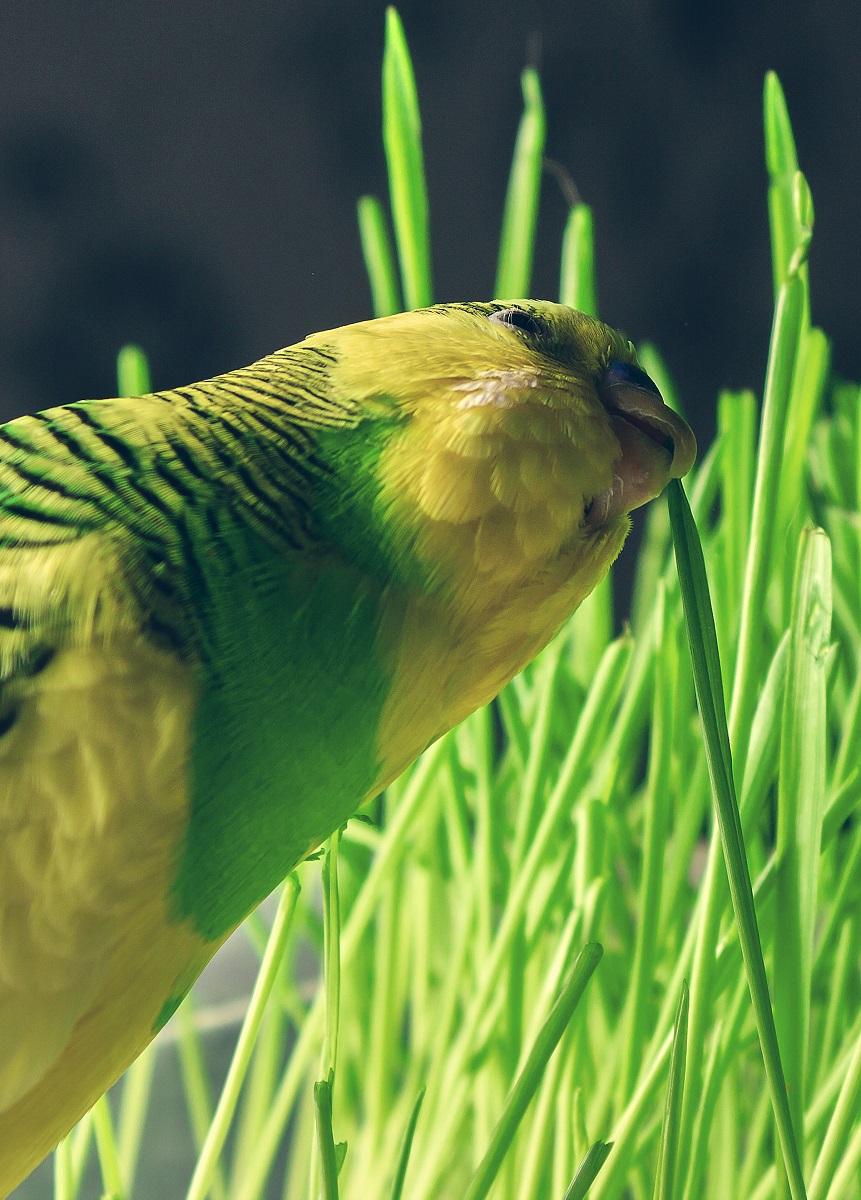
Proteins and Produce: Though typically herbivorous, captive budgies benefit from occasional protein supplements. Boiled or scrambled eggs—prepared completely without oil or salt—are particularly beneficial for breeding or egg-laying hens requiring additional protein to replenish nutrient depletion. Plain, cooked chicken breast or thigh meat can also be offered in tiny quantities. Furthermore, wheatgrass, whether fed as seeds or sprouted through a clean mesh, offers vital nutritional enrichment and satisfies instinctive chewing behaviors. Dehydrated fruits without added sugars and plain, air-popped popcorn round out the list of acceptable pantry snacks.
Toxic and Unsafe Foods to Avoid
While many pantry items are beneficial, several common foods and household products pose severe health risks or are overtly lethal to budgies.
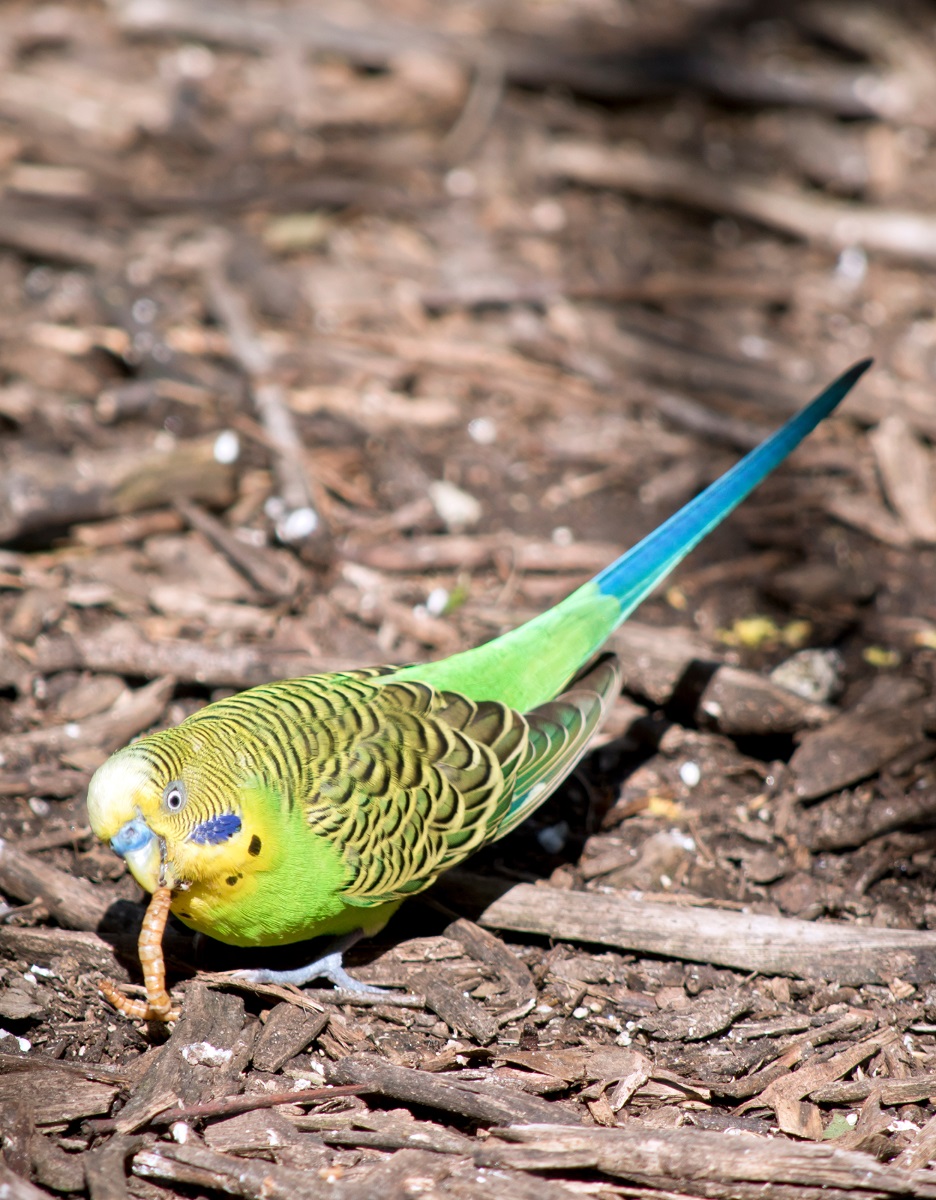
Explicitly Toxic Substances: Avocado stands out as one of the most dangerous foods for parakeets. Containing the fungicidal toxin persin, avocados are toxic to many domestic animals, but due to their extremely small body mass, budgies are disproportionately sensitive, with ingestion frequently proving fatal. Chocolate is similarly hazardous, containing theobromine and caffeine, which disrupt avian cardiac and neurological systems. Raw honey and corn syrup, while natural, carry a minute risk of containing botulism spores that release lethal neurotoxins in small birds. Other strictly prohibited substances include alcohol, caffeinated beverages, onions, garlic, apple seeds, and products sweetened with xylitol.
Processed and Unhealthy Items: Common snack foods such as potato and corn chips, commercial crackers, and sweet or savory biscuits must be kept away from free-roaming birds. High levels of sodium, trans fats, and artificial preservatives place immense strain on a budgie’s delicate metabolic system. Additionally, birds are entirely lactose intolerant; dairy products like ice cream and soft cheeses lead to severe gastrointestinal distress, while hard cheeses remain too fatty and salty for safe consumption. Finally, although Aloe vera gel is widely utilized in human skincare, the leaves contain aloin, a yellowish substance possessing a potent laxative effect that causes severe digestive complications in avian species.
Implications and Best Practices for Avian Care
The integration of human foods into an avian diet requires mindfulness regarding portion control and ingredient transparency. Veterinarians advise that treats and supplemental foods should never exceed ten percent of a budgie’s total daily caloric intake. For new owners, adherence to established avian care guidelines ensures that dietary modifications support rather than compromise the bird’s physiological well-being. In the event of accidental ingestion of toxic substances such as chocolate or avocado, immediate consultation with an avian veterinarian is strongly advised to mitigate systemic toxicity.

