


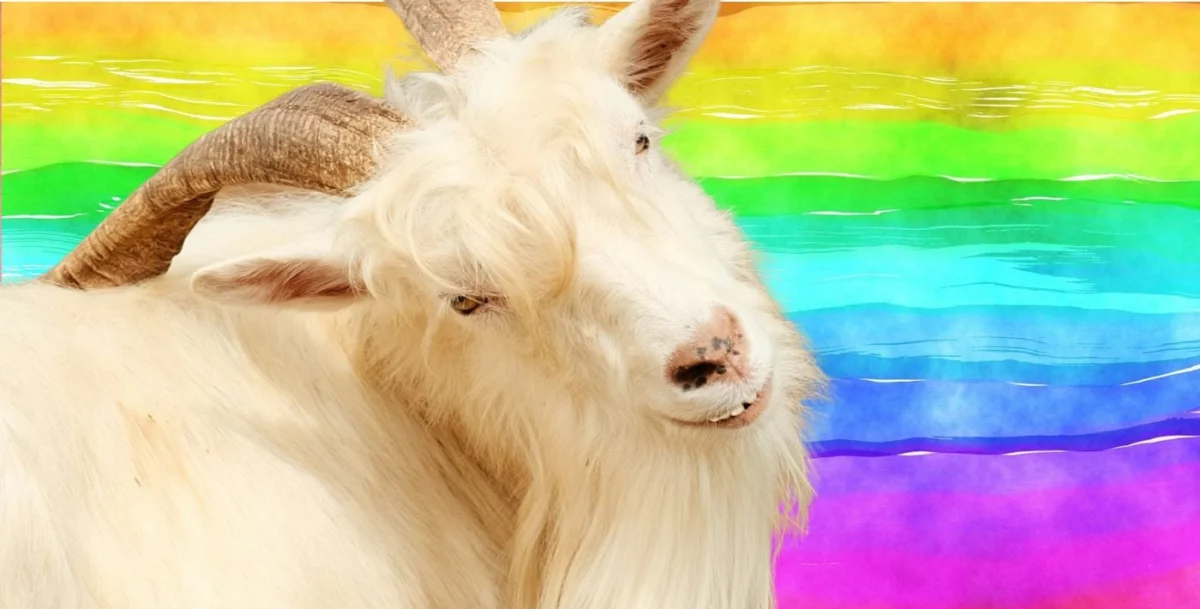
Toy retailer FAO Schwarz has officially joined a growing coalition of major global brands in banning mohair from its supply chain, a decision announced just hours before animal rights activists were scheduled to stage a high-profile protest outside its flagship New York City location. The move aligns the historic toy brand with industry giants such as adidas, Columbia, Gap, UNIQLO, and Zara, all of which previously severed ties with the mohair sector following damning undercover exposés conducted by People for the Ethical Treatment of Animals (PETA) Asia.
The cascading series of corporate bans represents one of the most rapid shifts in material sourcing within the global fashion, textile, and toy industries in recent years. As consumer awareness regarding animal welfare continues to rise, retailers are increasingly facing intense public scrutiny and direct activism over the raw materials utilized in everyday consumer goods, ranging from winter sweaters and home blankets to children’s plush toys.
Chronology of the Mohair Crisis
The systemic upheaval within the mohair industry traces back to groundbreaking investigations conducted by PETA Asia. Investigators infiltrated multiple angora goat farms in South Africa, which currently produces more than half of the global mohair supply. The resulting footage, released to the public, documented a disturbing pattern of systemic abuse, rough handling, and routine mutilation throughout the shearing and farming process.
Following the release of these exposés, international animal welfare organizations mobilized a coordinated campaign demanding that retailers immediately eliminate mohair from their product lines. The initial wave of corporate responses began within weeks of the findings, as major apparel brands rushed to distance themselves from the controversy to protect their brand reputations.
The recent decision by FAO Schwarz demonstrates that the pressure campaign extends beyond apparel into the toy and novelty sectors. The retailer’s policy change preempted a demonstration that would have featured activists displaying a large, simulated "bloody" teddy bear outside the New York City storefront—a stark visual critique of the materials used in stuffed animals.
Systemic Abuse Documented in South Africa
South Africa remains the epicenter of the global mohair trade, accounting for approximately 50 percent of total world production. However, the investigative findings revealed that the pursuit of high-volume output fosters an environment of pervasive cruelty.
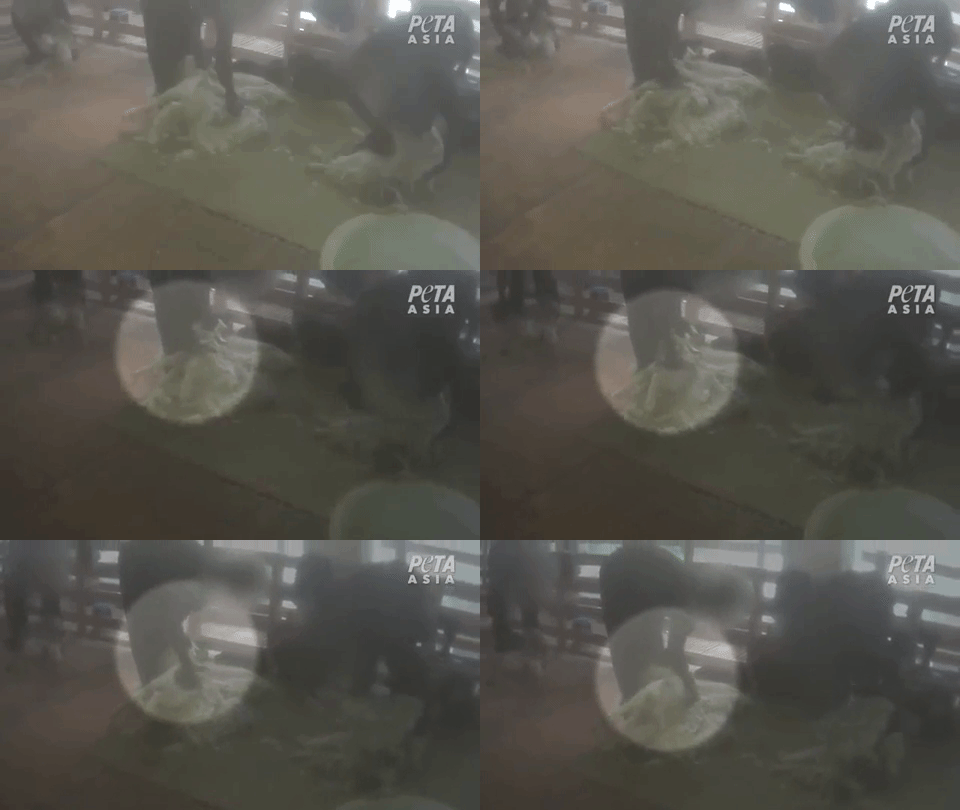
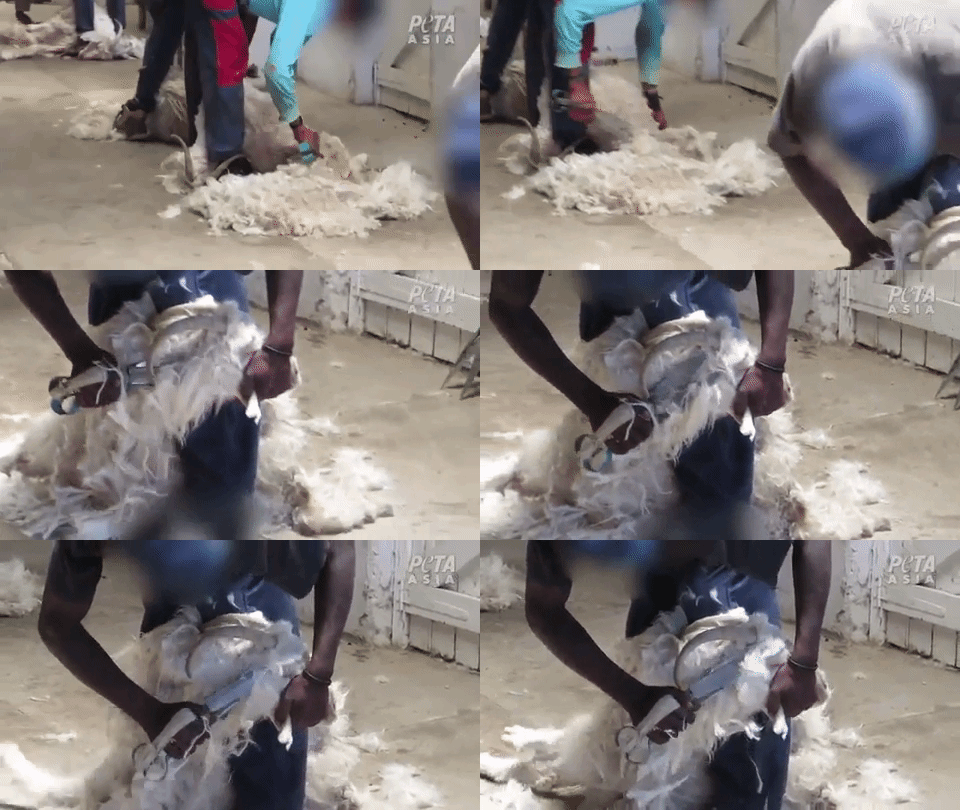
According to the documentation gathered by investigators, angora goats are subjected to intense physical trauma during routine handling. Because shearers are typically compensated based on the volume of fleece they produce rather than an hourly wage, workers operate under extreme time pressure. This incentive structure leads to rushed and reckless handling of the animals.
Eyewitness accounts and video evidence captured shearers lifting goats entirely off the floor by their tails—a practice veterinary experts warn can cause severe spinal fractures. In instances where animals struggled during the shearing process, workers were documented sitting directly on top of them to restrain their movements. Furthermore, goats were routinely thrown across shearing sheds.
The investigations also exposed the fate of goats deemed no longer profitable by farmers. Angora goats, which have a natural life expectancy of up to 12 years, are frequently slaughtered years prematurely once their wool production declines. Footage showed workers cutting the throats of conscious animals, highlighting a disregard for basic humane slaughter protocols.
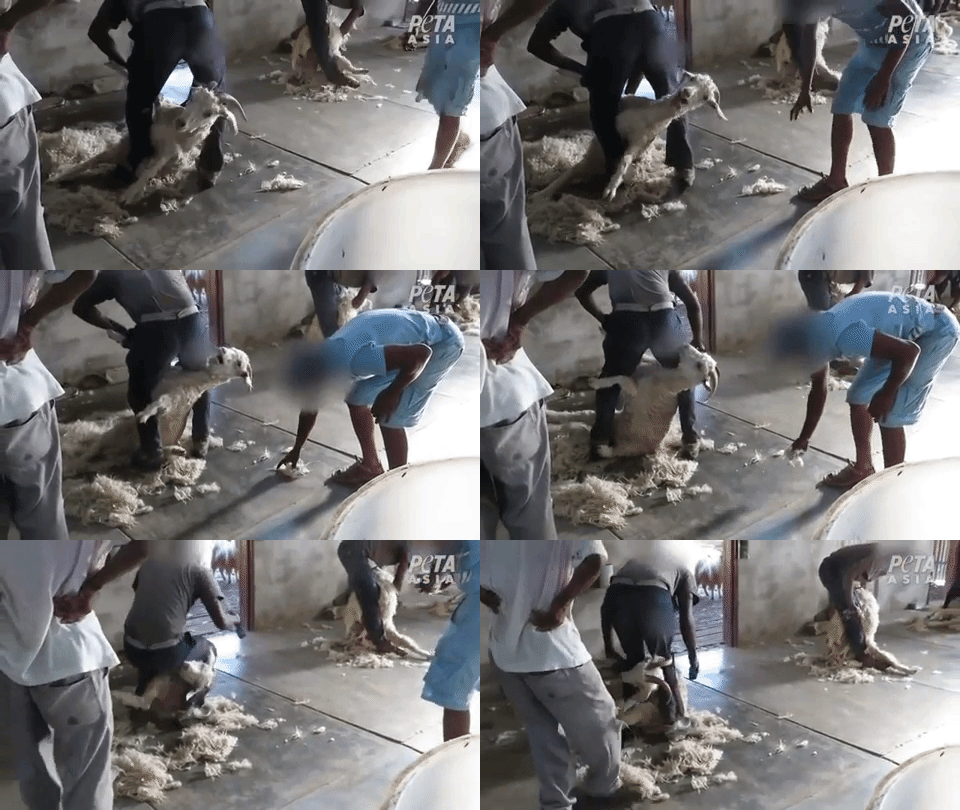
Beyond shearing practices, young animals and breeding stock face routine physical alterations without adequate pain management. Goat kids undergoing their first shearing experienced visible distress, vocalizing loudly in fear. Additionally, workers utilized heavy metal pliers to punch sharp needles through the ears of goats for identification purposes, causing acute pain described by industry insiders as causing the animals to scream intensely.
Broad Corporate Disinvestment and Industry Implications
The revelations from South Africa triggered an unprecedented corporate boycott. Prior to the exposés, mohair was prized by designers and manufacturers for its durability, luster, and insulating properties, frequently blended into high-end knitwear and specialty textiles.

However, the swift reaction from companies like adidas, Columbia, Gap, UNIQLO, and Zara signaled a fundamental intolerance for animal cruelty within modern supply chains. Analysts note that modern consumers, particularly younger demographics, place a high premium on supply chain transparency and ethical sourcing. The rapid abandonment of mohair illustrates how swiftly public relations crises can translate into permanent operational changes for multinational corporations.
The inclusion of FAO Schwarz in the boycott underscores that the scrutiny is no longer confined to the fashion sector. Companies that manufacture children’s products and plush toys are now auditing their supply chains to ensure compliance with emerging ethical standards. The shift has accelerated the adoption of synthetic alternatives and plant-based fibers that mimic the texture of mohair without ethical compromises.
Outlook and Ongoing Activism
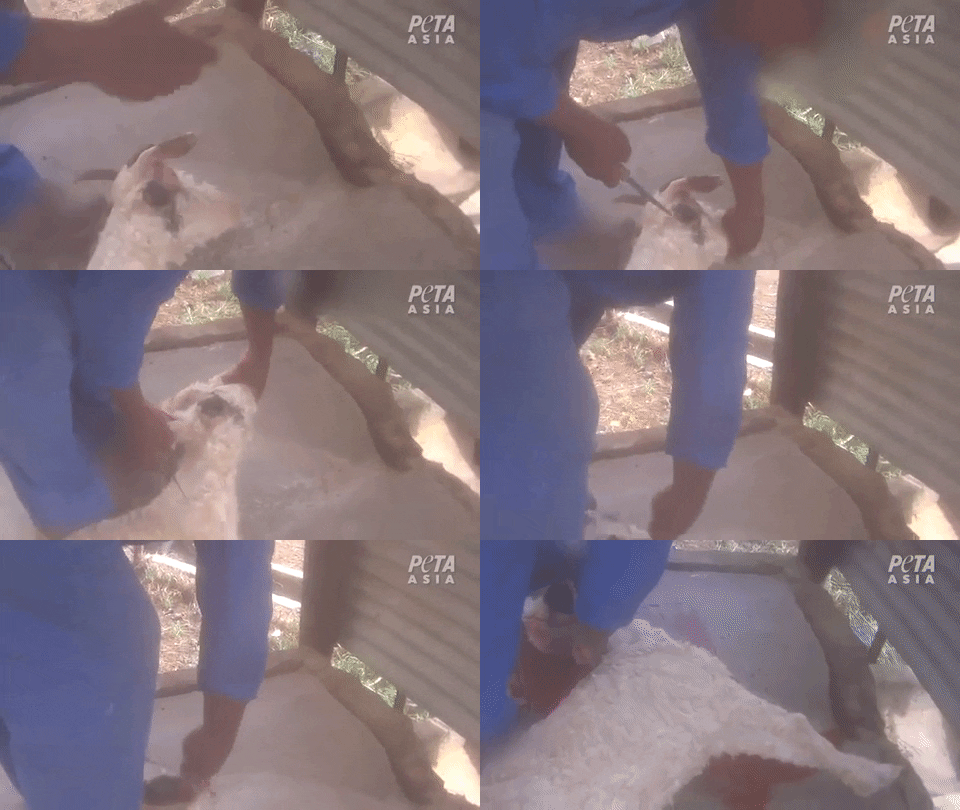
Despite the widespread abandonment of mohair by dozens of international brands, animal welfare organizations emphasize that advocacy efforts remain necessary to eradicate the fiber entirely from global commerce. Activists continue to target remaining holdouts in the retail, toy, and textile industries, urging companies to adopt permanent bans on animal-derived fibers.
Industry observers suggest that the rapid decline of the mohair market serves as a bellwether for other animal-based materials, including down feathers, exotic skins, and traditional wool. As corporate sustainability benchmarks become more rigorous, companies that fail to proactively audit their supply chains risk significant brand erosion and targeted consumer boycotts.
For the mohair industry, the loss of major international buyers represents a profound economic contraction, forcing producers to confront the financial consequences of widespread ethical concerns. As consumer preferences continue to favor cruelty-free alternatives, the long-term viability of commercial mohair production remains increasingly uncertain.

