


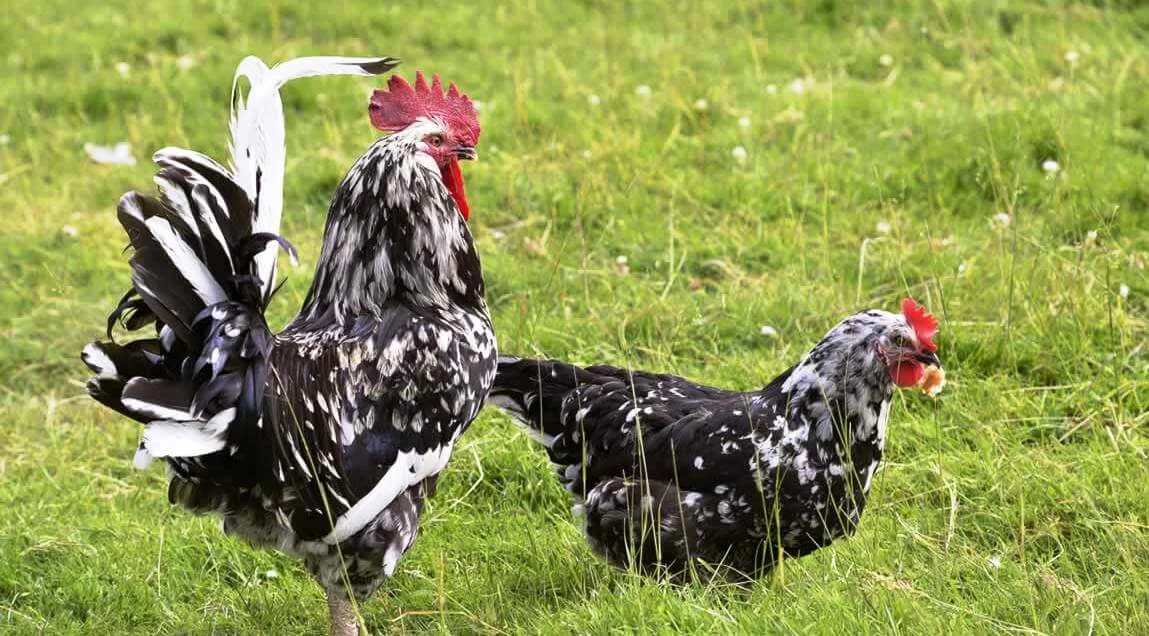
As communities around the globe prepare for Yom Kippur, the holiest day in the Jewish calendar, discussions surrounding the traditional observance of kapparot have once again moved to the forefront of interfaith and intrafaith dialogue. Known widely as the Day of Atonement, Yom Kippur is traditionally a period marked by profound introspection, fasting, prayer, charity, and seeking forgiveness for past transgressions. However, ahead of the solemn holiday, a specific custom practiced by a subset of observant communities—involving the use of live chickens in kapparot rituals—continues to draw scrutiny from animal welfare advocates, ethicists, and progressive religious leaders alike. In response, an expanding movement within Jewish communities is championing a compassionate alternative: replacing the use of live birds with monetary donations to charity.
Understanding Kapparot: Origins and Evolution
To understand the contemporary debate surrounding kapparot, one must examine the historical evolution of the ritual. The practice dates back centuries, with roots traceable to the Geonic period in Babylonian Jewish academies around the 8th and 9th centuries CE. Historically, the ritual involved an individual swinging a live chicken—or, alternatively, money—over their head while reciting passages reflecting on the transference of symbolic sins to the animal, which was then traditionally slaughtered and donated to the poor as food.
Over the generations, the nature of the practice has shifted significantly. While money was frequently used in European communities—especially when poverty or logistical hurdles made procuring and slaughtering livestock impractical—the use of live poultry persisted and eventually became institutionalized in certain Orthodox neighborhoods in cities such as New York, Jerusalem, and London.
Despite its long history, rabbinical authorities have long debated the necessity and appropriateness of the chicken-slaughter variant. Notably, prominent medieval codifiers of Jewish law, including Rabbi Yosef Karo (author of the Shulchan Aruch) and Rabbi Moses Isserles, expressed reservations about the practice, comparing it in some interpretations to non-Jewish superstitions. Crucially, the use of live chickens is not a commandment mandated by the Torah or the Talmud, allowing contemporary practitioners wide latitude to adapt the ritual in alignment with core ethical mandates of Judaism.
The Shift Toward Tzedakah: Charity as Atonement
At the heart of Yom Kippur is the concept of teshuvah (return or repentance), coupled with tzedakah (righteousness or charity). Progressive and traditional voices within the Jewish community are increasingly emphasizing that the spiritual objectives of the holiday—mercy, self-reflection, and ethical refinement—are best served by acts of benevolence rather than the unnecessary infliction of stress and harm on sentient creatures.
In lieu of purchasing a chicken for slaughter, practitioners participating in the modern reform movement donate a sum of money equivalent to the market value of the bird—or more—to charitable organizations, food banks, or community support funds. This monetary substitution retains the ancient name and charitable spirit of kapparot while eliminating the logistical, sanitary, and ethical complications associated with handling thousands of live animals in urban environments.
Advocates point out that choosing monetary charity aligns seamlessly with the central tenets of Jewish law that prohibit zaar ba’alei chayim—the causing of unnecessary pain to animals. By redirecting the financial resources traditionally spent on poultry toward human humanitarian needs, participants fulfill multiple religious obligations simultaneously: engaging in genuine teshuvah, supporting the impoverished, and upholding the mandate of compassion toward all creation.
Ethical Considerations and Animal Sentience
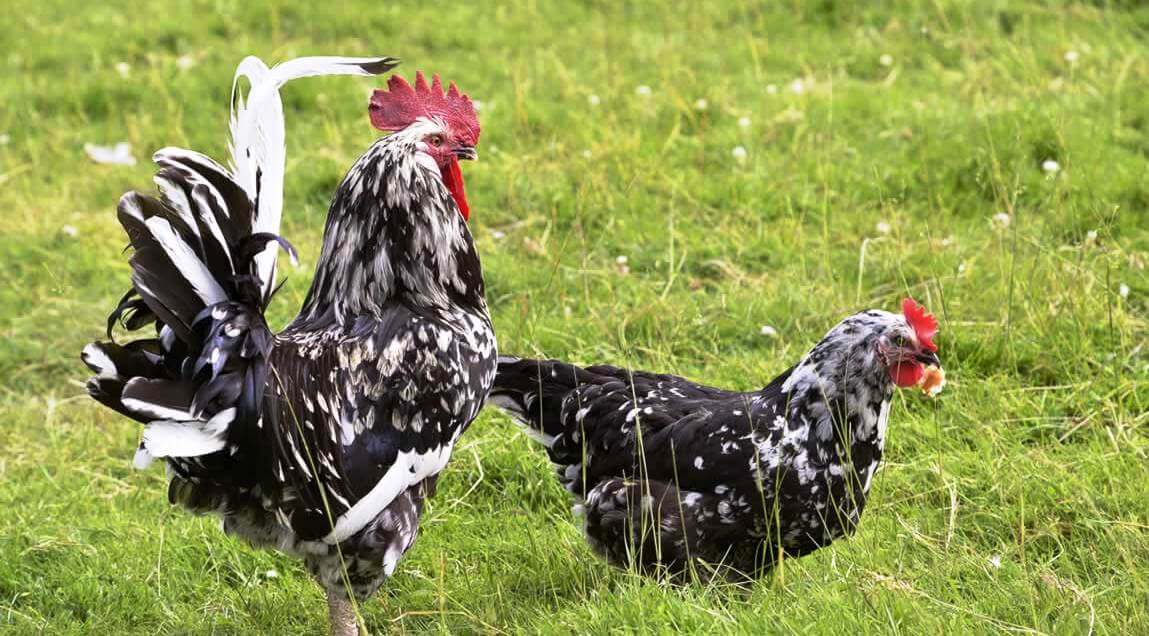
The debate over kapparot increasingly intersects with contemporary scientific understandings of animal behavior and sentience. Behavioral studies on avian species have revealed that chickens are complex, social, and emotionally sophisticated animals. Research indicates that chickens possess the capacity to recognize individual humans and other birds, form intricate social hierarchies, communicate using a diverse repertoire of vocalizations, and experience distinct emotional states such as fear, distress, empathy, and joy.
Animal welfare organizations and concerned community members argue that subjecting these sensitive animals to close confinement, rough handling, and prolonged transport prior to the ritual contradicts basic ethical frameworks. In major metropolitan areas, public health agencies and municipal departments frequently monitor temporary slaughter sites established for the duration of the holiday, issuing guidelines regarding sanitation, animal handling, and waste management. Nevertheless, critics maintain that regulatory oversight cannot fully mitigate the inherent distress experienced by the animals during the process.
Voices from Rabbinical and Community Leadership
The movement to reform kapparot has garnered support from a diverse coalition of rabbis, Jewish educators, and animal advocacy groups. Organizations such as Shamayim: Jewish Animal Advocacy and Jewish Vegan Life have spearheaded educational campaigns, producing resource guides and theological essays demonstrating that choosing charity over chickens is not only historically permissible but deeply rooted in traditional rabbinic ethics.
Prominent rabbinical figures have increasingly added their voices to the discussion, urging congregations to transition entirely to monetary donations. These leaders emphasize that Judaism is a dynamic tradition capable of moral growth and adaptation in response to evolving ethical insights. They argue that as society deepens its understanding of animal welfare, religious practices should reflect an elevated standard of universal compassion.
Conversely, traditionalist communities that continue to utilize live chickens defend the practice as a vital preservation of ancestral customs. Proponents argue that the physical ritual provides a tangible, visceral connection to mortality and repentance that abstract monetary contributions cannot fully replicate. They maintain that the slaughter is conducted in strict accordance with halakha (Jewish law) regarding ritual slaughter (shechita), which is designed to minimize pain, and that the resulting meat is distributed to feed families in need.
Broader Implications and Future Outlook
As the debate enters its annual cycle ahead of the High Holidays, the conversation surrounding kapparot reflects a broader cultural shift within modern religious life. Communities worldwide are increasingly challenged to balance the preservation of heritage with contemporary ethical standards.
The growing preference for charitable donations over animal rituals signals a significant evolution in how many modern Jews choose to express their devotion and seek atonement. By centering acts of kindness, environmental stewardship, and empathy toward all living beings, participants are redefining the observance of Yom Kippur to address the concerns of a changing world.
For individuals and families seeking to align their holiday practices with these values, numerous resources—including online guides from Jewish animal advocacy groups and synagogue-sponsored charity programs—are available to facilitate the transition to a completely cruelty-free kapparot. As awareness spreads, the movement to replace the chicken with charity continues to gain momentum, pointing toward a future where the solemnity of Yom Kippur is matched by an uncompromising commitment to universal compassion.

