


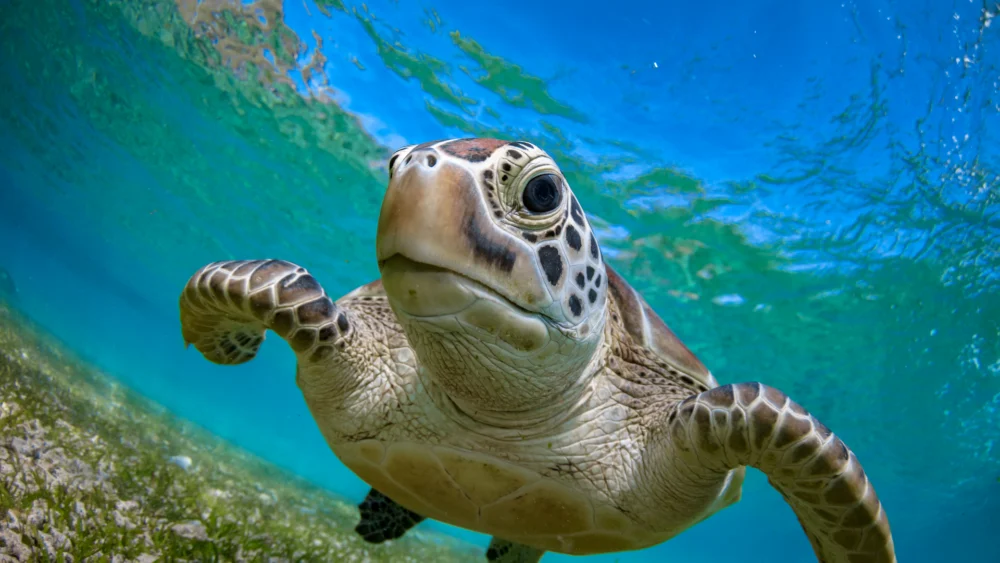
Sea turtle rehabilitation has evolved into a sophisticated discipline of veterinary medicine, requiring specialized knowledge of physiology, anatomy, and environmental factors. As anthropogenic threats—ranging from boat strikes and plastic ingestion to the widespread prevalence of fibropapillomatosis—continue to impact global populations, the role of the veterinarian in conservation has become increasingly vital. Dr. Heather Barron, Chief Science Officer at the Loggerhead Marinelife Center in Juno, Florida, has spearheaded a comprehensive clinical framework to standardize the care of these endangered reptiles, providing a roadmap for practitioners who often operate under strict state and federal mandates.
The landscape of sea turtle medicine is governed by rigorous regulatory frameworks. Because most of the seven extant sea turtle species are listed as threatened or endangered under the Endangered Species Act, veterinarians must navigate complex permitting processes before initiating any medical intervention. This professional guidance, detailed in recent clinical workshops and educational seminars held throughout 2026, emphasizes that while individual patient care is paramount, the ultimate objective is the successful reintegration of these animals into their natural oceanic habitats.
Anatomy and Diagnostic Foundations
A foundational understanding of chelonian anatomy is essential for any practitioner. The sea turtle shell is a complex structure consisting of the dorsal carapace and ventral plastron, connected by the bridge. Composed of approximately 60 distinct bones—including modified vertebrae and elements of the pectoral and pelvic girdles—the shell is covered by a layer of keratinized scutes. Clinical examination must account for the fact that these scutes are not mere armor; they are dynamic, shedding intermittently, and provide a framework for identifying specific injuries.
Diagnostics in sea turtles require a balance between thoroughness and patient stress reduction. Dr. Barron emphasizes that a complete physical examination, including core body temperature assessment within an hour of rescue, serves as the cornerstone of clinical decision-making. When blood collection is required, the external jugular vein—or dorsal cervical sinus—is the preferred site. Practitioners are cautioned against the use of EDTA as an anticoagulant, as it causes significant red blood cell lysis in chelonian samples, preferring lithium heparin instead. Advanced imaging, including computed tomography (CT), ultrasound, and endoscopy, provides the necessary data to assess internal pathologies, particularly in cases of buoyancy disorders or suspected gastrointestinal trauma.
Critical Care and Nutritional Support
The initial phase of rehabilitation is often a precarious period. Cold-stunned turtles, which often present with secondary pneumonia, require gradual stabilization. The consensus among experts is to avoid aggressive warming or the immediate administration of medications, which can lead to metabolic failure if the animal is not adequately rehydrated. Fluid therapy, utilizing crystalloids like Plasmalyte or Normasol-R, is typically administered based on iSTAT electrolyte profiles.
Nutritional support presents unique physiological challenges. Many sea turtles arrive in a state of severe malnutrition, and clinicians must be wary of refeeding syndrome—a potentially fatal metabolic complication where rapid nutrient intake after a prolonged fast leads to dangerous shifts in electrolytes like potassium and phosphorus. Dr. Barron suggests initiating feeding at 50% of the calculated energy requirements, often via gavage or, in long-term cases, an indwelling esophagostomy tube. In instances where oral feeding is not viable, total parenteral nutrition (TPN) has emerged as an effective, albeit intensive, intervention.
Managing Common Pathologies and Trauma
Fibropapillomatosis (FP), characterized by the development of tumors associated with the chelonid herpesvirus (ChHV5), remains one of the most prevalent diseases in juvenile green sea turtles. While surgical excision using CO2 lasers or radiosurgery is the standard for mass removal, the disease highlights the broader issue of environmental quality. Research suggests that while tumors may regress as the animal’s immune system matures, the prevalence of the virus in near-shore waters makes it an endemic challenge for rehabilitation centers.
Buoyancy disorders represent another common, complex presentation. Gas accumulation in the coelomic cavity or lungs can prevent a turtle from diving, effectively rendering it stranded. Recent innovations include blood-patch pleurodesis—a procedure where a small amount of the patient’s own blood is injected to seal leaks in the lungs or coelomic membrane—which has shown success in alleviating persistent gas trapping.
The Role of Anesthesia and Pain Management
The development of multimodal analgesia has significantly improved outcomes for turtles undergoing invasive procedures. Traditional gas anesthesia, while effective, often results in prolonged recovery times in reptiles. Consequently, many modern protocols favor injectable sedation—utilizing agents like dexmedetomidine, hydromorphone, and midazolam—followed by targeted reversal agents. For neurogenic pain, such as that experienced post-amputation, medications like gabapentin and pregabalin have proven effective.
The use of regional limb perfusion—injecting antibiotics or NSAIDs directly into a limb’s vascular system—has also gained traction, allowing for high local concentrations of medication while minimizing systemic exposure and potential toxicity.
Broader Impact and Future Implications
The medical management of sea turtles is not merely an act of animal welfare; it is a critical component of ecosystem health monitoring. By treating individual animals, rehabilitation centers act as "sentinels" for ocean health, identifying emerging threats such as harmful algal blooms, pollution, and the spread of pathogens that affect both marine life and human coastal communities.
The 2026 clinical guidelines established by leaders in the field reflect a shift toward evidence-based medicine. By documenting pharmacokinetics for antibiotics like oxytetracycline and refining transfusion protocols, the veterinary community is reducing the trial-and-error approach that previously characterized wildlife medicine. Furthermore, the standardization of procedures—such as those for shell repair and the management of cold-stunned patients—ensures that rehabilitation centers, regardless of their size or resource capacity, can provide a high level of care.
Institutional Collaboration and Education
The dissemination of these protocols is facilitated through collaborative networks, including organizations like the Wildlife Disease Association and various academic institutions. The emphasis on continuing education for licensed veterinarians and the integration of veterinary students into these programs ensures that the specialized skills required for sea turtle medicine are passed on to the next generation of clinicians.
As the environmental pressures on marine life increase, the intersection of clinical practice and conservation science will only grow in importance. The current standard of practice, defined by a rigorous scientific approach to diagnostics, therapeutics, and ethical decision-making, serves as a vital safeguard for these ancient creatures. By maintaining a focus on both the individual patient and the broader population, veterinarians remain on the front lines of marine conservation, ensuring that the return of a rehabilitated turtle to the ocean is not just an act of release, but a contribution to the survival of the species.
For practitioners, the message is clear: the success of sea turtle medicine depends on the constant refinement of technique, the rigorous monitoring of water quality in captive settings, and a commitment to understanding the physiological intricacies of these resilient, yet vulnerable, reptiles. As new studies continue to emerge, particularly in the fields of infectious disease and metabolic recovery, the veterinary community stands ready to adapt, ensuring that the care provided meets the high standards required for such ecologically significant patients.

