


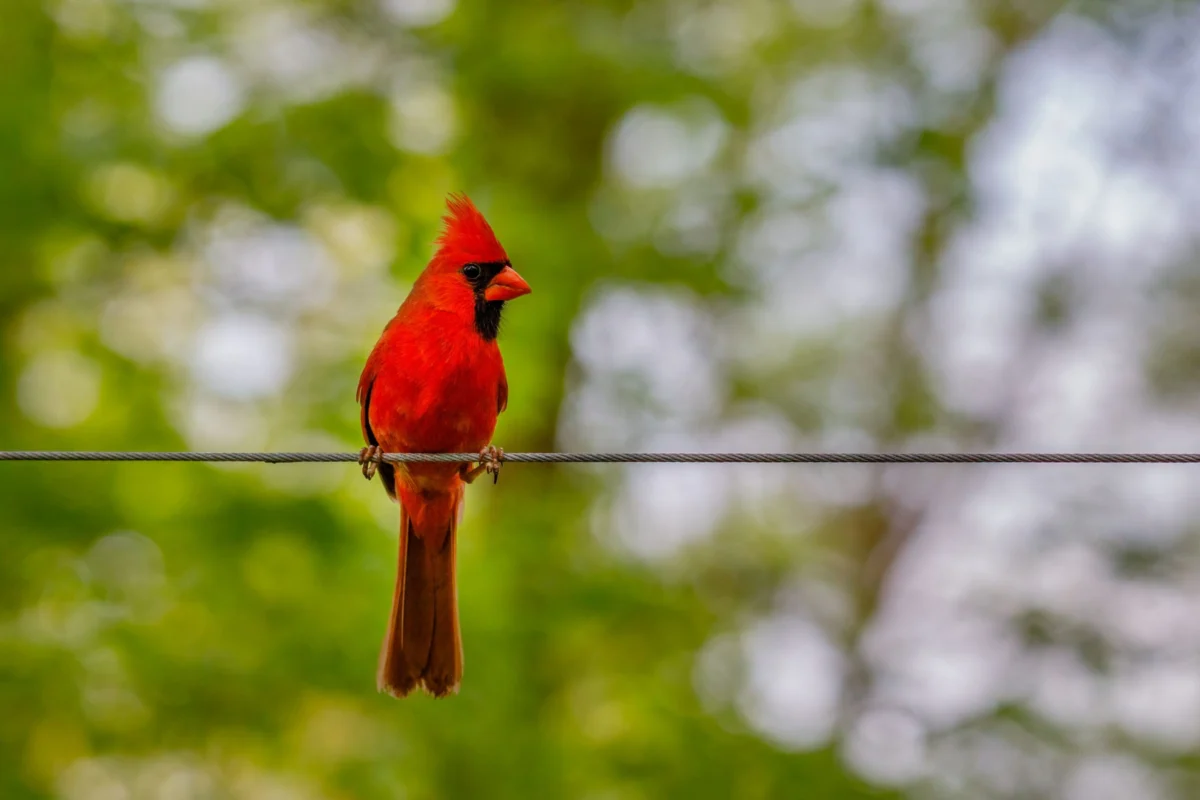
The Northern Cardinal (Cardinalis cardinalis) stands as one of the most iconic avian species in North America, celebrated not only for its distinctive crest and melodious song but for the striking, vibrant plumage of the male. While the species is a familiar fixture in suburban landscapes and wilderness regions alike, the biological mechanisms behind its coloration reveal a complex interplay of diet, evolutionary pressure, and environmental signaling. To understand why the cardinal is so vividly red is to understand the intricate survival strategies that have shaped this species over millennia.
Biological Foundations: The Role of Carotenoids
The primary driver of the Northern Cardinal’s appearance is a class of organic pigments known as carotenoids. These pigments, which range from yellow to deep red, are synthesized by plants, algae, and some bacteria. Because birds cannot produce these pigments internally, they must acquire them through their diet. In the case of the Northern Cardinal, the consumption of berries, fruits, and seeds is essential for the deposition of these pigments into the growing feather follicles.
Ornithological data from the Cornell Lab of Ornithology confirms that the intensity of a male’s plumage is directly correlated to the quality and availability of his food sources. When a male consumes a diet rich in carotenoids—such as wild grapes, dogwood berries, or crabapples—his metabolic system processes these compounds, depositing them into the feather structure during the molting process. If a bird is nutrient-deficient or struggling with habitat loss, the resulting plumage may appear duller, with more orange or brownish hues. Consequently, the vibrant scarlet coat of a male cardinal functions as a biological "report card," signaling to both potential mates and rivals that the bird is capable of locating high-quality food sources and maintaining optimal physiological health.
Sexual Dimorphism and Evolutionary Selection
The Northern Cardinal exhibits a clear example of sexual dimorphism, a phenomenon where the two sexes of the same species display different physical characteristics. While males boast their namesake crimson feathers, females possess a more muted, buff-brown coloration, often accented with soft red tinges on the crest, wings, and tail.
This divergence is largely attributed to sexual selection. In the avian world, females are frequently the choosers in the mating process. Evolutionary biology posits that by selecting for the most brilliantly colored males, females are indirectly selecting for higher genetic fitness. A male capable of maintaining a bright red coat demonstrates that he is a proficient forager, carries fewer parasites, and possesses a robust immune system. Research published in behavioral ecology journals suggests that female cardinals consistently show a preference for males with more intense red coloration, as these individuals typically provide better parental care and are more capable of defending high-quality territories.

Chronology and Development: The Path to Maturity
The development of the cardinal’s plumage is not instantaneous. Juvenile cardinals, regardless of sex, begin life with a grayish-brown plumage that provides effective camouflage from predators during their vulnerable early weeks. As they transition through their first autumn, juvenile males begin to undergo a partial molt. Unlike the rapid metamorphosis seen in some species, the transition to full adult coloration in cardinals is a gradual, iterative process.
It is common for observers to see "patchy" cardinals during the late summer and early fall—a stage often mistaken for illness by the public. In reality, this is a natural biological progression. As the bird matures, the hormonal shifts associated with reproductive readiness trigger the deposition of stronger, more consistent carotenoid pigments. By the time a male enters his first breeding season, he has typically acquired the full, striking scarlet that characterizes the species. This gradual development serves a functional purpose; it allows younger, less experienced birds to avoid the aggressive territorial challenges that a fully mature, brightly colored male would invite from established rivals.
Territorial Dynamics and Social Signaling
While much of the research on cardinal plumage focuses on mating, the function of the color extends into the realm of social competition. Northern Cardinals are fiercely territorial, particularly during the spring nesting season. The scarlet plumage acts as a long-distance signal of presence and dominance.
Studies involving robotic decoys have demonstrated that male cardinals react with higher levels of aggression toward bright red models than toward muted ones. This suggests that the color is not merely a tool for courtship but a weapon in the contest for resources. By displaying a vibrant, healthy red coat, a male can effectively deter intruders from his territory without necessarily engaging in physical combat, which carries a risk of injury. This "all-purpose" signaling makes the cardinal’s color a vital component of its survival in environments where space and food are limited.
Environmental Impact and Population Stability
Unlike many North American songbirds, the Northern Cardinal is a non-migratory species. This sedentary nature has had a profound impact on its evolution and its relationship with human observers. Because cardinals do not endure the physiological stresses of long-distance migration, they maintain a consistent presence in their home ranges throughout the year.
The stability of the species is reflected in its widespread distribution across the Eastern United States, Southern Canada, and parts of Mexico. However, experts warn that habitat fragmentation remains a significant concern. As residential development encroaches on forest edges—the cardinal’s preferred habitat—the availability of native, carotenoid-rich vegetation is threatened.

"The cardinal is a resilient bird, but it is not immune to the degradation of local ecosystems," notes a representative from a regional wildlife conservation group. "When we remove native berry-producing shrubs to replace them with ornamental non-native plants, we are essentially removing the color palette the cardinal uses to express its health and fitness."
The Role of Citizen Science in Future Research
The widespread fascination with the Northern Cardinal has provided a unique opportunity for large-scale data collection. Through platforms like the Great Backyard Bird Count and eBird, millions of observations have been recorded annually, allowing researchers to track population trends and shifts in range.
Data analysis of these records indicates that the species has been expanding its range northward, likely aided by the proliferation of backyard bird feeders. While these feeders provide a steady caloric intake, scientists emphasize the importance of natural foraging. Supplemental feeding of black oil sunflower seeds or safflower seeds can support a cardinal’s survival during harsh winters, but it does not replace the diverse nutrient profile found in a healthy, native-planted landscape.
Broader Implications: Beauty as a Biological Metric
The study of the Northern Cardinal provides a window into the broader principles of evolutionary biology. The vibrant red of the cardinal is not an aesthetic accident; it is an honest signal of biological vigor. By analyzing the variables that contribute to this color—dietary quality, hormonal regulation, and genetic expression—biologists are able to better understand the health of entire avian populations.
As climate patterns shift and urban environments continue to evolve, the Northern Cardinal serves as an indicator species. Its ability to adapt to human-altered landscapes while retaining its core evolutionary traits makes it a subject of enduring scientific interest. For the backyard enthusiast, the bird offers more than just a splash of color against a winter backdrop; it offers a complex narrative of survival, competition, and the remarkable precision of natural selection. Whether through the lens of a camera or the observations of a citizen scientist, the Northern Cardinal remains a testament to the fact that in nature, beauty is almost always a functional byproduct of life’s struggle to thrive.

