


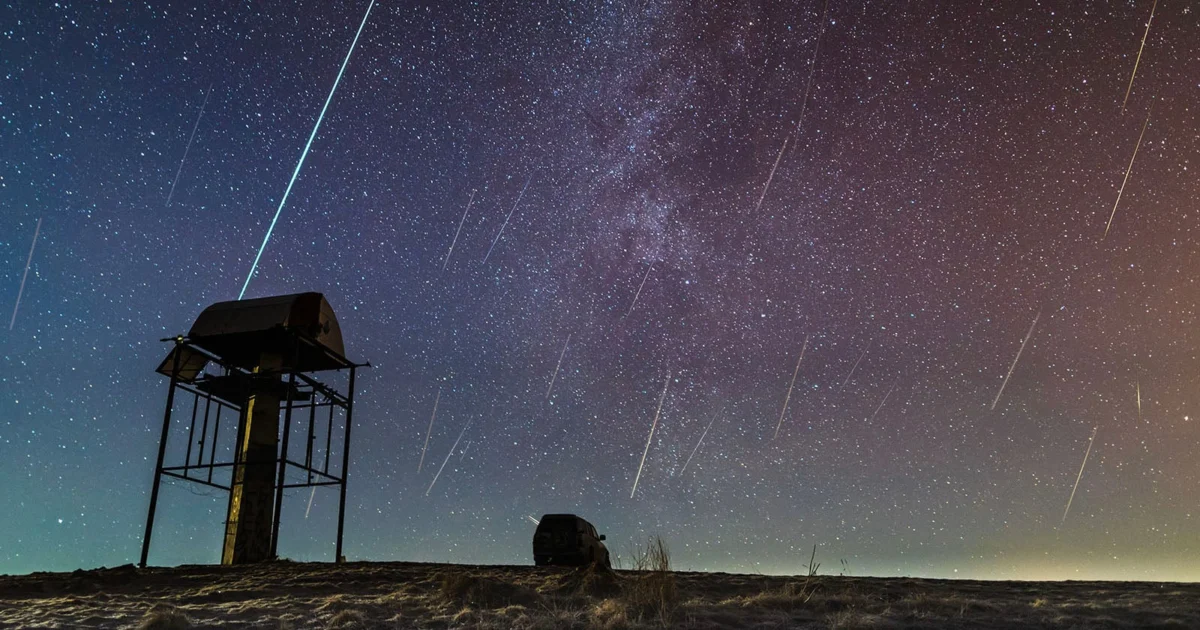
The summer of 2026 is projected to be one of the most significant periods for astronomical observation and astrophotography in recent decades, characterized by a rare convergence of major celestial events. Professional photographers and hobbyists alike are preparing for a season that includes peak Milky Way visibility, two distinct meteor showers, a total solar eclipse visible across parts of Europe and the Arctic, and a deep partial lunar eclipse. This confluence of events provides a unique opportunity for the scientific and photographic communities to document the heavens, provided they utilize the necessary technical precision and specialized equipment required for low-light, high-resolution imaging.
The July Transition: Peak Galactic Core Visibility
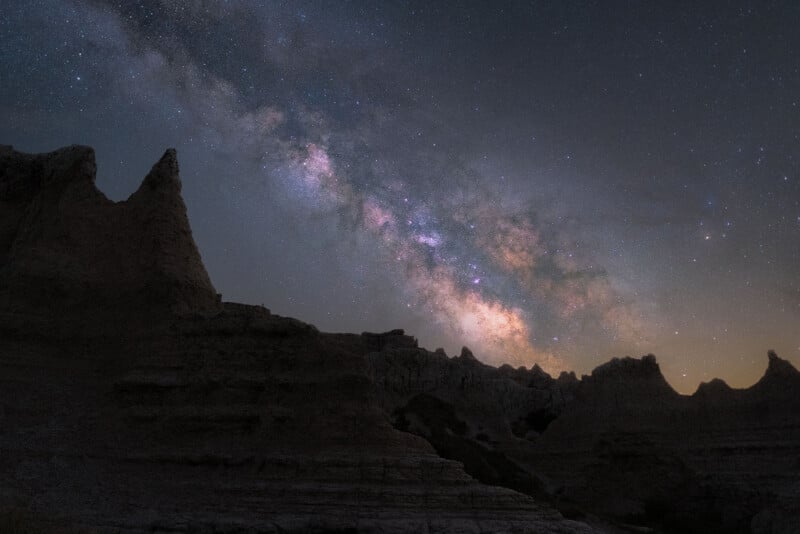
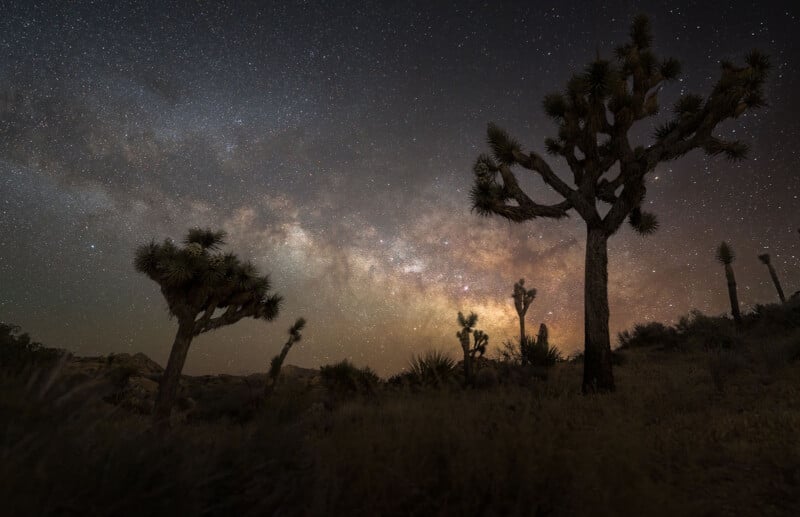
As the Northern Hemisphere moves into mid-summer, the positioning of the Earth relative to the center of the Milky Way galaxy reaches its most favorable orientation for photographers. The period surrounding the new moon on July 14, 2026, is identified as the optimal window for capturing the galactic core. During this time, the Earth’s natural satellite will be positioned between the Earth and the Sun, ensuring that its reflected light does not wash out the faint, intricate details of the interstellar dust clouds and star clusters that comprise the Milky Way’s center.
Astrophotography during this phase requires a focus on the "galactic bulge," which rises higher in the southern sky during the summer months. To capture this effectively, photographers must seek out International Dark-Sky Association (IDA) certified locations to minimize anthropogenic light pollution. Technical requirements for these shots typically involve wide-angle lenses with apertures of f/2.8 or faster and sensors capable of handling high ISO settings—ranging from 3200 to 6400—without significant thermal noise.
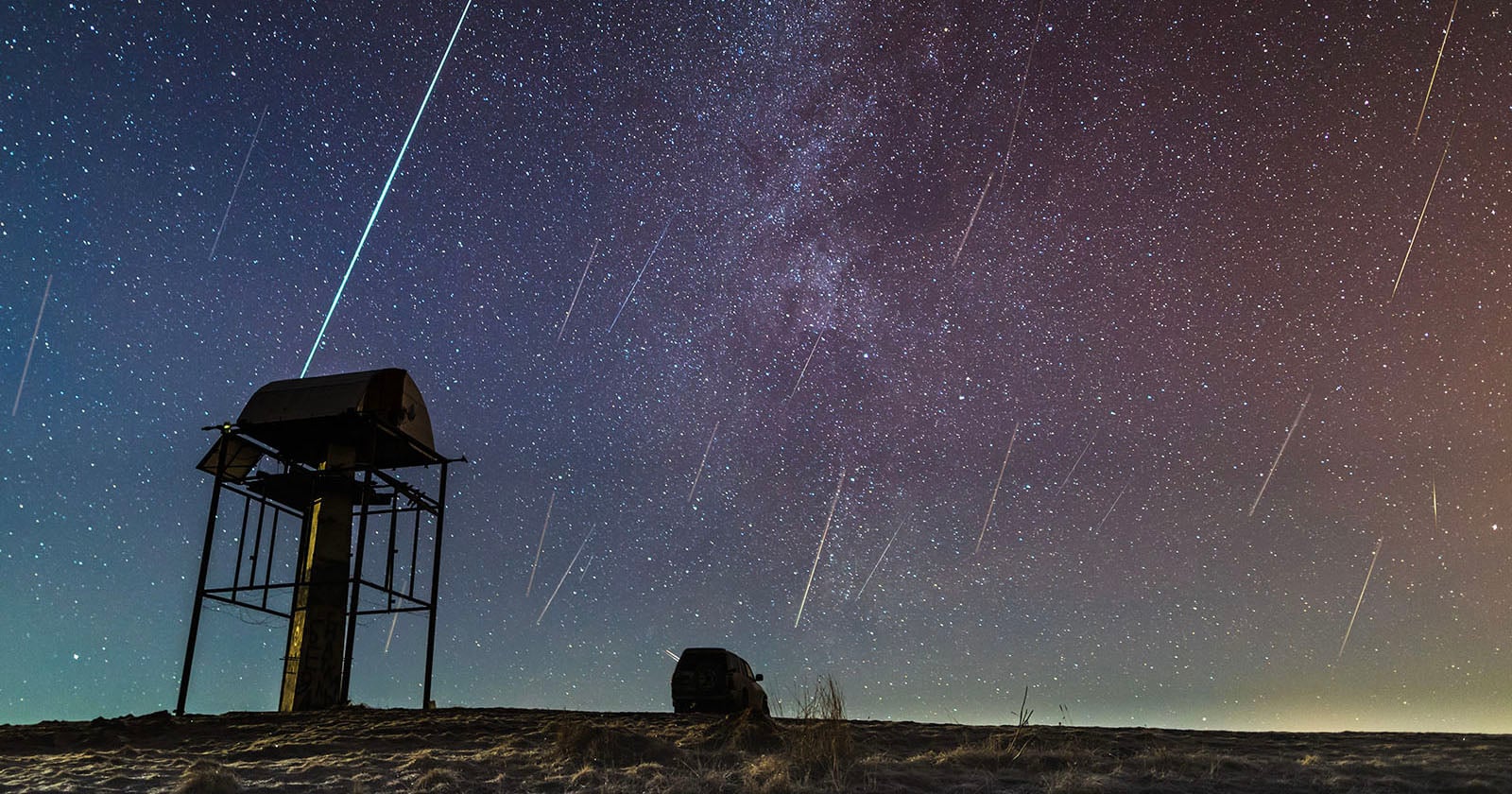
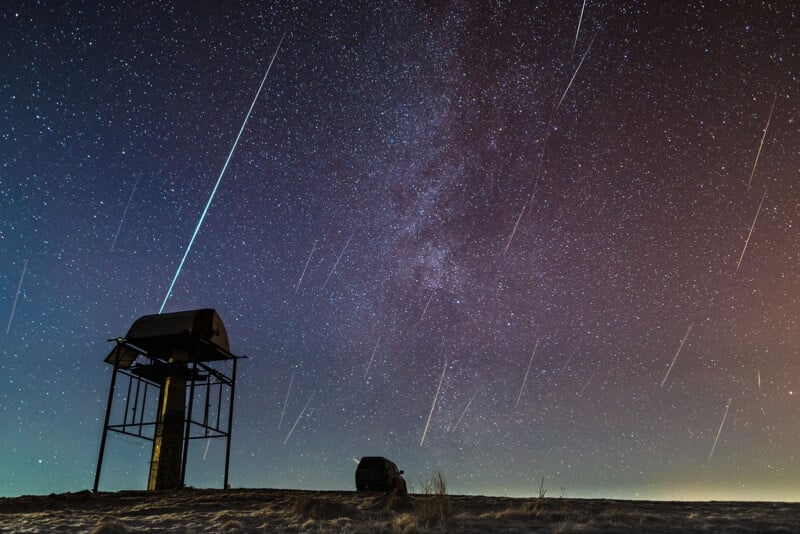
Following the Milky Way peak, the end of July will feature the dual peak of the Southern Delta Aquariids and the Alpha Capricornids on July 30 and 31. While the Southern Delta Aquariids are known for a steady rate of meteors, the Alpha Capricornids are historically noted for producing "fireballs." These are meteors that appear brighter than the planet Venus and can leave persistent trains across the sky. For the photographer, these events necessitate a strategy of continuous interval shooting, where the camera remains active for several hours to increase the statistical probability of capturing a fireball within the frame.
August 12: A Convergence of Major Astronomical Phenomena
August 12, 2026, stands as the centerpiece of the summer’s astronomical calendar due to the simultaneous occurrence of the Perseid meteor shower and a total solar eclipse. The Perseids are widely considered the most popular meteor shower of the year, often producing 50 to 100 meteors per hour under ideal conditions. In 2026, the peak of the Perseids coincides with a new moon, providing the dark skies necessary for maximum visibility of even the faintest streaks.
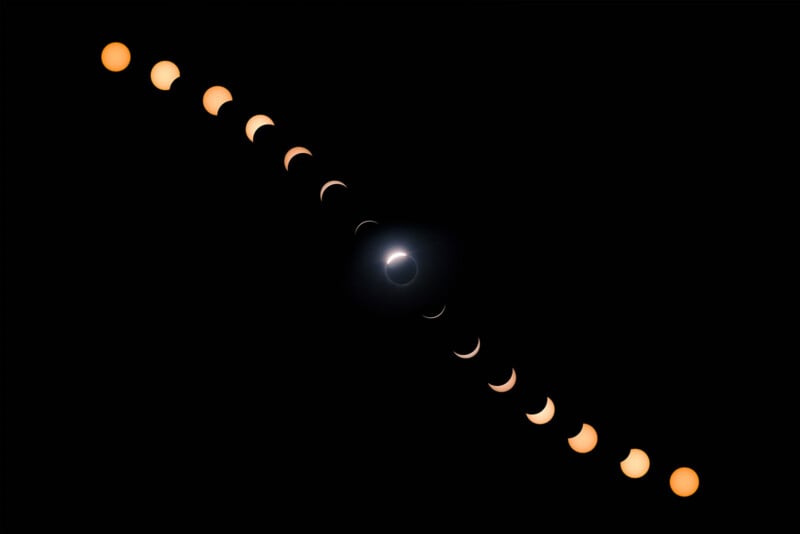
Simultaneously, a total solar eclipse will occur on August 12, with the path of totality sweeping across the Arctic Ocean, Greenland, Iceland, the Atlantic Ocean, and northern Spain. This represents the first total solar eclipse visible in continental Europe since 1999. In North America, the event will be visible as a partial solar eclipse, where a portion of the sun is obscured by the moon.
This dual event presents a logistical challenge for photographers. Capturing a solar eclipse requires specialized solar filters to prevent permanent damage to camera sensors and human eyesight. Conversely, capturing the Perseid meteors later that night requires the removal of all filters and the use of long-exposure settings. Industry experts suggest that serious practitioners may utilize multi-camera setups: one dedicated to the high-magnification tracking of the eclipse phases and another equipped with a wide-angle lens for the overnight meteor activity.
The Late Summer Finale: The Deep Partial Lunar Eclipse
The summer season concludes with a deep partial lunar eclipse occurring between August 27 and 28, 2026. During this event, approximately 96% of the moon’s diameter will be covered by the Earth’s umbra—the darkest part of its shadow. While technically a "partial" eclipse, the 96% coverage is significant enough that the moon will likely take on the deep copper-red or "blood moon" appearance usually reserved for total lunar eclipses.
This phenomenon is caused by Rayleigh scattering, where the Earth’s atmosphere bends sunlight and filters out shorter blue wavelengths, allowing only the longer red wavelengths to reach the lunar surface. For photographers in the United States and Canada, this event will be highly accessible, occurring at a convenient viewing angle in the night sky.
Unlike solar eclipses, lunar eclipses are safe to view with the naked eye and do not require filters. However, they do present a challenge in terms of dynamic range. As the moon moves into the shadow, the light levels drop precipitously, requiring the photographer to adjust shutter speeds and ISO settings in real-time to maintain a balanced exposure.
Technical Specifications: The Role of Stability in Long-Exposure Imaging
The success of astrophotography is fundamentally dependent on the stability of the camera platform. In low-light environments, shutter speeds often extend from 15 to 30 seconds. At these durations, even microscopic vibrations caused by wind, foot traffic, or the mechanical movement of the camera’s internal mirror can result in "star trailing" or a loss of critical sharpness.
To combat this, the industry has seen a shift toward high-performance support systems. Professional recommendations often highlight the necessity of tripods that integrate dampening technologies. For instance, the ProMaster Epoch tripod has been cited as a benchmark for this season’s demands. Such equipment is designed to act as an extension of the camera rather than a mere accessory. Key features required for the 2026 season include:
- Vibration Reduction: The use of carbon fiber or specialized alloys that absorb kinetic energy.
- Load Capacity: The ability to support heavy telephoto lenses used for eclipse photography without "creep" or sagging.
- Ergonomic Adjustments: The ability to manipulate tripod legs and heads in total darkness, often while wearing gloves in high-altitude or Arctic environments.
Furthermore, the use of a remote shutter release or an intervalometer is considered mandatory. By triggering the shutter electronically, the photographer avoids the physical contact that causes initial frame vibration. For the meteor showers of July and August, an intervalometer allows for the programming of hundreds of successive shots, which can later be stacked in post-processing to create a composite image of the night sky.
The Socio-Economic and Scientific Impact of Astro-Tourism
The 2026 astronomical calendar is expected to drive a surge in "astro-tourism," a growing sector of the travel industry focused on visiting locations with low light pollution. Regions in northern Spain and Iceland are already reporting increased hotel bookings for August 2026. Local governments in these areas are increasingly recognizing the value of dark skies as a natural resource, leading to the implementation of "dark sky friendly" lighting ordinances to protect the visibility of the heavens.
Beyond the economic impact, the influx of high-quality imagery from amateur and professional photographers provides valuable data for the scientific community. Large-scale documentation of meteor showers helps astronomers refine models of debris streams from comets (such as Comet Swift-Tuttle, the parent body of the Perseids). Similarly, high-resolution images of the solar corona during the August 12 eclipse contribute to our understanding of solar winds and magnetic activity.
Conclusion and Preparatory Guidelines
As the 2026 season approaches, experts emphasize the importance of early preparation. Scouting locations during daylight hours is essential for identifying foreground elements that can provide scale and context to celestial shots. Additionally, photographers are encouraged to familiarize themselves with the "500 Rule" (dividing 500 by the focal length of the lens to determine the maximum exposure time before star trails appear) or the more precise NPF rule for modern high-resolution sensors.
The convergence of the Milky Way peak, the Perseid fireballs, the European total solar eclipse, and the deep lunar eclipse represents a generational opportunity for the photographic community. By combining advanced stabilization hardware, such as the Epoch system, with rigorous technical planning, photographers can move beyond simple observation and into the realm of high-art documentation of the cosmos. The images captured during the summer of 2026 will likely serve as the definitive visual record of these celestial milestones for years to come.

