


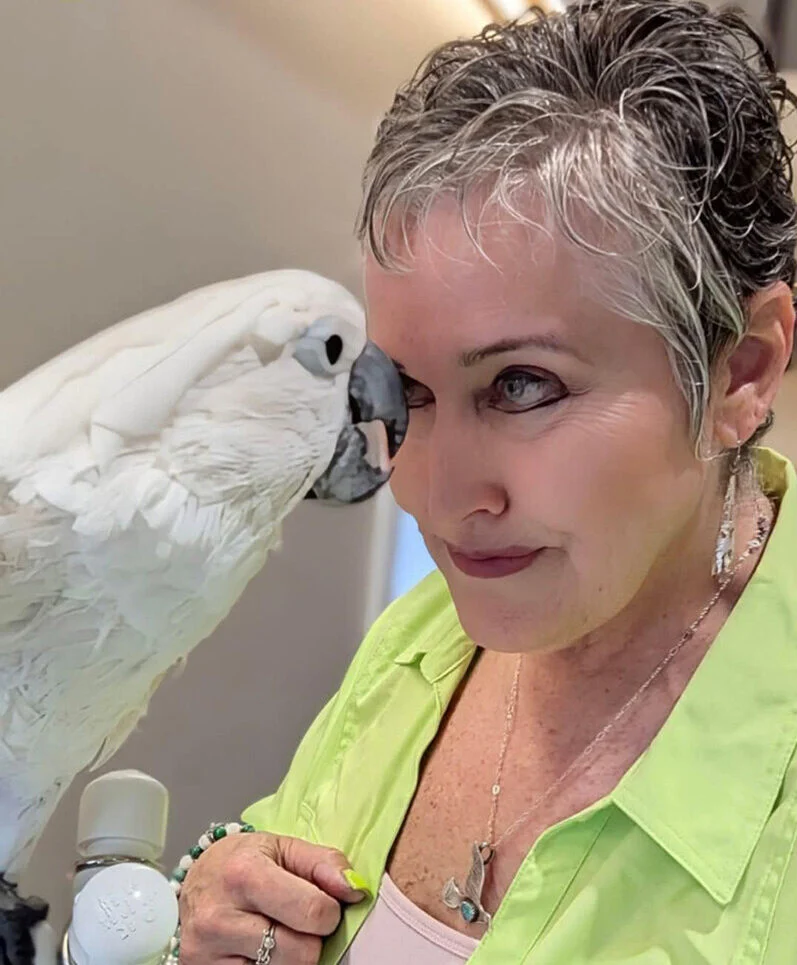
The narrative of human-animal connection has reached a historic milestone with the recognition of Boo, a 41-year-old umbrella cockatoo, as the Pet Partners Pet of the Year. This prestigious award, which annually highlights animals that demonstrate exceptional impact in therapeutic and support settings, has never before been bestowed upon an avian recipient. Boo’s journey—from a background of neglect and a decade of total blindness to becoming a beacon of hope for individuals with autism, stroke survivors, and youth groups—serves as a compelling case study on the resilience of animals and their capacity to facilitate human healing.
The Evolution of Animal-Assisted Therapy
The therapeutic use of animals has seen a significant shift in public perception and clinical integration over the last three decades. Historically, support animals were primarily associated with service dogs for the visually impaired. However, modern research increasingly underscores the efficacy of a broader range of species in mental health and rehabilitation contexts. According to recent industry data, approximately 18% of pet owners identify their animals as essential components of their emotional stability, relying on them to navigate life stressors and psychological challenges.
Organizations like Pet Partners, a nonprofit based in Bellevue, Washington, have been at the forefront of formalizing these human-animal bonds. By establishing rigorous standards for animal-handler teams, the organization ensures that the support provided is both safe and effective. Pet Partners currently manages a vast network of volunteers who provide animal-assisted interventions in clinical, educational, and rehabilitative environments. The impact of these programs is measurable; participants frequently report reduced levels of cortisol—the body’s primary stress hormone—and improved social interaction markers after structured engagement with therapy animals.
A Chronology of Resilience: The Story of Boo
Boo’s path to becoming a nationally recognized therapy animal is marked by profound adversity. For the first portion of his life, Boo endured an environment of abuse and systemic neglect. The physical toll of this environment was severe, eventually resulting in the total loss of his vision. For ten years, the cockatoo navigated his world in darkness, relying entirely on his owner, Amy Hurst, to serve as his sensory guide and protector.
The turning point in Boo’s life occurred when he became the subject of a groundbreaking surgical intervention designed to restore his sight. The procedure, which was both complex and high-risk, successfully returned vision to the aging cockatoo. This medical success story was not merely a physical restoration but a psychological transformation. With his sight returned, Boo’s capacity to interact with his environment expanded, allowing him to transition from a sheltered life of recovery to an active life of service.
The timeline of his recovery and subsequent certification as a therapy bird underscores the patience required in animal rehabilitation. Following his surgery and a period of stabilization, Hurst began the process of training Boo for public interaction. By leveraging his calm temperament and high level of social intelligence, Hurst was able to transition Boo into the Pet Partners registry, marking the beginning of his “second act.”
Therapeutic Impact and Clinical Applications
As a registered therapy bird, Boo’s work is multifaceted. His presence is frequently requested for:

- Autism Spectrum Support: Boo provides a predictable, sensory-focused interaction that helps individuals on the spectrum develop social engagement skills.
- Stroke and Physical Rehabilitation: In hand therapy sessions, Boo serves as a focal point for motor-skill exercises, where patients are encouraged to use specific hand movements to interact with or reward the bird.
- Youth Outreach: Boo’s history of overcoming disability serves as a powerful metaphor in educational settings, helping children understand empathy, resilience, and the importance of humane treatment of animals.
The clinical implications of using a bird like an umbrella cockatoo in these settings are distinct from those involving traditional canine therapy. Because parrots possess high levels of cognitive complexity and social awareness, they are often uniquely suited to mirror human emotions and respond to non-verbal cues. For many patients who may find the high energy of a dog overwhelming, the presence of a bird provides a more nuanced, meditative interaction.
The 2026 Pet of the Year Selection
The Pet Partners Pet of the Year award is not merely a title; it is a fundraiser that fuels the organization’s mission to expand access to animal-assisted therapy. For the 2026 cycle, the campaign raised an impressive $158,275. These funds are designated for the training, insurance, and administrative costs associated with deploying animal-handler teams across the country.
Boo’s selection as the winner was based on a combination of his therapeutic reach and the compelling nature of his survival story. Pet Partners officials have noted that Boo’s victory represents a paradigm shift in how the public perceives “non-traditional” therapy animals. By crowning an avian winner, the organization is acknowledging that the capacity for emotional support is not restricted to mammals.
Broader Implications for Animal Welfare
The success of Boo and Amy Hurst highlights the broader potential for rehabilitating animals from traumatic backgrounds. Many animals that suffer from severe neglect are often deemed “unadoptable.” However, Boo’s case demonstrates that with specialized veterinary care and consistent, long-term human support, these animals can not only lead fulfilling lives but can also contribute significantly to the welfare of others.
The partnership between Hurst and Boo is a testament to the importance of the human-animal bond in recovery. Hurst’s dedication, which spanned years of caring for a blind, traumatized bird, provided the foundation upon which Boo could build his own public-service career. This dynamic—where the caregiver and the animal both undergo a process of mutual healing—is a central theme in the modern understanding of animal-assisted therapy.
Looking Ahead
As we look toward the future of animal-assisted interventions, the precedent set by Boo’s award is likely to encourage more diverse species to enter the therapy field. Experts in animal behavior suggest that as long as the welfare of the animal is prioritized—a core tenet of the Pet Partners mission—the expansion of these programs could fill critical gaps in healthcare, particularly in elder care and long-term rehabilitation facilities.
The story of Boo is a definitive reminder that resilience is not a static trait but a process. Whether through the surgical restoration of sight or the gradual cultivation of trust after abuse, the trajectory of Boo’s life serves as an inspiration. As he continues his work, the 41-year-old cockatoo remains a symbol of how the most vulnerable among us can, with the right support, become the greatest sources of strength for others.
The recognition of Boo by Pet Partners serves as a permanent entry in the history of animal advocacy, confirming that the impact of a single life, regardless of species, can ripple outward to touch thousands. His story remains a vital touchstone for those interested in the intersections of veterinary medicine, mental health, and the profound, enduring connection between humans and the animal kingdom.

