


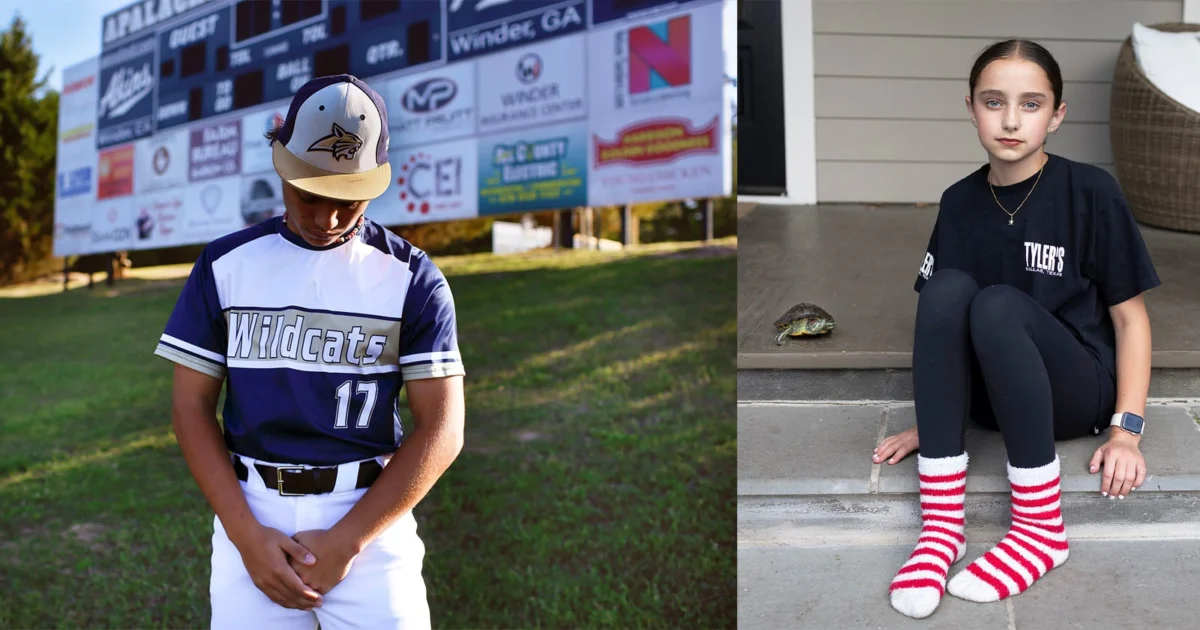
For the past 13 years, photographer Kathy Shorr has traversed the United States, not to capture the fleeting beauty of landscapes or the glamour of public figures, but to document the enduring, often invisible scars of those who have survived the American epidemic of gun violence. Her latest and third installment in this harrowing trilogy, titled SHOT: We the School Community, serves as both a historical archive and a somber sociological study. Through intimate portraiture, Shorr explores the lives of students, parents, teachers, and community members who have been irrevocably altered by the reality of active shooters in their classrooms, hallways, and places of worship.
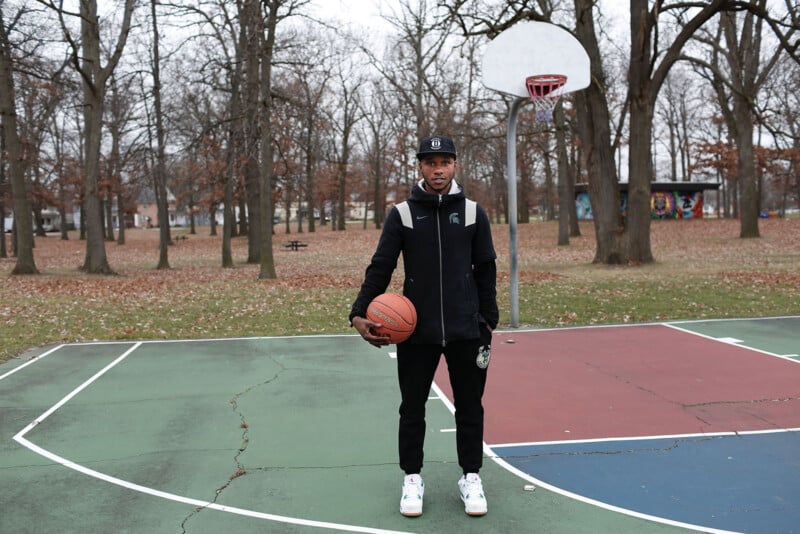
The project is an exhaustive visual narrative that spans the breadth of the American educational experience, from elementary schools in Uvalde, Texas, to university campuses in Lansing, Michigan. By allowing participants to select their own portrait locations—places that hold either the heavy weight of the tragedy or the quiet hope of a sanctuary—Shorr provides a platform for survivors to reclaim their stories.
A Chronology of Tragedy and the Evolution of a Crisis
The data behind Shorr’s subjects reflects a sobering trend in the United States: the increasing frequency and lethality of school shootings. While the issue is not new, the escalation in the last five years has been marked by a shift in both the age of the perpetrators and the venues of violence.
The timeline of incidents featured in Shorr’s work serves as a grim calendar of loss:
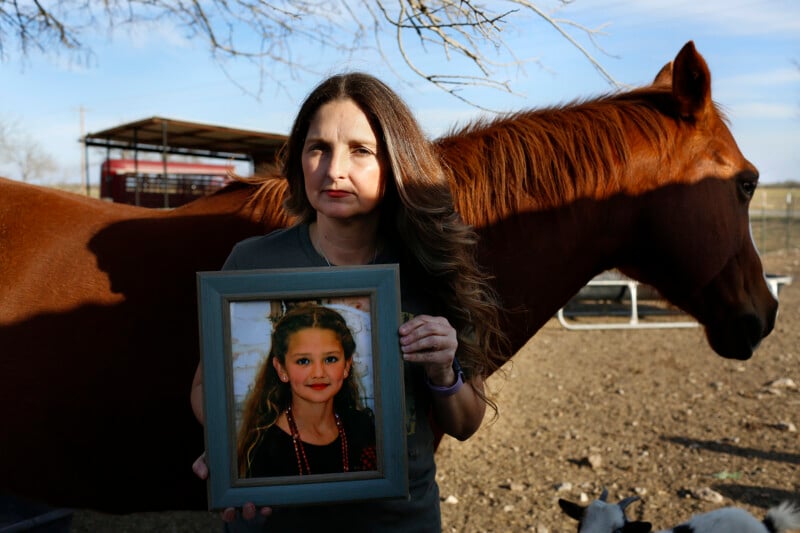
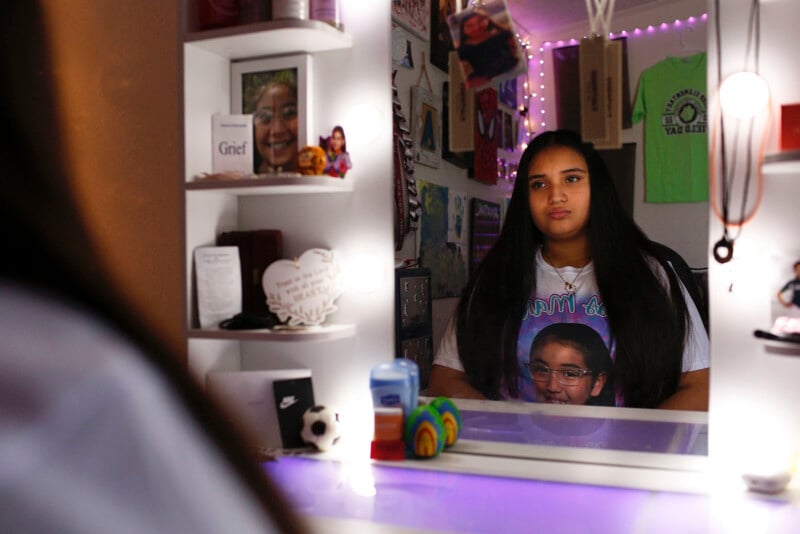
- May 2022: The massacre at Robb Elementary School in Uvalde, Texas, where 19 students and two teachers were killed, remains a defining point in the national debate. Survivors like Abby, who now struggles with the loss of her best friend, Tess, represent the younger generation for whom school is no longer a place of instruction, but a site of trauma.
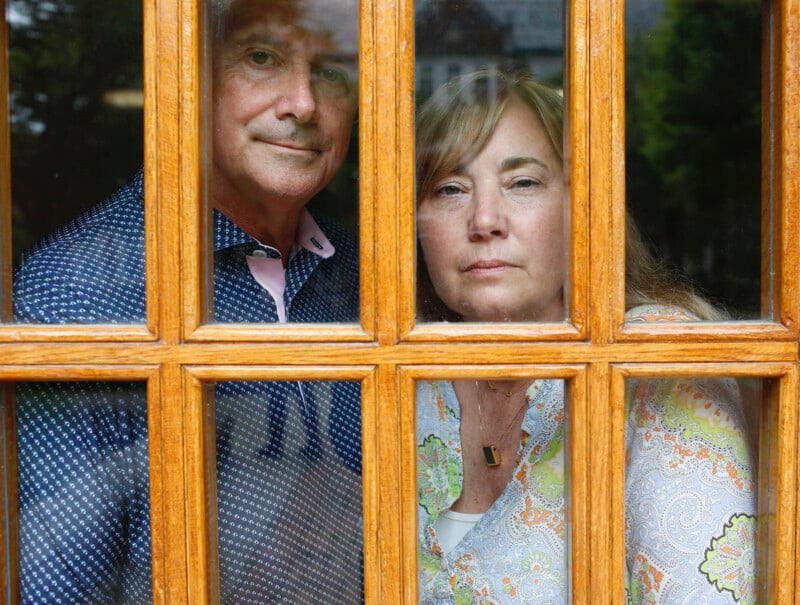
- February 2023: A shooting at Michigan State University in Lansing saw a gunman target an unlocked classroom, resulting in the deaths of three students. The parents of one victim, Alex Verner, chose to be photographed at the site of their daughter’s death, turning a space of horror into a place of advocacy for scholarships and reform.
- March 2023: The Covenant School in Nashville, Tennessee, faced a tragedy that claimed the lives of three children and three adults. The image of Melissa, who stood outside a firehouse where her son had sought refuge, captures the raw, visceral terror experienced by parents waiting for news of their children’s safety.
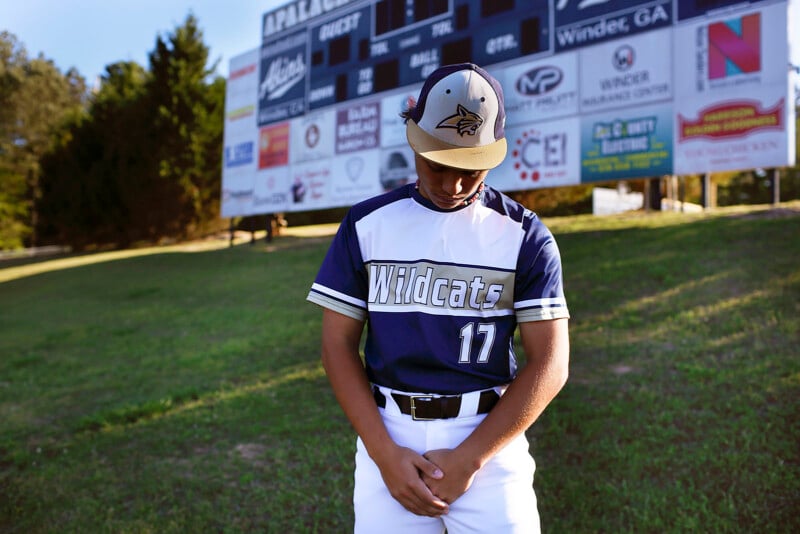
- September 2024: Apalachee High School in Winder, Georgia, became the site of a shooting that drew national attention to parental accountability. The shooter’s father was convicted and sentenced to over 100 years in prison, marking a rare legal precedent in which a parent was held criminally responsible for the actions of their child.
- August 2025: A devastating attack at the Annunciation School in Minneapolis saw a former student open fire on 300 students attending Mass. The event left two students dead and 28 injured, highlighting the vulnerability of community spaces attached to educational institutions.
The Human Cost: Portraits of Resilience and Grief
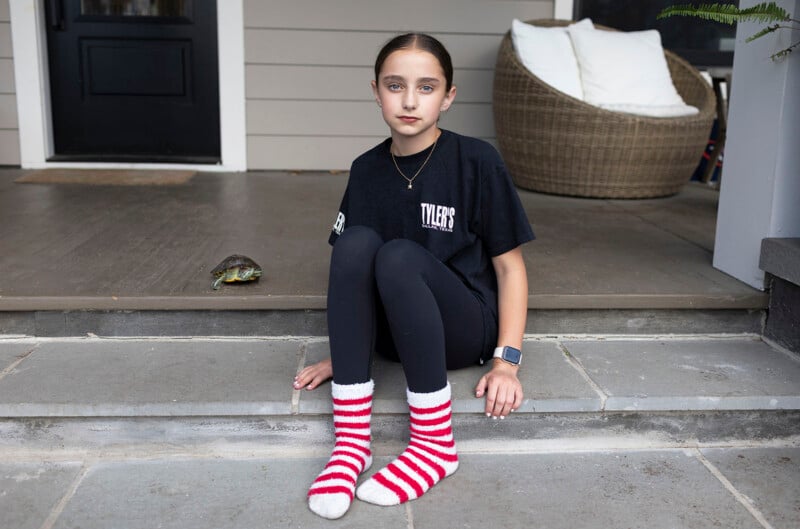
Each portrait in Shorr’s collection is accompanied by a narrative that illuminates the complexity of recovery. Orla, a student from the Annunciation School, is captured sitting on stone steps beside a turtle named Bubbles. The animal was a gift from the parents of her best friend, Harper, who was killed in the shooting. The weight of the moment is literal—Orla wears a necklace containing Harper’s ashes. This is not merely a photograph; it is a testament to the intergenerational grief that follows such events.
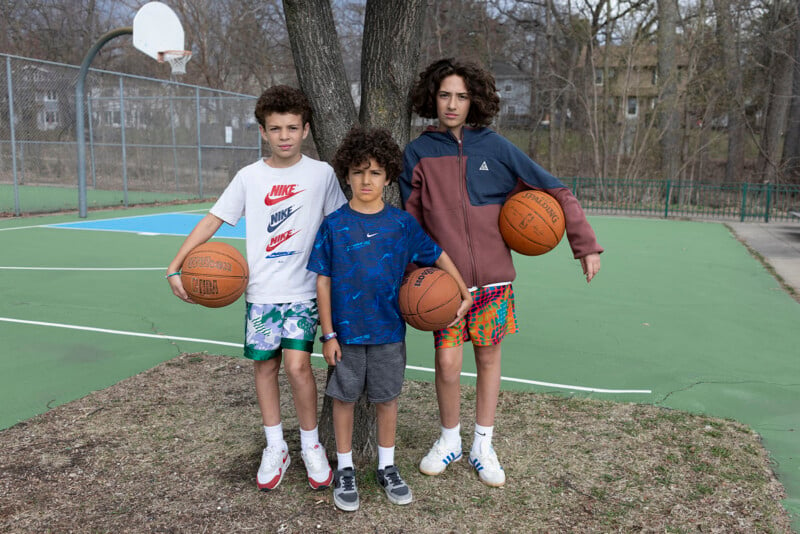
Similarly, the portrait of the three brothers—Arlo, Julian, and Dario—at the Annunciation School illustrates the long-term psychological damage inflicted on survivors. Arlo, who suffered shrapnel wounds, remains in therapy, unable to return to the church where the shooting occurred. These personal accounts provide a depth of context that statistics often obscure. They remind the public that the "survivor" label is not a synonym for "healed," but rather a description of a lifelong journey of managing trauma.
Analytical Implications: Parental Responsibility and Gun Storage
Shorr’s project does not shy away from the contentious policy debates surrounding firearms. Her analysis is rooted in the practical realities of domestic gun safety. Drawing from cases like the Oxford High School shooting in Michigan (2021) and the Apalachee High School shooting (2024), Shorr argues that the conversation must move past the abstract political polarization of the Second Amendment and toward tangible, preventative measures.
"Why would anyone leave a firearm unlocked where a child could see it, find it, play with it, or take it to school?" Shorr asks. This question touches on the growing movement to codify safe storage laws. According to the Giffords Law Center to Prevent Gun Violence, several states have enacted Child Access Prevention (CAP) laws, which hold gun owners liable if a minor gains access to an unsecured firearm. However, enforcement remains inconsistent, and the lack of a federal mandate means that the safety of students often depends on the individual decisions of gun-owning parents.
Shorr’s assertion that the gun industry should face the same public pressure that once reshaped the tobacco and automotive industries reflects a broader sociological perspective. The automotive industry saw a radical shift in the 1960s and 70s, moving from "buyer beware" to mandated safety features like seatbelts and airbags. Shorr contends that the "human rights violation" of school shootings demands a similar collective, industrial, and legislative response.
Institutional Responses and the Search for Common Ground
While legislative progress on a federal level remains stagnant, the institutions affected by these tragedies have been forced to implement radical changes. Security protocols, active shooter drills, and the hardening of campuses have become the new normal for American schools. Yet, for survivors, these measures are often constant reminders of the threat.
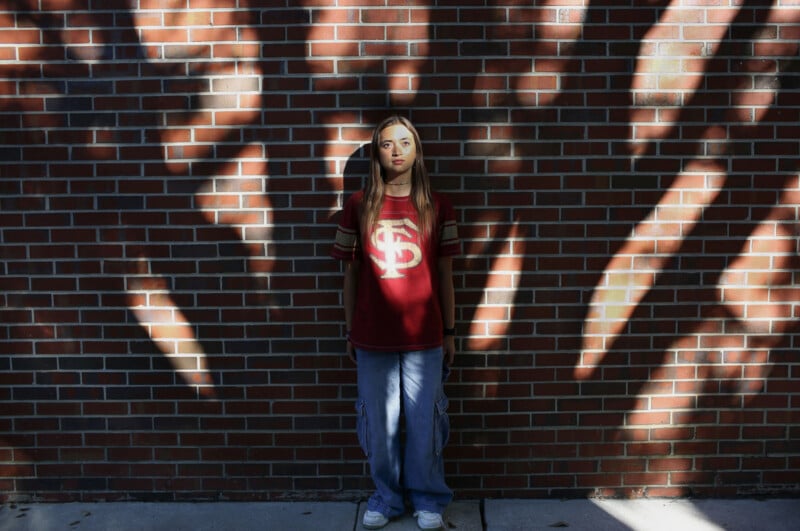
The stories of individuals like Alessandra Borges, who survived a shooting at Florida State University in 2025—her second experience with school violence after the Parkland tragedy in 8th grade—underscore the cumulative trauma of a generation raised in the shadow of mass shootings. Her choice to hold a dried flower from her friend’s memorial service serves as a poignant reminder that for many students, the school calendar is marked not just by exams and holidays, but by anniversaries of loss.
Conclusion: Beyond the Lens
Kathy Shorr’s project serves as a mirror held up to American society. By moving through the country and meeting 300 survivors over the span of 13 years, she has compiled a dossier of the American psyche in the 21st century. Her work posits that school shootings are not isolated incidents but a systemic failure.
The participants in SHOT: We the School Community are not merely victims; they are active agents in the fight for change. Whether they are founding non-profits, lobbying at state houses, or simply attempting to live through the day, their participation in this project is an act of defiance against the silence that often follows tragedy. Shorr’s photography ensures that their heartbreak is not forgotten, and perhaps more importantly, that the demand for a safer future for the next generation remains visible. In the end, the project leaves the viewer with a simple, unavoidable question: what is the cost of our collective inaction, and how much longer will we ask our children to pay it?

