


The controversy that has engulfed the Pishë Poro-Nartë protected landscape began in early May, when heavy machinery breached the pristine boundaries of the Vjosa Delta. This stretch of coastline, arguably one of the last remaining wild frontiers in the Mediterranean, serves as a critical sanctuary for over 200 bird species and more than 70 endangered animals. Situated on a vital migratory flyway connecting Africa and Europe, the area is an ecological linchpin. When bulldozers appeared, the Albanian government characterized the intrusion as a “technical survey” in preparation for an environmental impact assessment. However, the physical reality on the ground—characterized by the unauthorized blocking of the vital channel connecting the Narta Lagoon to the Adriatic Sea—contradicted official claims and sparked a nationwide outcry.
The Ecological Cost of Construction
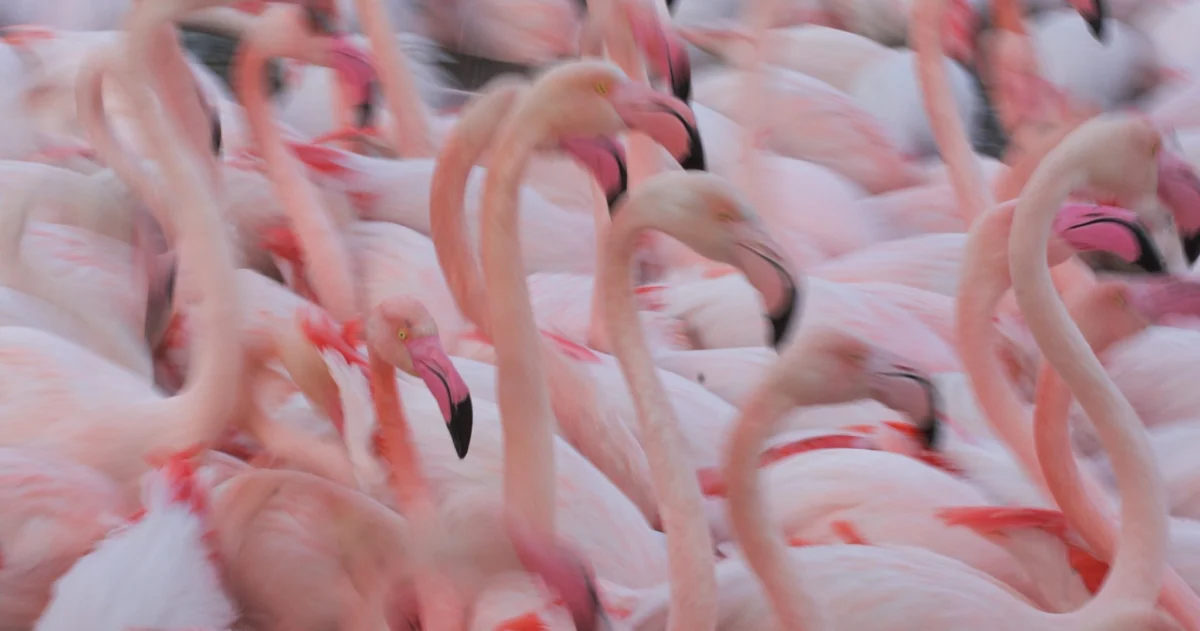
The Narta Lagoon is not merely a scenic vista; it is a complex, fragile ecosystem that relies on the precise balance of saltwater and freshwater. By severing the connection between the lagoon and the sea, the heavy machinery halted the natural tidal flow necessary to oxygenate the water and maintain the salinity levels required for the local food chain. This balance is critical for the survival of the Dalmatian pelican, nesting sea turtles, and the iconic Greater Flamingos that inhabit the region.
Marine biologists and environmental scientists have warned that the unauthorized dredging and blockage caused irreparable damage to three “priority” EU habitat types: wetlands, coastal dunes, and forests. While the channel has been partially reopened, experts emphasize that ecosystems of this complexity do not simply "bounce back." The loss of biodiversity, particularly in habitats that host nesting migratory birds, could require decades of restoration efforts to reverse. The gap between the government’s stated intent and the reality of the environmental degradation has significantly eroded public trust, transforming a local infrastructure dispute into a defining political crisis for the Albanian administration.
A Chronology of Confrontation
The escalation from a localized environmental protest to a sustained national movement occurred in several distinct phases:
- Early May: Heavy machinery enters the Pishë Poro-Nartë landscape. Local residents attempt to block the works but are met with private security forces and barbed wire fencing. Footage of the confrontation gains international attention.
- Late May: Protests move from the Narta site to the capital, Tirana. Nightly demonstrations become a fixture of the city, highlighting the growing public dissatisfaction with the government’s development strategy.
- 17 June: The European Parliament formally weighs in, calling for an immediate moratorium on all construction projects within protected areas until the legislative framework is brought into compliance with EU standards.
- July–August: As the protests reach the 100-day mark, the government maintains its stance on the project, while civil society groups and international NGOs intensify pressure for a complete repeal of the 2024 law.
The Legislative Conflict: A Clash with EU Standards
At the core of this standoff is a 2024 legislative amendment that effectively downgraded the protection status of several national parks, opening them to luxury tourism infrastructure and commercial development. This move has placed Albania in direct conflict with the European Union, which views environmental integrity as a cornerstone of the accession process.
Under the EU’s Natura 2000 network guidelines, member states are mandated to protect biodiversity and ensure that development projects undergo rigorous, transparent, and independent environmental assessments. By bypassing these protocols, the Albanian government has created a bottleneck in its path toward EU integration. The European Parliament has identified the repeal of this law as a necessary benchmark for Albania’s continued progress toward membership.
For Albania, the dilemma is clear: follow a traditional, high-impact model of coastal development—similar to the over-built tourist hubs seen in neighboring Mediterranean countries—or commit to a sustainable, green-growth model that honors the nation’s obligations to the EU and its own natural heritage.
Economic Implications and the Tourism Paradox
Proponents of the development projects argue that luxury tourism is essential for economic growth, job creation, and the modernization of infrastructure. They suggest that the Pishë Poro-Nartë area has the potential to become a world-class destination, provided that the necessary hospitality facilities are constructed.
However, economists and environmental strategists offer a counter-narrative. They argue that for a country like Albania, which is currently positioning itself as a premium, "undiscovered" tourist destination, the value of the wild landscape is significantly higher than the potential short-term tax revenue from a resort. Once the wild coastline is replaced by concrete, the primary asset that attracts eco-conscious, high-spending tourists is lost forever. In this view, preserving the Vjosa Delta is not an obstacle to economic development, but rather the most prudent long-term investment.
International Reaction and Official Stances
International conservation groups, including BirdLife International and the World Wide Fund for Nature (WWF), have issued statements condemning the work in the Vjosa-Narta area, citing potential breaches of the Bern Convention on the Conservation of European Wildlife and Natural Habitats. These organizations have called for the Albanian government to move away from top-down development strategies and instead implement a participatory approach that includes local communities and scientific stakeholders.
In response, government officials have stated that the projects are intended to boost the national economy and provide much-needed employment opportunities in rural regions. They have denied that the work was illegal, maintaining that the “technical surveys” were standard procedure. However, the government has been largely silent on the discrepancy between the initial permit scope and the physical destruction observed on-site.
The Path Forward: A National Reckoning
As the movement enters its fourth month, the protests in Tirana have evolved from specific complaints about the Narta Lagoon into a broader debate about democratic governance, transparency, and the rule of law. The conflict has forced the Albanian public to ask a fundamental question: who holds the power to shape the nation’s future?
The government’s response in the coming weeks will likely set a precedent for how Albania navigates its relationship with the EU. If the state chooses to prioritize immediate, high-impact construction over long-term environmental sustainability, it risks alienating its primary international partners and further deepening domestic resentment. Conversely, a reversal of the 2024 law would signal a commitment to modern democratic principles, proving that the nation can align its economic ambitions with the stringent environmental standards required of a modern European state.
The flamingos and pelicans of the Narta Lagoon remain, for now, undisturbed by the sound of heavy machinery. The channel, though damaged, still allows the tides to flow. The current lull, however, is precarious. The future of the delta, and the credibility of the Albanian government, rests on whether they decide to view this region as a commodity to be exploited or a heritage to be protected. As the protests continue to gain momentum, the message from the streets of Tirana is unequivocal: the citizens of Albania are no longer willing to trade their natural future for a model of development that has already failed elsewhere in the Mediterranean. The choice is stark, and the world is watching to see if Albania will choose a path of preservation that ensures its prosperity for generations to come.

