


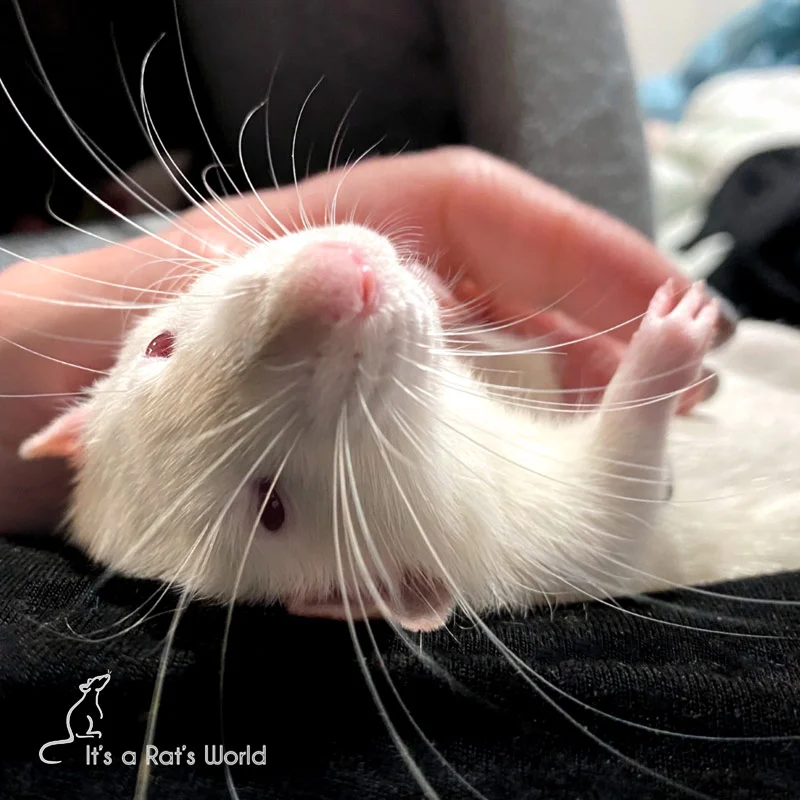
The decision to transition away from pet ownership is a profound shift that carries significant emotional and logistical weight, particularly for those who have dedicated years to the specialized care of exotic animals such as domestic rats. While the benefits of the human-animal bond are well-documented, a convergence of socioeconomic pressures, personal health crises, and the unique care requirements of small mammals has led an increasing number of dedicated owners to reconsider their capacity for continued guardianship. This transition, often described as "care fatigue," requires a methodical and compassionate approach to ensure the welfare of the animals remains the primary priority.
The Anatomy of Care Fatigue and Lifestyle Shifts
Pet ownership, by definition, is a commitment that spans the natural lifespan of the animal. For domestic rats (Rattus norvegicus), this lifespan is typically short, ranging from 24 to 36 months. Despite this relatively brief duration, the intensity of care required is high. Rats are social creatures that thrive in groups, and they are prone to specific health issues—most notably respiratory infections, mammary tumors, and pituitary tumors—that necessitate consistent access to specialized veterinary care.
When an owner’s life trajectory shifts due to unforeseen variables, the "sacred commitment" of animal care can become strained. Data from animal welfare organizations suggest that common drivers for rehoming or cessation of ownership include economic instability, housing insecurity, and the onset of chronic health conditions in the owner. When an individual can no longer provide the physical, emotional, or financial resources required for high-standard care, the professional consensus is that an objective assessment of one’s capacity is not an act of failure, but a responsible decision intended to protect the animal’s quality of life.
The Economic Realities of Exotic Animal Veterinary Care
The barrier to entry for many potential and current rat owners is the escalating cost of veterinary services. Unlike dogs or cats, which are served by most general practice clinics, rats are classified as exotic pets. This designation often mandates the use of specialized, board-certified exotic animal veterinarians.
Recent inflationary trends in the veterinary industry have exacerbated these costs. According to reports from the American Veterinary Medical Association (AVMA), the cost of veterinary care has seen a steady upward trajectory, with specialized care for small mammals often commanding premium fees due to the necessity of specialized equipment, anesthesia, and pharmacological expertise. For owners facing financial hardship, the inability to provide necessary, potentially life-saving treatment for chronic ailments creates a state of distress. Experts note that when an owner cannot reconcile their budget with the medical needs of their pets, the most ethical course of action is often to pause the cycle of ownership until financial stability is restored.
Chronic Illness and the Human-Animal Dynamic
The impact of human health on the ability to maintain a pet is a topic that rarely receives public scrutiny but is a significant factor in the abandonment or rehoming of small animals. Chronic illness or progressive disability can fundamentally alter an owner’s ability to perform the daily manual labor required for rat husbandry, such as deep-cleaning large enclosures, monitoring daily caloric intake, and administering complex medication schedules.
A longitudinal view of this phenomenon reveals a pattern: many long-term enthusiasts find themselves in a period of "enforced retirement" from the hobby. This is often the result of a mismatch between the animal’s needs and the owner’s physical limitations. In these instances, the decision to stop acquiring new rats is viewed as a form of stewardship. By acknowledging the limits of one’s care capacity, an owner prevents a situation where the animal’s welfare declines due to neglect or the owner’s inability to keep pace with necessary medical interventions.
Chronology of the Rehoming Process and Welfare Protocols
For those who must transition out of pet ownership, the process must be conducted with extreme caution to avoid the risks associated with improper rehoming. The following protocol represents the standard recommended by animal welfare professionals:
- Immediate Assessment: Determine if the current pets can remain in the home until their natural passing. This is the gold standard for animal welfare, as it minimizes the stress of environmental changes and social disruption.
- Resource Identification: If immediate rehoming is required due to allergies or life-altering emergencies, the owner should first contact reputable, non-profit rescue organizations.
- Vetting Potential Recipient: Avoid public marketplaces like Craigslist or social media classifieds, which carry high risks of the animals falling into the hands of neglectful parties or being used as feeder animals.
- Professional Mediation: Utilize local exotic veterinary clinics as a resource. These clinics often maintain lists of experienced, responsible owners or established rescue networks that prioritize animal health.
Addressing the "Singleton" Dilemma
A common point of contention among rat owners is the requirement for group housing. Because rats are highly social, they suffer in isolation. However, in the event of a "phased exit" from ownership—where an owner is waiting for their last remaining rat to pass away before concluding their hobby—an owner may be left with a single survivor.
Veterinary behaviorists and ethical breeders suggest that in these terminal situations, the "singleton" should be provided with an increased volume of human interaction. While a human cannot replicate the social structure of a rat colony, focused, frequent socialization can mitigate the stress of isolation. The primary goal in this final phase is the maintenance of the animal’s psychological well-being until the end of its life, rather than the acquisition of new, younger animals that would perpetuate the cycle of ownership.
The Broader Impact: Burnout and the Grief Cycle
The emotional toll of owning short-lived pets is a phenomenon known as "grief accumulation." Over the course of 20 or 30 years, an owner of short-lived exotic pets may experience dozens of bereavement cycles. This is not merely an emotional challenge; it is a physiological one. Persistent, recurring grief is linked to long-term fatigue, cortisol spikes, and, in some cases, symptoms of depression.
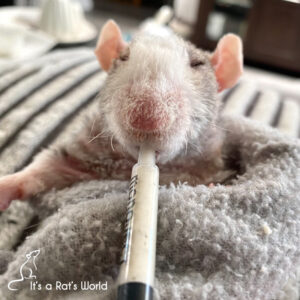
Industry analysts observe that this cycle leads to high rates of "burnout" in the small mammal community. The recognition of this burnout is an essential step in personal health management. By stepping away from the demands of care, individuals often find the necessary space to process their losses and regain their own quality of life.
Conclusion: Reframing the Exit
The narrative surrounding pet ownership often emphasizes the "forever" aspect of the commitment, which can create a stigma for those who find themselves unable to continue. However, a more nuanced view—one based on facts and animal welfare—suggests that the most responsible act is to prioritize the animal’s needs above the owner’s desire to keep them.
Whether due to the loss of a trusted, affordable veterinarian, a shift in personal physical health, or the emotional exhaustion of recurring bereavement, the decision to stop owning rats is a valid, logical, and often courageous choice. It is a transition that, when handled with foresight and care, ensures that the animals continue to receive the standard of life they require, while allowing the human guardian the necessary respite to recover. The "lifelong" commitment is not necessarily defined by an unbroken, 50-year streak of ownership, but by the integrity with which one manages the responsibilities and the eventual conclusion of that journey.

