


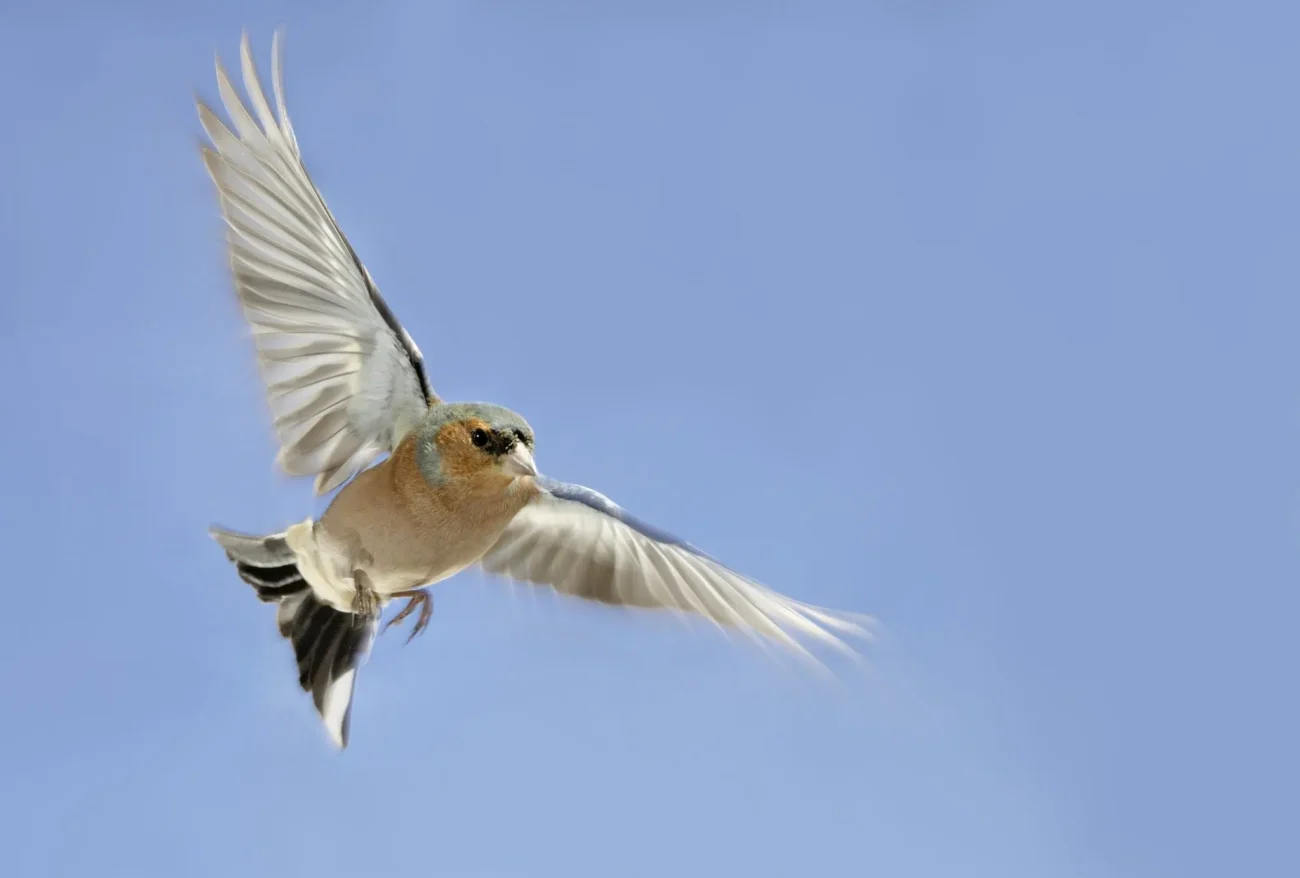
On the weekend of October 3-4, 2026, the skies over Europe and Central Asia became the focal point of a massive, coordinated citizen-science effort as more than 23,000 individuals participated in EuroBirdwatch 2026. This annual event, widely recognized as the largest birdwatching initiative in the region, transformed public parks, wetlands, and mountain passes into temporary field research stations. Orchestrated by 28 BirdLife Partners, the event saw 927 distinct gatherings where enthusiasts, researchers, and families tracked the pulse of the annual autumn migration. By the close of Sunday, the collective effort had resulted in the observation of approximately 4.8 million birds, with the comprehensive data sets now finalized and analyzed by BirdLife Slovakia.

A Legacy of Continental Observation
The EuroBirdwatch initiative is not merely a hobbyist gathering; it serves as a critical snapshot of avian movement across the Palearctic migratory flyways. Since its inception, the event has sought to bridge the gap between amateur birding and professional ornithological monitoring. By mobilizing thousands of observers simultaneously over a 48-hour window, the event provides a "snapshot" of migration timing, species distribution, and volume that would be impossible for professional research teams to replicate alone.
This year’s edition marks another milestone in the project’s multi-decade history. The data collected acts as an early warning system for environmental changes. While the primary goal is public engagement and the fostering of a deeper connection with nature, the raw data provides ornithologists with longitudinal insights into how climate change, habitat loss, and agricultural shifts affect migratory patterns. By comparing the results of 2026 against the archives of previous decades, experts can discern shifts in the timing of migration—often referred to as "phenological shifts"—which are increasingly linked to warming temperatures in the Arctic and temperate breeding grounds.

The Chronology of the Count
The operation began early on Saturday, October 3, as the first light hit the migratory bottlenecks in Scandinavia and the Baltic states. As the weekend progressed, the movement of the count followed the birds, shifting focus toward Central and Southern Europe.
Saturday was characterized by intense activity in northern corridors, where many species of raptors and finches were observed moving toward their wintering grounds. By Sunday afternoon, the focus of the event shifted to the Mediterranean rim and the inland wetlands of Central Asia, where large flocks of waterfowl and cranes were recorded. BirdLife Slovakia, acting as the central processing hub, managed the influx of digital checklists and field reports. Their role involves cleaning the data—removing outliers or misidentifications—and standardizing the terminology so that the 2026 report maintains the scientific rigor required for international conservation policy.

Analyzing the Migration Dynamics
The observation of 4.8 million birds is a significant figure, even when accounting for the variance in participation numbers compared to previous years. The sheer volume of sightings highlights the robustness of certain populations, while the absence or scarcity of others in traditional hotspots serves as a prompt for further investigation.
Field reports indicated a particularly strong showing for species that rely on stable weather patterns to cross the Mediterranean. Ornithologists noted that the mild weather conditions throughout the preceding month likely encouraged a steady, rather than a frantic, migration flow. This "slow and steady" migration often leads to higher survival rates for juvenile birds, as they have more time to forage at stopover sites.

The Role of BirdLife Partners
The success of EuroBirdwatch 2026 is fundamentally tied to the organizational capacity of the 28 BirdLife Partners involved. These organizations—ranging from national ornithological societies to grassroots conservation NGOs—provided the infrastructure, the expertise, and the local coordination necessary to manage 927 events.
In many countries, these events were not just about counting birds; they were educational outreach platforms. Families were invited to participate, children were introduced to the basics of bird identification, and local stakeholders were informed about the importance of protecting "flyway corridors." By involving the public in the counting process, the BirdLife network effectively democratizes science, turning every participant into a temporary guardian of biodiversity.

Official Responses and Conservation Strategy
While the event is a celebration, it is also a sober reminder of the fragility of migratory ecosystems. Representatives from the BirdLife network emphasized that the data collected serves as a powerful advocacy tool.
"The numbers we see today are the result of thousands of hours of dedication," stated a spokesperson for the coordinating committee. "However, these numbers must be read in the context of the broader crisis. We are seeing some species thrive in protected corridors, but we are also seeing the consequences of habitat fragmentation in areas where the counts were lower than anticipated. Our message to policymakers remains clear: the sky belongs to these travelers, and it is our responsibility to ensure their path remains unobstructed and safe."

The European Union, which has supported various aspects of the BirdLife network’s work, has noted the importance of such citizen-science data. While the views expressed in the final report belong to the organizers, the data itself is frequently cited in parliamentary discussions regarding the implementation of the EU Biodiversity Strategy for 2030.
Broader Implications for Environmental Policy
The implications of the 2026 count extend beyond simple census-taking. The data is instrumental in identifying "Important Bird and Biodiversity Areas" (IBAs). When a specific region shows consistent, high-volume activity over consecutive years of the EuroBirdwatch, it strengthens the case for legal protection status under the EU Birds Directive or the Bern Convention.

Furthermore, the 2026 data highlights the interconnectedness of Europe and Central Asia. Migratory birds do not recognize political borders; they follow geographical features like mountain ranges, coastlines, and river valleys. The success of the event demonstrates that conservation, to be effective, must be transnational. The cooperation between the 28 partners acts as a model for how international scientific collaboration should function, proving that data can be synthesized across languages and administrative boundaries to create a coherent narrative of the natural world.
Looking Toward the Future
As the data from EuroBirdwatch 2026 is archived and analyzed in depth, the focus of the ornithological community shifts toward the winter monitoring season. The event has once again proven that public interest in the natural world is not waning. In an era where digital distractions are ubiquitous, the ability to draw 23,000 people into the field—often in cold, damp, or challenging weather—speaks to a growing societal recognition of the importance of biodiversity.

The organizers have already begun planning for 2027, with a stated intent to further integrate digital tracking tools into the observation process. By combining traditional "eyes-on" birdwatching with satellite telemetry and automated sound recording stations, future editions of EuroBirdwatch could provide even more granular data.
Ultimately, the 4.8 million birds recorded over the first weekend of October 2026 are not just statistics. They are the survivors of a long and perilous journey. The participants of EuroBirdwatch have documented a singular moment in the life cycle of these species, contributing to a vast, living record of the earth’s pulse. As the last of the autumn migrants reach their southern homes, the lessons learned from this year’s count will continue to influence conservation priorities and public policy for months, and potentially years, to come. The collective effort of these 23,000 individuals ensures that, while the birds move silently across the sky, their journey is neither unnoticed nor forgotten.

