


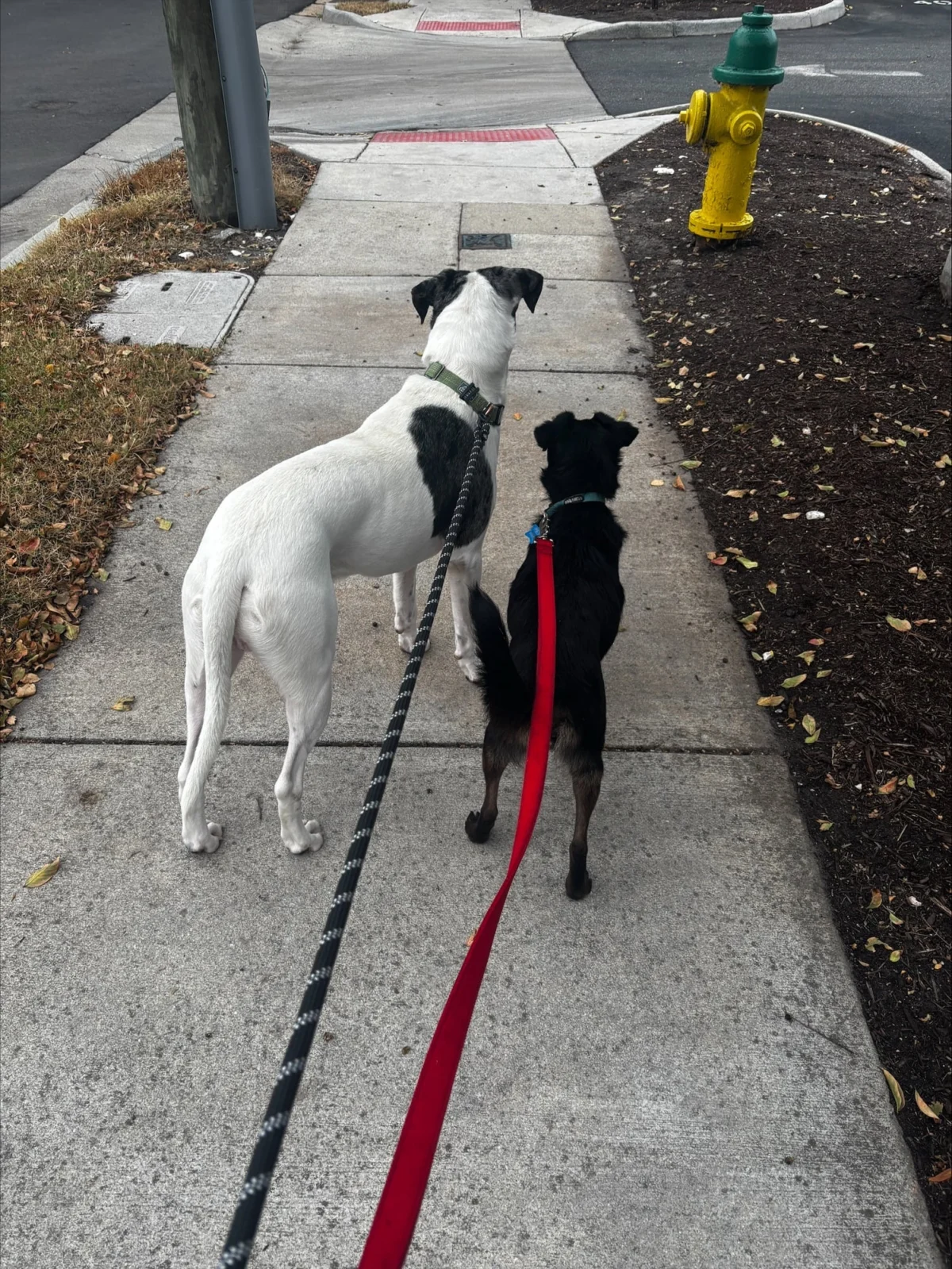
The rural landscapes of Southwestern Virginia often conceal stories of quiet hardship for domestic animals, but a chance encounter at a local service station last month brought national attention to the ongoing crisis of companion animal abandonment. What began as a routine field operation for the People for the Ethical Treatment of Animals (PETA) transformed into a rescue mission for a small spaniel mix named Bee and her canine companion, Rachelle. Abandoned and left to fend for themselves at a rural gas station in Galax, Virginia, the pair now find themselves at the center of a broader discussion regarding animal welfare, rural rescue operations, and the relentless challenge of pet homelessness in Appalachia.
The Incidental Discovery in Galax
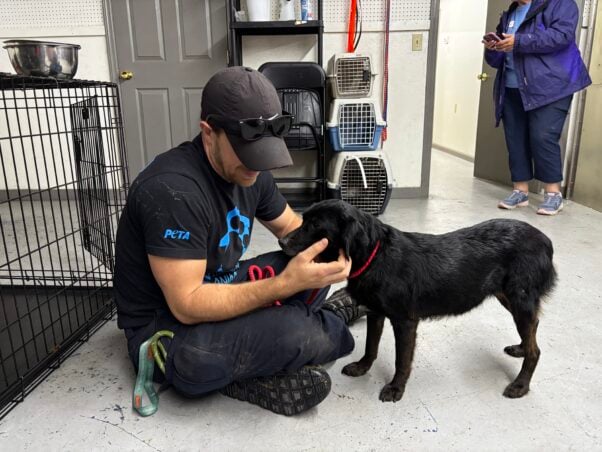
The sequence of events leading to Bee’s rescue occurred during a multi-day spay and neuter initiative conducted by PETA’s Community Animal Project (CAP) and the Mobile Clinics Division. Throughout the campaign, PETA fieldworkers and veterinary professionals operated across Galax and surrounding municipalities to curb the overpopulation of stray and neglected animals. During this intensive outreach, the mobile veterinary units successfully sterilized 253 dogs and cats, while field teams navigated rural roads to assist "backyard dogs." These interventions typically involved replacing heavy, restrictive chains with lightweight tie-outs, delivering insulated doghouses, and providing essential veterinary provisions.
Amidst these scheduled visits, a PETA fieldworker experienced an urgent need for a restroom stop, leading him to the nearest local service station. There, he encountered two small dogs lingering near the fuel pumps. According to station attendants, the dogs had been wandering the premises for hours, showing clear signs of displacement. Neither animal wore a collar, nor did they possess microchips or any visible identification. Local inquiries yielded no information regarding owners, and neither the Twin County Humane Society (TCHS)—which partnered with PETA for the spay-a-thon—nor local animal control received any missing pet reports matching the pair.
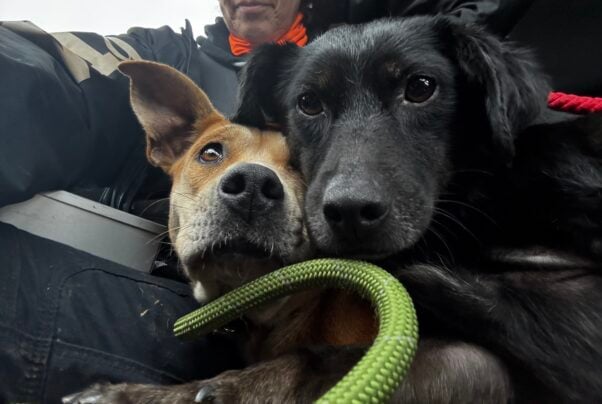
Recognizing the vulnerability of the dogs, PETA fieldworkers intervened. The black spaniel mix was named Bee, while her petite companion was named Rachelle. Following coordination with TCHS to exhaust local search efforts, both dogs were transitioned into PETA’s care. They were subsequently transported to the organization’s headquarters and shelter facility in Norfolk, Virginia, alongside several other former outdoor dogs whose owners had surrendered them to the rescue teams for indoor placement.
Chronology of the Rescue and Rehabilitation
The timeline of Bee and Rachelle’s rescue highlights the swift coordination required among regional animal welfare organizations:
- Early September 2026: PETA’s Community Animal Project and Mobile Clinics Division launch a comprehensive, multi-day spay, neuter, and rural outreach campaign in Galax, Virginia, in partnership with the Twin County Humane Society.
- Mid-September 2026: During field operations, a PETA worker stops at a rural service station and discovers Bee and Rachelle abandoned near the pumps. Gas station staff confirm the dogs have been unattended for hours.
- Late September 2026: TCHS and local animal control broadcast descriptions of the dogs to the public. With no owners stepping forward and no microchip data available, the dogs are officially admitted into protective custody.
- October 5, 2026: PETA formally launches adoption procedures for Bee following her relocation to the Norfolk shelter, highlighting her readiness for a permanent home while Rachelle transitions to a trusted partner shelter.
Profile of an Adoptable Pet
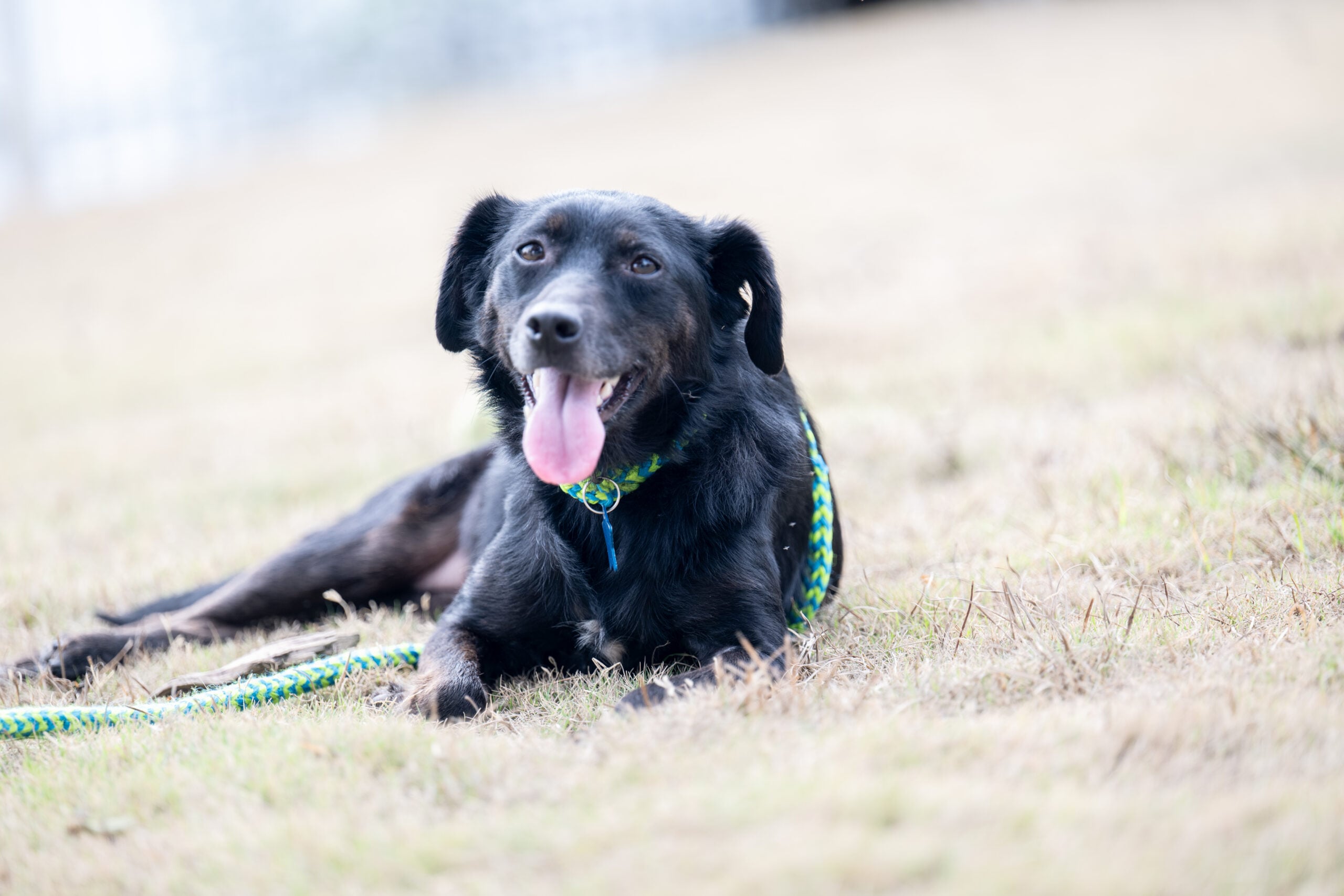
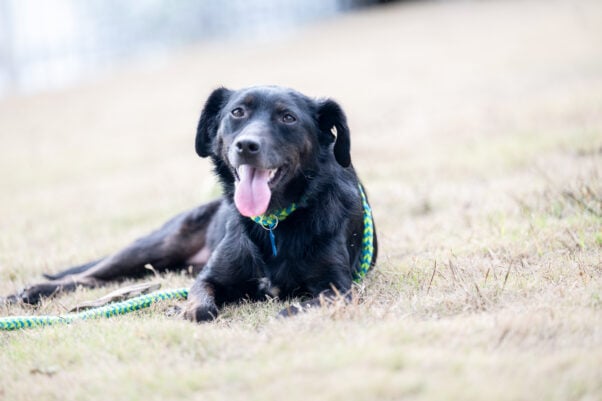
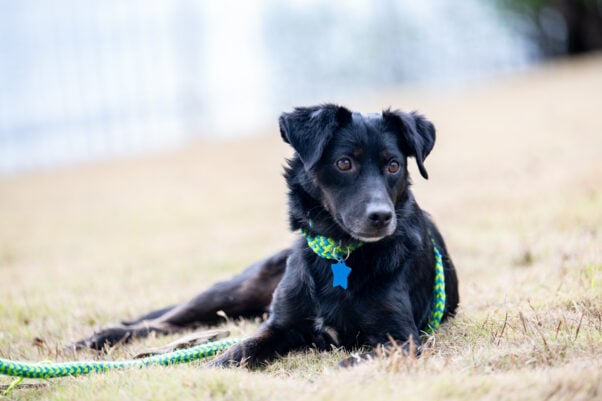
Bee’s physical attributes and temperament have made her a focal point of PETA’s current adoption campaigns. Estimated to be approximately five years old and weighing roughly 25 pounds, Bee represents a mid-sized canine profile that appeals to many prospective adopters. Veterinary assessments and shelter staff suggest her lineage is a diverse mix of spaniel, Australian shepherd, Chihuahua, and dachshund.
Behavioral evaluations conducted by shelter personnel describe Bee as possessing a balanced temperament. Staff note that she adapts well to varying activity levels, demonstrating traits suitable for both outdoor excursions and indoor companionship. While she can initially display a degree of bashfulness, her affectionate disposition quickly emerges once familiarized with new handlers.
Out of the ten dogs rescued during the Galax outreach initiative, Bee is among the final group currently housed at the Norfolk facility awaiting permanent placement, as several of her peers have already been successfully adopted or transferred to partner networks.
Broader Impact and Implications of Rural Animal Dumping
The abandonment of Bee and Rachelle reflects systemic challenges prevalent in rural animal welfare. Galax and the surrounding counties in Southwestern Virginia, like many rural American regions, often experience limited access to veterinary services, strained local animal control resources, and a high concentration of tethered or outdoor animals.
Animal welfare advocates point out that service stations, highway rest stops, and remote country roads frequently serve as drop-off points for unwanted pets. This practice not only places the animals at immediate risk of vehicular accidents, starvation, and exposure but also overwhelms rural shelters that operate with limited funding and capacity. Organizations like PETA and the Twin County Humane Society rely heavily on temporary mobile clinics, spay-and-neuter incentives, and volunteer fieldworkers to mitigate these pressures.
Data from national animal welfare organizations consistently indicates that rural shelters face higher intake rates relative to their local human populations compared to urban centers. Consequently, regional transport programs—such as moving animals from rural counties to metropolitan shelters like the one in Norfolk—play a critical role in balancing shelter populations and increasing adoption rates.
Moving Forward: The Path to Permanent Placement
As adoption inquiries for Bee begin to circulate, PETA’s sheltering division emphasizes the importance of thorough vetting for prospective pet owners. The organization has established a dedicated communication channel for potential adopters to submit applications detailing their home environments, lifestyle compatibility, and commitment to lifelong pet care.
For Bee and the remaining dogs rescued during the Galax campaign, the transition from the uncertainties of rural abandonment to structured shelter environments marks the first step toward stability. As animal advocates continue to push for expanded spay-and-neuter access and stronger anti-tethering laws in Virginia, individual success stories like Bee’s underscore the tangible impact of grassroots intervention and regional animal rescue networks.

