


Every April 22 since 1970, people across every continent come together to honor an essential part of our shared lives – planet Earth. This annual observance, now a global phenomenon, serves as a powerful reminder of our collective responsibility to protect the intricate web of life that sustains us. While the focus often falls on grand landscapes, sprawling oceans, or charismatic megafauna, countless fascinating and beautiful animals play vital, often overlooked, roles in keeping the planet healthy. Among these indispensable contributors are birds, whose diverse species perform a remarkable array of ecological services, acting as unsung environmental heroes that underpin the stability and resilience of ecosystems worldwide. In honor of Earth Day, it is imperative to spotlight the profound and often surprising ways these avian architects shape the world around us.
The Origins and Evolution of Earth Day
Earth Day’s inception on April 22, 1970, marked a pivotal moment in modern environmentalism. Conceived by Senator Gaylord Nelson of Wisconsin, the event was inspired by the anti-war teach-ins of the era and aimed to harness the energy of student activism to raise public awareness about environmental degradation. At the time, industrial pollution was rampant, and there was little legal protection for the environment. Twenty million Americans, then 10% of the U.S. population, participated in rallies, teach-ins, and demonstrations across the country, demanding greater environmental protections. This massive grassroots mobilization led to the creation of the United States Environmental Protection Agency (EPA) and the passage of landmark environmental laws, including the Clean Air Act, the Clean Water Act, and the Endangered Species Act.
By 1990, Earth Day had expanded into a global event, mobilizing 200 million people in 141 nations and putting environmental issues on the world stage. It played a crucial role in paving the way for the 1992 United Nations Earth Summit in Rio de Janeiro. Today, Earth Day is recognized in over 190 countries, engaging more than a billion people annually in efforts ranging from tree planting and cleanups to advocacy for climate action and biodiversity conservation. Its enduring legacy underscores the interconnectedness of all life and the continuous need for vigilance and collective action to safeguard our planet.
The Avian Vanguard: Birds as Ecological Cornerstones
Birds, with their extraordinary diversity in form, function, and habitat, are far more than mere aesthetic adornments to our natural world. They are critical components of ecosystem health, providing a multitude of services that are often unseen but profoundly impactful. From the smallest hummingbird to the largest vulture, each species contributes uniquely to processes essential for life on Earth. They serve as indicators of environmental change, agents of natural pest control, vital seed dispersers, efficient pollinators, and indispensable scavengers, maintaining ecological balance across diverse biomes. Understanding and appreciating these roles is fundamental to effective conservation strategies, especially as global biodiversity faces unprecedented threats.
Hummingbirds: Miniature Marvels of Pollination and Climate Barometers
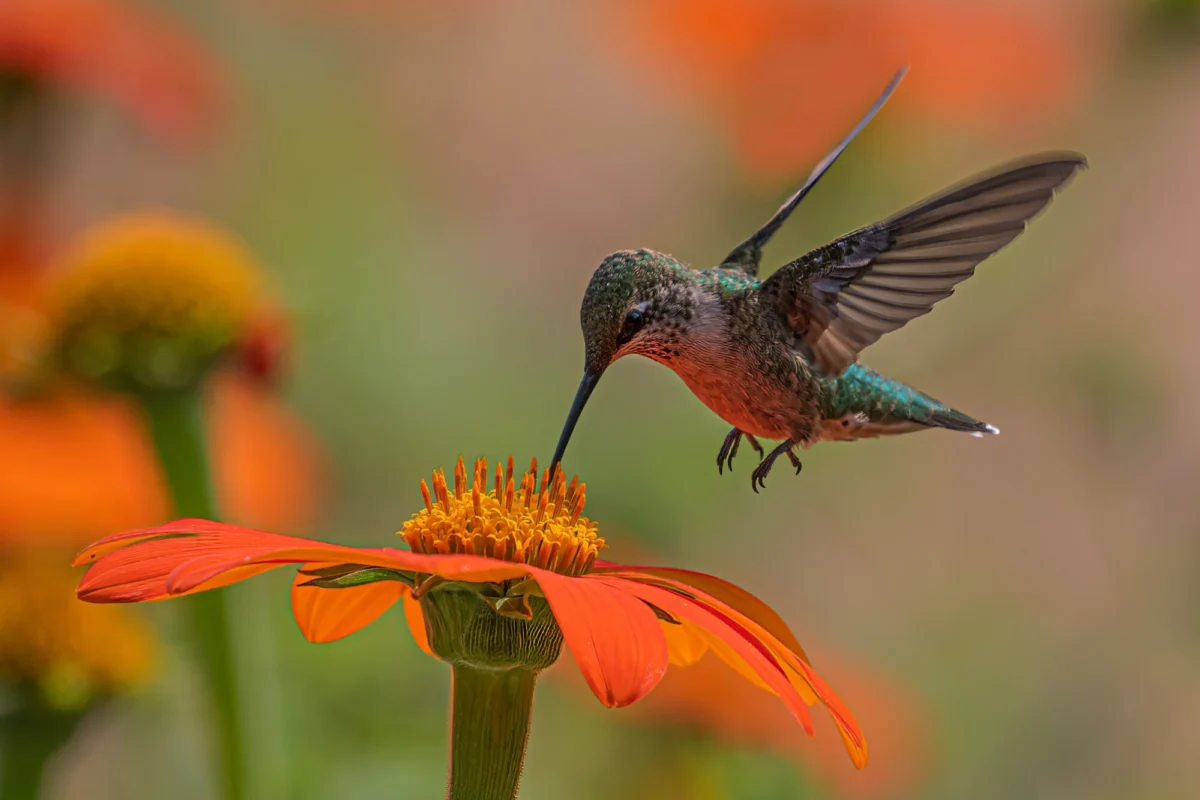
Hummingbirds, with their iridescent plumage and astonishing aerial acrobatics, may be tiny, but their ecological impact is undeniably mighty. These specialized nectar feeders play an utterly critical role in pollination, particularly in neotropical ecosystems. As they flit from flower to flower, their long, slender beaks and tongues are perfectly adapted to access nectar deep within blossoms, inadvertently collecting and transferring pollen between flowers. This process is vital for the reproduction of countless plant species, many of which have co-evolved specific floral structures to attract hummingbirds.
In environments where other pollinators like bees and butterflies might struggle due to specific environmental conditions or lack of suitable flora, hummingbirds often become the primary or even sole pollinators. Their close, co-evolved relationships with particular plants, such as fuchsias, salvias, and trumpet vines, promote significant biodiversity and support entire ecosystems. For instance, in the cloud forests of the Andes, different hummingbird species specialize in pollinating distinct plant species, ensuring a broad spectrum of plant reproduction.
Beyond their direct role in plant propagation, hummingbirds also serve as sensitive early indicators of climate disruption. Their delicate physiology and reliance on specific flowering cycles make them highly vulnerable to shifts in temperature and precipitation patterns. Changes in flowering times, altered migration routes, or declines in food availability due to climate change directly impact hummingbird populations. Scientists closely monitor these trends, recognizing that declines in hummingbird numbers can signal broader ecological imbalances. Data from organizations like Audubon show shifts in hummingbird ranges and migratory patterns, with some species pushing further north as temperatures rise, while others face habitat fragmentation. Protecting these miniature marvels means protecting the intricate botanical networks they sustain and paying heed to the urgent messages they send about our changing climate. A deeper exploration into their mighty impact can be found in a comprehensive One Earth blog post dedicated to these avian powerhouses.
Vultures: Nature’s Indispensable Sanitation Engineers
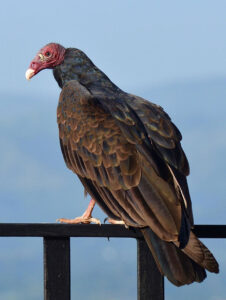
While hummingbirds delight with their beauty, another planet superhero performs a role that most humans would rather avoid: the vulture. Often misunderstood and maligned, these large, purposely bald birds, seen circling high in the sky, are nature’s ultimate cleanup crew. Vultures specialize in consuming carrion, meticulously clearing away animal carcasses before they can decompose and become breeding grounds for dangerous pathogens. This vital service is not just aesthetically beneficial; it is a critical public health and ecosystem function.
Vultures are "blessed" with highly acidic digestive systems, capable of neutralizing dangerous bacteria and viruses that would be lethal to most other scavengers and, indeed, to humans. They can safely consume carcasses infected with anthrax, rabies, and botulism, effectively preventing the spread of these diseases through the environment. Without vultures, decomposing carcasses would linger, leading to an explosion in populations of less efficient scavengers like feral dogs and rats, which are much more likely to transmit diseases to humans and livestock. For example, the catastrophic decline of vulture populations in India in the 1990s, primarily due to the veterinary drug diclofenac, led to a surge in feral dog populations, resulting in an estimated increase of nearly 50,000 human deaths from rabies annually. This stark example underscores the profound economic and public health costs associated with the loss of vulture services.
Their bald heads, often perceived as unappealing, are a functional adaptation, preventing blood and bacteria from sticking to feathers while feeding inside carcasses, thus minimizing disease transmission to themselves. Different species, such as the New World turkey vulture or the Old World griffon vulture, exhibit specialized feeding behaviors, collectively ensuring thorough carcass removal. The World Wildlife Fund (WWF) aptly describes vultures as "Earth’s true environmental influencers" in an informative article, detailing their indispensable role in maintaining balance and preventing ecological catastrophes. Conservation efforts, including the establishment of Vulture Safe Zones and the banning of harmful drugs, are now crucial to reversing their alarming declines and preserving these vital "sanitation crews."
Seabirds: Bridging Oceanic and Terrestrial Ecosystems
Birds, with their unparalleled gift of flight, serve as crucial conduits, connecting seemingly disparate ecosystems and facilitating the transfer of vital nutrients. Seabirds, in particular, play an extraordinary role in linking marine and terrestrial environments, essentially acting as biological pumps that transport oceanic resources inland. Research has consistently demonstrated that these avian voyagers carry vast amounts of nutrients from the ocean to land through their droppings, known as guano.
Guano is rich in nitrogen, phosphorus, and other essential minerals derived from the fish and marine invertebrates seabirds consume. When deposited on islands and coastal areas where they nest and roost, this guano acts as a powerful natural fertilizer, enriching the soil and dramatically boosting plant growth. This nutrient transfer supports healthier and more vigorous vegetation, which, in turn, stabilizes habitats, prevents erosion, and creates a more robust foundation for entire island ecosystems. The increased plant biomass provides food and shelter for a variety of other wildlife, including insects, reptiles, and small mammals, thereby enhancing overall biodiversity. Studies published in journals like Nature have quantified the significant nutrient subsidies provided by seabirds, showing how islands with large seabird colonies exhibit higher levels of plant productivity and nutrient cycling compared to those without.
By bridging marine and terrestrial systems, seabirds help maintain the productivity and resilience of fragile island ecosystems, many of which are biodiversity hotspots. Species like albatrosses, gannets, and cormorants undertake vast foraging trips across oceans, bringing these marine-derived nutrients back to their breeding grounds. However, seabirds face severe threats from plastic pollution, overfishing (which depletes their food sources), invasive species on nesting islands, and climate change, which alters ocean currents and prey distribution. Organizations like American Bird Conservancy (ABC Birds) highlight the critical need for seabird conservation, emphasizing how the health of these avian populations is directly tied to the health of both our oceans and our landmasses. Their comprehensive blog posts shed light on how birds uniquely link land and sea, underscoring their irreplaceable ecological function.
Parrots: The Colorful Architects of Forest Regeneration
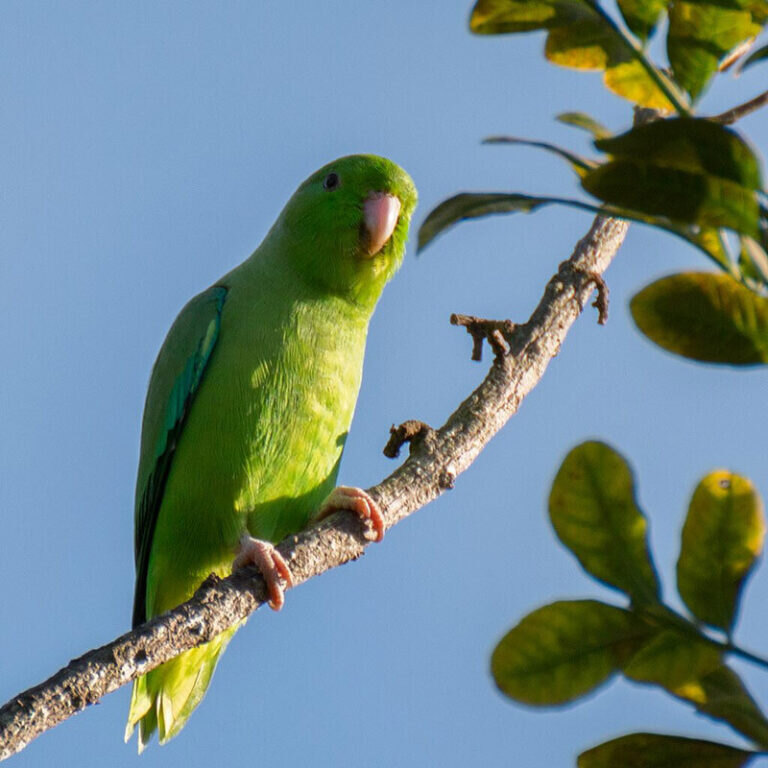
Let’s not leave parrots out of the conversation about helping the planet. These vibrant, intelligent birds, known for their mimicry and striking plumage, are far more than just captivating pets; in their natural habitats, they function as essential "multilinkers" in ecosystems, performing roles critical for forest health and regeneration. Research indicates that parrots are pivotal agents in seed dispersal, pollination, and even pest control, collectively supporting the intricate balance of forest ecosystems.
As frugivores and granivores, parrots consume a wide variety of fruits and seeds. Many of these seeds pass unharmed through their digestive tracts and are then deposited in new locations, often far from the parent plant, through their droppings. This long-distance seed dispersal is crucial for the propagation of numerous tree species, aiding in forest expansion and genetic diversity. Unlike some other seed dispersers, parrots’ strong beaks can also break open tough seed coats, which can sometimes aid in germination or, in other cases, lead to seed predation. However, the balance of their consumption and dispersal activities is generally beneficial for forest regeneration. Species like macaws in the Amazon rainforest are known to disperse seeds of large, economically important trees, thereby playing a direct role in the structural integrity and diversity of the forest canopy.
While less recognized than hummingbirds, some parrot species also engage in pollination, particularly those that feed on nectar or pollen. Lorikeets, for instance, have brush-tipped tongues adapted for collecting nectar and pollen, effectively transferring genetic material between flowers as they feed. Furthermore, wild parrots also contribute to pest control by feeding on insects. While their diet is primarily plant-based, many species supplement their intake with larvae, beetles, and other invertebrates, helping to regulate insect populations and prevent outbreaks that could harm forest vegetation.
Their movement across landscapes helps transfer energy and nutrients between different parts of an ecosystem, supporting plant life cycles and overall biodiversity. In essence, parrots act as mobile gardeners, planting seeds, fostering plant reproduction, and helping to maintain the health of the very forests they inhabit. However, parrots are among the most threatened bird groups globally, primarily due to habitat destruction, illegal pet trade, and agricultural expansion. Protecting these intelligent "forest gardeners" is paramount for the future of many tropical and subtropical forests. A detailed study published in PMC (PubMed Central) offers an in-depth look into how parrots help power healthy ecosystems, providing scientific backing for their multifaceted impact.
Statements from Conservation Organizations and Broader Implications
The scientific community and leading conservation organizations unequivocally affirm the critical importance of birds to planetary health. Dr. Michael Parr, President of American Bird Conservancy, has often stated, "Birds are environmental barometers. Their health reflects the health of our planet." Similarly, organizations like BirdLife International consistently highlight how "every bird counts" in the complex machinery of Earth’s ecosystems. These statements underscore a broad consensus that avian populations are not merely indicators but active participants in maintaining ecological integrity. The World Wildlife Fund regularly publishes reports detailing the cascade effects of avian declines, emphasizing that the loss of species like vultures or seabirds can have devastating ripple effects on public health, nutrient cycles, and the resilience of entire biomes.
The implications of avian health extend far beyond the natural world, directly impacting human well-being. The services birds provide—from pest control in agriculture, reducing the need for chemical pesticides, to seed dispersal that ensures the propagation of medicinal plants and forest products—are invaluable. Their role in maintaining healthy ecosystems translates into cleaner air and water, stable climates, and thriving biodiversity, all of which are foundational to sustainable human societies. The decline of bird populations, therefore, signals a broader systemic breakdown that demands urgent attention and concerted action.
A Call to Action for Earth’s Avian Allies
On this Earth Day, as we reflect on our shared planet, it is crucial to recognize and celebrate the often-unsung contributions of birds. From the diligent pollination by hummingbirds to the essential sanitation provided by vultures, the nutrient cycling facilitated by seabirds, and the forest regeneration driven by parrots, these avian species are indispensable. Their diverse roles highlight the intricate interdependencies within ecosystems and underscore the profound consequences of biodiversity loss.
The threats facing birds today are immense, ranging from habitat destruction and climate change to pollution and invasive species. Protecting these vital environmental heroes requires a multi-faceted approach, including conservation policies, habitat restoration, climate action, and increased public awareness. Individuals can contribute by supporting bird-friendly practices, advocating for conservation, and reducing their ecological footprint.
As we look to the future, the message of Earth Day remains clear and urgent: our planet’s health is intrinsically linked to the health of its myriad inhabitants. By understanding, appreciating, and actively protecting our avian allies, we not only safeguard countless beautiful species but also invest in the resilience and vitality of the entire Earth system, ensuring a healthier, more sustainable future for all.

