


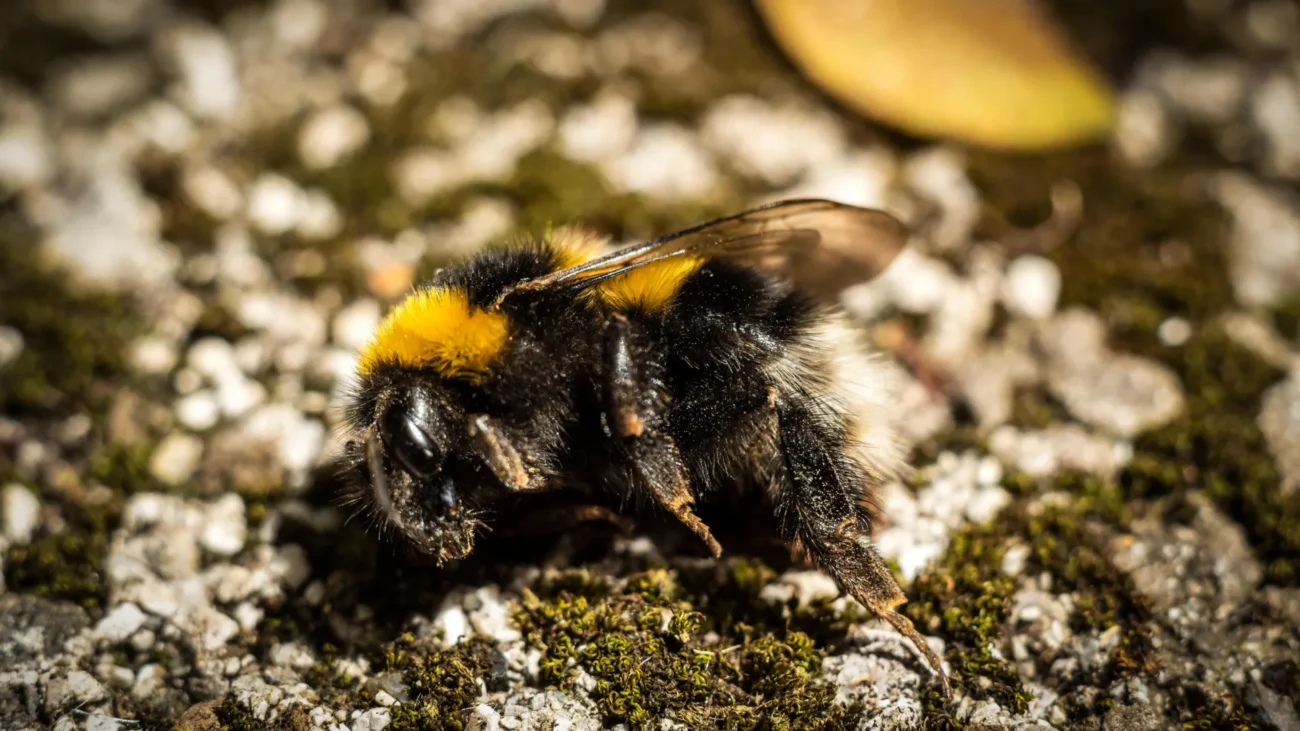
During the sun-drenched weeks of mid-summer, a distressing sight increasingly greets pedestrians across urban and suburban pavements: the static, curled bodies of dead bumblebees. While seasonal mortality is a natural biological reality for these industrious insects, the sheer volume of fatalities observed in recent years has sounded alarm bells among conservationists, entomologists, and agricultural experts alike. This phenomenon is not merely a grim footnote of the warmer months; it is the visible symptom of a complex convergence of environmental pressures, ranging from historic heatwaves and chemical exposure to rapid habitat fragmentation and the disorienting effects of climate change. Understanding why these pollinators are perishing in such numbers requires an examination of their delicate social structures, the physiological tolls of extreme weather, and the mounting anthropogenic threats challenging their survival.
The Lifecycle of the Colony and Natural Mortality
To comprehend the presence of dead bumblebees on walkways, one must first examine the inner workings of a colony. Bumblebees are social insects, organizing their societies around annual colonies overseen by a queen. Within these colonies, highly active worker bees labor ceaselessly to forage for nectar and pollen, maintain the nest, and rear the brood. However, these workers possess a remarkably brief lifespan, typically living for only four to six weeks.
Because workers continually cycle through this accelerated aging process, older bees naturally die off throughout the active season. To maintain the hygiene of the nest and prevent the spread of disease or parasites that could decimate the entire population, healthy young workers perform a vital housekeeping duty: they transport their deceased nest-mates far away from the colony, frequently dropping them onto nearby paths, roads, and pavements. Consequently, a baseline level of mortality is an inherent part of a thriving colony’s life cycle. Yet, modern environmental stressors have dramatically escalated these death tolls far beyond natural baseline parameters.
The Escalating Toll of Extreme Heat and Thermal Stress
Weather patterns are playing an increasingly lethal role in pollinator mortality. Record-breaking temperatures—such as the historically intense June recorded across England and the broader United Kingdom—have subjected local ecosystems to unprecedented thermal stress. When ambient temperatures soar, bees face severe physiological challenges that disrupt their basic survival mechanisms.
Prolonged exposure to extreme heat alters the developmental stages of bees and threatens the long-term stability of their populations. Furthermore, heatwaves severely impair reproduction rates, reduce flight capacity, and diminish the insects’ ability to forage effectively for essential nutrients. Social insects rely heavily on behavioral adaptations to regulate hive temperatures, such as fanning their wings to create cooling airflow. However, these natural cooling mechanisms have definitive biological limits and fail when ambient temperatures reach extreme thresholds.
While foraging, bees can thermoregulate to a degree by circulating heat through their bodies during flight. Nevertheless, continuous exposure to prolonged heatwaves pushes these physical adaptations past their breaking points, resulting in exhaustion, dehydration, and eventual death. As temperatures rise, bees are frequently forced to expend greater amounts of energy traveling longer distances just to locate dwindling food sources, exacerbating their vulnerability.
Chemical Pressures: Pesticides and the Loss of Vital Forage
Beyond climatic factors, chemical interventions in agriculture and domestic gardening remain a primary driver of bee mortality. The widespread application of synthetic pesticides and herbicides inflicts direct physiological damage on pollinators, compromising their fitness and causing premature death.
Chemical classes such as organophosphates, synthetic pyrethroids, and phenylpyrazoles are known to induce paralysis and mortality in beneficial insects, while simultaneously scrambling their internal navigation systems, leaving them unable to find their way back to the colony. Although regulatory bodies in the European Union and the United Kingdom have instituted bans on the most hazardous neonicotinoids, systemic pesticides remain in routine agricultural and horticultural use, generating severe knock-on effects across pollinator networks.
In addition to direct toxicity, herbicides eliminate the wild plants that bees depend upon for survival. A prime example is the dandelion. Often targeted by homeowners and municipal landscapers as an unwanted weed and eradicated with chemical sprays, the dandelion actually serves as a vital early-season nectar lifeline for hungry pollinators. The routine removal of these foundational plants deprives bees of critical caloric intake, driving them toward starvation during periods of peak nutritional demand.
Habitat Loss and Phenological Mismatches
Anthropogenic landscape modification compounds these chemical and thermal threats. The relentless conversion of natural terrain into housing developments, intensive industrial agriculture, and infrastructure projects such as roads fragments and destroys vital bee habitats. Without diverse, connected landscapes to provide continuous shelter and forage, local populations rapidly destabilize.
Simultaneously, anthropogenic climate change is inducing a phenomenon known as phenological mismatch—a dangerous disconnect in the timing of interdependent biological events. As global temperatures shift, plants and their pollinators are increasingly falling out of sync. Flowers may bloom weeks earlier than their historical averages, emerging long before bees awaken from hibernation or before worker populations reach their seasonal peak. Conversely, bees may emerge to find that their primary floral food sources have already flowered and withered. This temporal misalignment deprives pollinators of essential sustenance while simultaneously leaving flowering plants unpollinated, threatening ecological stability on both sides.
Broader Implications for Global Food Security and Ecosystem Services
The precarious state of insect populations represents a profound environmental crisis. Insects constitute the most diverse and abundant group of animals on Earth, yet they are simultaneously among the most severely threatened. Data from the International Union for Conservation of Nature (IUCN) highlights the gravity of this decline: the number of wild European bee species classified as at risk of extinction has more than doubled over the past decade, surging from 77 species in 2014 to at least 172 today, representing approximately 10 percent of all assessed species.
This rapid attrition carries alarming implications. Bees and other insects deliver vital "ecosystem services," functioning as decomposers, pest controllers, and a foundational food source for countless birds, amphibians, and small mammals. Crucially, however, bees fulfill a disproportionate role in agricultural pollination. Scientific data indicates that bees support approximately 75 percent of global crop pollination and are responsible for pollinating nearly 90 percent of all flowering plants.
The agricultural sectors producing fruits, vegetables, nuts, and forage crops for livestock rely heavily on this free, irreplaceable pollination service. Entomologists and agricultural economists warn that if current pollinator declines continue unchecked, global food security could face unprecedented destabilization, leading to reduced crop yields, diminished nutritional diversity, and soaring food prices worldwide.
Actionable Mitigation Strategies for Citizens and Policymakers
Addressing the multi-faceted crisis facing bees requires coordinated action at individual, community, and governmental levels. Conscious consumerism can drive meaningful change within agricultural markets. By supporting local, sustainably produced food and purchasing from farmers who implement nature-friendly, biodiversity-supporting agricultural systems, consumers can help shift industry practices away from chemical dependency. At home, homeowners can eliminate or strictly minimize chemical pesticide and herbicide use, exploring non-chemical, ecological alternatives for garden maintenance.
Combatting habitat loss can be achieved on a micro-scale through thoughtful urban and suburban gardening. Planting a diverse array of native, nectar-rich flowering species and committing to leaving patches of lawn unmown provides critical safe havens and continuous forage corridors for weary pollinators navigating urban landscapes.
For individuals encountering a struggling bumblebee on a pavement during the heat of summer, immediate, localized assistance can make a difference. Placing a few drops of a simple sugar-water solution—prepared at a ratio of two parts sugar to one part water—near the exhausted insect can provide the rapid caloric boost required to restore its flight energy. If it is safe to do so without risk of stings or allergic reactions, gently moving the bee onto a nearby flower or into a shaded area can protect it from trampling and excessive heat exposure. While such small acts cannot reverse systemic environmental degradation, they underscore a shared human responsibility to protect the fragile architects of our natural world.

