


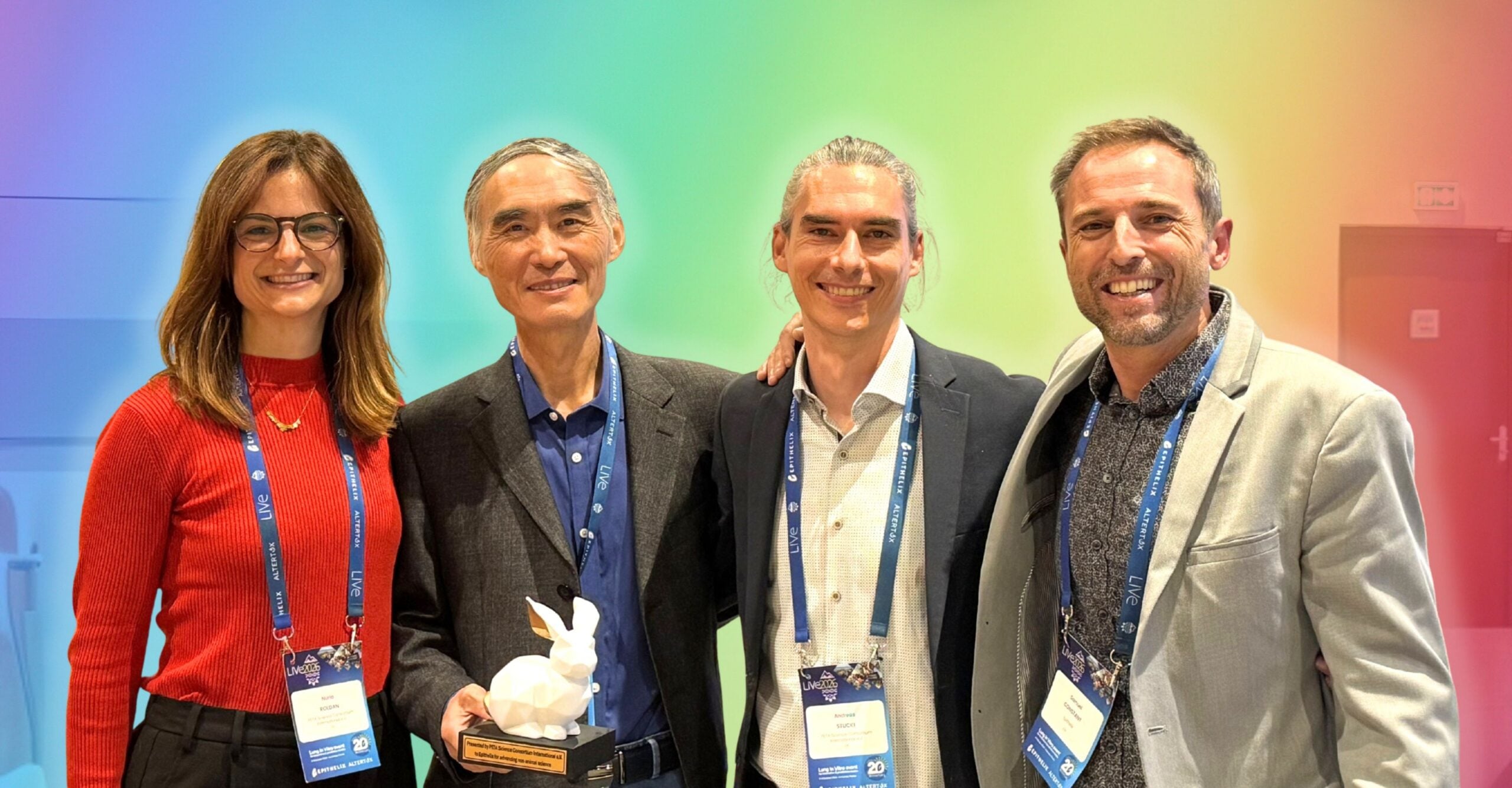
For the past twenty years, the Swiss biotechnology company Epithelix has stood at the vanguard of human-relevant, animal-free science, revolutionizing how the global research community approaches toxicity testing and respiratory research. This legacy of innovation was formally recognized at this year’s prestigious Lung In Vitro Event for Innovative and Predictive Models (LIVe), where the PETA Science Consortium International e.V. presented Epithelix with a landmark award. The honor celebrates two decades of corporate excellence in advancing non-animal inhalation testing methodologies and a steadfast, long-standing commitment to modernizing scientific research through human cell-based tissue models.
The recognition highlights a fundamental shift in biomedical and toxicological research. For generations, regulatory toxicity testing relied heavily on animal models—predominantly rodents—to predict how human respiratory tracts would react to inhaled substances. However, physiological differences between species often render animal data unreliable when applied to human health outcomes. Epithelix’s suite of advanced human cell-based respiratory tissue models directly addresses this translational gap, offering tools that more accurately reflect human biology while entirely eliminating the need for animal subjects in the laboratory.
The Evolution of Advanced Respiratory Models
Founded in Switzerland, Epithelix has spent two decades refining technology that bridges the gap between laboratory testing and human clinical reality. The company specializes in developing sophisticated, human cell-based respiratory tissue models that accurately mimic distinct anatomical and functional regions of the human respiratory tract, ranging from the upper nasal passages to the deep, complex structures of the lungs.
These sophisticated, animal-free platforms allow researchers to investigate a vast array of scientific questions. Scientists utilize Epithelix tissues to study complex respiratory diseases, viral and bacterial infections, inflammatory responses, and tissue wound healing mechanisms. Furthermore, the models play a vital role in inhalation toxicity assessments. Industries ranging from pharmaceuticals and cosmetics to agricultural chemicals, household products, and consumer goods utilize these platforms to evaluate the safety of their formulations. By employing human-derived tissues, researchers can assess the impact of diverse airborne hazards—including cigarette smoke, industrial pollutants, and medical device extracts—with unprecedented accuracy, all without causing harm to animals.
Driving Industry-Wide Transformation Through Collaboration
Epithelix’s impact on modern science extends far beyond its proprietary product catalog. As a major force driving the broader transition to non-animal science, the company actively invests in validation initiatives, comprehensive training programs, and expanding global access to cutting-edge technologies. A cornerstone of this outreach is Epithelix’s ongoing partnership with the PETA Science Consortium International e.V.
Through regular collaborations, Epithelix and the Science Consortium have co-developed and delivered hands-on technical workshops, established prestigious technology awards, and facilitated advanced testing projects for researchers around the globe. These cooperative efforts ensure that academic institutions and regulatory laboratories have the practical experience and material resources required to transition away from legacy animal-testing protocols.
Empowering the Next Generation of Researchers
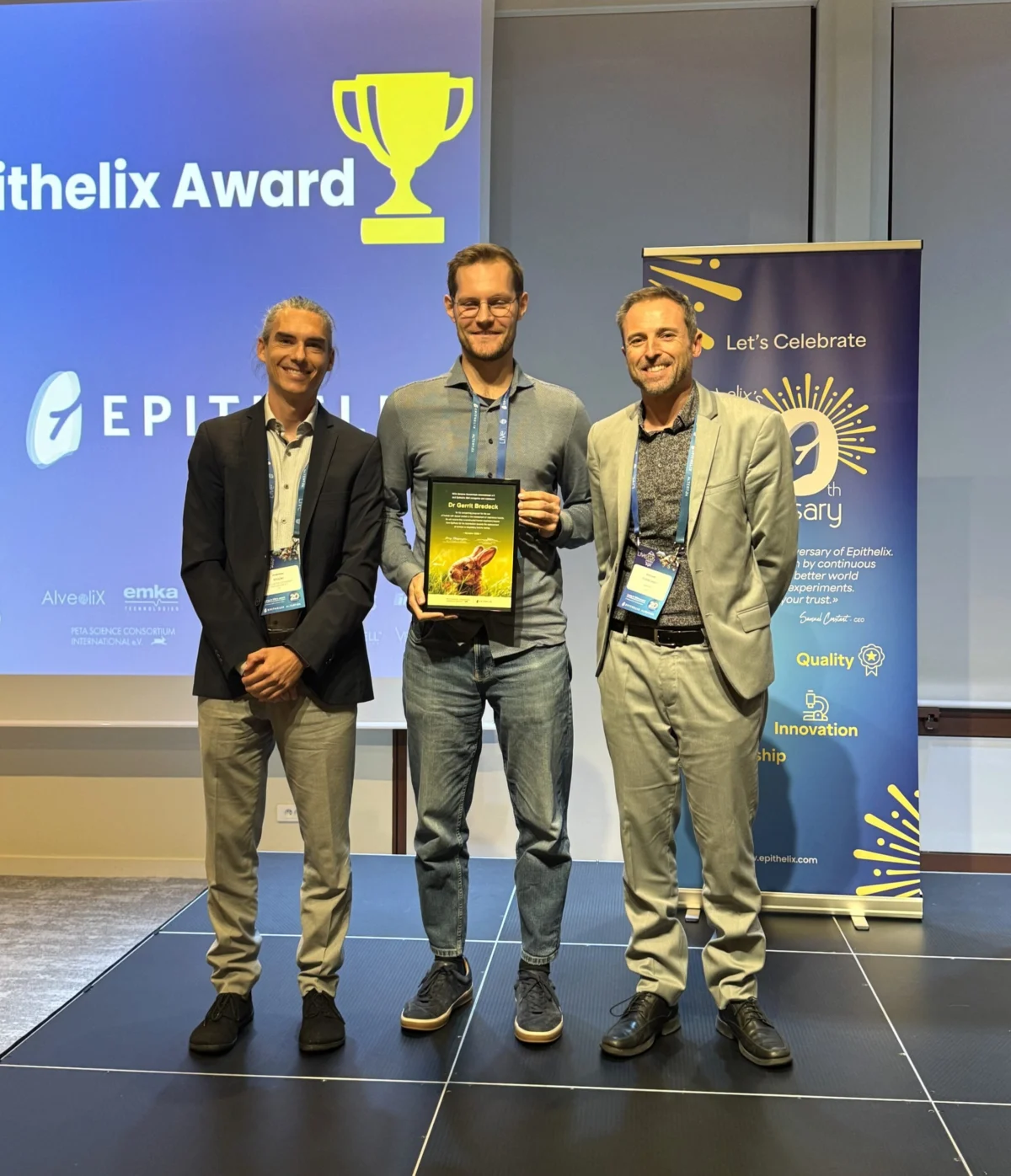
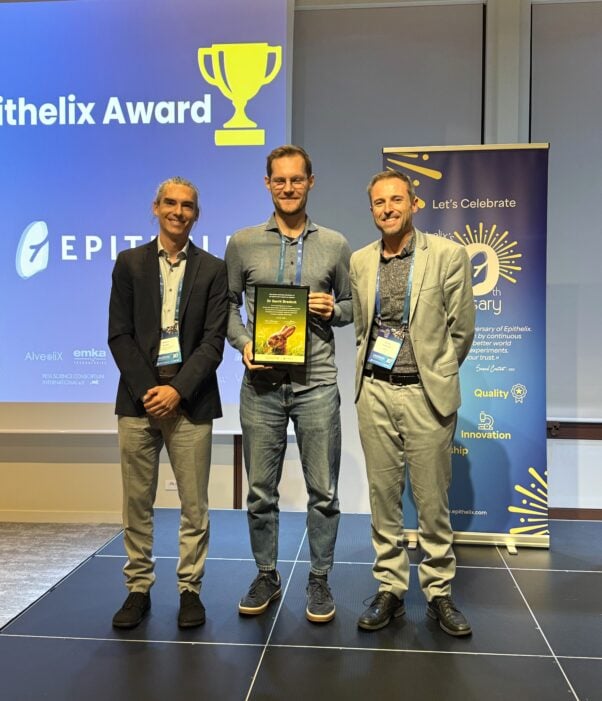
This commitment to education and scientific empowerment was prominently displayed at the latest LIVe conference. In a joint initiative, Epithelix and the PETA Science Consortium International e.V. awarded a prestigious tissue grant to a leading researcher at the Spanish National Research Council (CSIC) in Madrid.
The recipient received a substantial supply of complimentary Epithelix tissue models to advance critical research into the physiological effects of inhaled environmental pollutants on the human respiratory tract. By designing the study around real-world human exposure scenarios, the researcher can generate robust, highly predictive data that accurately mirrors human physiological responses to airborne toxins.
This announcement marks the fourth consecutive year that the Science Consortium and Epithelix have partnered to offer this specific tissue award. Over the years, the program has provided numerous investigators with direct, practical experience utilizing advanced human cell-based methods, proving that modern scientific inquiry does not require the sacrifice of laboratory animals.
A Decade of Progress by the PETA Science Consortium
The recent accolade at the LIVe conference also underscores the broader, decade-long mission of the PETA Science Consortium International e.V. For over ten years, the Consortium has worked collaboratively with industrial stakeholders, academic institutions, and international regulatory agencies to systematically replace the use of animals in regulatory toxicity testing.
Operating at the intersection of science and advocacy, the Science Consortium conducts pioneering research, publishes peer-reviewed scientific papers in leading journals, and organizes specialized training opportunities for toxicologists and regulators. By fostering dialogue between innovators like Epithelix and regulatory bodies that establish safety standards, the Consortium helps accelerate the regulatory acceptance of non-animal methods worldwide.
Broader Implications and Future Outlook
The milestone anniversary celebrated by Epithelix, paired with its recognition by the Science Consortium, arrives at a critical juncture for the biotechnology and regulatory sectors. Globally, regulatory agencies are facing increasing pressure from scientific communities, lawmakers, and the public to reduce and eventually phase out animal testing. Statutes such as the modernization of the U.S. Food, Drug, and Cosmetic Act have begun to loosen strict requirements for animal-only preclinical trials, paving the way for advanced alternative methods, including organ-on-a-chip technologies and human cell-derived tissue models.
However, widespread adoption requires robust validation, standardization, and substantial capital investment in training personnel. Companies like Epithelix provide the essential infrastructure required to make this paradigm shift a reality. By demonstrating that high-throughput, predictive, and human-relevant science can successfully replace archaic animal models, Epithelix sets a benchmark for the entire biotechnology sector.
As the scientific community looks toward the future of toxicology and inhalation research, the partnership between innovators like Epithelix and advocacy organizations like the PETA Science Consortium remains vital. Together, they are establishing a new gold standard—one where rigorous, high-fidelity science safeguards human health while leaving animals entirely out of the laboratory equation.

