


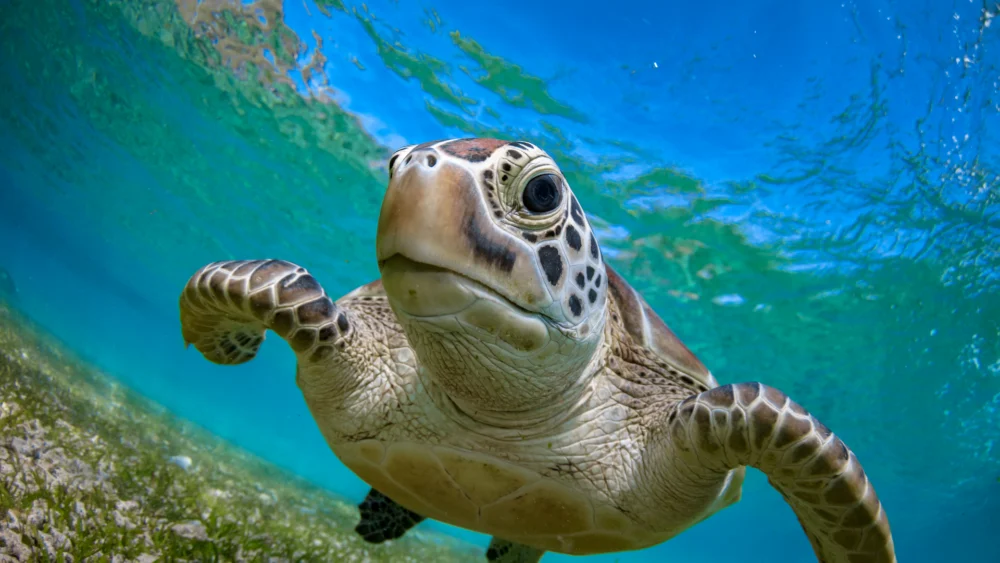
The field of marine wildlife medicine has entered a new era of sophistication as advancements in diagnostic imaging, pharmacokinetics, and surgical techniques transform the survival rates of stranded sea turtles. Dr. Heather Barron, Chief Science Officer and Veterinarian at the Loggerhead Marinelife Center, has spearheaded recent efforts to standardize the clinical management of these threatened and endangered species. As anthropogenic threats—ranging from boat strikes and plastic ingestion to complex viral diseases—continue to impact global populations, the veterinary community is increasingly relying on evidence-based protocols to manage the unique physiological challenges inherent to chelonian rehabilitation.
The current landscape of sea turtle rehabilitation is governed by a stringent framework of state and federal regulations in the United States, necessitating specialized licensure for any practitioner engaging in the treatment of wild or captive sea turtles. With seven species of sea turtles recognized globally, almost all of which are listed as either threatened or endangered under the Endangered Species Act, the stakes for successful rehabilitation are higher than ever. Conservation strategies now emphasize a dual approach: mitigating human-caused environmental stressors and providing high-quality, individual patient care for those that strand.
Anatomical Foundations and Diagnostic Excellence
Understanding the unique biology of the sea turtle is the prerequisite for effective clinical intervention. The shell, a complex structure composed of the dorsal carapace and ventral plastron connected by the bridge, consists of approximately 60 bones derived from modified skeletal elements, including the vertebrae and ribs. This bony framework is protected by keratinous scutes, which shed intermittently and serve as critical markers for documenting trauma.
Clinicians emphasize that a thorough physical examination remains the most vital diagnostic tool, provided it is performed with minimal stress to the patient. A minimum diagnostic database for sea turtles typically includes advanced imaging—such as ultrasound, radiography, or computed tomography (CT)—alongside a complete blood count (CBC) and blood chemistry profile. Notably, practitioners must exercise caution with blood collection; the external jugular vein, or dorsal cervical sinus, is the preferred site. Furthermore, lithium heparin is the industry-standard anticoagulant, as ethylenediamine tetra-acetic acid (EDTA) is known to cause significant hemolysis in chelonian red blood cells.
Diagnostic challenges are compounded by the extreme resilience of reptiles. Turtles often survive injuries that would be fatal to mammals, yet they may exhibit delayed symptoms or subtle signs of decline. For instance, when assessing gastrointestinal function, clinicians utilize contrast studies involving a mixture of iohexol, water, and barium. Because sea turtles exhibit exceptionally slow gastrointestinal transit times, these studies often span several days, requiring patience and precise monitoring.
Critical Care and Therapeutic Interventions
Fluid therapy and analgesia form the cornerstone of early intervention. Dehydrated or hypothermic patients require a stabilization period before any nutritional or pharmacological therapy is introduced, as metabolic processes in these reptiles are temperature-dependent. Crystalloid solutions, such as Plasmalyte or Normasol-R, are commonly employed, with maintenance fluid rates generally capped at 1-3% of body weight per day to prevent over-hydration.
The management of cold-stunned turtles presents a recurring seasonal challenge, particularly in the northern reaches of their range. Gradual rewarming is essential to avoid physiological shock. Recent studies, including those by Dr. Charles Innis, have validated the use of subcutaneous antibiotics, such as oxytetracycline, in these patients, demonstrating that drug absorption remains effective even in hypothermic animals provided they are managed in a controlled, rehabilitative environment.
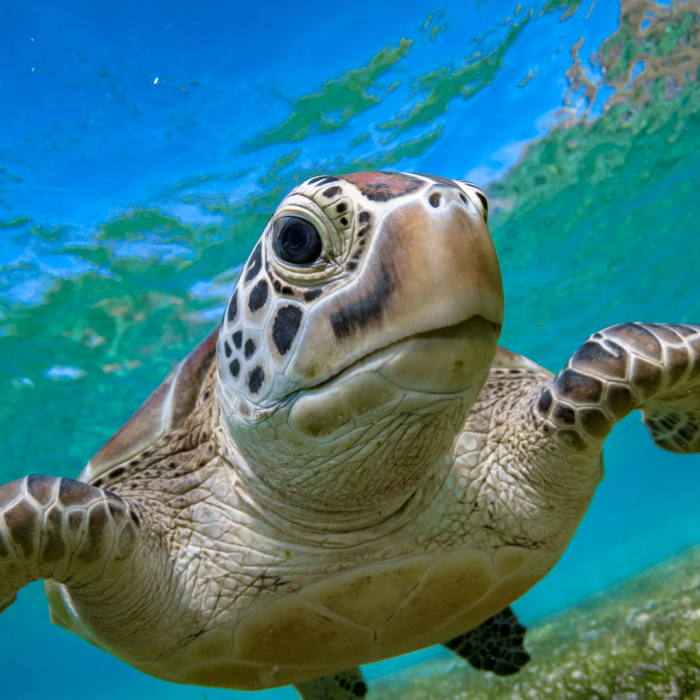
Pharmacological protocols have also seen significant refinement. For surgical procedures, multimodal sedation is preferred, utilizing combinations of dexmedetomidine, hydromorphone, and midazolam. Notably, the use of hydromorphone often requires reversal with naloxone to ensure a complete, rapid recovery that allows the patient to return to a aquatic environment without the risk of drowning or lethargy-induced complications. For long-term pain management, non-steroidal anti-inflammatory drugs (NSAIDs) like meloxicam and ketoprofen are used, though clinicians caution that efficacy varies significantly between species, such as loggerheads versus green sea turtles.
Managing Complex Pathologies: Fibropapillomatosis and Trauma
One of the most pervasive health crises facing juvenile green sea turtles is Fibropapillomatosis (FP), a disease associated with the chelonid herpesvirus (ChHV5). The condition manifests as debilitating skin tumors that can impact vision, mobility, and feeding. While the global prevalence of FP varies widely—reaching up to 92% in some near-shore populations—the current clinical consensus is to perform surgical removal of masses, often using CO2 lasers or radiosurgery.
Despite the prevalence of the virus, many experts argue against widespread euthanasia, noting that the virus is endemic and that many turtles eventually develop the immunological capacity to keep the infection in check. The goal of current rehabilitation is to support these individuals until they reach a level of immunocompetence that allows them to thrive in the wild.
Traumatic injuries from boat strikes and fishing gear remain the primary cause of human-related strandings. In cases of skull trauma, clinicians rely on CT scans to distinguish between fractures of the splanchnocranium and the more critical neurocranium. When shell repair is required, the use of waterproof adhesive systems, including 3M Tegaderm and specialized shower caulks, has become the gold standard for maintaining wound integrity in aquatic environments, allowing for healing without the need for prolonged "dry-docking."
Nutritional Support and the Risks of Refeeding
Assisted alimentation is a critical but delicate aspect of supportive care. Turtles that have been fasted for extended periods are at risk of refeeding syndrome—a metabolic complication characterized by severe electrolyte imbalances, such as hypokalemia and hypophosphatemia. To mitigate this risk, clinicians initiate nutritional support at 50% of the calculated energy requirement. For patients that refuse food, esophagostomy tubes (E-tubes) are placed under anesthesia. These tubes are remarkably well-tolerated and can be left in place for months, providing a stable route for nutrition that prevents the stress of repeated handling.
Implications for the Future of Conservation
The integration of advanced veterinary medicine into sea turtle conservation represents a significant shift in how NGOs and research institutions approach the survival of the species. By leveraging the expertise of specialized clinicians, centers like the Loggerhead Marinelife Center are moving beyond basic rescue and release to become centers of physiological research.
The standardization of clinical protocols—from blood-patch pleurodesis for treating buoyancy disorders to the cross-matching of blood for transfusions—is directly contributing to higher release rates. However, the broader implication is that clinical success is only one half of the equation. Without significant improvements in water quality, the reduction of plastic pollution, and the mitigation of vessel-related mortality, the rehabilitation sector will continue to face an overwhelming influx of patients.
As the veterinary community continues to publish research and conduct continuing education sessions, such as those accredited by the AAVSB RACE program, the knowledge base regarding chelonian health is expanding. This collaborative approach, which involves sharing necropsy data, pharmacokinetic studies, and surgical outcomes, ensures that every rehabilitated turtle contributes not only to the survival of the individual but to the global understanding of marine ecosystem health. The future of sea turtle medicine lies in this intersection of rigorous clinical practice and broad-scale environmental advocacy, ensuring that the next generation of turtles finds a cleaner, safer ocean to navigate.

