


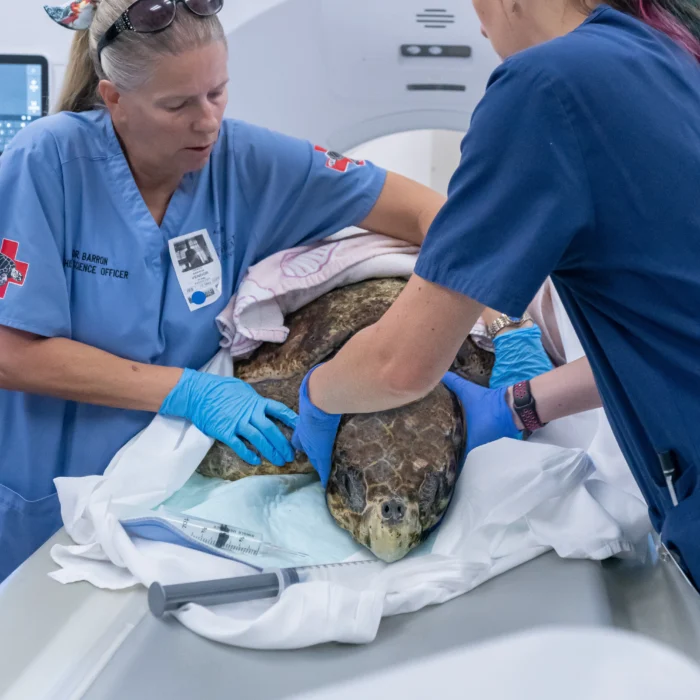
The conservation and medical management of sea turtles have emerged as critical pillars of marine biology and veterinary science, necessitated by the increasing frequency of anthropogenic threats to these ancient reptiles. As global ocean temperatures fluctuate and human interaction with coastal ecosystems intensifies, veterinary professionals are increasingly tasked with addressing complex pathologies in these species. To address these evolving challenges, specialized continuing education platforms like LafeberVet are facilitating advanced training, offering resources such as RACE-approved webinars that provide practitioners with the diagnostic and therapeutic tools required for effective sea turtle care.
The Clinical Landscape of Marine Reptiles
Sea turtles, which have existed for over 100 million years, currently face unprecedented survival pressures. All seven species of sea turtles are classified as vulnerable, endangered, or critically endangered by the International Union for Conservation of Nature (IUCN). Veterinary medicine serves as the final line of defense for individuals suffering from injuries that would otherwise prove fatal. Common clinical presentations include fibropapillomatosis—a debilitating viral condition characterized by tumor growth—boat strike trauma, entanglement in discarded fishing gear, and ingestion of marine debris, particularly plastics.
The medical management of these creatures requires a multidisciplinary approach. Veterinarians must be proficient not only in general reptilian medicine but also in the unique physiology of marine species, which includes understanding salt gland function, diving physiology, and the unique pharmacokinetics of drugs in a semi-aquatic environment.
Professional Development and Educational Standards
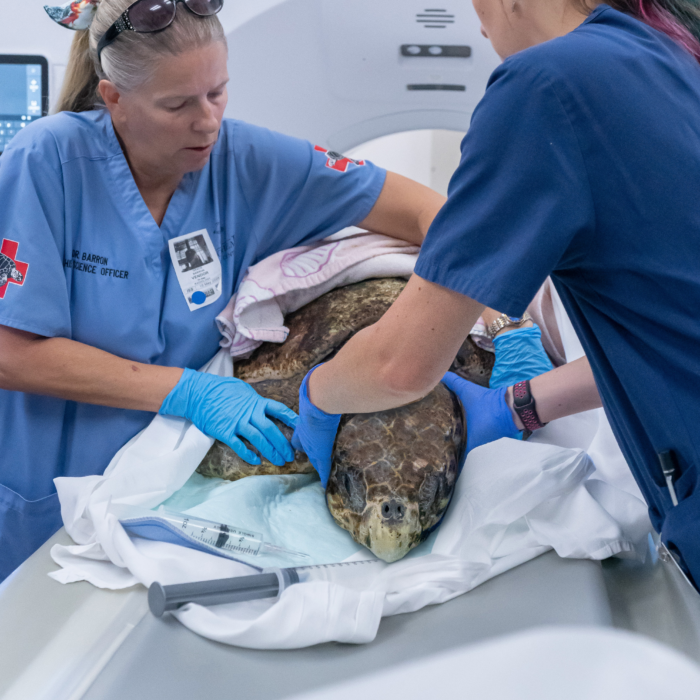
The dissemination of specialized knowledge in this field is facilitated by organizations that host comprehensive training modules. The current educational focus, exemplified by resources provided through LafeberVet, emphasizes a structured approach to clinical intervention. By providing RACE-approved (Registry of Approved Continuing Education) content, these programs ensure that veterinarians maintain the rigorous standards required by state licensing boards.
Participants in these programs gain access to critical insights into triage, stabilization, and rehabilitation protocols. The process typically involves a tiered educational structure: initial registration, participation in expert-led webinars, and a rigorous post-test evaluation. This pedagogical model ensures that practitioners are not merely passive observers but are actively testing their knowledge against current veterinary standards. Successful completion of these modules allows professionals to earn continuing education credits, which are essential for maintaining professional licensure in the competitive field of exotic and wildlife medicine.
Chronology of Conservation Medicine
The formalization of sea turtle medicine as a distinct sub-discipline is relatively recent, tracking alongside the broader movement of marine conservation in the late 20th and early 21st centuries.
- 1980s–1990s: The primary focus was on basic field tagging and monitoring population counts. Veterinary intervention was largely limited to catastrophic injuries or major stranding events.
- 2000s: The rise of fibropapillomatosis research shifted the focus toward molecular biology and long-term health monitoring. Rehabilitation centers began transitioning from simple holding facilities to sophisticated veterinary hospitals.
- 2010s: Integration of diagnostic imaging (CT, MRI) and advanced surgical techniques became standard in major oceanariums and research centers.
- 2020s: A move toward "One Health" initiatives, where sea turtle health is treated as a sentinel indicator of ocean ecosystem health, has become the prevailing paradigm. The use of specialized nutritional support, such as EmerAid Herbivore Intensive Care, represents the current state of advanced rehabilitative nutrition.
Data-Driven Approaches to Rehabilitation
Data gathered from long-term rehabilitation efforts suggest that the success rate of sea turtle releases is highly dependent on early intervention. According to recent studies, turtles that receive nutritional support within the first 48 hours of stranding exhibit significantly higher survival rates than those left to recover on fluids alone.

Furthermore, the integration of technology—such as satellite telemetry—has provided researchers with invaluable data regarding post-release survival. By tracking rehabilitated individuals, veterinarians have found that over 70% of successfully rehabilitated green sea turtles return to normal migratory patterns within three months of release. This data reinforces the necessity of the "Housekeeping" protocols—the meticulous documentation and standardization of medical procedures—that allow for consistent outcomes across different rescue organizations.
The Role of Industry Sponsorship in Clinical Research
The collaboration between veterinary education platforms and industry partners, such as the sponsorship of webinars by EmerAid, highlights the symbiotic relationship between corporate R&D and clinical practice. Specialized diets, designed to support the metabolic demands of stressed, herbivorous marine reptiles, have become standard in recovery wards. These industry-funded educational initiatives often bridge the gap between academic research and field application, providing practitioners with the exact products and protocols needed to manage complex cases.
Broader Implications for Global Marine Health
The medical care of sea turtles extends far beyond the individual animal. Because sea turtles are migratory and occupy diverse habitats, their health status serves as a bio-indicator for the health of coral reefs, seagrass beds, and the open ocean. When veterinarians treat a sick turtle, they are often treating an animal that has been exposed to environmental pollutants, biotoxins, or degraded habitats.
Consequently, the information shared through professional development channels is critical to identifying hotspots of environmental degradation. By documenting the prevalence of certain conditions in specific regions, the veterinary community provides essential data to environmental policymakers. This feedback loop is essential for the design of Marine Protected Areas (MPAs) and for the regulation of commercial fishing practices that inadvertently contribute to sea turtle morbidity.

Future Directions and Feedback Mechanisms
The field is currently moving toward an era of standardized international protocols. Through initiatives such as the evaluation forms and feedback loops provided in modern educational modules, the veterinary community is creating a consensus on "best practices." This constant refinement ensures that as new threats arise—such as the emerging impacts of microplastics and chemical contaminants—the response from the veterinary community is swift and evidence-based.
For the veterinary professional, the path to expertise is continuous. The reliance on digital platforms for testing and certification is likely to expand, allowing for a more globalized exchange of medical knowledge. As practitioners continue to engage with these resources, the collective capacity of the veterinary profession to address the existential threats facing sea turtles will continue to grow.
Summary of Clinical Protocols
The current standard for a sea turtle clinical program involves several non-negotiable components:
- Triage and Stabilization: Immediate assessment of hydration status, blood chemistry, and physical trauma.
- Nutritional Support: Utilization of targeted intensive care formulas to prevent muscle wasting in non-feeding or compromised animals.
- Diagnostic Verification: Standardized testing to confirm the absence of systemic infections or viral loads that could impact the health of other rehabilitants.
- Rehabilitation Documentation: Meticulous record-keeping, as outlined in technical "Housekeeping" documents, to ensure that longitudinal data remains available for future research.
As the scientific community continues to refine these protocols, the synergy between education, technology, and clinical intervention remains the most potent tool in preventing the decline of these iconic marine species. The commitment of veterinary professionals, supported by continuous learning and industry-led innovation, remains essential to ensuring that sea turtles continue to play their vital role in the marine ecosystem for generations to come. The accessibility of these educational resources ensures that whether a veterinarian is operating out of a large-scale university hospital or a small coastal rescue center, the standard of care remains high, rigorous, and profoundly impactful.

