


The contemporary photography landscape is dominated by rapid-fire digital updates, where hardware specifications and software algorithms are refreshed at a pace that often renders information obsolete within months. However, a growing movement among professional and enthusiast photographers highlights a pivot back to physical literature, specifically legacy publications that offer a depth of technical and artistic insight often missing from transient internet articles. While digital platforms provide immediate answers to specific queries, physical books—particularly those published in the mid-to-late 20th century—function as comprehensive repositories of systemic knowledge, preserving the foundational principles of light, composition, and chemistry that remain constant despite the shift from film to sensors.
The Technical Depth of 20th Century Documentation
The evolution of photography manuals reveals a significant shift in how technical information is disseminated. In the latter half of the 20th century, photography literature was characterized by a rigorous, almost academic approach to the physics of light and the chemistry of development. For instance, publications from the early 1960s frequently included complex data such as spectral energy distribution graphs, comparing the North sky’s light quality with direct sunlight and average daylight. While such granular data might seem superfluous to a modern digital photographer relying on auto-white balance, these texts provide the underlying scientific context necessary for mastering advanced lighting and color theory.
In contrast, contemporary publications tend toward accessibility, focusing on user interfaces and post-processing workflows. The 1948 revision of "How to Make Good Pictures," the Kodak Manual for Amateur Photographers, serves as a historical benchmark for this transition. At the time of its printing, the manual classified 35mm cameras—today’s "full-frame" standard—as "miniature" formats. Any negative sized 2¼” x 2¼” or smaller was categorized similarly, reflecting a period when large-format photography was the professional norm. This historical context allows modern photographers to understand the trajectory of the industry and the engineering challenges overcome to achieve the portability of modern mirrorless systems.
The Resurgence of the Second-Hand Book Market
The acquisition of photography knowledge has increasingly moved toward the second-hand market. Platforms such as ThriftBooks, BetterWorldBooks, and World of Books have become essential resources for photographers seeking out-of-print titles that offer unique perspectives. The appeal of these used volumes often lies in their "character"—marginalia, pencil notes from previous owners, and well-thumbed pages—which transform the book from a mere instructional manual into a collaborative historical artifact.
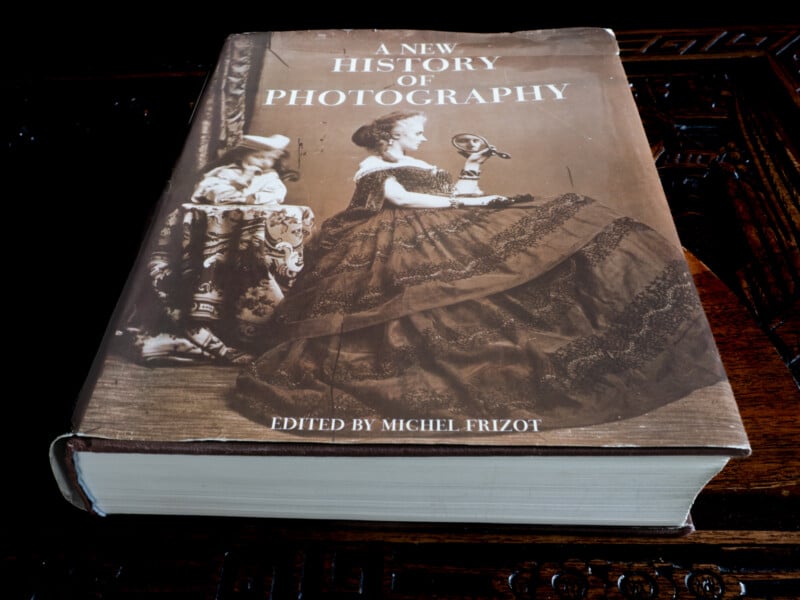
Data suggests that the global used book market is poised for continued growth, driven by both sustainability concerns and a desire for tactile media. For the photographer, these books represent a cost-effective way to access high-level education. Large-scale encyclopedic works, such as Michel Frizot’s 1998 "A New History of Photography," which spans 776 pages and documents the styles, trends, and technologies from the birth of the medium to the end of the 20th century, can often be found for a fraction of their original retail price. These volumes provide high-quality reproductions of works by pioneers like Niépce and Daguerre, serving as both a history lesson and a visual portfolio.

Chronology of Influential Photographic Literature
To understand the current state of photographic education, one must look at the timeline of influential texts that have shaped the medium:
- 1940s-1950s: The era of the "Amateur Manual." Focus was on basic chemistry, exposure, and the democratization of the "miniature" 35mm format.
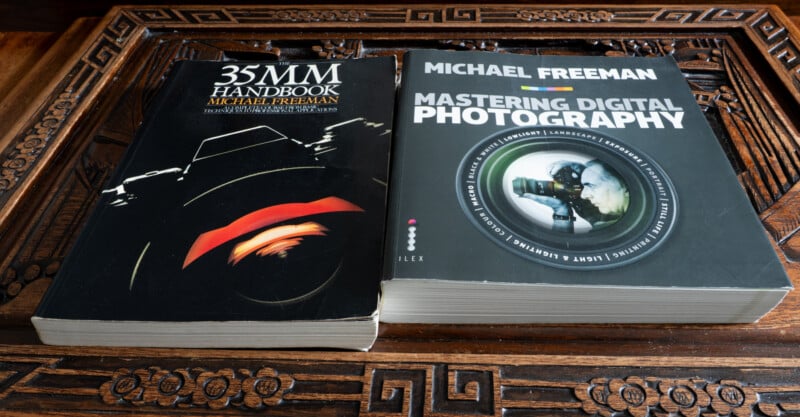
- 1980s: The rise of the "Master Educator." Michael Freeman’s "The 35mm Handbook" (1980) became a cornerstone for a generation of film photographers, blending technical precision with clear, illustrative design.
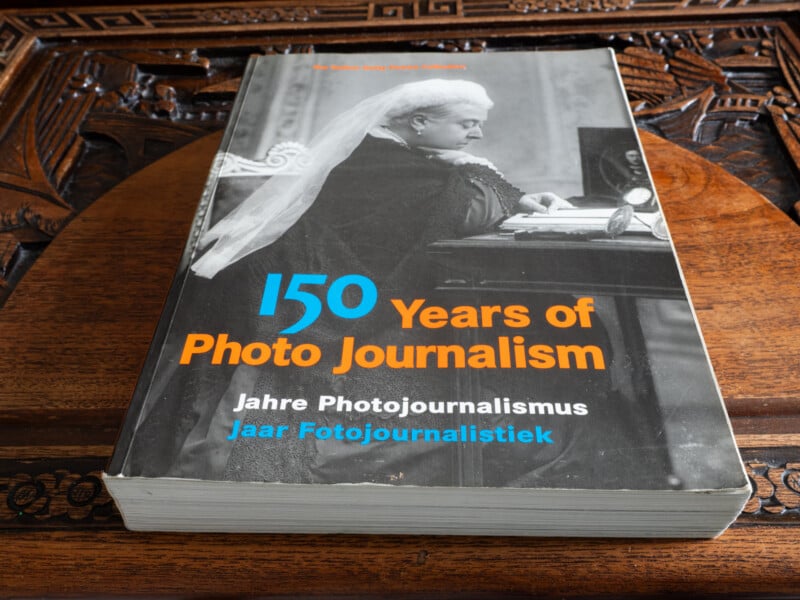
- 1990s: The "Historical Record." Large-scale collections like "150 Years of Photo Journalism" (1995) began documenting the impact of photography on global events, including the World Wars and the evolution of social documentary.
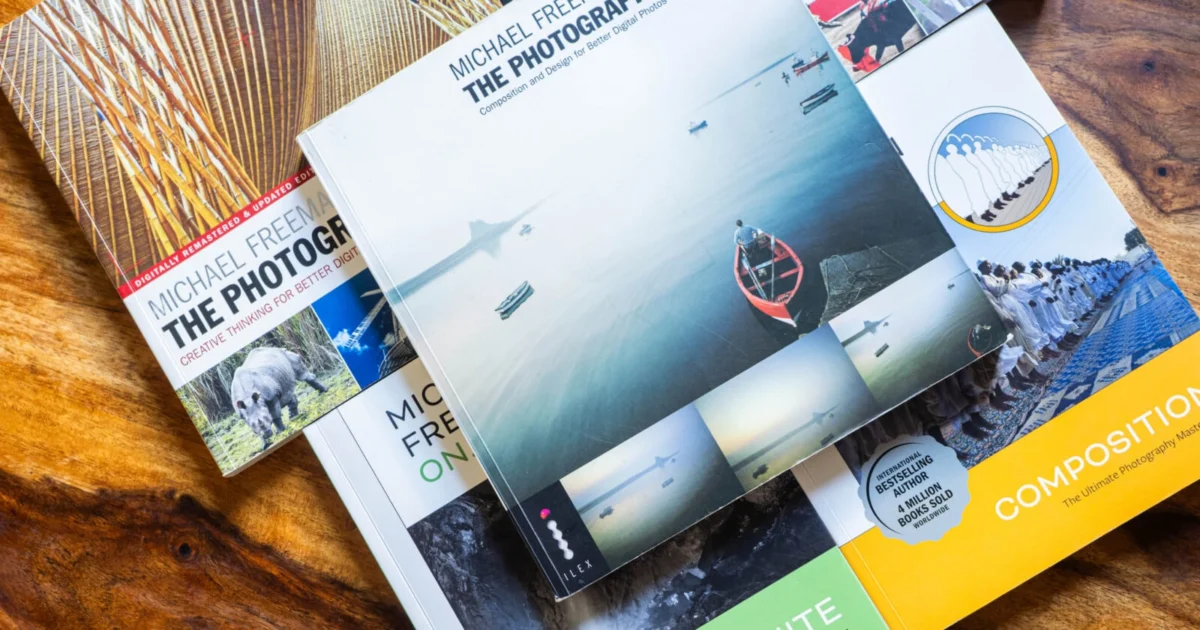
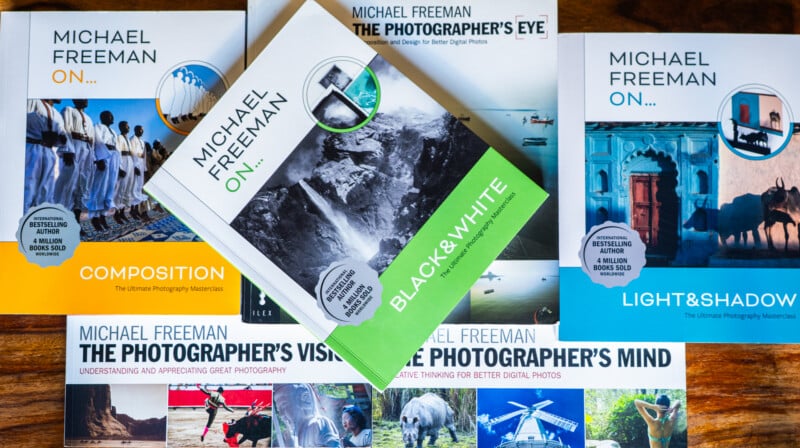
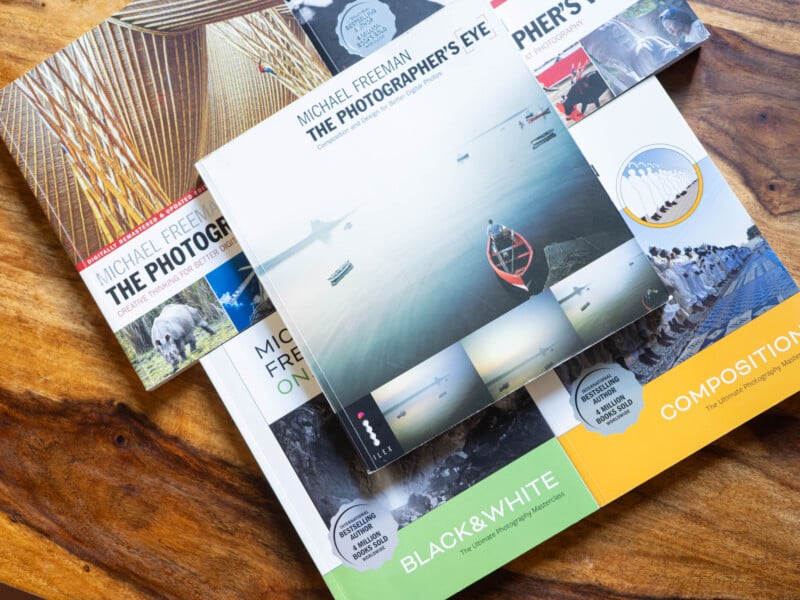
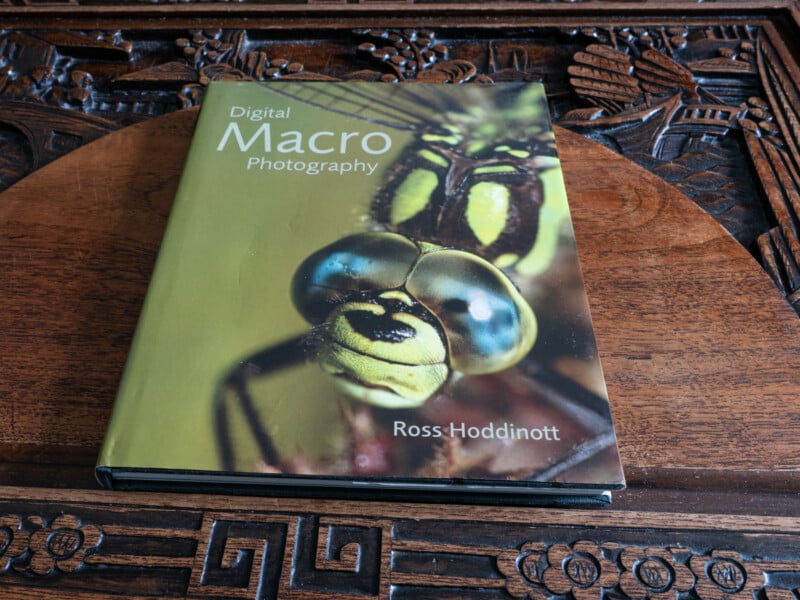
- 2000s: The "Digital Transition." Books like Ross Hoddinott’s "Digital Macro Photography" and Michael Freeman’s "The Photographer’s Eye" (2007) bridged the gap between traditional composition and the new digital workflow.
- 2020s: The "Creative Philosophy." Recent trends show a move toward books that discuss the why of photography rather than just the how, such as Rick Rubin’s "The Creative Act" (2023).
Case Studies in Specialized Instruction
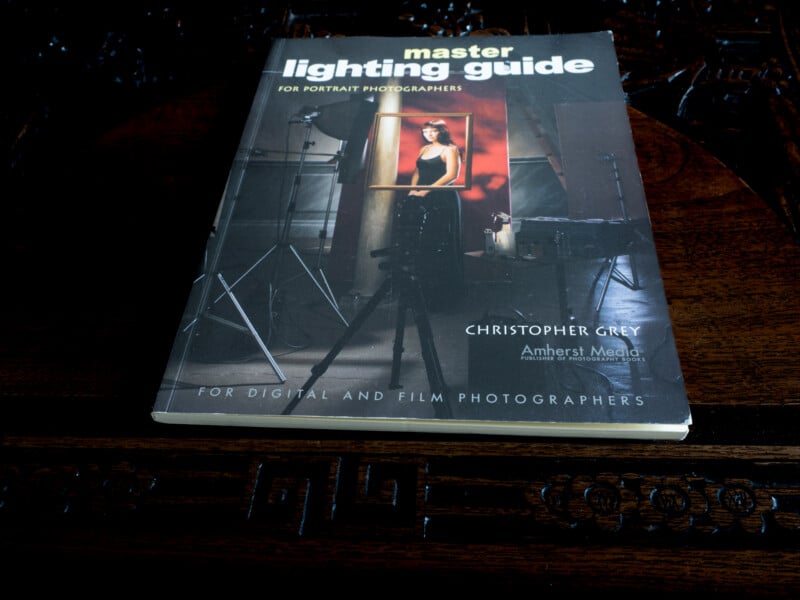
Instructional literature has historically been divided into specialized niches, with certain texts becoming the "gold standard" for their respective fields. In the realm of studio lighting, Christopher Grey’s "Master Lighting Guide for Portrait Photographers" remains a seminal work. By deconstructing the nature of light in a controlled environment and providing detailed setup diagrams, Grey’s work offers a reference point that remains relevant regardless of whether the photographer uses a Nikon D850 or a Sony A7R V.
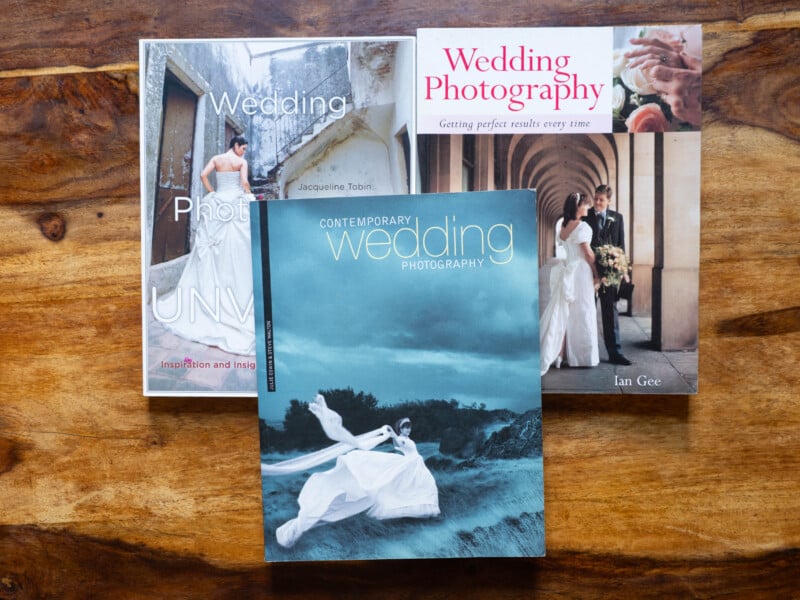
Similarly, the evolution of wedding photography can be traced through its literature. Ian Gee’s 2001 "Wedding Photography" provided a blueprint for the business side of the craft, including advice on insurance, copyright, and booking forms. By 2009, Jacqueline Tobin’s "Wedding Photography Unveiled" shifted the focus toward a collection of essays from 20 top photographers, reflecting a more diverse and artistic approach to the genre. However, a critical analysis of mid-2000s texts, such as Julie Oswin and Steve Walton’s "Contemporary Wedding Photography" (2006), reveals a historical lack of diversity in locations and cultural ceremonies—a gap that modern publications are now working to close.
Visual Inspiration and the Impact of Photojournalism
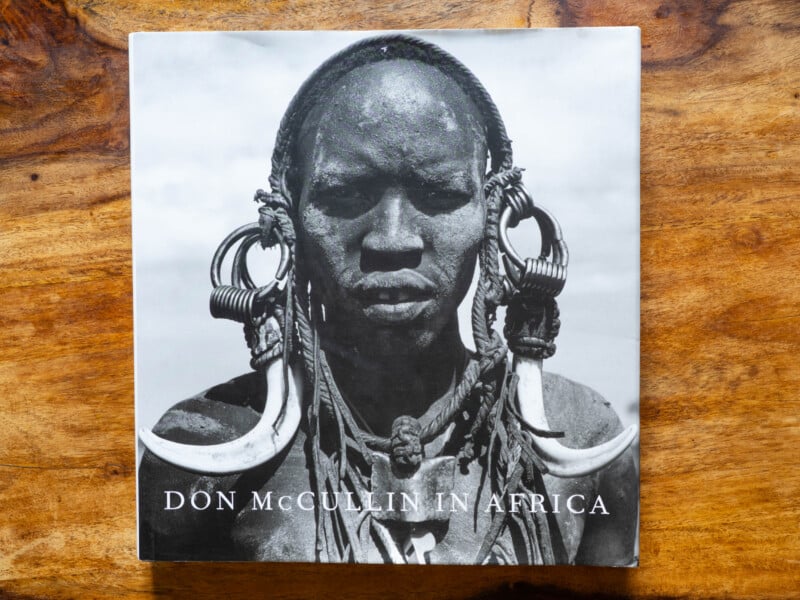
Beyond instruction, "photo books" serve as the primary medium for photographers to showcase their life’s work. These volumes are essential for developing a "photographic eye." Don McCullin’s "Don McCullin in Africa" is a prime example of how a book can showcase a photographer’s multifaceted talent. While McCullin is synonymous with war photography, his work in Africa demonstrates a mastery of group composition and portraiture, providing a masterclass in how to engage with subjects in a Western context would be considered "street photography."
The resurgence of interest in Lee Miller, catalyzed by the 2024 biographical film starring Kate Winslet, highlights the role of literature in preserving the legacy of female photographers. Books such as "The Lives of Lee Miller" and "Lee Miller’s War," authored by her son Antony Penrose, offer insights into her surrealist collaborations with Man Ray and her harrowing work during World War II. These texts serve a dual purpose: they are historical records of conflict and artistic manifestos on composition and vision.
Broader Implications: The Intersection of Art and Philosophy
The most profound impact of photography literature often comes from books that are not strictly about cameras. The "language of images" is a concept popularized by John Berger in his 1972 work "Ways of Seeing." Berger’s analysis of how beauty, truth, and civilization influence our perception of art changed the way critics and photographers alike "read" an image.
In the modern era, photographers are increasingly turning to interdisciplinary texts to fuel their creativity. David Bayles and Ted Orland’s "Art & Fear" addresses the universal psychological hurdles of the creative process, while David W. Galenson’s "Old Masters and Young Geniuses" analyzes the two life cycles of artistic creativity. These works suggest that the most significant challenges facing a photographer in 2024 are not technical, but conceptual and emotional.
Analysis of the Digital-Physical Divide
The persistence of physical photography books in a digital age suggests a "digital fatigue" among practitioners. While YouTube tutorials and online forums are excellent for troubleshooting specific technical issues, they often lack the cohesive narrative and curated flow of a well-edited book. A book requires a sustained level of attention, fostering a deeper connection with the material.
Furthermore, the "permanence" of a book ensures that the information remains accessible even as websites go offline or digital formats change. For the professional photographer, a personal library is more than a collection of guides; it is a repository of the medium’s DNA. As the industry moves further into the realm of artificial intelligence and computational photography, the foundational lessons found in legacy books—the study of light, the history of the human condition through a lens, and the philosophy of the creative act—will likely become even more vital to maintaining the soul of the craft.

