


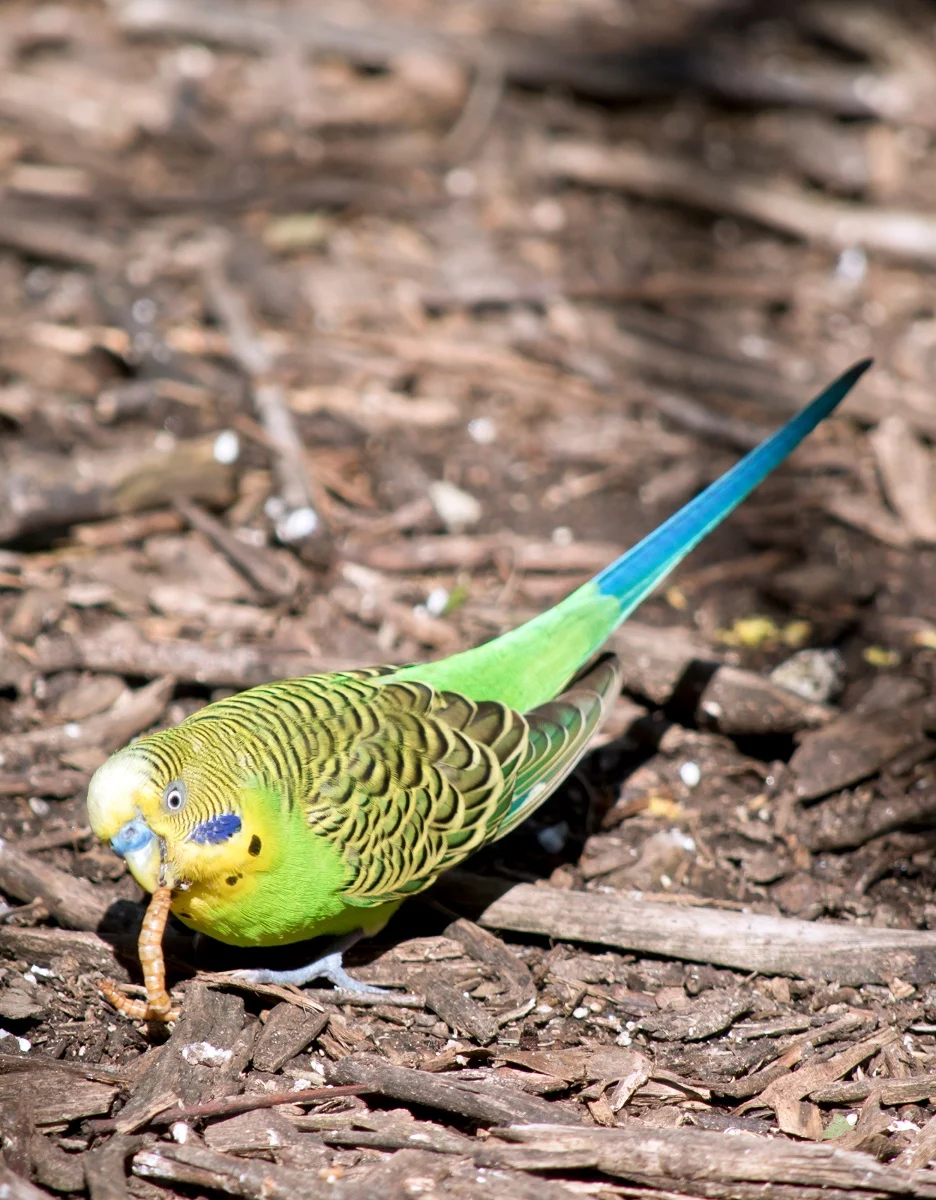
The health and longevity of pet budgerigar parakeets are intrinsically linked to their diet, a factor increasingly recognized as paramount by avian veterinarians and pet care experts. A recent comprehensive guide underscores the critical importance of a varied nutritional intake for these popular feathered companions, identifying numerous common household food items that are both safe and beneficial, alongside a definitive list of those that pose significant health risks. This information aims to empower owners to make informed dietary choices, moving beyond traditional seed-only diets that are often deficient in essential nutrients.
Evolving Understanding of Avian Nutrition
For decades, the standard diet for pet budgerigars (often referred to as budgies) primarily consisted of commercial seed mixes. However, scientific advancements in avian nutrition have revealed that such diets are often incomplete, leading to a host of health problems including obesity, liver disease, and vitamin deficiencies. Wild budgies, native to the arid interior of Australia, forage on a diverse array of grass seeds, native plants, and occasional insects, a far cry from the monotonous seed mixes commonly found in pet stores. This natural dietary breadth highlights the necessity for captive budgies to receive a more varied and nutrient-rich diet to thrive.
The shift in understanding has led to a consensus among avian specialists that a balanced diet for a pet budgie should ideally be pellet-based (forming 60-70% of their intake), supplemented generously with fresh vegetables, a smaller amount of fruit, and occasional healthy treats. This approach mirrors the complex nutritional needs of these intelligent and active birds, promoting better physical health and mental stimulation through diverse textures and tastes.
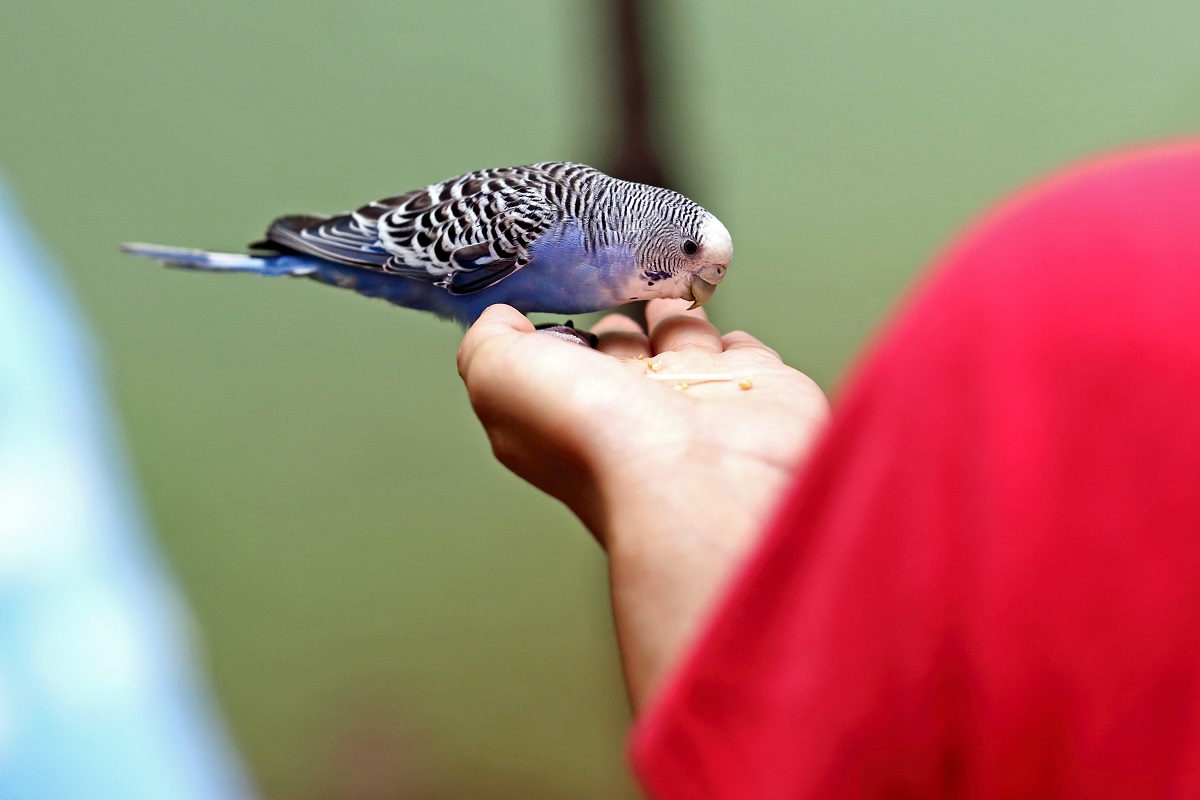
Safe Household Staples for Budgies: Expanding the Menu
Many everyday kitchen ingredients can safely be incorporated into a budgie’s diet, offering both nutritional benefits and enrichment. The key principle across all these options is to offer them in their most natural, unprocessed form, free from added salts, sugars, fats, and preservatives.
Grains and Carbohydrates:
- Bread: While not a primary food, small, infrequent pieces of plain, whole-wheat bread without added sugar or excessive salt can be offered. It’s crucial to avoid enriched white bread, brioche, or any bread with high sugar or fat content. Seeds on top, like sesame or poppy, are also acceptable.
- Cheerios: Plain, unsweetened Cheerios can be given in very small amounts as an occasional treat. Made primarily from whole-grain oats and corn starch, they are relatively simple in composition compared to many other cereals. However, their minimal sugar and salt content dictates moderation.
- Pasta: Unsalted, plain boiled pasta (whole-wheat preferred) or even dry pasta pieces can be offered. Dry pasta can serve as an excellent component for homemade edible toys, providing both nutrition and enrichment. Alternatives made from lentils, corn, or peas are also suitable.
- Popcorn: Plain, air-popped popcorn, devoid of salt, butter, or artificial flavorings, is a safe and often enjoyed treat. Its unique texture can be engaging for budgies, making it another good option for edible toys.
- Quinoa: A highly nutritious pseudocereal, quinoa, from the Amaranth family, is an excellent addition. It can be served cooked or uncooked, providing a range of healthy micronutrients. White, red, and black varieties are all acceptable.
- Rolled Oats: Both rolled and steel-cut oats are valuable dietary supplements. They can be offered dry, soaked in water, or even prepared as oatmeal with unsweetened nut milk (like almond milk), though owners should be mindful of its sticky consistency.
Seeds and Nuts (in Moderation):
- Sunflower Seeds: A favorite, but highly caloric. Unsalted sunflower seeds should be offered sparingly as a treat, perhaps for training. High fat content means they should not be a daily staple or a dominant component of seed mixes.
- Pumpkin Seeds: Similar to sunflower seeds, unsalted pumpkin seeds are acceptable in moderation. Due to their size, it’s often best to offer half a seed at a time, and owners may need to assist in shelling them.
- Chia Seeds: A healthy and beneficial addition, chia seeds are rich in Omega-3 fatty acids. They can be sprinkled dry onto food or offered as a water-soaked pudding.
- Hemp Seeds: Frequently found in commercial bird seed mixes, hemp seeds are an excellent source of healthy Omega-3 fatty acids. They are free of psychoactive components.
- Cashews, Almonds, Pine Nuts: Unsalted, plain nuts are safe in very small quantities due to their high fat content. A quarter of a crushed nut is typically sufficient. Sprouting raw almonds can enhance their nutritional value.
- Peanuts: While historically viewed with caution due to concerns about aspergillosis (a fungal disease from mold), high-quality, human-grade, unsalted peanuts are safe in small amounts. Offering them partially shelled can encourage natural foraging behaviors.
Proteins and Greens:
- Boiled Eggs: A highly beneficial source of protein and essential nutrients, particularly for budgies that are laying eggs or recovering from illness. Plain boiled eggs, or scrambled eggs cooked without oil or salt, are excellent.
- Chicken: Small pieces of plain, cooked chicken breast or thigh (without seasoning or oil) can be offered occasionally. It provides a protein boost, especially for hens during laying periods.
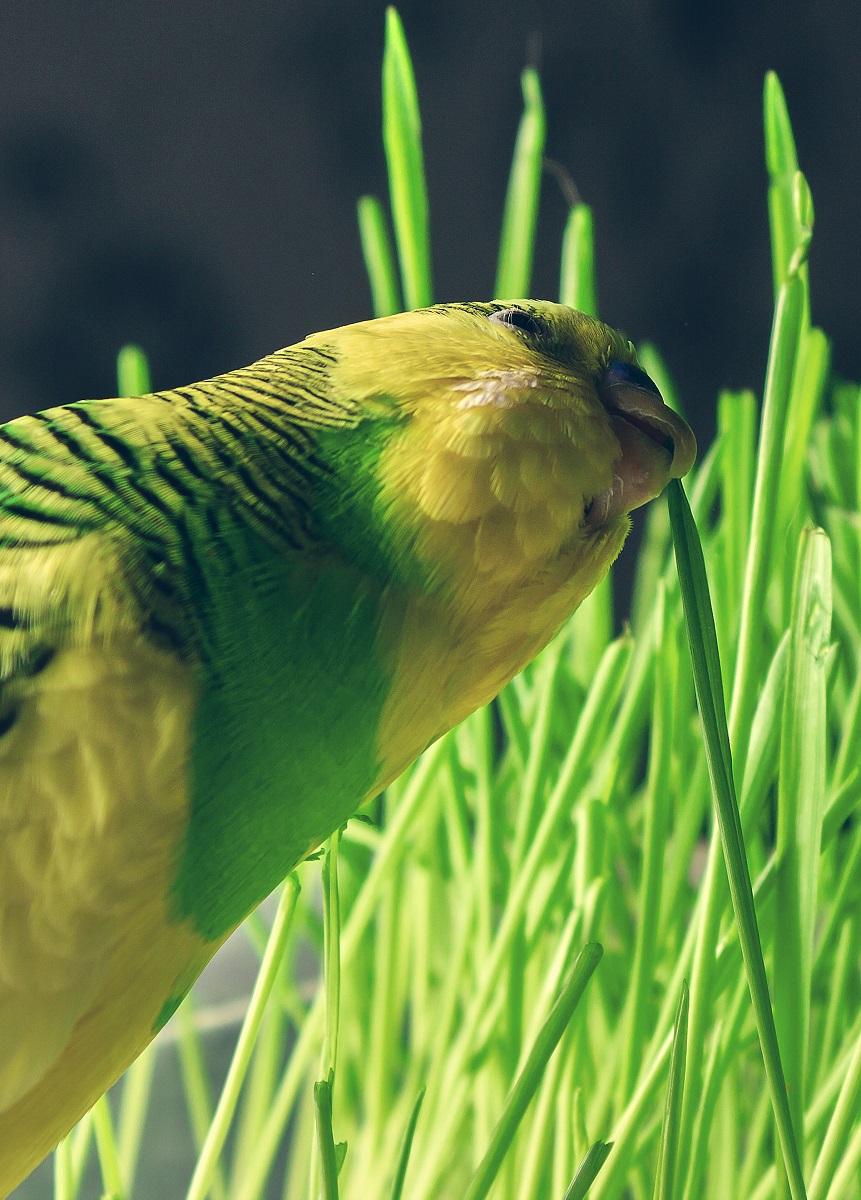
- Wheatgrass: Both wheatgrass seeds and sprouted wheatgrass are excellent. Sprouted wheatgrass provides nutritious greenery and offers an enriching activity for birds. It should be offered through mesh to prevent soil ingestion.
Dried Fruits:
- Unsweetened Dried Fruit: If free of added sugars and preservatives, dried fruit can be given in small amounts. However, the natural sugars are concentrated, so moderation is key. Dehydrating fruits at home is the safest option.
The "Did You Know?" Fact:
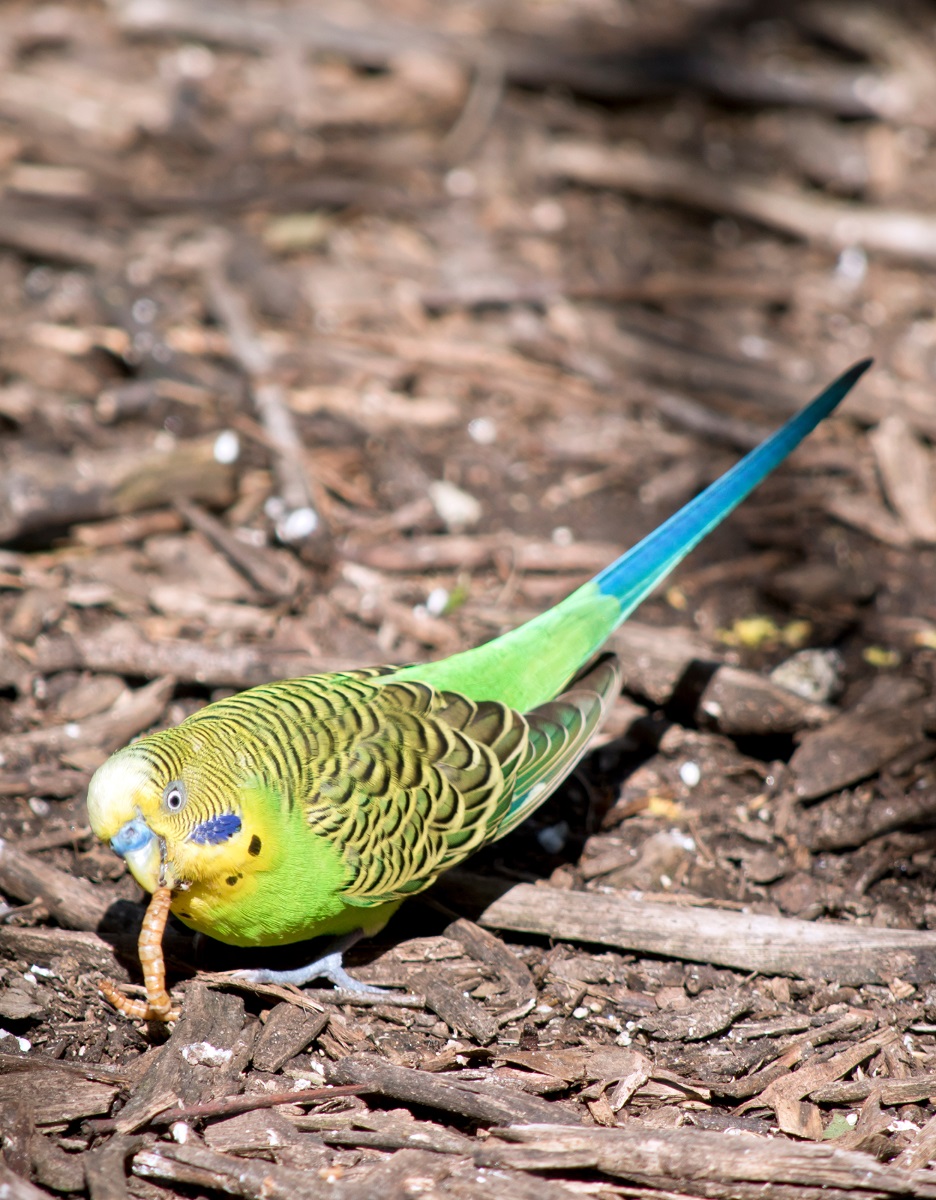
Wild budgies are known to consume insects. Occasionally offering a small, commercially available mealworm can provide a natural protein source and unique enrichment.
Foods to Avoid: Understanding the Risks
Just as important as knowing what to feed is understanding what to avoid. Certain foods, even common household items, can be highly toxic or detrimental to a budgie’s health.
Highly Toxic Substances (Veterinary Emergency):
- Avocado: This is explicitly toxic to budgies and most other pets. It contains persin, a fungicidal toxin that can cause respiratory distress, heart damage, and even death, especially in smaller birds like budgies. Ingestion warrants immediate veterinary consultation.
- Chocolate: Contains theobromine and caffeine, both highly toxic to birds. Even small amounts can lead to severe health issues, including seizures, cardiac arrest, and death. Keep all chocolate products out of reach.
- Honey and Corn Syrup: While seemingly natural, these can carry botulism bacteria, which produce a deadly toxin for budgies. Additionally, their high sugar content is detrimental to avian health.
- Alcohol, Coffee, Tea: All contain substances toxic to budgies. Alcohol can cause severe central nervous system depression. Caffeine in coffee and tea can lead to cardiac issues and hyperactivity. Herbal teas (tisanes) made with bird-safe herbs like chamomile are generally acceptable.
- Onions and Garlic: These alliums contain sulfur compounds that can cause hemolytic anemia in birds, damaging red blood cells.
- Apple Seeds: Apple seeds contain amygdalin, which releases cyanide when digested. While the fruit itself is safe (core removed), the seeds are dangerous.
- Xylitol: This artificial sweetener, found in many sugar-free products, is highly toxic to birds and can cause a rapid drop in blood sugar and liver failure.
Harmful and Unhealthy Items (Avoid at All Costs):
- Chips (Potato/Corn): Loaded with excessive salt, unhealthy fats, artificial flavorings, and preservatives, these offer no nutritional value and are extremely harmful.
- Aloe Vera: While the clear inner gel is often touted for health benefits, the yellow layer (aloin) found in the leaves has a strong laxative effect, potentially causing severe gastrointestinal distress.
- Ice Cream and Dairy Products: Budgies, like most birds, are lactose intolerant. Dairy products can cause digestive upset. Furthermore, ice cream is excessively high in fat and sugar.
- Cheese: Even hard cheeses, which have lower lactose levels, are still too high in fat and salt for budgies. Soft cheeses are even worse due to higher lactose content.
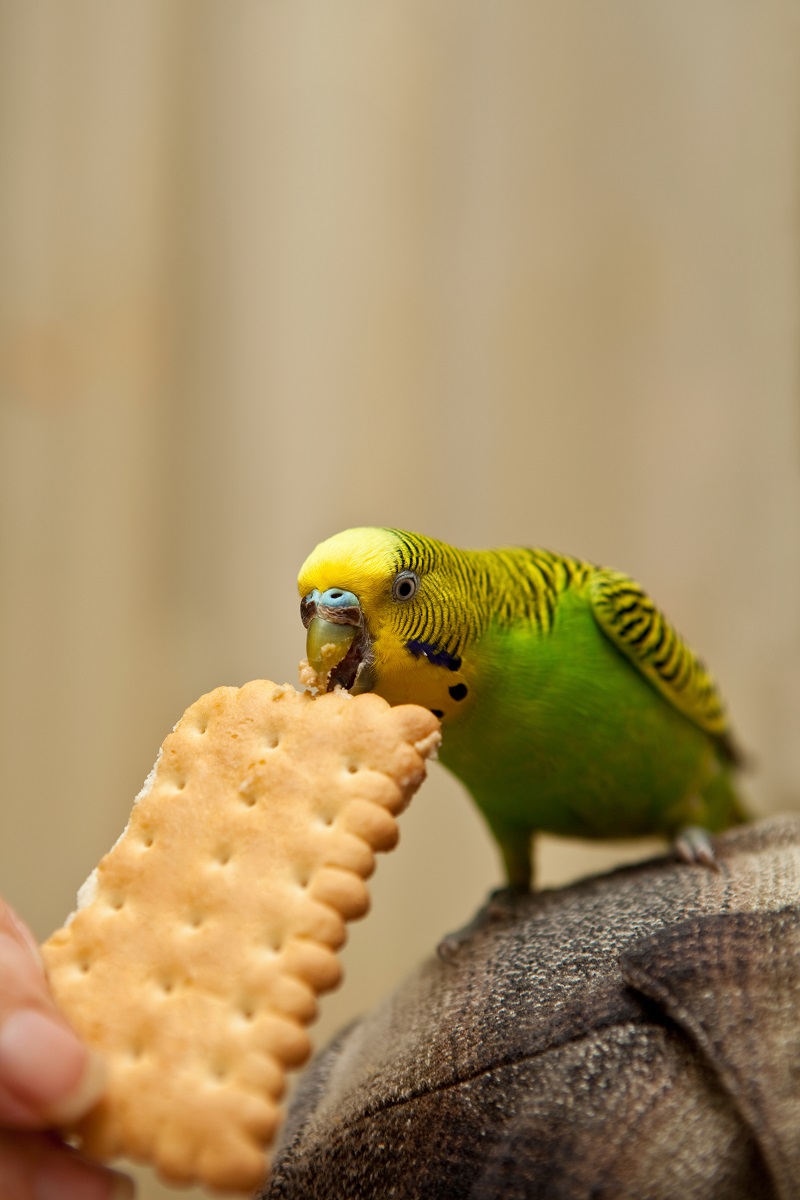
- Crackers (Savory Biscuits): Typically made with vegetable oils and often high in salt, crackers provide minimal nutritional benefit and can contribute to unhealthy fat intake.
- Biscuits (Cookies): Whether referring to savory American biscuits or sweet cookies, these processed items are generally high in sugar, unhealthy fats, salt, and preservatives, making them entirely unsuitable for budgies beyond a minuscule crumb, if at all.
Implications for Budgie Health and Welfare
The implications of proper dietary management extend far beyond mere sustenance. A well-balanced, varied diet is directly correlated with a budgie’s overall health, feather quality, energy levels, immune system strength, and even its behavioral disposition. Birds on poor diets are more susceptible to common ailments such as psittacine beak and feather disease, fatty liver disease, kidney issues, and chronic respiratory problems.
The economic impact of diet-related illnesses can be significant for owners, often leading to expensive veterinary interventions. Conversely, investing in a high-quality pelleted diet supplemented with fresh, safe foods can drastically reduce the likelihood of such health crises, promoting a longer, happier, and more active life for the bird. Educational initiatives by avian veterinarians and organizations like Psittacology.com, which provided the basis for these guidelines, are crucial in disseminating this vital information to pet owners.
Recommendations for Budgie Owners
For budgie owners, the message is clear: prioritize variety, freshness, and natural ingredients. A balanced diet should primarily consist of high-quality avian pellets, supplemented daily with a diverse array of fresh, bird-safe vegetables, and smaller portions of fruits. Occasional healthy treats from the approved household list can provide enrichment and bonding opportunities.
When in doubt about a specific food item, it is always best to consult with an avian veterinarian. Monitoring a budgie’s droppings, weight, and activity levels can also provide early indicators of dietary imbalances or health issues. By adhering to these comprehensive dietary guidelines, owners can significantly enhance the well-being and longevity of their cherished budgerigar parakeets, ensuring they thrive as vibrant members of the family.

