


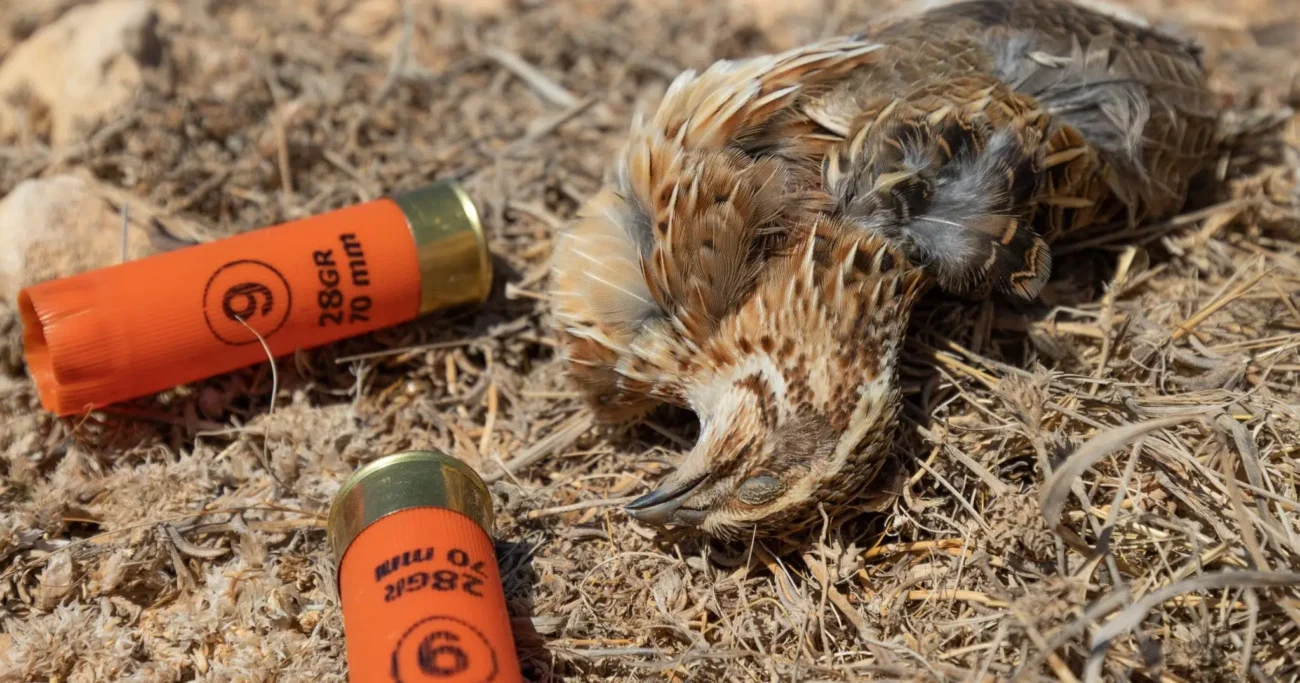
The European Commission has put forward a revised proposal that significantly weakens a potential ban on lead in ammunition, a move that directly contradicts the overwhelming public demand and a robust scientific consensus. Despite a petition gathering over 60,000 signatures and widespread support among EU citizens, the new text, discussed by the EU REACH Committee on February 25, 2026, deliberately excludes lead bullets from its scope. This decision is being met with strong criticism from environmental advocacy groups and public health organizations, who argue it represents a dangerous oversight that will perpetuate environmental contamination and health risks across the continent.
Background: A Long-Standing Environmental and Health Concern
The debate surrounding lead ammunition has been ongoing for years, driven by mounting evidence of its detrimental impact on both wildlife and human health. Lead, a highly toxic heavy metal, is used in bullets and shot for hunting and sport shooting. When fired, these projectiles fragment, releasing microscopic lead particles into the environment. These particles can persist for centuries, contaminating soil, water, and vegetation.
The primary pathways of concern are:
- Wildlife Poisoning: Birds, particularly scavengers like eagles and vultures, ingest lead fragments when consuming carcasses of animals shot with lead ammunition. This lead poisoning leads to severe neurological damage, organ failure, and ultimately death. It is estimated that over one million birds die annually across Europe due to lead poisoning from ammunition.
- Human Health Risks: Hunters and their families can be exposed to lead through the consumption of game meat contaminated with lead fragments. This poses a particular risk to vulnerable populations, including children and pregnant women, as lead exposure can cause irreversible developmental problems, cognitive impairment, and cardiovascular issues.
- Environmental Contamination: The widespread use of lead ammunition results in the dispersal of thousands of tonnes of toxic lead into Europe’s ecosystems each year, with long-term consequences for soil and water quality.
The #BanLeadNow Campaign and Public Mandate
The #BanLeadNow initiative, spearheaded by BirdLife Europe, the RSPB (Royal Society for the Protection of Birds), and WWT (Wildfowl & Wetlands Trust), represents a significant mobilization of European citizens. The petition, which closed on February 25, 2026, garnered over 60,000 signatures, a clear indicator of public concern. This campaign advocated for a comprehensive ban on lead in all forms of ammunition and fishing weights, urging swift action to address the persistent environmental threat posed by lead.

Adding weight to this public outcry, a recent survey conducted by EuroGroup for Animals revealed that seven out of ten EU citizens support a ban on lead ammunition. This overwhelming public sentiment underscores a disconnect between the populace and the decision-making processes within the European Union concerning environmental protection and public health.
Commission’s Revised Proposal: A Step Backward
The European Commission’s revised proposal presented to the EU REACH Committee marks a significant departure from earlier, more stringent drafts. By excluding lead bullets from the scope of the restriction, the Commission appears to have yielded to certain lobbying efforts or concerns, which environmental groups argue are largely unfounded or exaggerated.
Marion Bessol, Nature Conservation Policy Officer at BirdLife Europe and Central Asia, expressed profound disappointment with the Commission’s decision. "Removing bullets from the proposal is not just shortsighted: it is a dangerous decision that turns a blind eye to the proven risks to human health and wildlife," Bessol stated. She further challenged the notion that a civilian ban would negatively impact military operations, labeling it as "cynical fearmongering." Bessol pointed out that the original proposal already incorporated provisions for flexibility, including ample allowances for defence preparedness and avoidance of economic disruption. The original proposal, it is important to note, already included significant flexibility, allowing for the continued production of lead bullets with a permanent derogation for their use at outdoor shooting ranges. This meant the restriction would have primarily applied to hunting. With hunting bullets accounting for a relatively small fraction of total lead ammunition production – an estimated 134 tonnes per year compared to 42,000 tonnes for sports shooting – the argument for economic disruption is seen as weak by proponents of a full ban.
Scientific Consensus and Available Alternatives
The push for a ban on lead ammunition is firmly rooted in a strong scientific consensus regarding its harmful effects. Numerous studies have documented the toxic impact of lead on wildlife and the risks associated with human consumption of lead-contaminated game. Furthermore, viable and effective non-toxic alternatives for ammunition are readily available and have been for years. These alternatives, often made from materials like copper or steel, offer comparable performance without the severe environmental and health drawbacks of lead.
The growing awareness of these alternatives is fostering a transition across various sectors. Public health professionals, scientists, and conservation organizations are united in their call for a shift away from lead. Increasingly, even many hunters and fishers are recognizing the necessity and feasibility of using non-toxic options. An open letter, signed by leading European scientists, has underscored the availability of these alternatives and highlighted the unnecessary risks posed by the continued use of lead ammunition to both human health and biodiversity.

International Precedents and Growing Momentum
The European Union is not alone in recognizing the dangers of lead ammunition. Several countries have already taken proactive steps to restrict its use, demonstrating a global trend towards phasing out this toxic material. Denmark, for instance, has been a leader in implementing restrictions on both lead shot and bullets. More recently, the United Kingdom has also moved towards a ban on lead ammunition in outdoor shooting. These national-level actions serve as important precedents, illustrating that comprehensive bans are achievable and can be effectively implemented.
The Path Forward: A Call for Robust Action
The responsibility now rests with EU decision-makers to heed the overwhelming public sentiment and the compelling scientific evidence. The current proposal, by excluding lead bullets, falls short of the comprehensive protection needed to safeguard human health and the environment. Advocacy groups are urging Member States to champion a robust restriction that will effectively eliminate lead from ammunition without further delay.
The implications of failing to act decisively are significant. Continued widespread use of lead ammunition will perpetuate the cycle of environmental contamination, wildlife mortality, and potential human health risks for generations to come. The European Union has an opportunity to demonstrate leadership in environmental protection and public health, but this requires a commitment to science-based policymaking and a responsiveness to the clear will of its citizens. The window for decisive action is closing, and the future health of Europe’s ecosystems and its people hangs in the balance.
Key Figures and Data:
- 60,000+ signatures: Number of signatories on the #BanLeadNow petition.
- 7 in 10 EU citizens: Proportion of EU citizens who support a ban on lead ammunition, according to a EuroGroup for Animals survey.
- 1 million+ birds: Estimated annual bird mortality across Europe due to lead poisoning from ammunition.
- Thousands of tonnes: The approximate annual amount of toxic lead dispersed into Europe’s environment from ammunition.
- 134 tonnes/year: Estimated annual production of lead hunting bullets.
- 42,000 tonnes/year: Estimated annual production of lead for sports shooting.
Chronology of Events:
- Prior to February 25, 2026: Years of scientific research, advocacy, and public campaigning highlighting the dangers of lead ammunition.
- Early 2026: European Commission prepares a revised proposal for lead restriction.
- February 25, 2026: The #BanLeadNow petition closes, having gathered over 60,000 signatures. A survey by EuroGroup for Animals reveals strong public support for a ban. The EU REACH Committee meets to discuss the European Commission’s revised proposal.
- Post February 25, 2026: Continued advocacy and pressure on EU decision-makers to strengthen the proposed restriction.
Broader Impact and Analysis:
The decision by the European Commission to exclude lead bullets from the proposed restriction has far-reaching implications. Environmentally, it means that a significant source of lead contamination will persist, continuing to threaten wildlife populations and ecosystems. The ingestion of lead fragments by animals, particularly birds of prey and scavengers, will continue to cause widespread poisoning.
From a public health perspective, the risk of lead exposure through the consumption of game meat remains. This is a particular concern in rural communities and for individuals who rely on hunting for a portion of their diet. The long-term neurological and developmental impacts of lead exposure, especially on children, are well-documented and irreversible, making any preventable exposure a serious public health concern.
Economically, while some sectors may argue that a complete ban would incur costs, the availability of viable non-toxic alternatives suggests that these concerns are often overstated. Furthermore, the long-term costs associated with environmental remediation and healthcare burdens resulting from lead exposure could far outweigh the transitional costs of switching to lead-free ammunition.
The political fallout from this decision is also notable. The clear divergence between public opinion, scientific consensus, and the Commission’s proposal risks eroding public trust in the EU’s commitment to environmental protection and its ability to act decisively on pressing issues. The strong stance taken by advocacy groups and the significant public engagement through the #BanLeadNow petition indicate a desire for more responsive and evidence-based policymaking. The coming months will likely see continued lobbying and public pressure directed at Member States, who will ultimately vote on the final REACH restriction. Their decision will determine whether the EU aligns itself with scientific reality and public will or continues to permit the widespread use of a known toxic substance.

