


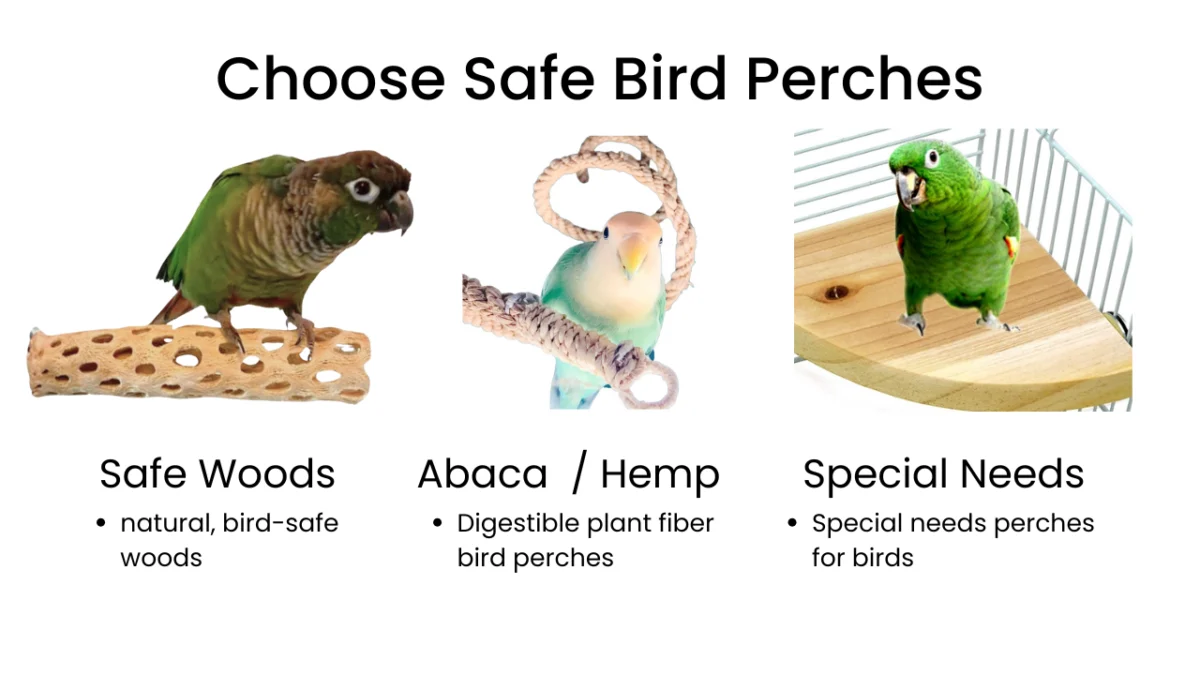
The welfare of captive avian companions hinges significantly on the seemingly simple yet profoundly impactful element of their environment: the perch. Far from being mere resting spots, perches are foundational to a bird’s physical health, mental stimulation, and overall quality of life, acting as the primary interface between the bird and its enclosure for nearly every waking moment. This understanding, championed by leading avian experts such as Diane Burroughs, LCSW, whose insights were most recently updated on December 27, 2025, following an initial publication on November 23, 2025, underscores a critical shift in avian husbandry. The focus has moved beyond basic functionality to a nuanced appreciation of how varied and appropriate perching prevents common ailments, promotes natural behaviors, and contributes to a robust avian lifestyle.
The Biomechanics of Avian Foot Health: Why Every Perch Matters
For a bird, the feet are more than just appendages for locomotion; they are complex structures vital for gripping, climbing, manipulating objects, and bearing the bird’s weight for extended periods. In the wild, birds encounter an immense diversity of branch sizes, textures, and angles, which naturally exercises their foot muscles, maintains nail and beak health, and ensures optimal circulation. In captivity, without this natural variation, birds are susceptible to a range of debilitating conditions.
One of the most prevalent and painful conditions linked to inadequate perching is pododermatitis, commonly known as "bumblefoot." This inflammatory condition of the footpad, ranging from mild redness to severe ulceration and infection, is often caused by prolonged pressure on a single point, exacerbated by hard, smooth, or uniformly sized perches. Similar to how humans experience discomfort and potential injury from ill-fitting or unsupportive footwear, birds suffer when their perches fail to distribute pressure evenly or provide adequate stimulation. Expert analysis suggests that a diverse range of perch diameters and textures is crucial for preventing such issues, encouraging different toe positions, muscle engagement, and blood flow.
Beyond bumblefoot, improper perching can contribute to arthritis, joint stiffness, and even muscle atrophy in the feet and legs. A bird’s grip strength, essential for agility and balance, is also maintained through varied perching. When a bird is forced to maintain the same grip constantly, or if its toes cannot comfortably articulate around a perch, it can lead to chronic discomfort and long-term musculoskeletal problems. This foundational understanding has propelled avian veterinarians and behaviorists to advocate for a multi-faceted approach to perch selection and cage setup.
A Historical Shift in Avian Care: From Dowels to Dynamic Habitats
Historically, pet bird cages were often outfitted with simple, uniform wooden dowel perches. These readily available and inexpensive options were once considered standard. However, as scientific understanding of avian physiology and behavior advanced, particularly over the last three decades, the limitations and detrimental effects of such monotonous environments became clear. Research, often published in journals like the Journal of Avian Medicine and Surgery and presented at conferences like ExoticsCon (where Diane Burroughs’ work has been featured), began to highlight the profound differences between wild and captive avian foot health.
The recognition that birds actively adjust their grip on different surfaces in the wild, utilizing a spectrum of diameters and textures, catalyzed a paradigm shift. Today, the emphasis is on creating a "dynamic habitat" within the cage, mimicking the complexity of a natural arboreal environment. This evolution reflects a broader movement in animal welfare, prioritizing enrichment and species-specific needs to enhance the lives of captive animals.
Navigating Perch Materials: Safety, Suitability, and Sourcing

The material of a perch is paramount for a bird’s safety and well-being. Ignorance or oversight in this area can lead to toxic exposure, injury, or chronic health issues.
-
Safe Wood Species: Natural wood perches are widely recommended for their varied textures and chewability, which aids in beak maintenance and provides mental stimulation. However, not all woods are safe. Avian experts strongly advise against treated, painted, or resin-coated perches, as these chemicals can be highly toxic if ingested. Reputable sources offer bird-safe woods such as dragonwood, manzanita, and java wood. These woods are typically dense, durable, and naturally irregular, providing excellent grip and wear. Other safe options include branches from fruit trees (apple, pear, plum, cherry – ensuring they are pesticide-free and wood only, no leaves/pits which can be toxic) or certain deciduous trees like willow and maple. When sourcing DIY branches, thorough cleaning and inspection for pests, mold, or contaminants are essential.
-
Unsafe Materials and Types to Avoid:
- Concrete or Cement Perches: While some are marketed for nail and beak conditioning, these are generally discouraged. They are hard, cold, and unyielding, offering no give or natural flex, which can contribute to pressure sores, calluses, and even chilling of the feet. Their abrasive nature, if used excessively or improperly, can also lead to over-trimming of nails, causing discomfort.
- Poorly Sourced Branches: Untested or wild-collected branches can harbor parasites, fungi, bacteria, or pesticide residues, posing significant health risks. Sterilization (e.g., baking at a low temperature) and proper identification of wood species are critical for any DIY options.
- Cotton Rope Perches: While seemingly soft and appealing, cotton rope presents a substantial ingestion hazard. As cotton rope frays, birds can ingest individual strands, which can accumulate in the crop or digestive tract, forming an indigestible mass (impaction). This can quickly lead to infection, blockage, and often requires surgical intervention, a significant and potentially life-threatening event. Therefore, cotton rope perches should be avoided. Safer alternatives include natural fiber ropes made from abaca or hemp, which are less likely to unravel into dangerous strands and are more digestible if small pieces are ingested.
-
Other Materials:
- Mineral or Calcium Perches: These can be beneficial for providing minerals and aiding in beak conditioning, but should be used sparingly and not as primary perches due to their hardness.
- Plastic Perches: Generally discouraged due to their uniform, smooth surface, which offers no variation in grip and can contribute to foot problems. Some specialized textured plastic perches exist but should be carefully evaluated for safety and utility.
The Art of Perch Placement and Variety: Crafting a Dynamic Habitat
Creating an enriching avian environment goes beyond selecting safe materials; it involves strategic placement and a commitment to variety.
-
Diameter and Texture: The "Hoka sneaker" analogy, suggesting the comfort of a well-cushioned shoe versus a flat, uncomfortable one, perfectly illustrates the bird’s need for varied foot stimulation. Perches should vary in diameter, allowing the bird to comfortably wrap its toes around them with a slight bend in each toe joint, rather than a flat, stretched grip. A general rule of thumb is that the bird’s toes should not completely meet around the perch, nor should they be too widely spread. Irregularly shaped natural branches are superior to uniform dowels precisely because they offer these natural variations. Textures should also differ – some rougher for natural nail wear, some smoother for comfortable resting.
-
Strategic Positioning: Perches should be placed at varying heights within the cage to encourage climbing, jumping, and exploration, which promotes physical activity and mental stimulation. Key areas to consider for perch placement include:
- High Perches: A primary resting and sleeping perch should be placed at the highest comfortable point in the cage, satisfying the bird’s natural instinct to perch high for safety.
- Food and Water Perches: Perches near food and water dishes should be clean and easily accessible, but positioned so that droppings do not contaminate the food or water.
- Play and Activity Perches: Incorporate perches with toys, swings, or foraging opportunities to encourage interaction and mental engagement.
- Rotation: Regularly rotating perch types, sizes, and locations prevents boredom and continually challenges the bird’s feet and mind.
Maintaining Perch Hygiene: A Critical Aspect of Health
Even the best perches can become health hazards if not properly maintained. Birds frequently clean their beaks on perches, and perches inevitably become soiled with droppings. This accumulation of organic matter provides a fertile breeding ground for bacteria, fungi, and parasites, which can lead to infections if ingested or if they come into contact with open sores on the feet.

- Cleaning Frequency and Methods: Perches should be cleaned weekly, or more frequently if visibly soiled. For wooden perches, scrubbing with a stiff brush and a bird-safe disinfectant (such as diluted bleach solution followed by thorough rinsing and drying, or specialized avian cleaning products) is essential. For natural branches, baking them at a low temperature after scrubbing can help sanitize them. Rope perches, especially those made from abaca or hemp, can often be machine washed or hand-scrubbed, but must be completely dry before returning to the cage to prevent mold growth. Regular inspection for wear and tear, especially with rope perches, is also crucial.
Securing the Avian Environment: Stability and Hardware
A perch, no matter how perfectly chosen, is only safe if it is securely fastened. An unstable perch can lead to falls, causing injury, stress, and a lack of confidence in the bird.
- Firm Anchoring: All perches must be firmly anchored to the cage bars or structure, ensuring they do not wobble, spin, or detach under the bird’s weight. Owners should always test the stability of a perch before allowing their bird to use it.
- Safe Hardware: Exposed or unsafe metal hardware, such as rust-prone components, sharp edges, or lead/zinc-containing metals, can pose a significant risk if a bird pecks or licks them. Reputable commercial perches typically use bird-safe stainless steel or other non-toxic hardware. When using DIY branches, owners must ensure any fastening hardware is also bird-safe.
Modern Research and Expert Consensus
The insights provided by professionals like Diane Burroughs, LCSW, whose three decades of experience are dedicated to fostering stronger bonds between parrots and their owners through behavior consultations and wellness products, are grounded in an ever-growing body of avian research. Modern ethology and veterinary science consistently emphasize the profound impact of environmental enrichment on avian psychological and physiological well-being.
Studies on avian biomechanics have detailed how varied perching surfaces promote natural foot mechanics, enhance circulation, and prevent degenerative joint conditions. The consensus among avian veterinarians, behaviorists, and welfare organizations is clear: a diverse, safe, and clean perching environment is not merely an accessory but a fundamental requirement for the ethical and healthy keeping of pet birds. This approach translates into fewer veterinary visits for preventable foot ailments, more active and engaged birds, and ultimately, a more fulfilling companionship experience for owners.
Implications for Bird Owners and the Pet Industry
The implications of this enriched understanding are far-reaching. For bird owners, it means a commitment to proactively assessing and upgrading their bird’s environment, prioritizing long-term health over convenience or initial cost. It empowers them to make informed decisions about product selection, differentiating between beneficial and potentially harmful items.
For the pet industry, this evolving standard drives innovation in perch design and materials. Manufacturers are increasingly offering a wider array of natural wood perches, specialized textures, and innovative attachment mechanisms. This market response indicates a growing recognition that bird owners are seeking higher quality, welfare-centric products.
In conclusion, the perch is undeniably a cornerstone of avian wellness. By embracing the principles of variety, safety, strategic placement, and diligent hygiene, bird owners can transform their bird’s cage from a mere enclosure into a stimulating, health-promoting habitat. This comprehensive approach, informed by decades of expert research and practical experience, ensures that every step a parrot takes contributes to its overall strength, agility, and profound happiness.

