


The landscape of pet ownership is continually evolving, with a noticeable shift towards integrating companion animals more deeply into family life, including travel plans. While traditionally, pet owners might have relied on pet sitters or boarding facilities, a growing number of individuals are now choosing to include their feathered companions in their journeys. This trend, particularly for car travel with birds, underscores a desire for stronger human-animal bonds and a recognition of the social needs of species like parrots. This comprehensive guide delves into the essential preparations, safety protocols, and behavioral considerations required to ensure a secure and positive travel experience for avian companions, moving beyond anecdotal advice to a structured, professional approach.
The Evolving Landscape of Pet Ownership and Avian Travel
The "humanization of pets" phenomenon has profoundly influenced how companion animals are perceived and cared for. Pets are increasingly seen as integral family members, leading owners to seek ways to share more aspects of their lives with them. For parrot owners, this often means exploring options for travel, driven by several factors: the inherent social nature of parrots who thrive within their "flock," concerns over the potential stress or inadequate care from unfamiliar pet sitters, and the simple desire for continuous companionship.
While precise statistics on avian car travel are still emerging, the broader pet travel industry has seen substantial growth. Reports from organizations like the American Pet Products Association (APPA) indicate that a significant percentage of pet owners travel with their animals annually, with dogs and cats dominating. However, the specialized market for avian travel products and services suggests a steady, albeit smaller, increase in owners seeking to accommodate their birds on the road. This shift necessitates robust guidelines to ensure the welfare of these unique travelers.
Is Avian Car Travel Feasible? Expert Consensus and Preparation
The consensus among avian veterinarians and behaviorists is that traveling with a bird by car is entirely feasible, provided there is thorough preparation and a deep understanding of the bird’s individual temperament. Parrots, being highly social and intelligent creatures, often derive a sense of security from remaining with their primary caregivers. This proximity can mitigate the anxiety often associated with being left in unfamiliar surroundings or with strangers.
However, success is not accidental. It hinges on proactive measures. Dr. Eleanor Vance, a veterinarian specializing in avian medicine, emphasizes, "Before embarking on any journey, a bird must be gradually acclimated to the concept of travel. Rushing this process can lead to significant stress, potentially undermining the bonding experience an owner hopes to achieve."
Pre-Travel Assessment: An Avian Readiness Checklist
To gauge a bird’s readiness for travel, a methodical assessment is crucial. This is not a pass/fail test but a framework to identify areas requiring further training or acclimatization:
- Carrier Comfort: Does the bird willingly enter and remain calm within a designated travel carrier? Look for signs of relaxation, such as preening, resting, or quiet vocalization, rather than frantic pacing or attempts to escape.
- Environmental Adaptability: How does the bird react to new sights, sounds, and unfamiliar environments? A bird that panics or exhibits extreme fear in novel settings may require more extensive desensitization before a road trip.
- Routine Resilience: Does the bird maintain normal eating, drinking, and play behaviors when its routine is slightly altered or it is away from its usual home environment?
- Car Acclimatization: Has the bird experienced short car rides previously? Observing its behavior during these initial exposures provides invaluable insight into its tolerance for motion and engine sounds.
If a bird displays consistent comfort across most of these indicators, it is likely a good candidate for travel. Conversely, if multiple "no" responses are noted, a structured training regimen focused on gradual exposure and positive reinforcement should precede any travel plans.
Understanding and Mitigating Travel Stress in Birds
Despite the potential for a positive experience, car travel can be a significant stressor for birds if not managed appropriately. Parrots thrive on predictability and familiar surroundings. The novel sounds, vibrations, changing visual stimuli, and altered routines inherent in travel can trigger physiological and behavioral manifestations of anxiety.
Key Indicators of Avian Travel Stress:
Owners should be vigilant for the following signs, which signal distress:
- Panting or Rapid Breathing: Can indicate overheating or severe anxiety.
- Fluffed Feathers (outside of resting): Often a sign of illness, cold, or fear.
- Abnormal Vocalizations: Excessive screaming, frantic chirping, or unusual silence.
- Aggression or Fear-Biting: A defensive reaction to perceived threats.
- Regurgitation or Vomiting: Common signs of motion sickness.
- Changes in Droppings: Diarrhea or unusually watery droppings.
- Feather Plucking or Self-Mutilation: In severe cases, a coping mechanism for extreme stress.
- Hiding or Excessive Pacing: Attempts to escape or agitated behavior.
Upon observing any of these indicators, it is imperative to pull over, assess the bird’s condition, and take immediate steps to provide comfort and security. This may involve offering water, a familiar toy, or simply allowing a quiet moment for the bird to regain composure. Gradual acclimatization through short, controlled drives is the ideal preventative measure. However, in emergency scenarios, such as wildfire evacuations, immediate focus must shift to ensuring basic comfort and security during transport, as outlined in emergency preparedness guidelines.
The Paradox: Why Some Birds Prefer Car Trips
Interestingly, many parrots exhibit a preference for car trips over being left behind. This seemingly counterintuitive behavior stems from their deep-seated instinct for flock security. Being in close proximity to their human flock provides a profound sense of safety and reduces separation anxiety. This often outweighs the potential stress of unfamiliar environments when compared to the emotional toll of being isolated or cared for by unfamiliar individuals in an unfamiliar setting.
The critical differentiator is preparation and positive association. When car rides are introduced thoughtfully, with positive reinforcement and comfort measures, they can transform into experiences the bird anticipates positively, reinforcing the bond with its owner.
Essential Equipment: Carriers and Transport Solutions
The choice and proper securing of a travel carrier are paramount for avian safety during car journeys. The primary objective is to provide a secure, well-ventilated, and comfortable enclosure that protects the bird from sudden movements, drafts, and potential escape.
Carrier Selection Criteria:
- Material Safety: Carriers should be constructed from non-toxic, durable materials (e.g., high-grade plastic, acrylic, stainless steel) that are easy to clean and sanitize.
- Ventilation: Ample airflow is crucial to prevent overheating and ensure a continuous supply of fresh air. Mesh panels or strategically placed vents are essential.
- Security: Escape-proof latches and sturdy construction are non-negotiable. The carrier must withstand the rigors of travel and prevent accidental openings.
- Size: The carrier must be large enough for the bird to stand comfortably, turn around, and fully extend its tail feathers without impingement. However, it should not be so large that the bird is jostled excessively during motion.
- Perching: Provide at least one secure, appropriately sized, non-slip perch. Natural branches or textured perches are often preferred for foot health.
- Food and Water Access: Secure, spill-proof dishes that can be accessed without opening the main door are ideal. Water bottles with sipper tubes can be a cleaner alternative to open bowls.
- Visibility and Privacy: Clear panels allow owners to monitor their bird, while also offering the bird a view. However, a partial cover (e.g., a lightweight blanket) should be available to provide a sense of privacy and reduce visual overstimulation.
Carrier Types:
Specialized carriers like the Pak-o-Bird, which offers backpack functionality and excellent ventilation, or clear-sided acrylic travel cages, are popular choices. These designs prioritize both visibility and a secure, enclosed environment.
Bird Car Seats: A Niche Application:
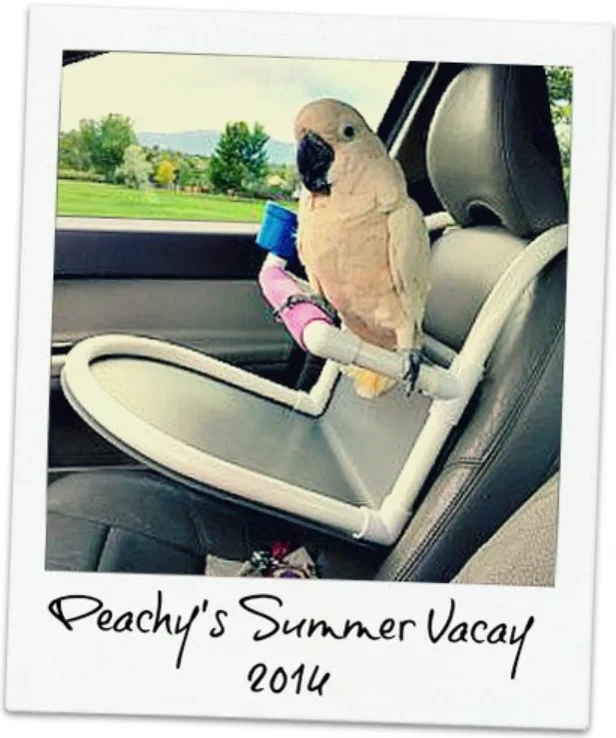
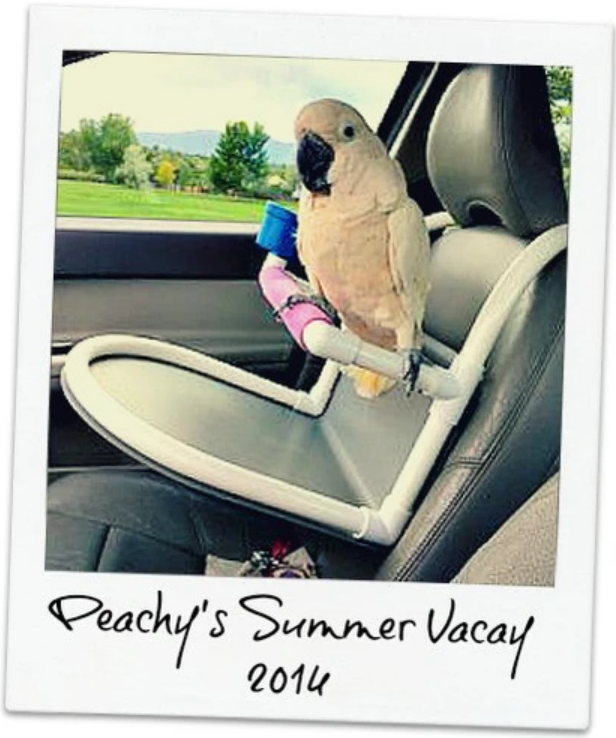
While some highly confident, harness-trained parrots may tolerate a "bird car seat" or perch system, these are generally not recommended as the primary travel solution. They offer less protection in the event of a sudden stop or accident. If utilized, they should only be for birds accustomed to motion and safely restrained with a harness. Crucially, a secure, crash-tested travel carrier must always be available as a backup for emergencies, longer stops, or when the bird requires more security.
Securing the Carrier:
The carrier must be firmly secured in the back seat of the vehicle using seatbelts or dedicated restraints. This prevents it from sliding, tipping, or becoming a projectile during braking or an accident. Wedges or non-slip mats can further stabilize the carrier. Positioning it on a flat, level surface is critical to prevent motion sickness.
The Journey Begins: Training and Acclimatization
Effective preparation for car travel with a bird is a multi-stage process that begins weeks, not hours, before the trip. This progressive training builds positive associations and reduces anxiety.
Progressive Carrier Training Protocol:
- Introduction (Weeks Before): Place the travel carrier in a safe, familiar area of the home. Leave the door open and encourage exploration by placing favorite treats, toys, or familiar perches inside. The goal is for the bird to view the carrier as a safe, positive space.
- Vehicle Acclimatization (Days Before): Once the bird is comfortable entering and remaining in the carrier, move it to the vehicle. Secure the carrier in the car and turn on the engine without driving. Allow the bird to habituate to the sounds and vibrations of the running vehicle.
- Short Drives (Gradual Progression): Begin with very short drives—5 to 10 minutes around the block. Observe the bird’s body language closely. Gradually increase the duration and distance of these drives, always ending with a positive experience (e.g., a favorite treat upon arrival home). This incremental approach prevents panic and helps the bird build resilience to motion.
Preventing Motion Sickness:
Birds, like humans and other animals, can experience nausea and disorientation from motion.
- Stabilization: Ensure the carrier is level and tightly secured to minimize jostling.
- Toy Selection: Remove any toys that dangle or swing unpredictably, as their erratic movement can contribute to disorientation. Instead, offer stationary comfort items like a shreddable block or a securely mounted chew toy.
- Pre-Travel Feeding: Offer a light meal a few hours before travel, avoiding a full crop.
- Hydration: Provide access to water, possibly through a sipper bottle or by misting the bird and its environment with plain water or an avian-safe product like UnRuffledRx Aloe Vera Spray, which can also soothe dry skin exacerbated by car air conditioning or altitude changes. In severe cases, consult an avian vet about anti-nausea medication.
Trip Length and Strategic Break Planning
There is no universal mileage limit for avian car travel; the permissible duration depends entirely on the individual bird’s experience, temperament, and health. For birds new to travel, initial trips should be limited to under 2 hours. More experienced and well-adjusted birds may tolerate 4-6 hour stretches, provided frequent and strategic breaks are incorporated.
Our experience during Colorado wildfires, which necessitated rapid evacuation with companion birds, underscored the critical importance of pre-planning and practice. Emergency situations often preclude gradual acclimatization, making prior preparation invaluable.
Strategic Break Planning:
- Frequency: Plan to stop every 90 to 120 minutes.
- Location: Choose quiet, safe pull-offs or rest areas away from heavy traffic or loud noises.
- Safety Protocols: Only open the carrier door when the vehicle is turned off, the environment is calm, and the area is secure and escape-proof.
- Refreshments: Offer fresh water and a familiar, preferred snack. Familiarity helps reduce stress.
- Observation: Use breaks to meticulously assess the bird’s comfort level. Look for signs of stress (panting, fluffed feathers, agitation) and adjust the plan if necessary.
- Harness Time: If the bird is harness-trained, allow 5-10 minutes for supervised stretching and exploration outside the carrier. This provides crucial physical and mental stimulation.
Bird Sun and Temperature Safety:
Environmental control is paramount.

- Temperature Extremes: Never expose a bird to temperatures above 85°F (29°C) or below 45°F (7°C). Birds are highly susceptible to heatstroke and hypothermia.
- Direct Sunlight: Avoid direct sunlight on the carrier, which can rapidly elevate internal temperatures.
- Ventilation: Ensure adequate ventilation at all times. Use car air conditioning or heat to maintain a comfortable, stable temperature.
- Unattended Vehicles: Under no circumstances should a bird be left unattended in a parked car, even for a few minutes. Interior temperatures can rise or fall to dangerous levels very quickly.
Comprehensive Pre-Trip Planning Checklist
Meticulous planning is the cornerstone of successful avian travel.
1. Schedule a Veterinary Wellness Check and Grooming:
Approximately 1-2 weeks before the trip, schedule an appointment with an avian veterinarian. This check-up ensures the bird is in optimal health for travel. Discuss any specific concerns, potential calming supplements, and arrange for nail and wing trims if necessary to prevent escape risks. Ensure all vaccination records and health certificates are up-to-date and easily accessible.
2. Call Ahead for Bird-Friendly Accommodations:
The term "pet-friendly" does not automatically extend to "parrot-friendly." Many hotels have specific restrictions regarding birds due to noise, dander, or allergy concerns. Always call ahead to confirm their avian policies. Inquire about quiet floors, designated pet areas, and whether cage covers are permissible. Plan to set up the bird’s cage in a quiet corner of the room, away from air conditioning vents, direct sunlight, and television noise. A waterproof mat under the cage is recommended for hygiene.
3. The Ultimate Bird Travel Kit Essentials:
A well-stocked travel kit is indispensable for a safer, smoother journey:
- Primary Travel Carrier: Secure, well-ventilated, appropriate size.
- Backup Carrier (Optional but Recommended): For extended stops or emergencies.
- Food and Water: Pre-measured portions of familiar pellets, seeds, and fresh, high-moisture fruits/vegetables. Bottled water to avoid stomach upset from unfamiliar tap water.
- Secure Dishes: Spill-proof travel bowls or a sipper bottle.
- Comfort Items: Familiar toys, favorite perches, a cage cover for privacy, and a small blanket.
- Cleaning Supplies: Bird-safe wipes, paper towels, small trash bags, a portable brush or handheld vacuum for crumbs and droppings.
- Avian First Aid Kit: Vet-prescribed medications, styptic powder (for minor bleeding), antiseptic wipes, sterile gauze, blunt-tipped tweezers, and a vet contact list.
- Calming Aids: Vet-approved calming supplements, aloe mist, or other recommended products.
- Harness and Leash: If the bird is harness-trained.
- Identification: ID tags for the bird (leg band, microchip if applicable) and carrier with owner contact information, and copies of veterinary records.
- Emergency Contact List: Names and numbers of avian veterinarians along the route, as well as local animal shelters or emergency services.
Harness Training: Expanding Freedom and Safety
Harness training offers a transformative dimension to avian travel, significantly enhancing both safety and enrichment. A harnessed parrot can safely explore during breaks, enjoy supervised outdoor time, stretch its wings, and remain secure during hotel check-ins or other transitional moments.
This controlled freedom provides crucial exercise and mental stimulation, directly combating travel-related stress. The training process requires patience and positive reinforcement, starting well in advance of any travel plans. It involves gradual introduction of the harness, positive association with treats, and short periods of wear, slowly progressing to outdoor exploration.
During harness time, strict supervision is essential. Even 5-10 minutes outside the carrier can make a substantial difference in a bird’s well-being on multi-day trips. Owners should also ensure their bird has proper identification (leg band, microchip, ID tag) and is recall-trained as an added safety measure.
Avian Wellness Products for Travel Support
A range of products can further support a bird’s emotional and physical well-being during travel:
- Calming Formulas: Vet-trusted calming supplements, often administered 1-2 hours prior to travel, can help reduce anxiety. These may include herbal blends or specific nutraceuticals, always used under veterinary guidance.
- Hydration Mists: Products like UnRuffledRx Aloe Vera Spray or plain water mists can help maintain skin and feather hydration in the dry air of car cabins or varying altitudes. Daily application can be soothing.
- Nutritional Supplements: Supplements like FeatherUp, designed to support immune health and reduce stress-related plucking, can be beneficial during periods of environmental change.
Bundling these items into a "Bird Travel Kit" simplifies pre-trip preparation and ensures immediate access to essential support.
When Travel is Not Advisable: Critical Considerations
Despite all preparations, there are specific circumstances when traveling with a bird is ill-advised:
- Health Concerns: If a bird is acutely ill, undergoing a heavy molt (which is physically taxing), or experiencing severe hormonal mood swings, the added stress of travel can compromise its health.
- Lack of Training: An untrained bird that panics in a carrier or has no experience with car rides will likely endure significant distress, making the experience negative for both bird and owner. Proper acclimatization is non-negotiable.
- Weather Extremes: Travel should be avoided if temperatures are forecast to exceed 85°F (29°C) or drop below 45°F (7°C). Birds are highly vulnerable to thermal stress, and maintaining a safe internal temperature in a vehicle can be challenging in extreme conditions.
- Owner Capability: If the owner is experiencing significant stress, illness, or is otherwise unable to provide consistent, attentive care to the bird during the journey, it may be better to postpone travel or arrange for professional pet care.
Conclusion: A Paradigm Shift in Pet Travel
The integration of companion birds into family travel plans represents a significant shift in pet ownership, reflecting deeper bonds and a heightened awareness of animal welfare. By adhering to comprehensive planning, rigorous safety protocols, and a nuanced understanding of avian behavior, owners can transform potentially stressful journeys into enriching experiences. Birds thrive when they feel secure, understood, and connected to their human flock. With the right equipment, training, and proactive care, traveling with a bird can be a rewarding adventure, reinforcing the bond and expanding shared experiences.
Travel-tested solutions, such as the Pak-o-Bird carrier and the Avian Mobile Perch, exemplify the specialized products available to facilitate safer, calmer adventures. When combined with diligent preparation, these tools empower owners to confidently embark on journeys, ensuring their feathered companions love the journey just as much as the destination. The future of avian travel points towards a growing demand for bird-centric services and products, further supporting this evolving aspect of pet companionship.
Related Posts:

- 6 Tips for Car Travel with Parrots
- Pet Friendly Vacations: RV Travel With Your Bird
- Finding a Bird-Friendly Hotel
Link to this blog:
Burroughs, D. (2025, July 2). Birds in the backseat: Parrot travel made easy [Blog post]. BirdSupplies.com. Retrieved from https://birdsupplies.com/blogs/news/birds-in-the-backseat-parrot-travel-made-easy
Diane Burroughs, LCSW, brings over 30 years of experience helping bird lovers build stronger, healthier bonds with their parrots. With a foundation in psychotherapy and Applied Behavior Analysis (ABA), Diane combines proven behavioral science with simple, real-life strategies anyone can use. Through her books, behavior consultations, and UnRuffledRx parrot wellness products, she’s dedicated to helping real bird owners create trust, confidence, and a lifetime of positive experiences with their feathered companions.
Diane’s products have been featured in the Journal of Avian Medicine and Surgery and at ExoticsCon, a national conference for exotic animal veterinarians. Her bird collars and supplements are trusted by avian vets and stocked in vet clinics across the U.S. With thousands of individualized behavior plans under her belt, Diane’s mission is simple: to help parrots and their people thrive together.
TAGS: #CarTravelWithBirds #TakingYourBirdOnVacation
SHARING IS CARING! 💖
Love what you read? Help spread the word on Facebook & Instagram 🐦
✍️ Leave a comment below and let us know your thoughts!
Navigating Avian Journeys: Comprehensive Guidelines for Safe and Stress-Free Car Travel with Companion Birds
The landscape of pet ownership is continually evolving, with a noticeable shift towards integrating companion animals more deeply into family life, including travel plans. While traditionally, pet owners might have relied on pet sitters or boarding facilities, a growing number of individuals are now choosing to include their feathered companions in their journeys. This trend, particularly for car travel with birds, underscores a desire for stronger human-animal bonds and a recognition of the social needs of species like parrots. This comprehensive guide delves into the essential preparations, safety protocols, and behavioral considerations required to ensure a secure and positive travel experience for avian companions, moving beyond anecdotal advice to a structured, professional approach.
The Evolving Landscape of Pet Ownership and Avian Travel
The "humanization of pets" phenomenon has profoundly influenced how companion animals are perceived and cared for. Pets are increasingly seen as integral family members, leading owners to seek ways to share more aspects of their lives with them. For parrot owners, this often means exploring options for travel, driven by several factors: the inherent social nature of parrots who thrive within their "flock," concerns over the potential stress or inadequate care from unfamiliar pet sitters, and the simple desire for continuous companionship.
While precise statistics on avian car travel are still emerging, the broader pet travel industry has seen substantial growth. Reports from organizations like the American Pet Products Association (APPA) indicate that a significant percentage of pet owners travel with their animals annually, with dogs and cats dominating. However, the specialized market for avian travel products and services suggests a steady, albeit smaller, increase in owners seeking to accommodate their birds on the road. This shift necessitates robust guidelines to ensure the welfare of these unique travelers.
Is Avian Car Travel Feasible? Expert Consensus and Preparation
The consensus among avian veterinarians and behaviorists is that traveling with a bird by car is entirely feasible, provided there is thorough preparation and a deep understanding of the bird’s individual temperament. Parrots, being highly social and intelligent creatures, often derive a sense of security from remaining with their primary caregivers. This proximity can mitigate the anxiety often associated with being left in unfamiliar surroundings or with strangers.
However, success is not accidental. It hinges on proactive measures. Dr. Eleanor Vance, a veterinarian specializing in avian medicine, emphasizes, "Before embarking on any journey, a bird must be gradually acclimated to the concept of travel. Rushing this process can lead to significant stress, potentially undermining the bonding experience an owner hopes to achieve."
Pre-Travel Assessment: An Avian Readiness Checklist
To gauge a bird’s readiness for travel, a methodical assessment is crucial. This is not a pass/fail test but a framework to identify areas requiring further training or acclimatization:
- Carrier Comfort: Does the bird willingly enter and remain calm within a designated travel carrier? Look for signs of relaxation, such as preening, resting, or quiet vocalization, rather than frantic pacing or attempts to escape.
- Environmental Adaptability: How does the bird react to new sights, sounds, and unfamiliar environments? A bird that panics or exhibits extreme fear in novel settings may require more extensive desensitization before a road trip.
- Routine Resilience: Does the bird maintain normal eating, drinking, and play behaviors when its routine is slightly altered or it is away from its usual home environment?
- Car Acclimatization: Has the bird experienced short car rides previously? Observing its behavior during these initial exposures provides invaluable insight into its tolerance for

