


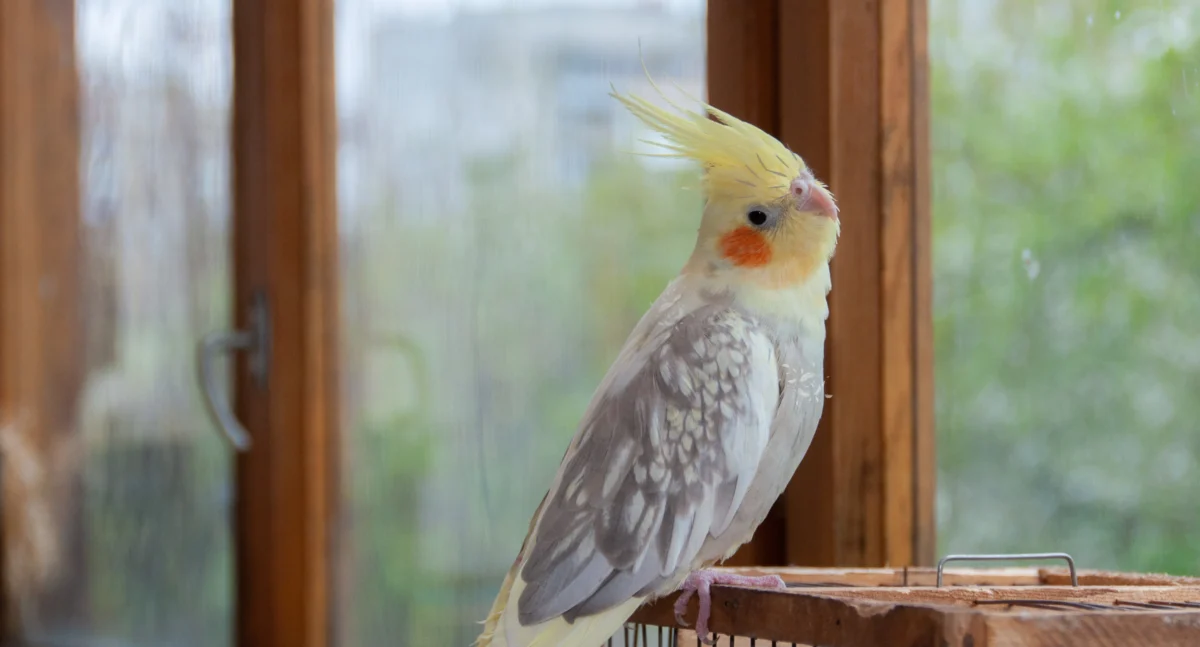
A molting cockatiel can present a bewildering spectacle for many owners, marked by an abundance of shed feathers, noticeable shifts in the bird’s demeanor, and often, uncertainty regarding the normalcy of the process. Concerns about discomfort, potential illness, or the onset of feather plucking are common among those caring for these popular avian companions. This comprehensive guide aims to demystify the molting process in cockatiels, providing clarity on what constitutes normal feather renewal, offering actionable strategies for supportive care, and outlining critical indicators that warrant professional veterinary intervention.
The Avian Molting Process: A Biological Imperative
Molting is a fundamental biological process for all birds, serving as the mechanism by which old, worn, or damaged feathers are replaced with new, healthy ones. Feathers are complex structures made primarily of keratin, a fibrous protein. Unlike hair or nails in mammals, feathers are metabolically inert once fully grown, meaning they cannot repair themselves. Consequently, regular replacement is essential for a bird’s survival and well-being.
For cockatiels, as with other avian species, a healthy plumage is critical for several vital functions:
- Flight: Intact, strong flight feathers are indispensable for efficient and controlled flight, allowing for mobility, escape from predators, and access to food and water.
- Insulation: Feathers trap a layer of air close to the bird’s body, providing crucial insulation against both cold and heat, regulating body temperature.
- Protection: The outer layer of feathers acts as a protective barrier against physical injury, UV radiation, and environmental elements like rain and wind.
- Hygiene and Display: Healthy feathers are easier to preen, reducing parasite load and maintaining cleanliness. Furthermore, vibrant, well-maintained plumage plays a significant role in social signaling and mate attraction.
The entire process of feather growth and replacement is energetically demanding, requiring a substantial redirection of the bird’s metabolic resources, particularly protein. This high energy expenditure often accounts for the behavioral changes observed in molting birds.
Chronology of a Cockatiel’s Feather Cycle
Cockatiels typically undergo predictable molting patterns throughout their lives, influenced by age, hormones, and environmental factors.
Juvenile Molt: The first significant molt, known as the juvenile molt, usually occurs in young cockatiels between 6 and 12 months of age. During this period, the soft, downy "baby" feathers are replaced by the more robust adult plumage. This is often when the bird’s permanent adult coloring and definitive sexual dimorphism (e.g., distinct facial patches in males) become apparent. This initial molt is crucial for developing the full complement of flight and contour feathers necessary for adult life.
Seasonal Molts: Following the juvenile molt, adult cockatiels generally experience seasonal molts, often in the spring and fall. These cycles are primarily triggered by changes in photoperiod—the length of daylight hours—and ambient temperature.
- Spring Molt: As days lengthen and temperatures rise, cockatiels may undergo a lighter molt in preparation for the breeding season, ensuring their feathers are in prime condition for courtship displays and nesting activities.
- Autumn Molt: With shortening days and falling temperatures, a more substantial molt can occur, providing the bird with a dense, fresh set of feathers to enhance insulation for the colder winter months.
Indoor Birds and "Soft Molts": While wild birds adhere strictly to seasonal molting schedules, indoor pet cockatiels often exhibit variations. Consistent artificial lighting and stable climate control within a home environment can disrupt natural photoperiod cues, leading to less predictable or prolonged molts, sometimes referred to as "soft molts." These can manifest as a continuous, low-level shedding throughout the year, rather than distinct, heavy periods. While not inherently problematic, such prolonged molts can put a continuous strain on the bird’s system and may make it more challenging for owners to identify the beginning and end of a molting cycle.
Individual Variation: It is imperative for owners to understand that every cockatiel is an individual, and molting patterns can vary. Factors such as age, overall health status, dietary quality, and stress levels can influence the frequency, intensity, and duration of molts. Some birds may lose only a few feathers at a time, while others experience more dramatic, rapid feather replacement. Developing a keen awareness of your specific bird’s normal molting rhythm is key to quickly identifying any deviations that might signal an underlying issue.
Recognizing the Signs of a Healthy Molt
Identifying whether your cockatiel is undergoing a normal molt requires observation of both visual and behavioral cues.
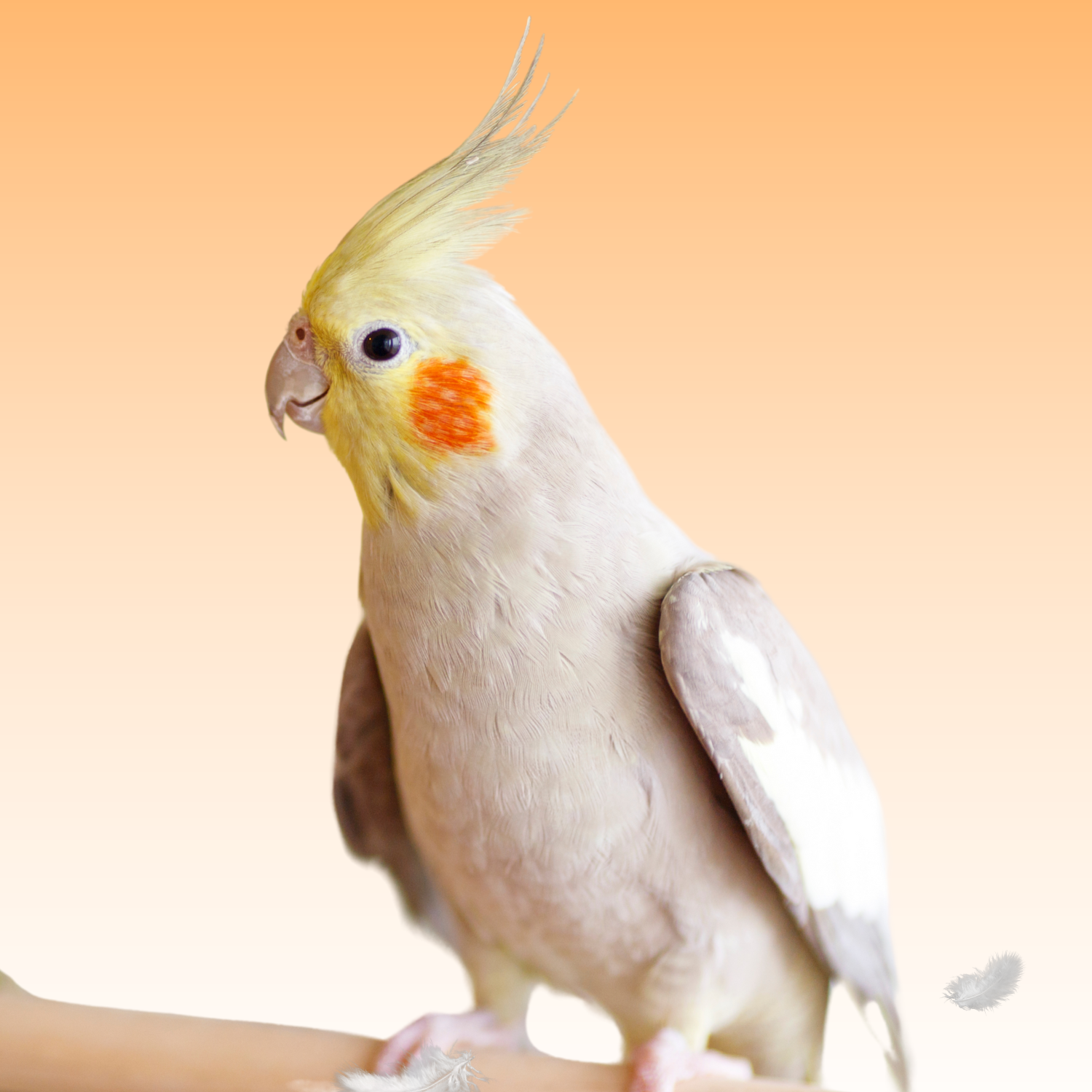
Visual Cues:
- Feather Shedding: The most obvious sign is the presence of discarded feathers at the bottom of the cage. During a normal molt, feather loss is typically symmetrical, meaning if a primary flight feather drops from one wing, its counterpart on the other wing will usually follow suit shortly after. You may notice small, downy feathers, as well as larger contour, flight, or tail feathers. The appearance of "feather dust" — fine keratin particles — is also common.
- Pin Feathers: These are the new feathers emerging from the follicles, encased in a stiff, waxy keratin sheath. Pin feathers resemble tiny, white or dark spikes and can be observed on the bird’s head, neck, chest, and wings. As these feathers mature, the keratin sheath will gradually flake away, allowing the feather to unfurl. Owners should be aware of "blood feathers," which are newly growing feathers that still have a blood supply at their base (calamus). These are particularly sensitive and can bleed profusely if damaged.
- Appearance: A molting cockatiel may temporarily appear somewhat scruffy, disheveled, or have a less dense plumage as old feathers fall out and new ones grow in.
Behavioral Shifts:
- Increased Preening and Scratching: Birds will naturally increase their preening efforts to help remove the keratin sheaths from emerging pin feathers and to keep their remaining plumage tidy. You may observe them rubbing their head or neck against perches or cage bars to aid in breaking open these sheaths, especially in areas they cannot reach with their beak.
- Reduced Activity and Lethargy: The immense energy demand of growing new feathers often leads to a noticeable decrease in activity levels. Your cockatiel might seem quieter, less inclined to play, or spend more time resting or sleeping.
- Irritability and Sensitivity: Pin feathers, particularly blood feathers, can be tender and even painful to the touch. As a result, a molting cockatiel may be more irritable, less tolerant of handling, or vocalize displeasure when touched in sensitive areas. Avian behaviorists like Diane Burroughs, LCSW, emphasize that while physical handling may be unwelcome during this sensitive period, the bird still craves connection. Owners are advised to maintain interaction through gentle talking, singing, or offering protein-rich treats like millet or cooked quinoa, which provide both comfort and nutritional support for feather growth.
- Appetite Changes: Some birds may exhibit an increased appetite due to the elevated metabolic requirements of feather production, while others might show a slight decrease if discomfort is significant. Monitoring food and water intake is important.
Differentiating Normal Molt from Health Concerns
While molting is a natural process, certain signs can indicate an underlying health issue rather than a routine feather renewal. Prompt recognition of these warning signs and veterinary consultation are crucial.
Warning Signs that Require Veterinary Attention:
- Bald Patches or Uneven Feather Loss: Molting is generally symmetrical and gradual. If your cockatiel develops distinct bald spots, or if feather loss is highly localized and patchy rather than diffuse, it may suggest plucking, parasites, or a skin condition.
- Skin Lesions: Redness, inflammation, scabs, or open wounds on the skin underneath the feathers are never normal during a molt and require immediate veterinary assessment.
- Excessive Feather Pulling or Plucking: While normal preening involves gentle grooming, plucking is characterized by aggressive pulling, biting, or tearing of feathers, often concentrating on specific body areas. As Diane Burroughs, LCSW, notes, "When birds are plucking, they tend to fixate on one area, picking at the same spot repeatedly and intensely. In contrast, normal preening looks more relaxed and rhythmic, as they move from feather to feather, gently grooming each one."
- Bleeding: Any significant bleeding from feather follicles, particularly from damaged blood feathers that do not stop quickly, is an emergency.
- Extreme Lethargy or Illness: While some reduced activity is normal, extreme weakness, prolonged disinterest in food or water, changes in droppings, or other overt signs of illness (e.g., ruffled feathers for extended periods, discharge from nostrils or eyes) are red flags.
- Feather Deformities or Stress Bars: New feathers that grow in malformed, stunted, or exhibit "stress bars" (transverse lines or weak points) can indicate nutritional deficiencies, systemic illness, or significant stress during their growth phase.
- Persistent Itching/Discomfort: If your bird seems excessively itchy or uncomfortable despite appropriate bathing and environmental care, it could point to external parasites (mites, lice) or an allergic reaction.
Causes of Abnormal Feather Loss or Damage:
- Nutritional Deficiencies: Inadequate protein, vitamins (especially A and Biotin), and minerals can lead to poor feather quality, delayed molting, or abnormal feather growth.
- Parasites: Mites and lice can cause intense itching, feather damage, and irritation, mimicking or exacerbating molting symptoms.
- Infections: Bacterial, fungal, or viral infections can affect feather follicles and skin, leading to feather loss, skin lesions, and discomfort.
- Systemic Illness: Underlying diseases, such as Psittacine Beak and Feather Disease (PBFD) or Polyomavirus, can severely impact feather health and regeneration.
- Environmental Stress: Inappropriate cage conditions, lack of enrichment, poor hygiene, or inadequate humidity can contribute to feather problems.
- Psychological Stress/Behavioral Plucking: Boredom, anxiety, fear, or a lack of mental stimulation can manifest as self-mutilation, including feather plucking.
Nutritional Support for a Successful Molt
Given the high metabolic demands of feather growth, providing optimal nutrition during a molt is paramount. Feathers are composed almost entirely of keratin, a protein-rich substance.
Key Nutrients Molting Birds Need:
- High-Quality Protein: To synthesize keratin, the bird’s body requires a readily available supply of essential amino acids, the building blocks of protein. Deficiencies can result in dull, brittle, or poorly formed feathers. Specific amino acids like methionine and cysteine are particularly crucial for keratin formation.
- Vitamin A: Essential for healthy skin and mucous membranes, Vitamin A supports the integrity of feather follicles and overall epithelial tissue.
- Biotin (Vitamin B7): This B-vitamin plays a direct role in keratin synthesis and is vital for strong feather structure and skin health.
- Omega-3 Fatty Acids: These polyunsaturated fats are known for their anti-inflammatory properties and contribute to healthy skin and lustrous feather quality.
- Calcium: While primarily associated with bone health, calcium is indirectly important as part of overall systemic health, supporting the energy and metabolic processes required for molting.
- Zinc: Involved in numerous enzymatic functions and immune responses, zinc also plays a role in skin and feather health.
Best Foods to Offer:
- High-Quality Pellets: These should form the foundation of a cockatiel’s diet, providing a balanced spectrum of nutrients.
- Protein-Rich Foods: Supplement the diet with lean, cooked protein sources such as cooked eggs (scrambled or hard-boiled), cooked quinoa, lentils, and small amounts of lean cooked chicken or fish. Bird-safe sprouts (e.g., alfalfa, mung bean) are also excellent sources of protein and enzymes.
- Fresh Fruits and Vegetables: Offer a wide variety of fresh, leafy greens (kale, spinach, romaine), shredded carrots, bell peppers, broccoli, and small amounts of bird-safe fruits like berries or apples. These provide essential vitamins, minerals, and antioxidants.
- Healthy Fats: In moderation, seeds rich in omega-3s, such as chia, flax, or hemp seeds, can be beneficial. Red palm oil, a source of Vitamin A and beneficial fatty acids, can also be offered sparingly.
- Nutritional Supplements: During a heavy molt, a veterinarian-approved avian vitamin supplement designed to support feather growth (such as the commercially available "FeatherUp") can help fill any nutritional gaps. These often contain concentrated forms of biotin, amino acids, and other essential nutrients.
Avoid: Exclusively seed-based diets are highly deficient in many vital nutrients, particularly protein, Vitamin A, and calcium, and can severely compromise feather quality and overall health during a molt.
Creating a Comforting Environment for Molting Cockatiels
Beyond nutrition, providing a supportive and comfortable environment is crucial for easing your cockatiel through the molting process.
Reduce Irritation and Itching:

- Misting and Baths: Regular misting with warm, clean water or offering a shallow dish for bathing can significantly help soften the keratin sheaths of pin feathers, making them easier for the bird to preen open. Many owners find that adding a veterinarian-approved aloe vera spray (like "Aloe Vera Spray for Birds") can further soothe irritated skin. Aloe is known for its natural analgesic and moisturizing properties, which can reduce inflammation around feather follicles and keep the skin supple. Always ensure the bird can dry off in a warm, draft-free area after bathing.
- Gentle Preening Assistance: While birds typically manage their own preening, some cockatiels, particularly those with difficulty reaching their crest or the back of their head, may appreciate gentle assistance. A soft, clean toothbrush can be used to gently brush downwards on pin feathers, but only if your bird visibly enjoys and tolerates it. Never force this interaction.
Crucial Warning: Never pull out pin feathers or blood feathers, even if your bird appears to be scratching at them aggressively. Pulling a pin feather is intensely painful for the bird, can cause significant bleeding if it’s a blood feather, and forces the body to restart the growth process, wasting precious energy. This point is strongly emphasized by avian experts like Diane Burroughs, LCSW.
Cage Setup and Rest:
- Varied Perches: Offer a selection of perches made from natural wood or soft rope. The varied textures can aid your cockatiel in gently rubbing and breaking open stubborn feather sheaths in areas they can’t easily reach with their beak.
- Stable Environment: During a molt, birds are often more sensitive to stress. Minimize major changes to the cage setup or household routine. Maintain a calm, predictable environment to reduce any additional stress on your bird.
- Adequate Rest: Molting is exhausting. Ensure your cockatiel receives ample undisturbed sleep, ideally 10-12 hours in a dark, quiet, and safe space. Dimming lights earlier or providing a quiet cover for their cage can facilitate this much-needed rest, allowing their body to dedicate energy to new feather growth.
Developing a Proactive Molt Care Plan
A structured care plan can help ensure your cockatiel receives consistent support throughout its molt:
Daily Actions:
- Morning & Evening: Provide a mist bath with warm water or a veterinarian-approved aloe vera bird spray for skin relief and to soften feather sheaths.
- Feeding Time: Ensure a base of high-quality pellets. Supplement with fresh, protein-rich foods. If using, add a bird feather growth vitamin supplement (e.g., "FeatherUp!") to moist food twice daily, particularly while pin feathers are actively emerging.
- Observation: Daily visual checks for any signs of abnormal feather loss, skin irritation, or behavioral changes.
Weekly Actions:
- Nutrient Boost: Offer a small amount of bird-safe red palm oil (e.g., 3 times a week) to provide additional Vitamin A and beneficial fatty acids, supporting skin suppleness and feather health.
- Cage Hygiene: Maintain a clean cage environment, regularly removing shed feathers and droppings to prevent bacterial growth and promote a healthy habitat.
- Enrichment: Continue to offer appropriate toys and mental stimulation, even if the bird is less active. Gentle interaction is still important.
How Long to Follow the Plan: Begin this intensive care plan as soon as you notice the first signs of molting (shed feathers, pin feathers). Continue consistently until the molt is complete, which typically lasts 4 to 6 weeks for a significant molt, though lighter molts may be shorter, and prolonged soft molts may require longer support. Adhering to the plan helps your cockatiel recover faster and ensures their new plumage is as healthy and vibrant as possible.
When Professional Intervention Becomes Necessary
While proactive care addresses most molting needs, knowing when to seek professional veterinary advice is critical for your cockatiel’s safety and well-being.
Know the Warning Signs:
- Persistent Bald Spots: Any area of the body that remains bald or lacks new feather growth for an extended period.
- Active Feather Plucking: If your bird is consistently pulling out its own feathers, leading to significant feather damage or skin trauma.
- Bleeding: Uncontrolled bleeding from feather follicles.
- Extreme Lethargy or Weakness: Beyond typical reduced activity during a molt, if your bird is very weak, unresponsive, or appears ill.
- Loss of Appetite or Water Intake: A significant and sustained decrease in food or water consumption.
- Changes in Droppings: Any abnormal changes in the color, consistency, or volume of droppings.
- Deformed Feathers: New feathers growing in with noticeable deformities, stress bars, or poor structure.
- Self-Isolation: If your normally social cockatiel becomes withdrawn and isolates itself persistently.
These are not typical molting symptoms and could indicate a deeper health issue requiring diagnostic testing and targeted treatment by an avian veterinarian. Ongoing feather loss, chronic discomfort, or behavioral anomalies demand prompt investigation.
Feather Support = Overall Health:
Molting in cockatiels, as with all birds, is a powerful indicator of their overall health. A smooth, efficient molt with the growth of strong, healthy new feathers is a testament to effective care and a robust physiological state. By providing proactive care, maintaining a calm environment, and ensuring complete nutrition, owners not only facilitate the molting process but also contribute significantly to their cockatiel’s long-term health, vitality, and the enduring bond they share. A quick wellness check by an exotics or avian vet provides invaluable peace of mind and safeguards your cherished pet’s health.
References:
- Burroughs, D. (2025, May 19). Help! My parakeet is molting—Now what? BirdSupplies.com.
- Groom, J. V., II, & Williams, D. L. (2015). Feather loss and feather damaging behavior in psittacine birds: A review of anatomy, causes, and treatment. Journal of Exotic Pet Medicine, 24(3), 210–220.
- Jayson, S. L., Bennett, R. A., & Ballard, B. (2022). Behavioral and environmental management of common feather disorders in companion birds. Veterinary Clinics: Exotic Animal Practice, 25(1), 1–16.
- Speer, B. L. (2016). Current veterinary therapy in exotic pet practice. Elsevier Health Sciences.
Diane Burroughs, LCSW, an avian behaviorist with over 30 years of experience, specializes in helping bird owners build stronger, healthier bonds with their parrots. Her expertise, combining psychotherapy and Applied Behavior Analysis, informs her practical strategies for parrot wellness, which have been featured in the Journal of Avian Medicine and Surgery and at ExoticsCon.

